
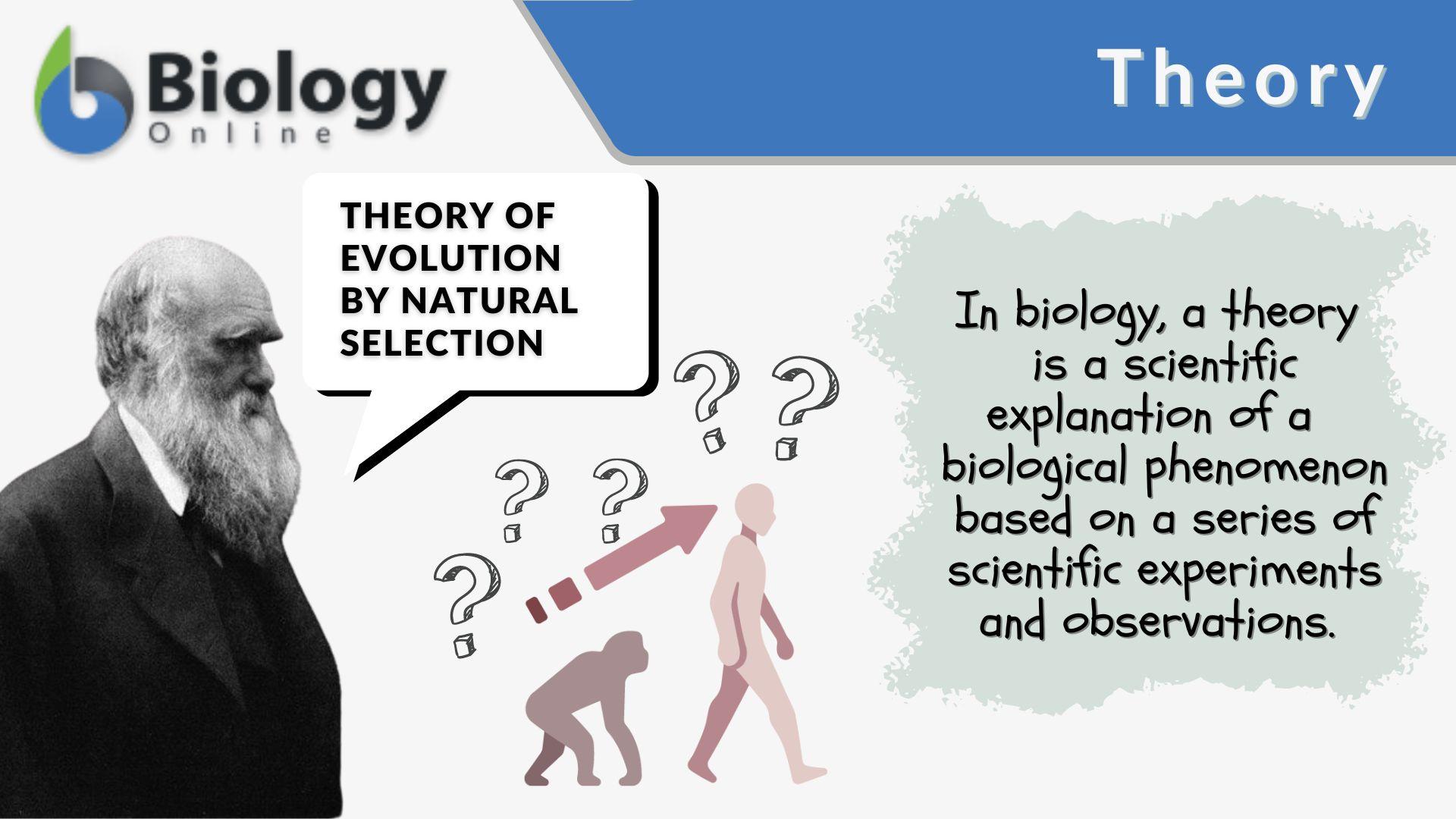
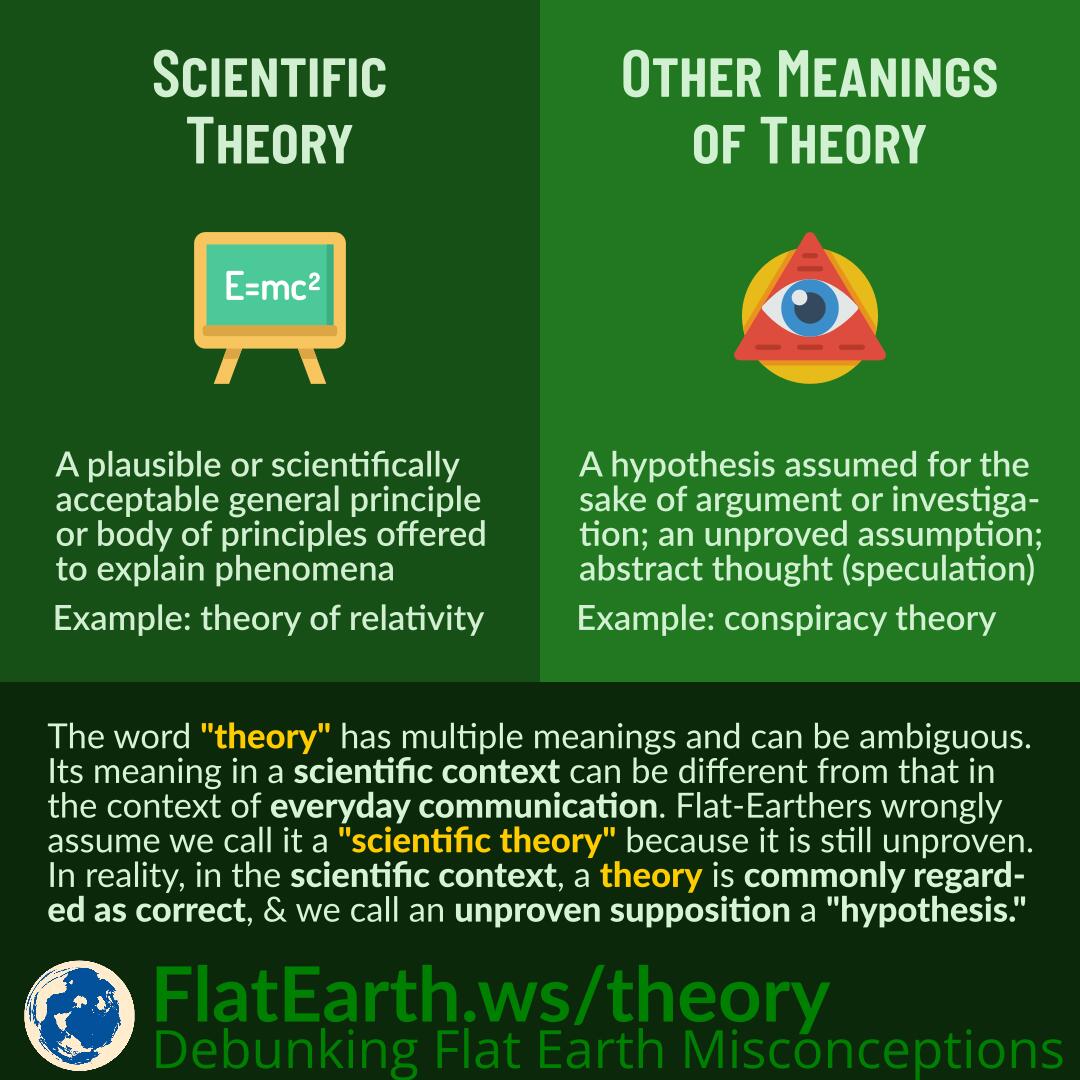
In the popular lexicon, the word “theory” is often misunderstood as a mere hunch or a speculative guess. However, in the realm of science and its practical application—technology—a theory represents the highest level of certainty. A scientific theory is a structured explanation to explain a group of facts or phenomena in the natural world that has been repeatedly confirmed through observation and experiment. When we translate this to the tech sector, “science theory” becomes the bedrock upon which every algorithm, processor, and digital security protocol is built.
Understanding what science theory means in a tech-driven world is essential for grasping how we transitioned from mechanical gears to quantum bits. It is the bridge between abstract mathematical concepts and the tangible gadgets we carry in our pockets. This article explores how theoretical frameworks define our technological landscape and why “theory” is the most practical tool a developer or engineer can possess.

The Foundation: Theoretical Frameworks in Software and AI
At the heart of every software application lies a set of theoretical frameworks. Without the groundwork laid by computational theory, the modern digital age would lack the structure necessary to process complex information.
The Transition from Hypothesis to Algorithm
In technology, a “theory” often begins as a mathematical hypothesis. For instance, the theory of computation, pioneered by figures like Alan Turing, sought to define what could be calculated by a machine. What began as a theoretical exploration of logic eventually manifested as the binary systems that power every computer today. When we talk about “science theory” in tech, we are referring to the proven logic that ensures an algorithm will produce a consistent result. This transition from a theoretical model to a functional algorithm is what allows AI tools to “learn” from patterns—they are operating on the statistical theories of probability and inference.
Why Rigorous Theory Prevents Technical Debt
Technical debt occurs when developers prioritize speed over structure. By adhering to sound software engineering theories—such as the SOLID principles or Object-Oriented Programming (OOP) theory—tech teams build scalable systems. These theories provide a blueprint for how code should interact, ensuring that as a platform grows, it remains stable. Understanding the theory behind data structures (like hash tables or binary trees) is what differentiates a functional application from a high-performance technological marvel.
Data Science Theory: The Engine Behind Predictive Analytics
The term “Data Science” is not just a buzzword; it is a discipline rooted deeply in scientific theory. As we move further into the era of Big Data, the theoretical models used to interpret information are becoming the most valuable assets in the tech world.
Statistical Models vs. Real-World Application
Data science theory involves using mathematical models to make sense of unstructured data. For example, Bayesian theory provides a mathematical framework for updating the probability of a hypothesis as more evidence or information becomes available. In tech, this is the secret sauce behind everything from email spam filters to the recommendation engines on Netflix and Amazon. By applying these theories, technology can predict user behavior with startling accuracy, transforming raw data into actionable insights.
The Role of Information Theory in Modern Connectivity
Claude Shannon’s Information Theory is perhaps the most influential “science theory” in the history of digital technology. It defined the fundamental limits on signal processing and communication operations such as data compression and storage. Every time you stream a high-definition video or send an encrypted message, you are utilizing Information Theory. It dictates how data is packed, transmitted over fiber-optic cables or 5G networks, and unpacked at the destination without losing its integrity.
From Theory to Tool: How Physical Science Shapes Hardware
While software is the “mind” of technology, hardware is its “body.” The physical gadgets we use are the direct result of theories in physics and materials science. When we ask what science theory means in this context, we are looking at the transition from quantum mechanics to the silicon chip.
Semiconductor Physics and the Evolution of Processing Power
The development of the transistor—the fundamental building block of modern electronics—was not an accident. It was the result of a deep understanding of solid-state physics and quantum mechanics. Theoretical physicists hypothesized how electrons move through semi-conductive materials like silicon. This theory allowed engineers to shrink components to the microscopic level, leading to the exponential growth in processing power known as Moore’s Law. Without the underlying science theory of electron mobility, the smartphone would still be a theoretical impossibility.
Quantum Computing: Where Theory Meets Reality
We are currently on the cusp of a new era: Quantum Computing. This field is almost entirely driven by quantum theory, which describes the behavior of matter and energy on the atomic and subatomic levels. While classical computers use bits (0 or 1), quantum computers use qubits, which can exist in multiple states simultaneously due to the theory of superposition. Understanding this “science theory” is the key to unlocking computational speeds that could solve problems in minutes that would take current supercomputers millennia to crack.
The Ethics and Security of Theory-Driven Technology
As technology becomes more pervasive, the theories governing digital security and ethical AI become paramount. In this niche, theory is used not just to build, but to protect and regulate.
Cryptography and Computational Complexity
Digital security is founded on the “Theory of Computational Complexity.” This branch of theory focuses on classifying computational problems according to their inherent difficulty. Modern encryption, like RSA or AES, relies on the theoretical difficulty of factoring large prime numbers. The “theory” here is that while it is easy to multiply two large primes, it is computationally “hard” to do the reverse without a key. Our entire global digital economy—from banking to secure messaging—rests on this theoretical pillar.
Theoretical Bias in Machine Learning
As we rely more on AI, the “theory of algorithmic fairness” has emerged. Data scientists are now theorizing how to identify and mitigate bias within training datasets. If the underlying theory used to build an AI model is flawed or based on biased data, the technology will produce biased results. By applying scientific rigor to the study of how AI “thinks,” tech leaders can create more equitable tools that serve a diverse global population.
The Future: Convergent Science Theories and the Next Tech Frontier
The future of technology lies in the convergence of different scientific theories. We are no longer looking at computer science in isolation; it is merging with biology, chemistry, and environmental science to create the next generation of tools.
Bio-Digital Convergence and Neural Theory
One of the most exciting frontiers in tech is the interface between the human brain and computers. Neural theory—the study of how biological neurons process information—is being used to develop Brain-Computer Interfaces (BCIs). By understanding the theoretical patterns of neural firing, tech companies like Neuralink are attempting to create hardware that can “read” thoughts or restore mobility to those with spinal cord injuries. This is science theory applied at the most intimate level.
The Sustainable Tech Hypothesis
As the tech industry faces scrutiny over its carbon footprint, “Green Theory” or sustainable engineering is taking center stage. This involves the theoretical development of new battery chemistries (like solid-state batteries) and energy-efficient cooling systems for data centers. The goal is to move from the theoretical “Circular Economy” to a practical “Circular Tech” ecosystem, where devices are designed for infinite recyclability based on the theoretical limits of material science.
In conclusion, “science theory” is the invisible infrastructure of the digital world. It is not an abstract concept relegated to laboratories; it is the logic in your code, the physics in your processor, and the security in your encrypted files. As technology continues to evolve, our reliance on robust, peer-reviewed, and rigorously tested scientific theories will only grow, ensuring that the tools of tomorrow are built on the most stable foundations possible.
aViewFromTheCave is a participant in the Amazon Services LLC Associates Program, an affiliate advertising program designed to provide a means for sites to earn advertising fees by advertising and linking to Amazon.com. Amazon, the Amazon logo, AmazonSupply, and the AmazonSupply logo are trademarks of Amazon.com, Inc. or its affiliates. As an Amazon Associate we earn affiliate commissions from qualifying purchases.