
Congestion pricing is often framed as a traffic management tool, but at its core, it is a sophisticated financial mechanism designed to manage scarce resources through market-based pricing. For the modern professional, investor, and commuter, understanding congestion pricing is no longer just about knowing which roads to avoid; it is about understanding a significant shift in urban fiscal policy and personal finance management.
As cities like New York, London, and Singapore implement or expand these programs, the term has become synonymous with “de-bottlenecking” both physical streets and economic productivity. In this deep dive, we explore what congestion pricing means through the lens of money, market efficiency, and the evolving landscape of business finance.
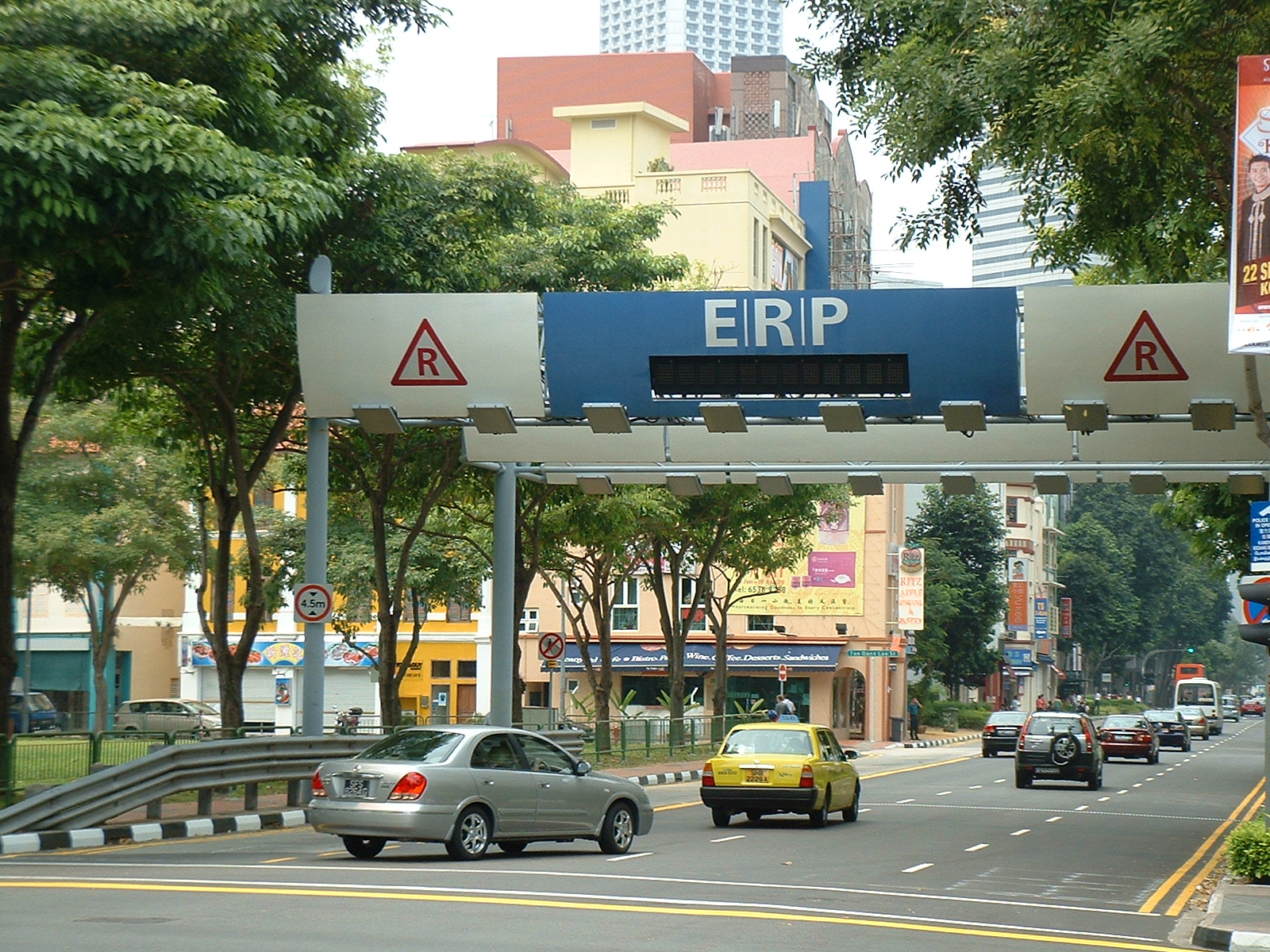
The Fundamental Economics of Congestion Pricing
To understand congestion pricing, one must first understand the concept of “negative externalities.” In a traditional market, the price of a good reflects its cost of production and its demand. However, public roads have historically been treated as “free” or fixed-cost assets, leading to what economists call the “Tragedy of the Commons.” When a driver enters a crowded highway, they do not pay for the delay they cause to every other driver behind them.
Supply, Demand, and the Scarcity of Space
Congestion pricing applies the basic economic principle of supply and demand to urban infrastructure. The supply of road space is finite and expensive to expand. When demand exceeds supply, the “price” of the road—in the absence of a toll—is paid in time rather than currency. Congestion pricing converts that wasted time into liquid capital. By placing a price on peak-hour access, cities can dampen demand enough to ensure that the remaining “buyers” of the road space can move efficiently.
Internalizing External Costs
From a business finance perspective, congestion pricing is a method of internalizing costs. Every minute a delivery truck sits in traffic represents lost wages, wasted fuel, and depreciated assets. By charging a fee to enter a high-traffic zone, the municipality is essentially forcing road users to pay for the “external” costs they impose on the environment and the economy. For the business owner, this shifts the financial burden from an invisible, unmanageable loss (traffic delays) to a visible, predictable line item (tolling fees).
The Personal Finance Impact: Assessing the Cost of Commuting
For the individual professional, congestion pricing represents a significant shift in the monthly budget. While the primary goal of these programs is to reduce traffic, the secondary reality is a restructuring of how commuters allocate their income toward transportation.
Calculating the Monthly Financial Burden
When a city introduces a “Central Business District Tolling Program,” the daily cost can range from $10 to $25 per entry. For a five-day-a-week commuter, this adds up to $200 to $500 per month, or potentially over $6,000 per year. This is not a negligible sum; it is equivalent to a significant car payment or a substantial contribution to a retirement account.
Individuals living on the outskirts of major hubs must now perform a “Time vs. Money” audit. If a $15 toll saves 40 minutes of commuting time, the “break-even” point depends on the individual’s hourly earning power. For a high-earning professional, the $15 is a bargain for 40 minutes of reclaimed time. For a lower-wage worker, however, the toll acts as a regressive tax, necessitating a shift toward subsidized public transit or off-peak travel.
Tax Credits, Deductions, and Employer Offsets
As congestion pricing becomes more common, we are seeing a rise in “commuter finance” strategies. Many forward-thinking companies are now offering “Commuter Benefits Packages” as part of their personal branding and retention strategies. These may include pre-tax deductions for tolls or increased subsidies for transit passes to offset the new costs of entering the city. From a personal finance standpoint, savvy commuters must leverage these tax-advantaged accounts to ensure that their net take-home pay isn’t eroded by new urban tolls.
Macro-Level Business Finance and Urban Revenue Models

Beyond the individual, congestion pricing is a massive revenue-generating engine for municipal governments. It represents a pivot away from broad-based taxes (like income or property tax) toward “user-pays” models.
Infrastructure Reinvestment and Bond Rating Stability
Where does the money go? In most jurisdictions, the revenue from congestion pricing is legally mandated to fund public transportation improvements. For example, New York’s program was designed to secure billions of dollars in bonding capacity for the Metropolitan Transportation Authority (MTA).
By creating a dedicated, predictable stream of income, cities can issue “Revenue Bonds” with high credit ratings. This allows them to borrow capital at lower interest rates to fund massive infrastructure projects like subway expansions and bridge repairs. For the institutional investor, congestion pricing revenue streams represent a stable, long-term asset class within the municipal bond market.
The “Triple Bottom Line” of Municipal Budgets
Modern city finance is increasingly focused on the “Triple Bottom Line”: People, Planet, and Profit. Congestion pricing hits all three:
-
Profit (Revenue): Direct income from tolls.
-
People (Productivity): Faster travel times lead to higher economic output per hour.
-
Planet (Environment): Reduced emissions can lower long-term public health costs, which are a major drain on municipal and state budgets.
By reducing the number of cars on the road, cities can theoretically lower their long-term expenditures on healthcare and road maintenance, creating a more sustainable fiscal future.
Investment Opportunities and the Future of Mobility Finance
The implementation of congestion pricing is acting as a catalyst for a new sector of the economy: Mobility Finance. As the cost of driving rises, capital is flowing into alternative solutions, creating a ripple effect across the investment landscape.
Public-Private Partnerships (PPPs) in Tolling Technology
The hardware and software required to run a congestion pricing zone—AI-powered cameras, RFID readers, and high-speed billing systems—are often managed by private corporations through Public-Private Partnerships. Companies specializing in “Smart City” infrastructure have seen increased valuations as more municipalities look to outsource the complex financial tracking and enforcement of these zones. For investors, this represents a niche but growing sector within the broader technology and industrial finance space.
The Rise of Mobility-as-a-Service (MaaS)
As the personal cost of car ownership increases due to congestion fees, we are seeing a shift toward “Mobility-as-a-Service” (MaaS). This is a financial model where users pay for transportation on a subscription or per-trip basis rather than owning the asset (the car) themselves.
Investment in ride-sharing, micro-mobility (e-bikes/scooters), and autonomous fleet management is accelerating in “priced” cities. Venture capital is flowing into platforms that can integrate tolling costs directly into user apps, allowing for seamless financial transactions across different modes of transport. This shift from “Capital Expenditure” (buying a car) to “Operating Expenditure” (paying for a ride) is fundamentally changing the way urban dwellers interact with their wealth.

Conclusion: Navigating the New Financial Map
Congestion pricing is far more than a traffic management strategy; it is a profound economic restructuring of the urban environment. It forces a quantification of the value of time and the cost of space.
For the individual, it requires a new approach to personal budgeting and a critical look at the “hidden” costs of commuting. For the business, it necessitates a recalibration of logistics costs and employee compensation packages. For the city and the investor, it provides a robust, predictable revenue stream that can stabilize municipal debt and fund the next generation of infrastructure.
As we move toward a more congested world, the “price of the road” will likely become as standard a financial metric as the price of a gallon of gas or a kilowatt-hour of electricity. Understanding what congestion pricing means is the first step in mastering the financial realities of the 21st-century city.
aViewFromTheCave is a participant in the Amazon Services LLC Associates Program, an affiliate advertising program designed to provide a means for sites to earn advertising fees by advertising and linking to Amazon.com. Amazon, the Amazon logo, AmazonSupply, and the AmazonSupply logo are trademarks of Amazon.com, Inc. or its affiliates. As an Amazon Associate we earn affiliate commissions from qualifying purchases.