
For decades, the conversation surrounding reproductive technology has been disproportionately centered on female-oriented solutions. From the advent of the oral contraceptive pill in the 1960s to modern intrauterine devices (IUDs), the “tech stack” of birth control has been a predominantly female domain. However, a seismic shift is occurring in the medical technology (MedTech) and biotechnology sectors. When we ask, “What does birth control do to men?” today, we are no longer just talking about latex barriers or permanent surgical procedures like vasectomies. We are discussing a sophisticated frontier of biotechnological engineering, AI-driven drug discovery, and digital health monitoring.
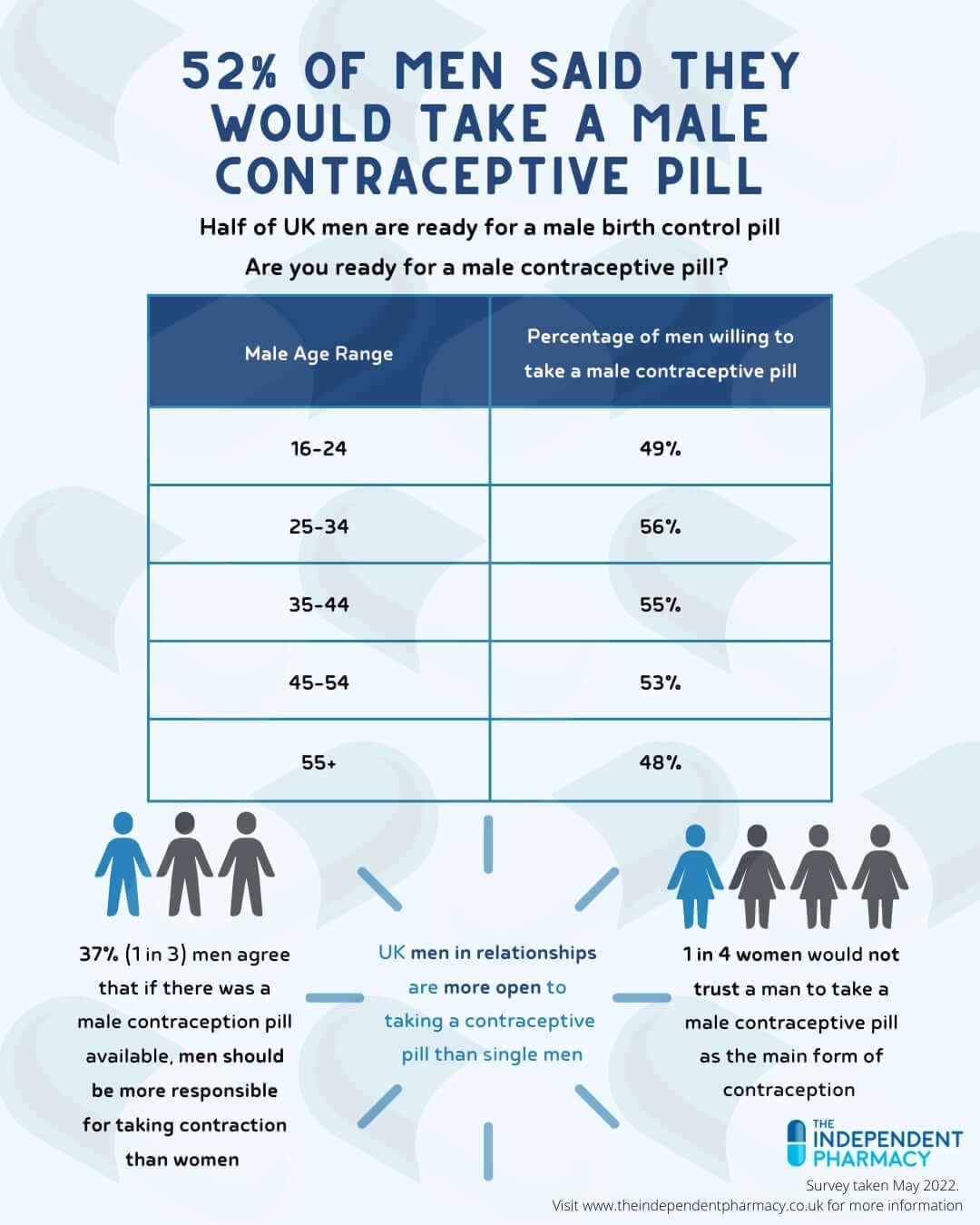
The emergence of male-focused reproductive technology is not merely a social evolution; it is a technological one. By leveraging advancements in material science, nanotechnology, and data analytics, developers are creating solutions that redefine male reproductive health. This article explores the technical mechanisms, the digital ecosystems, and the software-driven innovations currently redefining what birth control does for—and to—men.
The Evolution of Male Reproductive Tech: Beyond the Barrier Method
Traditional male contraception has been technologically stagnant for nearly a century. The condom and the vasectomy represented the ceiling of male reproductive options. However, the modern Tech sector is breaking this ceiling through material science and bio-engineering. The goal is to create “reversible, long-acting male contraceptives” (LARC) that function with the precision of a software update.
Non-Hormonal Innovations: RISUG and Vasalgel
One of the most promising technological leaps in this niche is the development of polymer-based hydrogels, such as RISUG (Reversible Inhibition of Sperm Under Guidance) and its Western counterpart, Vasalgel. These are not “pills” in the traditional sense but are more akin to biological hardware.
The technology involves injecting a non-toxic polymer gel into the vas deferens. This polymer acts as a sophisticated filter. From a technical perspective, the gel carries a positive charge that disrupts the negatively charged membranes of sperm cells as they pass through, rendering them incapable of fertilization. This is a “set-and-forget” technology that mimics the reliability of an IUD but for the male anatomy. The “tech” here lies in the reversibility; a second injection of a solvent can dissolve the polymer, effectively “rebooting” the user’s fertility.
High-Tech Reversibility: The Role of MedTech Engineering
The engineering challenge in male birth control has always been the sheer volume of production—men produce roughly 1,500 sperm cells per second. Unlike female contraception, which focuses on preventing the release of a single egg, male tech must manage a high-throughput biological system. New ultrasound-based devices are being trialed that use high-frequency sound waves to temporarily “pause” sperm production in the testes. This approach treats reproductive management as a frequency-based biological intervention, showcasing how physical tech can interface with human biology without the need for systemic hormonal changes.
Smart Health: Digital Tools and Wearables for Male Fertility Management
As the hardware of male contraception evolves, so does the software. The “Quantified Self” movement has arrived in the male reproductive space. Digital health platforms and wearables are now being integrated to help men monitor the efficacy of their contraceptive choices and their overall reproductive health.
AI-Driven Sperm Analytics and App Integration
The advent of smartphone-connected microscopy has turned the mobile device into a portable laboratory. For men using new contraceptive technologies, “what birth control does” is now verifiable via an app. Startups in the FemTech and MaleTech space have developed AI-driven algorithms that can analyze sperm concentration and motility through a simple smartphone attachment.
These apps use machine learning to identify patterns in sperm movement that the human eye might miss. For a man on a experimental contraceptive trial, this provides a real-time data loop. Instead of wondering if a procedure was successful, he can sync his data to a cloud-based health platform, receiving a “green light” or “red light” status on his contraceptive efficacy. This integration of computer vision and biological monitoring is a hallmark of the new era of male reproductive tech.

Biofeedback Sensors: Monitoring Hormonal Flux in Real-Time
While many new male contraceptives aim to be non-hormonal, some hormonal gels are still in advanced clinical trials. To manage the side effects—which historically stymied male pill development—tech companies are developing wearable sensors that monitor testosterone levels and metabolic markers in real-time. By connecting these wearables to an API, users can receive personalized notifications about their hormonal health, allowing for precision dosing. This “Smart Dosing” approach utilizes data analytics to ensure that the birth control does exactly what it is supposed to do with minimal systemic disruption.
The Role of AI and Machine Learning in Drug Discovery for Men
The reason we haven’t had a “male pill” for sixty years is partly due to the immense complexity of identifying compounds that can stop sperm without causing significant side effects. This is where AI and high-performance computing (HPC) are changing the game.
Accelerating the Pipeline: Virtual Screening for Protein Inhibitors
Pharmaceutical tech companies are now using AI to conduct virtual screenings of millions of chemical compounds. Instead of years of manual “wet lab” testing, machine learning models can predict how a specific molecule will interact with the proteins essential for sperm motility (such as the CatSper ion channel).
By simulating these interactions in a virtual environment, researchers can identify “lead compounds” that are highly specific to sperm cells. This specificity is crucial; it ensures that the birth control “does” something very narrow—stopping sperm—without interfering with other bodily functions like muscle mass or mood. AI is effectively acting as a digital filter, weeding out toxic or ineffective candidates long before they reach human trials.
Data Security and Privacy in Reproductive Tech
With the rise of apps and digital monitoring for male birth control, digital security has become a paramount concern. Male reproductive data is highly sensitive. The tech infrastructure behind these new tools must utilize end-to-end encryption and decentralized data storage (often leveraging blockchain technology) to ensure user privacy. As men increasingly use digital tools to manage their contraception, the tech sector must address the “Digital Security” aspect of what birth control does to their data footprint.
The Future Landscape: Telemedicine and the Democratization of Access
The final piece of the technological puzzle is how these innovations reach the end-user. The “Digital Transformation” of healthcare—specifically through telemedicine—is reshaping the delivery of male reproductive health services.
Direct-to-Consumer Tech Platforms
We are seeing the rise of specialized telehealth platforms that focus exclusively on male health. These platforms integrate the entire lifecycle of male contraception: from the initial consultation via a secure video link to the delivery of smart-testing kits and the management of prescription-based birth control.
This tech-enabled ecosystem lowers the barrier to entry. Men who may have been hesitant to discuss reproductive health in a traditional clinical setting are now engaging with sleek, user-friendly interfaces. These platforms use automated chatbots for FAQ and follow-ups, ensuring that the user understands precisely what the birth control is doing to his body at every stage of the process.

Impact on the Global Healthcare Ecosystem
On a broader scale, the integration of male birth control into the global health-tech infrastructure has the potential to stabilize economic and social systems. From a “Tech Trend” perspective, the ability to provide scalable, reversible, and digitally-monitored contraception to men worldwide is a significant milestone. It represents the transition of reproductive health from a manual, analog process to a precise, data-driven science.
In conclusion, when we examine what birth control does to men in the 21st century, the answer is found in the intersection of biology and technology. It is no longer just about a pill; it is about a sophisticated array of polymers, AI-driven insights, and digital monitoring tools. The tech sector is finally providing men with the tools to take an active, data-informed role in reproductive responsibility, creating a more balanced and technologically advanced future for global health.
aViewFromTheCave is a participant in the Amazon Services LLC Associates Program, an affiliate advertising program designed to provide a means for sites to earn advertising fees by advertising and linking to Amazon.com. Amazon, the Amazon logo, AmazonSupply, and the AmazonSupply logo are trademarks of Amazon.com, Inc. or its affiliates. As an Amazon Associate we earn affiliate commissions from qualifying purchases.