
In an era defined by digital transformation, even the most basic forms of identification are undergoing a high-tech overhaul. When we ask “what does an enhanced driver’s license (EDL) mean,” we are not just discussing a legal document for operating a motor vehicle; we are discussing a sophisticated piece of hardware that bridges the gap between physical identity and digital security. As the Department of Homeland Security (DHS) moves closer to full implementation of the REAL ID Act, the Enhanced Driver’s License has emerged as a premier example of how Radio Frequency Identification (RFID) and biometric standards are being integrated into our daily lives.
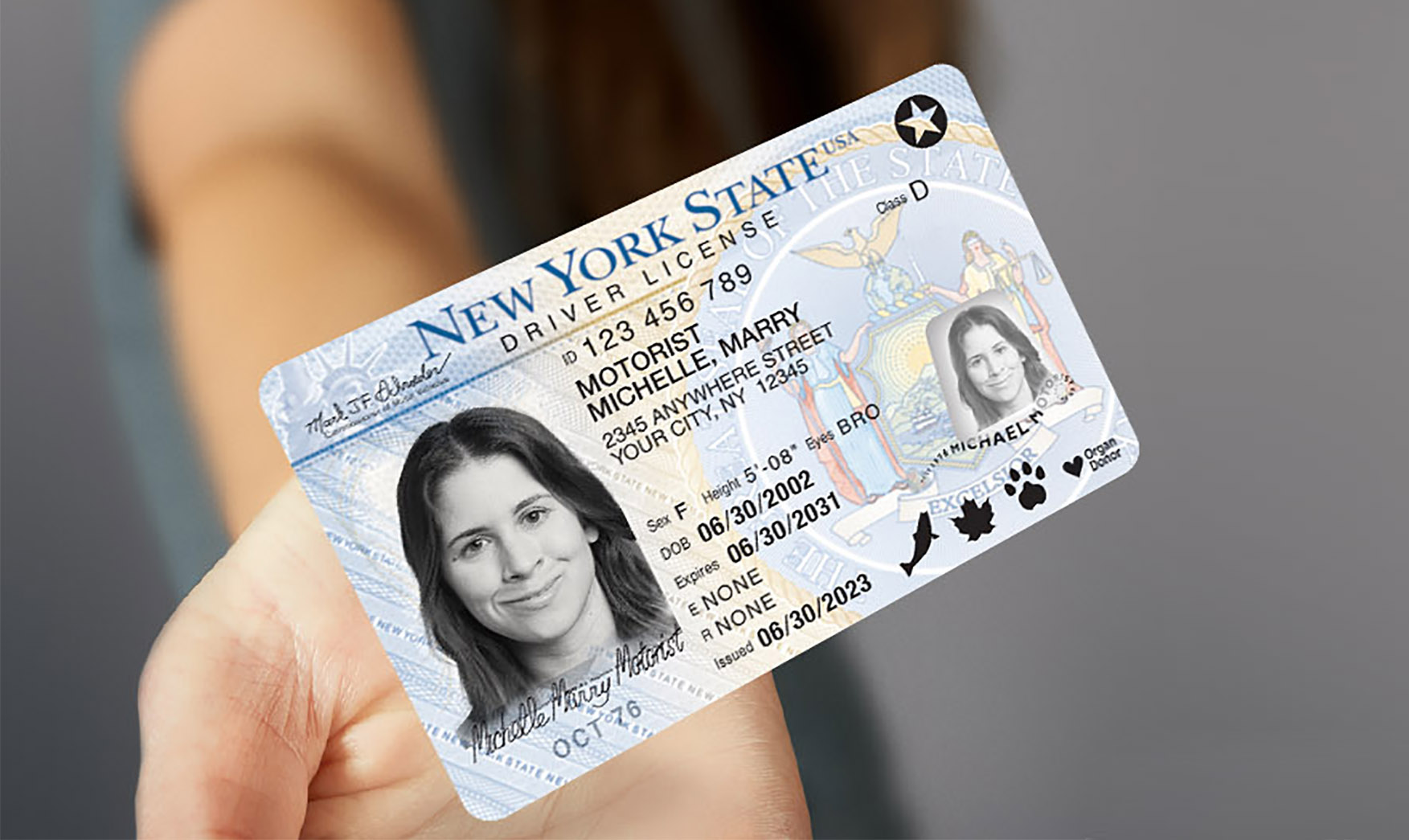
To understand the EDL, one must look past the plastic card and into the layers of technology embedded within it. Unlike a standard license, an EDL serves as a dual-purpose credential: a valid driver’s license and a federally approved border-crossing document. For the tech-savvy citizen, the EDL represents a significant leap in credentialing technology, utilizing advanced encryption, proximity-based data transmission, and machine-readable components to streamline international transit and enhance domestic security.
The Evolution of Identification: From Physical Cards to RFID Hardware
The transition from a standard driver’s license to an Enhanced Driver’s License represents a shift from passive identification to active, tech-integrated hardware. Standard licenses are essentially printed records with basic security features like holograms. In contrast, an EDL is a “smart” document designed to communicate with scanners at a distance.
How Radio Frequency Identification (RFID) Works in EDLs
At the heart of the EDL is a vicinity Radio Frequency Identification (RFID) chip. This is not the same as the “contact” chips found in credit cards (EMV), which require a physical connection or a very close tap. Instead, the EDL uses passive RFID technology. This means the card does not contain a battery; it remains dormant until it is powered by the electromagnetic field generated by an authorized reader at a border crossing or security checkpoint.
When you approach a reader at a U.S. Land or Sea Port of Entry, the RFID chip transmits a unique identification number. It is important to note that the chip does not transmit your name, address, or social security number through the air. Instead, it sends a pointer—a string of digits—that allows the secure Department of Homeland Security (DHS) database to pull up your relevant file as you approach the officer’s booth. This “anticipatory data” technology allows for faster processing and pre-clearance, significantly reducing the hardware-to-human bottleneck at busy border crossings.
The Transition from Standard to Enhanced
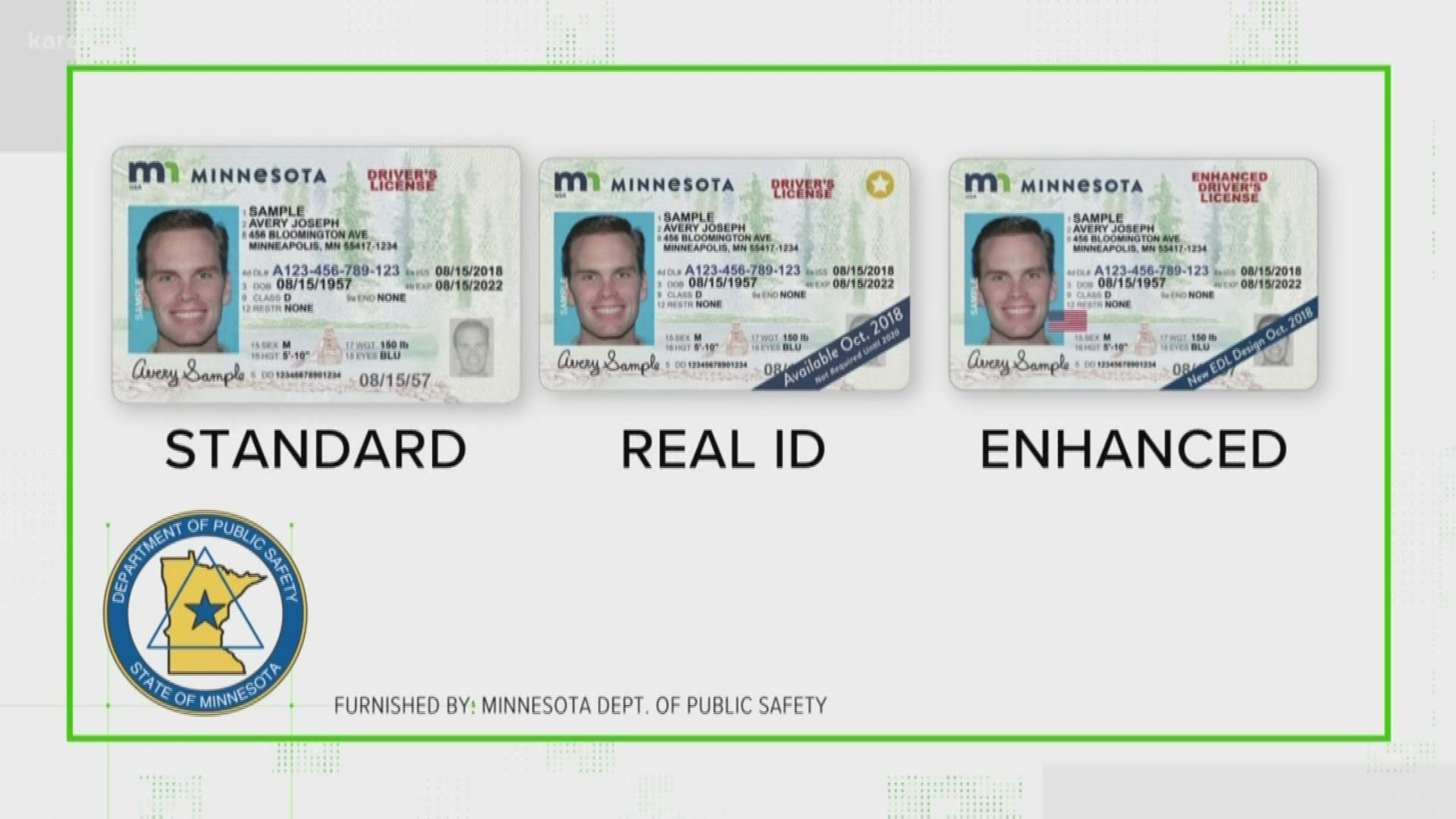
The technological leap from a “REAL ID-compliant” card to an “Enhanced” card lies in the hardware’s range. While both meet the federal standards for domestic air travel, only the EDL contains the vicinity RFID technology required for the Western Hemisphere Travel Initiative (WHTI). From a manufacturing perspective, the EDL requires a more complex layering of polycarbonate materials to protect the internal antenna and chip from physical stress, temperature fluctuations, and electromagnetic interference.
Cybersecurity and Data Privacy in Your Pocket
As with any technology that transmits data wirelessly, the Enhanced Driver’s License raises critical questions regarding cybersecurity and digital privacy. The tech community has long debated the trade-offs between the convenience of RFID and the risk of “skimming”—where an unauthorized actor uses a high-gain antenna to read data from a distance.
Encryption Standards and Machine-Readable Zones (MRZ)
To mitigate security risks, the EDL employs multiple layers of data protection. First, the unique identifier transmitted by the RFID chip is encrypted and meaningless without access to the government’s secure backend network (the Customs and Border Protection system). Even if a malicious actor “sniffed” the transmission, they would receive a code that does not map to any public database.
Furthermore, the back of the card features a Machine-Readable Zone (MRZ). This is the same technology found on passport books. It consists of two or three lines of text that can be read by an optical scanner. This serves as a secondary digital check; the information on the RFID chip must match the information encoded in the MRZ, which in turn must match the physical printing on the card. This “three-factor” verification makes the EDL one of the most difficult documents to counterfeit in the modern era.
Safeguarding Against Identity Theft and Remote Scanning
One of the most interesting “analog” solutions to a high-tech problem is the security sleeve provided with every EDL. This sleeve is lined with a conductive material that creates a Faraday cage. When the card is inside the sleeve, it is shielded from all radio waves, effectively “turning off” the RFID chip. This prevents “skimming” while the card is in a wallet or pocket. From a digital security standpoint, this provides the user with an “air-gapped” physical switch to manage their data privacy, ensuring that the technology only functions when the user intentionally removes it for official use.
The Role of the EDL in the Modern Tech-Integrated Border
The implementation of the Enhanced Driver’s License is part of a broader move toward “Smart Borders.” The goal is to integrate IoT (Internet of Things) infrastructure with traditional law enforcement to create a seamless flow of vetted individuals.
Facilitating Biometric Verification
While the EDL itself may not always store biometric data (like a fingerprint or iris scan) directly on the chip, it acts as the digital key that unlocks biometric records in the cloud. When a traveler presents an EDL, the system immediately pulls up the photo and biometric data on file from the issuing state’s DMV and federal databases. This allow for rapid facial recognition matching at checkpoints. The EDL acts as the physical interface for a massive, cloud-based identity management system, demonstrating how localized hardware (the card) interacts with global data networks.
Syncing with Department of Homeland Security (DHS) Infrastructure
The EDL is built on the backend of the Western Hemisphere Travel Initiative (WHTI). This system requires a high level of interoperability between state-level IT systems and federal security networks. For an EDL to work, a state’s DMV database must be able to communicate securely with the DHS “Technical Architecture.” This involves high-speed dedicated lines and advanced API (Application Programming Interface) integrations that ensure data is updated in real-time. If a license is revoked at the state level, that information is pushed to the federal border-crossing system almost instantly, showcasing a sophisticated example of inter-agency data synchronization.
Future Trends: Mobile Driver’s Licenses (mDL) and Digital Wallets
As we look toward the future of the Enhanced Driver’s License, the physical card may eventually become a backup to the “Mobile Driver’s License” (mDL). The tech world is currently in the midst of a transition where identification is moving into the secure enclaves of smartphones.
Integrating Identification into Smartphone Ecosystems
Tech giants like Apple and Google have already begun working with states to integrate driver’s licenses into their digital wallets. These mDLs use ISO 18013-5 standards, which rely on Near Field Communication (NFC) and Bluetooth Low Energy (BLE) to transmit data. Unlike the “passive” RFID in a physical EDL, an mDL on a smartphone allows for “selective disclosure.”
In a digital future, if you need to prove you are over 21, the mDL technology allows your phone to transmit only your age—not your address or full name—to the receiver. This represents the next evolution of the EDL: moving from a static hardware chip to a dynamic, software-controlled identity profile that provides even greater privacy and security.
The Intersection of Blockchain and Digital ID
There is also increasing discussion regarding the use of decentralized identifiers (DIDs) and blockchain technology in the realm of enhanced identification. By using a distributed ledger, a state could issue an “enhanced” credential that is cryptographically signed and verifiable without the need for a centralized database to be queried every time. This would provide a “trustless” layer of security, where the integrity of the license is guaranteed by mathematics and cryptography rather than just a physical chip.

Conclusion
So, what does an enhanced driver’s license mean? In the context of modern technology, it means we are carrying a sophisticated node of a global security network in our pockets. It is a fusion of RFID hardware, advanced encryption, and inter-agency data integration.
The EDL is a precursor to a fully digitized society where our physical credentials are as smart as the devices we use to navigate the world. By understanding the RFID mechanics, the cybersecurity protocols, and the future of mobile integration, we can see the EDL for what it truly is: a bridge to a more secure, efficient, and technologically integrated future of human mobility. Whether through a vicinity chip or a digital wallet, the “enhanced” nature of our identification is a testament to the ongoing digital revolution in public infrastructure.
aViewFromTheCave is a participant in the Amazon Services LLC Associates Program, an affiliate advertising program designed to provide a means for sites to earn advertising fees by advertising and linking to Amazon.com. Amazon, the Amazon logo, AmazonSupply, and the AmazonSupply logo are trademarks of Amazon.com, Inc. or its affiliates. As an Amazon Associate we earn affiliate commissions from qualifying purchases.