
In the realm of cybersecurity, nomenclature often mirrors biology. We speak of viruses, infections, hygiene, and most notably, worms. While the title “what does a worm in stool look like” may initially suggest a medical inquiry, in the context of high-level digital forensics and systems administration, it serves as a powerful metaphor for one of the most persistent threats in the tech landscape. In this professional guide, we examine the “stool” of a computer system—its logs, data outputs, and traffic dumps—to identify the visual and structural signatures of a digital worm.

Understanding how to spot these parasites within your data environment is critical for maintaining the integrity of corporate networks and personal hardware. Unlike a standard virus, which requires a host file to execute, a worm is a self-replicating standalone piece of malware. Detecting its presence requires a keen eye for anomalies in the “waste” or output that systems naturally produce.
Understanding the Digital Parasite: Defining the Network Worm
To identify what a worm looks like in your system output, one must first understand the biological behavior of its digital namesake. In tech, a worm is a sub-class of malware that replicates itself to spread to other computers. It uses a computer network to spread itself, relying on security failures on the target computer to access it.
The Anatomy of a Worm vs. Traditional Malware
Traditional malware often sits dormant until a user executes a specific program. In contrast, a digital worm is an active, autonomous agent. When looking at system data, a worm doesn’t look like a broken file; it looks like a functioning, albeit unauthorized, process. It contains a “payload”—the malicious part of the code—and a “propagation engine.” In your system logs, this appears as repetitive, automated attempts to communicate with external IP addresses or internal nodes.
How Worms Propagate Without Human Intervention
The defining characteristic of a worm is its ability to move. In the “output” of a network router, a worm looks like a sudden, inexplicable spike in traffic. Because it does not need a human to click a link to spread, the “visual” evidence in your tech stack is often a pattern of “scanning.” The worm is looking for its next victim, sending out small packets of data to thousands of ports to see which ones are open.
Decoding the “Stool”: Analyzing System Logs and Data Dumps
In medical diagnostics, a stool sample provides a snapshot of an organism’s internal health. In technology, the equivalent is the system log (syslog), the event viewer, or the packet capture (PCAP) file. These outputs represent the “byproducts” of a system’s daily operations. When a system is “infected,” the evidence is hidden within these voluminous records.
Why Logs Are the Diagnostic Sample of Tech Health
Every action a computer takes leaves a footprint. If a worm is active, it must use system resources. Therefore, the first place to look for a “worm in the stool” is in the CPU and Memory logs. A system that is normally idling at 5% but is suddenly spiked at 90% without an active user application is showing the first symptoms of a parasite. The “waste” here is the wasted clock cycles and leaked memory.
Key Indicators of Infection in Binary and Text Outputs
When you delve deeper into the text-based logs of a server, a worm often manifests as a series of “404” or “Connection Refused” errors. This occurs because the worm is blindly probing for vulnerabilities. If you see thousands of failed login attempts or requests for obscure directory paths (like /admin/config.php or /.env) occurring within milliseconds of each other, you are looking at the digital excrement of a worm. It is the residue of a machine trying to find a way to replicate itself.
Visualizing the Infection: What to Look For
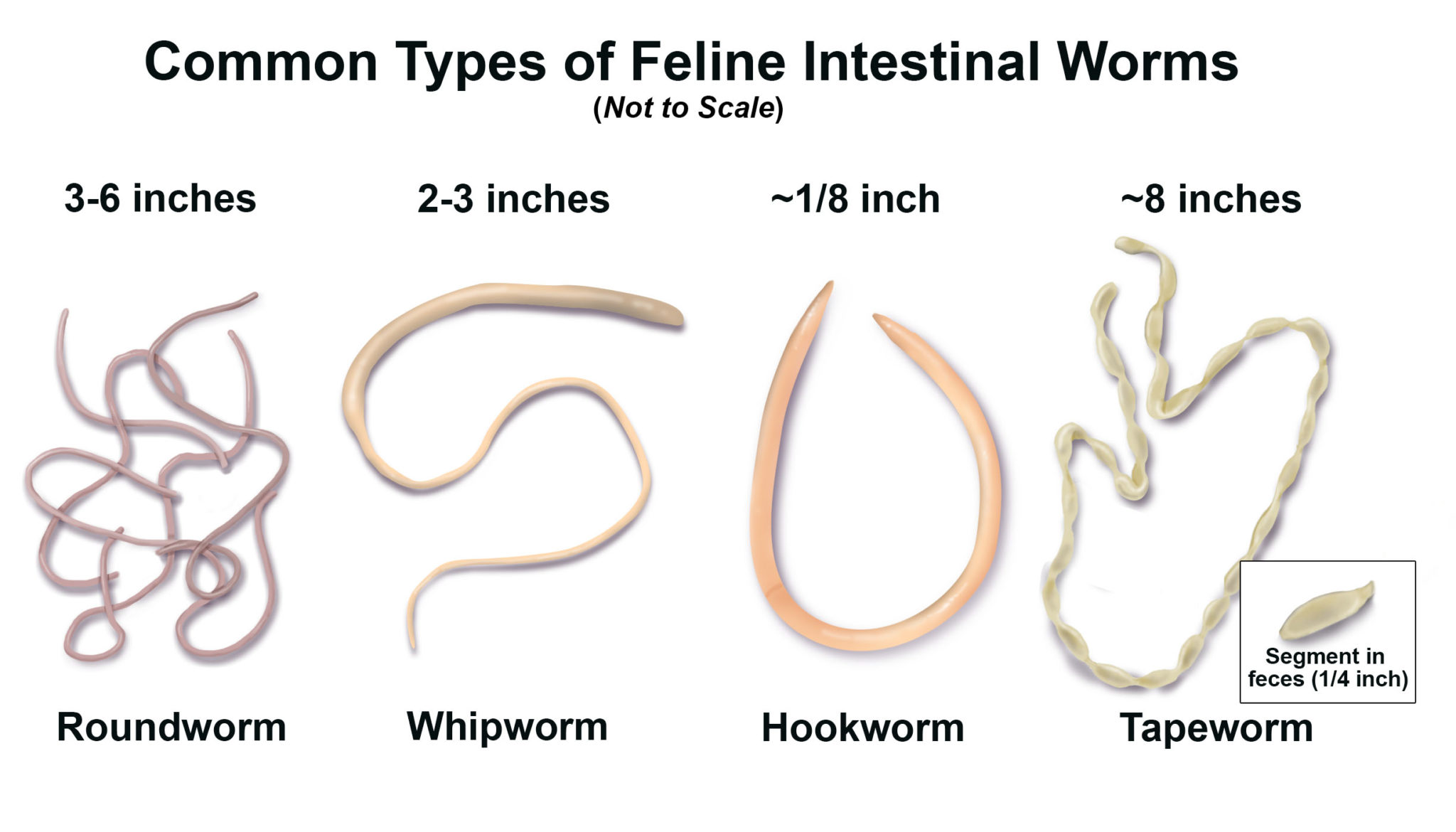
If you were to open a packet analyzer like Wireshark, “what a worm looks like” becomes much more literal. It isn’t a physical creature, but a visual pattern of data packets that defies the logic of standard user behavior.
Anomalous Traffic Patterns and Buffer Overflows
One of the most common ways a worm enters a system is through a buffer overflow vulnerability. In your data stream, this looks like a “malformed packet.” Usually, a packet has a predictable size and structure. A worm-carrying packet often looks bloated or contains “NOP sleds” (a series of No-Operation instructions) designed to slide the malicious code into the system’s execution memory. In a hex editor, this looks like a long string of 90 90 90 90, a clear visual red flag of a digital parasite attempting to take hold.
Recurring Script Signatures and Obfuscated Payloads
Once inside, a worm needs to stay hidden. To the untrained eye, the code might look like gibberish. This is “obfuscation.” Developers of digital worms use Base64 encoding or XOR encryption to make their code look like random noise in the logs. However, the “look” of a worm is often revealed by its repetition. If you see the same 256-character string appearing across multiple different log files or system directories, you are likely looking at the signature of a self-replicating entity.
Diagnostic Tools and Removal Procedures
Identifying the worm is only half the battle. Once you have seen the “worm in the stool” (the signature in the logs), you must use specialized tech tools to extract the parasite and repair the damage.
Utilizing SIEM for Real-Time Detection
Security Information and Event Management (SIEM) tools act as the “microscope” for your digital samples. Tools like Splunk, LogRhythm, or the ELK Stack (Elasticsearch, Logstash, Kibana) allow tech professionals to visualize data. Instead of reading lines of text, you see graphs. A worm in this context looks like a “long tail” graph—a sudden, sustained increase in outgoing requests that doesn’t subside. SIEM tools can be configured to alert administrators the moment a “worm-like” pattern emerges, allowing for quarantine before the infection spreads to the entire network “body.”
Remediation: Sanitizing the Environment and Patching Vulnerabilities
Once the worm is identified, the remediation process involves more than just deleting a file. Because worms exploit specific vulnerabilities (like the famous EternalBlue exploit used by the WannaCry worm), you must “vaccinate” the system by applying software patches. In the system output, a successful “cure” looks like a return to baseline traffic levels and the cessation of unauthorized outbound connections. You must also clear the “temporary” directories where worms often hide their eggs (replicated scripts).
Future-Proofing the System: Building Immunity Against Self-Replicating Code
The evolution of technology means that worms are becoming more sophisticated, often using AI to change their own code to avoid detection. This is known as polymorphic or metamorphic code. In this scenario, “what a worm looks like” changes every time it replicates.
To combat this, modern tech infrastructure relies on “Zero Trust” architecture. This treats every data packet as a potential parasite. By implementing strict micro-segmentation, you essentially create “firewalls” within the system, ensuring that even if a worm is detected in one part of the “stool,” it cannot migrate to other parts of the enterprise.
Furthermore, the use of EDR (Endpoint Detection and Response) tools has revolutionized how we view these digital organisms. EDR uses behavioral analysis rather than simple signature matching. It doesn’t look for what the worm looks like; it looks at what the worm does. If a process starts encrypting files or scanning the local network, the EDR “immune system” attacks it immediately.
In conclusion, while the phrase “what does a worm in stool look like” might lead one to think of biology, in the professional tech world, it is the ultimate question of digital forensics. A worm in your data output looks like a breach of logic—it is a pattern of replication, a signature of unauthorized intent, and a visible disruption in the steady state of a healthy system. By monitoring your logs with the same diligence a doctor monitors a patient, you can ensure your digital environment remains clean, efficient, and secure.
aViewFromTheCave is a participant in the Amazon Services LLC Associates Program, an affiliate advertising program designed to provide a means for sites to earn advertising fees by advertising and linking to Amazon.com. Amazon, the Amazon logo, AmazonSupply, and the AmazonSupply logo are trademarks of Amazon.com, Inc. or its affiliates. As an Amazon Associate we earn affiliate commissions from qualifying purchases.