
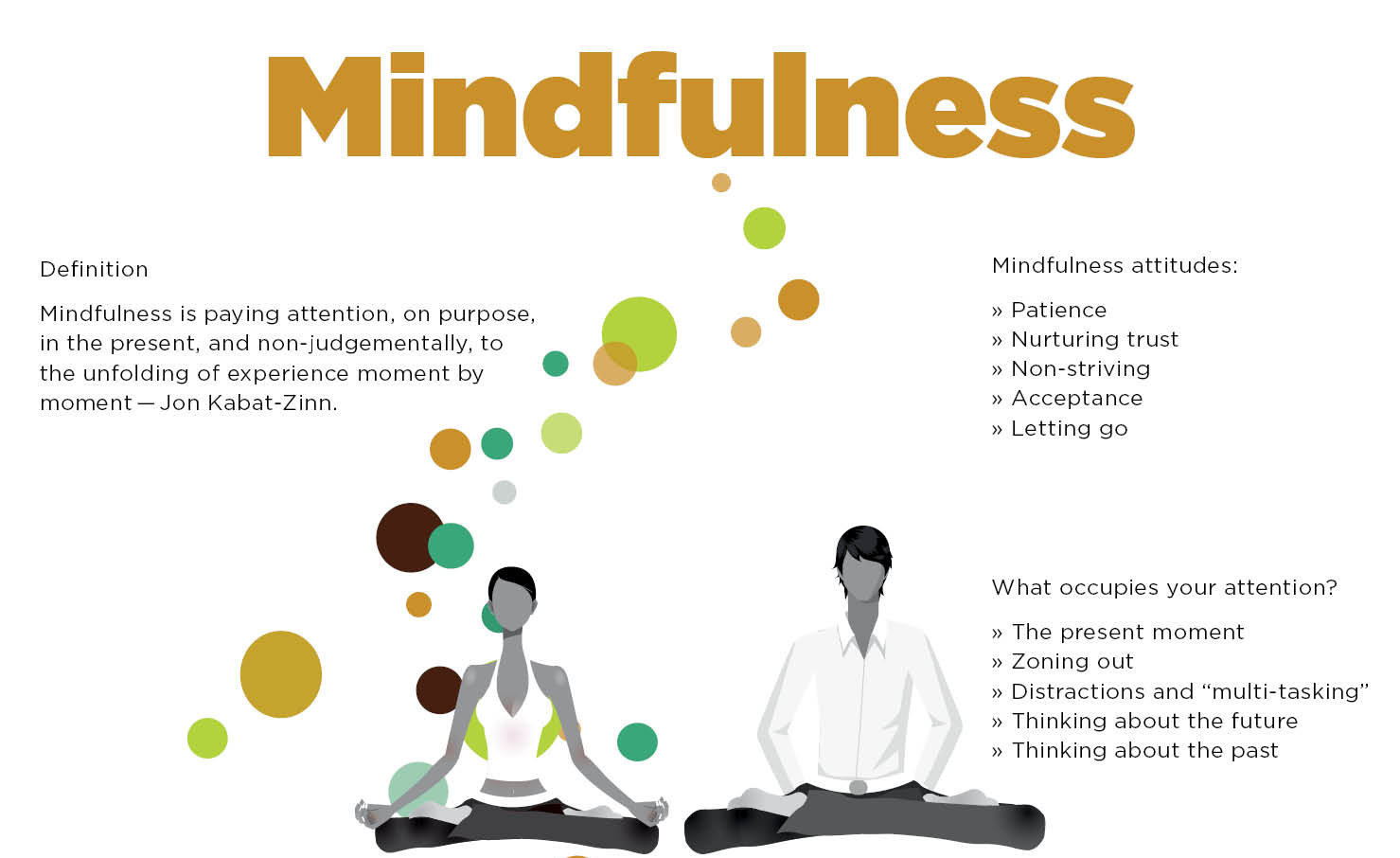
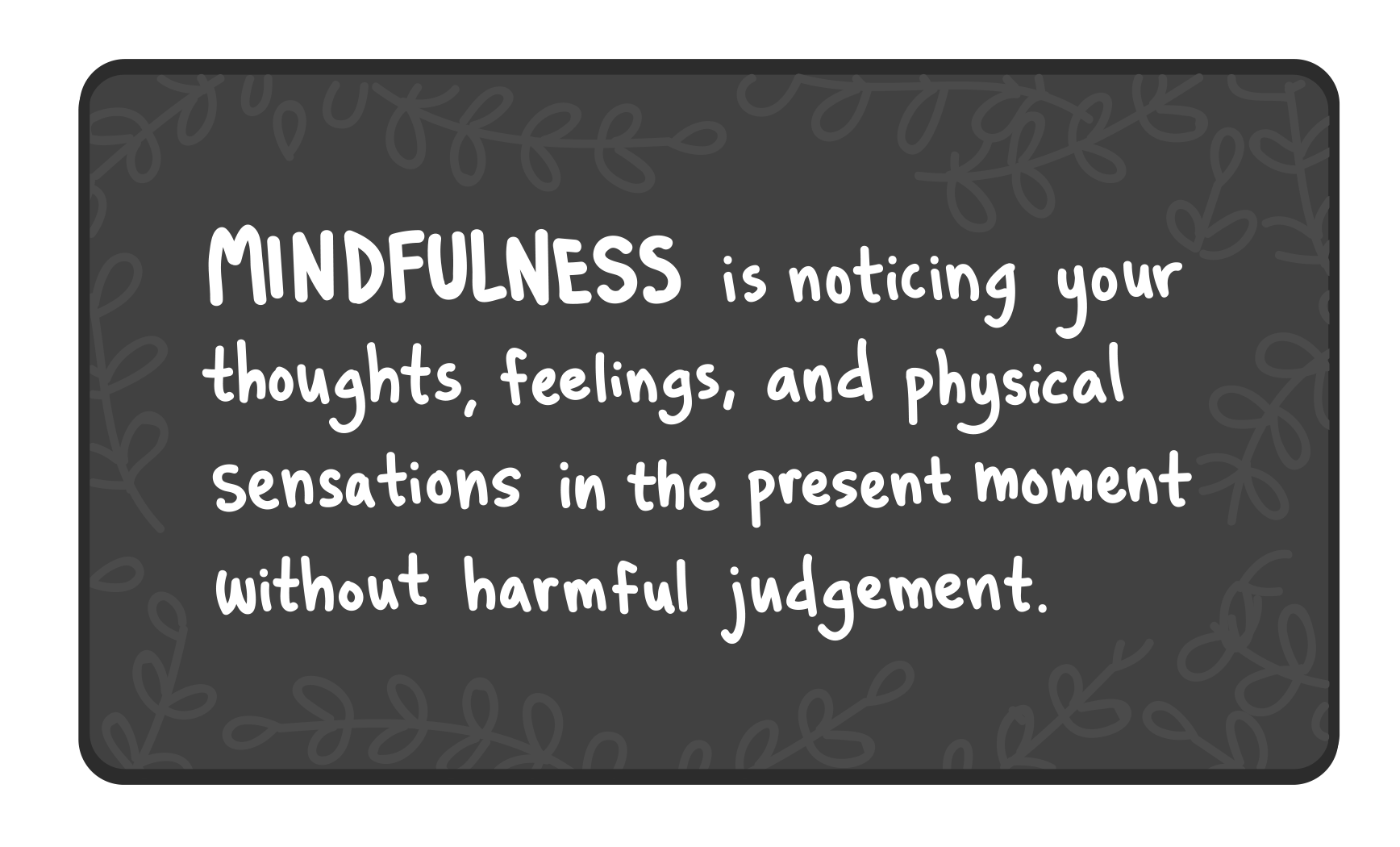
In the contemporary landscape of rapid technological evolution, the term “mindful” has migrated from the meditation cushion to the Silicon Valley boardroom. Traditionally, mindfulness refers to the psychological process of purposely bringing one’s attention to experiences occurring in the present moment without judgment. However, when we ask what “mindful” means in the context of technology, the definition expands into a critical framework for how we interact with software, hardware, and the digital ecosystems that define modern life.
In the tech sector, mindfulness is no longer a fringe wellness concept; it is a design philosophy, a cybersecurity strategy, and a blueprint for the next generation of Artificial Intelligence. It represents a pivot away from the “attention economy”—which sought to maximize user time-on-site through addictive loops—toward “Humane Technology,” which respects the cognitive limits and well-being of the user.
The Evolution of Mindful Tech: From Attention Economy to Intentional Design
For the past decade, the tech industry operated on a “growth at all costs” model. Metrics like Daily Active Users (DAU) and average session length were the primary indicators of success. This led to the development of “dark patterns”—UI/UX designs intended to trick users into doing things they didn’t intend to do, such as endless scrolling or intrusive notifications. To be mindful in this context means to recognize these patterns and demand a shift toward intentionality.
Defining “Digital Mindfulness”
Digital mindfulness is the practice of maintaining a conscious awareness of our digital environment. It involves understanding how software influences our dopamine levels and making deliberate choices about which tools we allow into our lives. A mindful approach to technology asks: Does this app serve my purpose, or am I serving its algorithm? It is the difference between mindlessly checking a smartphone upon waking and using a specific tool to achieve a defined goal.
Why Tech Companies are Prioritizing Mindful Design
Leading technology firms are beginning to realize that user burnout is bad for business. Apple’s “Screen Time,” Google’s “Digital Wellbeing” dashboard, and Android’s “Focus Mode” are direct results of this realization. Mindful design focuses on “Time Well Spent,” a movement spearheaded by former Google ethicist Tristan Harris. By creating interfaces that are clean, reducing unnecessary pings, and providing users with transparency regarding their data, tech companies are attempting to build long-term trust rather than short-term addiction.
Mindful Productivity: Using AI and Software as Tools, Not Distractions
The surge in Generative AI and automation tools has fundamentally changed the definition of productivity. However, without a mindful approach, these tools can contribute to “information overload,” leaving users feeling more overwhelmed than before. Mindful productivity is the art of using high-tech tools to reduce cognitive load rather than adding to it.
The Rise of Focus Mode and Minimalist UI
Software developers are increasingly adopting minimalist User Interfaces (UI) to foster a more mindful user experience. Applications like Obsidian, Notion, and Forest are designed to minimize distractions and keep the user in a “flow state.” Features such as “Zen Mode” in code editors or “Distraction-Free” writing modes in word processors are tech-driven solutions to the problem of digital fragmentation. These tools allow users to reclaim their focus by silencing the noise of the broader internet.
Leveraging AI to Reduce Cognitive Load
Artificial Intelligence, when used mindfully, acts as a “second brain.” Rather than using AI to generate endless streams of content, mindful tech users leverage AI to summarize complex information, organize schedules, and automate mundane tasks. The goal is to offload the “busy work” to the machine so the human can focus on high-level creative and strategic thinking. This is the essence of mindful AI integration: using the tool to enhance human capability, not to replace human presence.
Mindful Security: A Conscious Approach to Data and Privacy
In the realm of digital security, being mindful is the first and most effective line of defense. Most cybersecurity breaches are not the result of sophisticated “brute force” attacks but of human error—split-second lapses in judgment often caused by digital fatigue. Mindful security is the practice of bringing presence and skepticism to our digital interactions.
Cultivating “Zero-Trust” Mindfulness
The “Zero-Trust” model is a security framework that requires all users to be authenticated and authorized before being granted access to applications and data. On a personal level, mindful security means adopting a “Zero-Trust” mindset. This involves being consciously aware of the links we click, the permissions we grant to mobile apps, and the strength of our authentication methods. Instead of rushing through security prompts, a mindful user pauses to evaluate the legitimacy of a request, effectively neutralizing phishing attempts through sheer awareness.
The Ethical Responsibility of the Modern User
What does mindful mean regarding our digital footprint? It means being aware that every interaction leaves a trace. A mindful tech user understands the trade-offs between convenience and privacy. They use VPNs, encrypted messaging apps like Signal, and privacy-focused search engines not out of paranoia, but as a deliberate act of digital hygiene. This consciousness extends to “Data Sovereignty”—taking ownership of one’s personal information and being selective about which tech giants are granted access to it.
The Future of Tech: Integrating Mindfulness into the Metaverse and Wearables
As we move toward more immersive technologies like Augmented Reality (AR), Virtual Reality (VR), and the “Metaverse,” the need for a mindful framework becomes even more urgent. These technologies have the potential to further blur the line between the physical and digital worlds, making “unplugging” nearly impossible.
Humane Technology and the “Time Well Spent” Movement
The future of tech trends lies in “Calm Technology.” This concept, first introduced by researchers at Xerox PARC, suggests that technology should stay in the periphery of our attention until it is needed. Future gadgets will likely focus on haptic feedback and ambient displays rather than intrusive screens. A mindful smartwatch, for example, wouldn’t vibrate for every email; it would use biometric sensors to detect if you are in a high-stress meeting and silence all but the most urgent notifications.
Wearables and the Biometric Feedback Loop
Wearable tech is perhaps the best example of mindfulness being “baked into” hardware. Devices like the Oura Ring or Whoop strap provide users with data on their sleep, heart rate variability, and stress levels. This creates a biofeedback loop that encourages the user to be more mindful of their physical state. By looking at a dashboard of their own biological data, users can make tech-informed decisions to rest, meditate, or exercise. This is the ultimate synthesis of tech and mindfulness: using data to reconnect with the physical self.

Conclusion: Building a Balanced Digital Ecosystem
To ask “what do mindful mean” in the world of technology is to ask how we can remain human in an increasingly automated world. It is a call to action for both developers and users. For developers, it means building tools that empower rather than exploit. For users, it means developing a disciplined, conscious relationship with the devices in their pockets.
Ultimately, mindfulness in tech is about reclaiming agency. It is about moving from a state of reactive consumption—where we are at the mercy of every notification and algorithm—to a state of proactive engagement. By applying the principles of mindfulness to our digital lives, we ensure that technology remains a tool for progress rather than a source of distraction. In the digital age, being mindful is the ultimate “life hack,” allowing us to harness the incredible power of modern technology without losing our sense of presence, privacy, or peace.
aViewFromTheCave is a participant in the Amazon Services LLC Associates Program, an affiliate advertising program designed to provide a means for sites to earn advertising fees by advertising and linking to Amazon.com. Amazon, the Amazon logo, AmazonSupply, and the AmazonSupply logo are trademarks of Amazon.com, Inc. or its affiliates. As an Amazon Associate we earn affiliate commissions from qualifying purchases.