
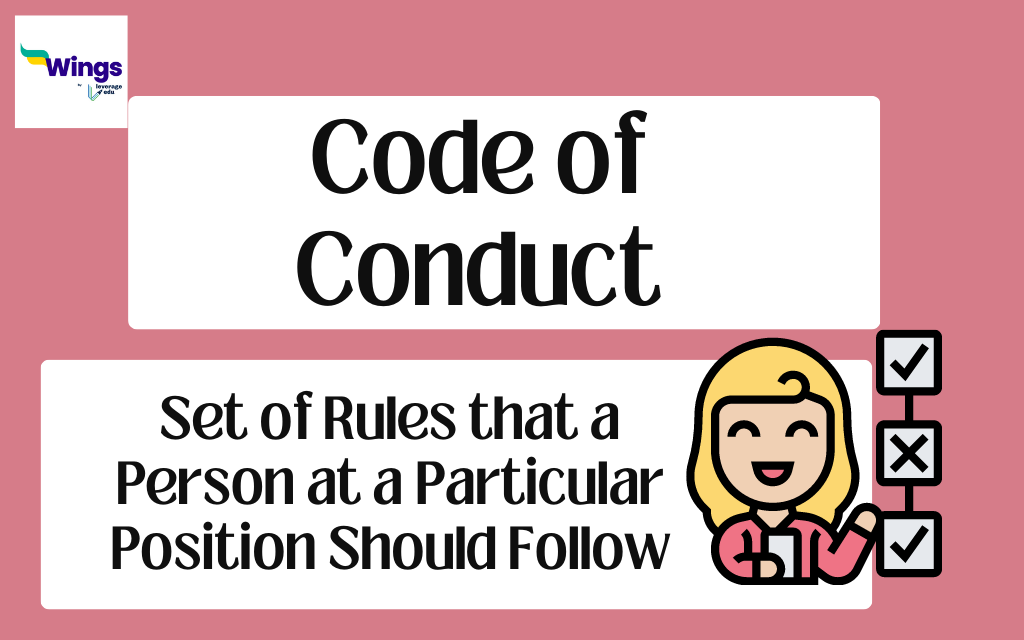
In the traditional landscape of marketing, a brand was often defined by its visual identity: a memorable logo, a specific color palette, and a catchy slogan. However, as the global marketplace becomes increasingly saturated and consumers become more discerning, the definition of a brand has shifted from aesthetic representation to behavioral manifestation. Today, what conduct means in a branding context is the alignment between a company’s stated values and its actual actions across every touchpoint.
Conduct is the “living” element of a brand. It is the bridge between a brand promise and the customer experience. When we talk about brand conduct, we are moving beyond what a brand says it is and focusing on how a brand behaves in the real world. This evolution marks a transition from passive brand identity to active brand character.

The Evolution from Identity to Conduct
For decades, brand strategy was a top-down exercise in control. Corporations would craft a specific image and broadcast it to a passive audience. In the modern era, social media, real-time feedback loops, and radical transparency have stripped away the veil. Conduct has become the primary driver of brand equity because it is the only thing that cannot be easily faked.
Beyond Logos and Color Palettes
A logo is a signature, but conduct is the personality behind that signature. While design remains a critical component of brand recognition, it serves only as an entry point. If a luxury brand uses minimalist, high-end aesthetics but provides poor customer service or treats its supply chain workers unethically, the visual identity becomes a mask rather than a reflection.
Modern branding requires that the visual and the behavioral are mirrors of one another. When “conduct” is prioritized, the logo becomes a symbol of a specific type of behavior—a guarantee of a certain standard of interaction. In this niche, conduct means the consistency of action that reinforces the visual promise.
The Rise of the Behavioral Brand
We are currently witnessing the rise of the “behavioral brand.” This is a strategy where the brand’s value proposition is built entirely on how it conducts itself in the marketplace. For instance, brands that prioritize radical transparency or extreme customer obsession are defining themselves through conduct.
A behavioral brand understands that every email sent, every return processed, and every public statement made is a brick in the wall of their corporate identity. In this context, conduct is the execution of strategy. It is the realization of the brand’s purpose through the daily habits of the organization.
Operationalizing Brand Conduct
Defining what conduct means is only the first step; the true challenge lies in operationalizing it. For a brand to have a cohesive “conduct strategy,” it must move out of the marketing department and into the DNA of the entire organization. It requires a shift from viewing branding as a communications task to viewing it as a cultural mandate.
Internal Alignment and Employee Advocacy
The most potent ambassadors of a brand’s conduct are its employees. If a brand claims to be “innovative” but operates within a rigid, fear-based hierarchy, the internal conduct contradicts the external brand. This misalignment eventually leaks out to the customer.
Operationalizing conduct means training every team member to understand how their specific role contributes to the brand’s behavioral identity. When employees believe in the brand’s mission and see that mission reflected in the company’s internal conduct, they become natural advocates. This organic advocacy is more powerful than any paid marketing campaign because it is rooted in authentic experience.
Customer Interaction as a Tactical Asset
Every interaction a customer has with a brand is a test of that brand’s conduct. Whether it is a user interface on an app, a conversation with a support agent, or the way a product is packaged, these “micro-moments” of conduct define the relationship.

Strategic brand conduct involves auditing these touchpoints to ensure they reflect the brand’s core values. If a brand prides itself on “simplicity,” yet its cancellation process is convoluted and frustrating, its conduct is failing its strategy. In the niche of brand strategy, conduct means ensuring that the path of least resistance for the customer is also the path that most reflects the brand’s promise.
Ethics and Social Conduct in the Digital Age
In the current socio-economic climate, a brand’s social conduct is under constant scrutiny. Consumers are no longer just buying products; they are “voting” with their wallets for the kind of world they want to live in. This has elevated Corporate Social Responsibility (CSR) from a peripheral activity to a core component of brand conduct.
Navigating Social Responsibility
What conduct means in the realm of social responsibility is the move from performative activism to systemic action. Consumers are quick to identify “greenwashing” or “purpose-washing”—where a brand’s marketing claims to support a cause that its operational conduct does not reflect.
Authentic social conduct requires a brand to take a stand, even when it is not commercially convenient. It involves looking at the brand’s impact on the environment, its diversity and inclusion metrics, and its ethical footprint. In this niche, brand conduct is measured by the sacrifices a company is willing to make to stay true to its values. If a brand’s conduct remains ethical even under financial pressure, it builds a level of trust that is nearly impossible for competitors to break.
Crisis Management and Redemptive Conduct
No brand is perfect, and in a digital world, mistakes are often amplified. However, a brand’s conduct during a crisis is often more memorable than the crisis itself. Redemptive conduct is the process of acknowledging a failure, taking accountability, and implementing visible changes to ensure the mistake does not happen again.
Brands that attempt to hide their failures or shift blame are practicing poor conduct, which leads to a rapid erosion of brand equity. Conversely, brands that handle crises with transparency and humility often emerge stronger. In this sense, conduct is the primary tool for reputation management. It is not about avoiding mistakes, but about the integrity shown when addressing them.
Measuring the ROI of Brand Conduct
In a business environment driven by data and metrics, it is essential to understand the return on investment (ROI) of brand conduct. While it may seem like an intangible concept, the results of superior brand conduct are reflected in very tangible financial outcomes.
Trust as a Key Performance Indicator
Trust is the ultimate currency of branding. High-conduct brands—those that are consistent, ethical, and reliable—enjoy a “trust premium.” This means they can often command higher prices, have lower customer acquisition costs, and experience higher levels of customer retention.
Measuring trust involves looking at metrics like the Net Promoter Score (NPS), customer lifetime value (CLV), and brand sentiment analysis. When a brand’s conduct is aligned with its promise, these metrics tend to trend upward. Trust acts as a buffer; when a high-conduct brand makes a mistake, customers are more likely to give them the benefit of the doubt. This resilience is a direct result of the brand’s historical conduct.
Long-term Loyalty vs. Short-term Gains
One of the greatest tensions in brand strategy is the conflict between short-term financial targets and long-term brand health. Poor conduct—such as aggressive sales tactics, deceptive marketing, or cutting corners on quality—can often lead to a short-term spike in revenue. However, this conduct eventually destroys the brand’s reputation.
A strategy focused on “what conduct means” is inherently a long-term strategy. It recognizes that brand equity is built slowly through repeated positive interactions and can be lost instantly through a single act of poor conduct. By prioritizing conduct over shortcuts, brands build a foundation of loyalty that can weather market fluctuations and competitive disruptions.
In conclusion, conduct is the soul of modern brand strategy. It is the manifestation of identity, the operationalization of values, and the ultimate arbiter of trust. For a brand to thrive in the modern age, it must ensure that every action it takes is a deliberate reflection of who it claims to be. In the end, a brand is not what it says; it is what it does.
aViewFromTheCave is a participant in the Amazon Services LLC Associates Program, an affiliate advertising program designed to provide a means for sites to earn advertising fees by advertising and linking to Amazon.com. Amazon, the Amazon logo, AmazonSupply, and the AmazonSupply logo are trademarks of Amazon.com, Inc. or its affiliates. As an Amazon Associate we earn affiliate commissions from qualifying purchases.