
With the launch of the iPhone 16 Pro Max, Apple has once again demonstrated that the physical appearance of a flagship device is as much an engineering feat as the silicon powering it. While the internal upgrades—specifically the A18 Pro chip and the sophisticated thermal management systems—take center stage in technical benchmarks, the external color options and material finishes represent a pinnacle of metallurgical design. The iPhone 16 Pro Max is not merely a gadget; it is a showcase of Grade 5 Titanium and advanced thin-film coating technologies.
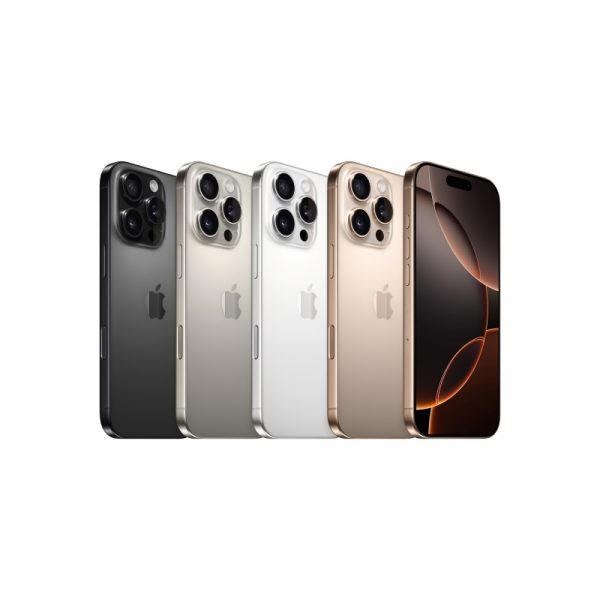
In this deep dive into the iPhone 16 Pro Max’s aesthetic profile, we examine the specific colors available this year, the technical processes used to achieve them, and how the hardware’s physical properties integrate with its cutting-edge display technology.
The Evolution of Titanium: A New Era of Finish
When Apple transitioned from surgical-grade stainless steel to Grade 5 Titanium with the 15 Pro series, it signaled a shift toward a more industrial, durable, and lightweight architecture. With the iPhone 16 Pro Max, this material science has been refined further. Grade 5 Titanium (Ti-6Al-4V) is an aerospace-grade alloy known for its high strength-to-weight ratio.
The Micro-Blasted Texture
Unlike the high-gloss, fingerprint-prone finish of previous stainless steel models, the iPhone 16 Pro Max features a micro-blasted finish. This process involves bombarding the titanium surface with microscopic particles to create a refined, matte texture. This isn’t just an aesthetic choice; the micro-blasting increases the surface area slightly, allowing for a more consistent application of the color through Physical Vapor Deposition (PVD).
Thermal Dissipation and Color Integrity
A critical technical aspect of the iPhone 16 Pro Max is its internal substructure, which uses 100% recycled aluminum thermally bonded to the titanium frame. This “solid-state diffusion” process ensures that the device stays cool during intensive AI processing or high-fidelity gaming. Because titanium has lower thermal conductivity than aluminum, the color finish must be resilient enough to withstand the heat cycles generated by the A18 Pro chip without discoloring or “blooming” over time—a common issue in lower-quality metallic coatings.
Weight Optimization
The use of titanium allows the iPhone 16 Pro Max to remain remarkably light despite its massive 6.9-inch display. The colors are integrated into the frame in a way that emphasizes the metallic grain, providing a visual cue of the device’s premium, lightweight construction.
Defining the iPhone 16 Pro Max Palette
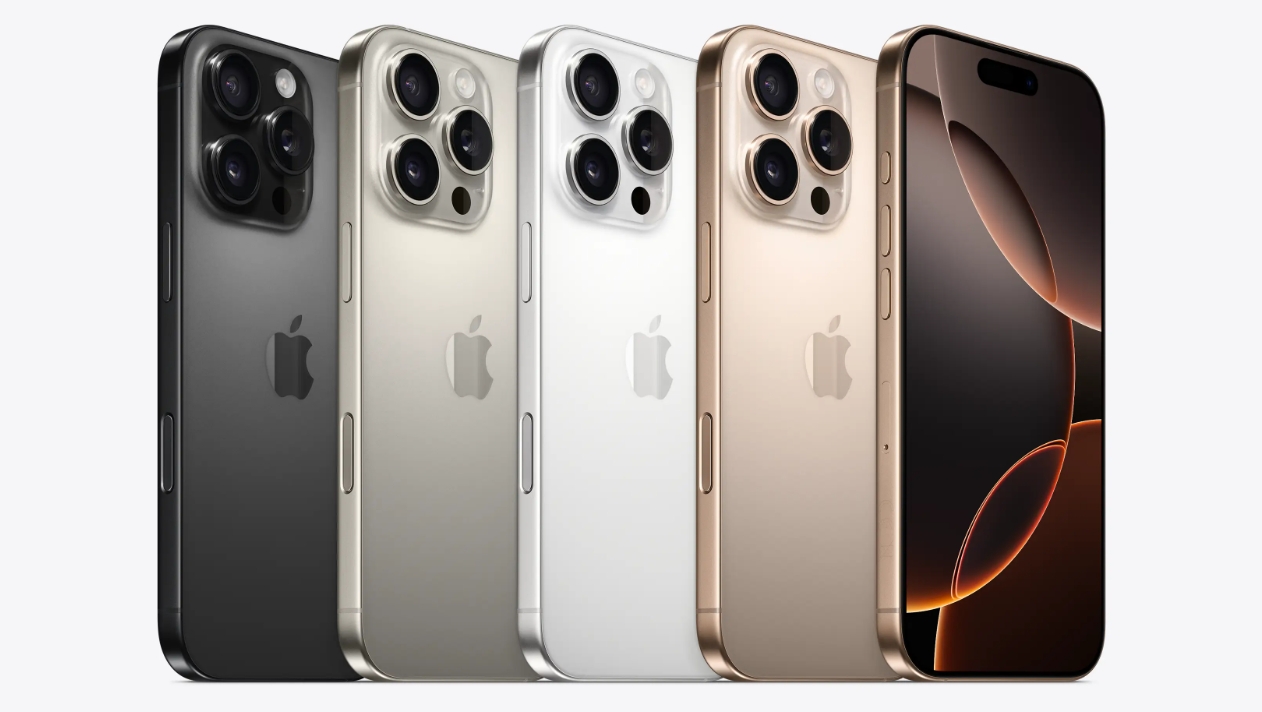
For the 16 Pro Max, Apple has curated a selection of four distinct colors. These are not just superficial dyes but are integrated into the metal using PVD coating, which provides a layer of protection and a depth of color that traditional anodization cannot achieve.
Desert Titanium
Desert Titanium is the “hero” color of the 16 Pro Max lineup. Replacing the Blue Titanium of the previous generation, Desert Titanium is a sophisticated, bronze-infused gold. From a technical standpoint, achieving this specific hue requires precise control over the PVD process to ensure the gold undertones do not lean too far into yellow or pink. It offers a warm, metallic sheen that reacts dynamically to ambient light, appearing more muted in indoor environments and more vibrant under direct sunlight.
Natural Titanium
Retained from the previous generation due to its immense popularity, Natural Titanium celebrates the raw aesthetic of the alloy. It is a greyish-silver that showcases the “industrial” nature of the Grade 5 Titanium. Because it is the closest color to the raw metal itself, it is arguably the most resilient to visible scratches, as any deep abrasions reveal a material similar in color to the surface coating.
White Titanium
White Titanium provides a clean, surgical look that has become a staple of the Pro lineup. The challenge with a white finish on titanium is achieving a “pure” white without the metal beneath making it look dull or grey. Apple utilizes a bright white glass back paired with a silver-toned titanium frame to create a high-contrast, minimalist aesthetic.
Black Titanium
The Black Titanium on the 16 Pro Max is significantly darker than the “Space Black” seen on older stainless steel models. The PVD coating here is dense and matte, designed to absorb light rather than reflect it. This “stealth” look is preferred by power users who want their device to be as unobtrusive as possible. The technical hurdle here is fingerprint resistance; Apple has applied an oleophobic coating over the PVD layer to mitigate the visibility of oils from the skin.
The Intersection of Display Technology and Color Perception
The colors of the iPhone 16 Pro Max do not exist in a vacuum; they are framed by the largest and most advanced display ever put on an iPhone. The interaction between the metallic frame and the 6.9-inch Super Retina XDR display is a masterclass in hardware integration.
Border Reduction Structure (BRS)
The iPhone 16 Pro Max features the thinnest bezels on any Apple product to date. This was achieved through Border Reduction Structure (BRS) technology, which allows for the routing of display circuitry under the active pixels rather than around the edges. Because the bezels are so thin, the color of the titanium frame is more prominent than ever. The frame acts as a thin “jeweled” border around the expansive OLED panel, making the choice of color—whether the stark Black Titanium or the warm Desert Titanium—integral to the viewing experience.
OLED Impact and Color Contrast
The ProMotion display uses LTPO (Low-Temperature Polycrystalline Oxide) technology, allowing the refresh rate to scale from 1Hz to 120Hz. When viewing high-dynamic-range (HDR) content, the deep blacks of the OLED panel bleed seamlessly into the Black Titanium frame, creating an “infinity” effect. Conversely, the White and Natural Titanium options provide a sharp, defined boundary that frames the screen, which some users find helps in focusing on the content.
True Tone Integration
Apple’s True Tone technology adjusts the color temperature of the display to match the ambient lighting. Interestingly, the reflectivity of the titanium frame also changes with the light. In warm, tungsten lighting, the Desert Titanium reflects a golden hue that complements the True Tone-adjusted screen, creating a cohesive visual package that feels less like a piece of hardware and more like a singular, organic object.
Engineering Durability and Coating Longevity
A common concern with premium smartphone colors is how they hold up over a two-to-three-year lifecycle. The iPhone 16 Pro Max addresses this through advanced chemical and mechanical engineering.
PVD vs. Traditional Anodization
While the standard iPhone 16 models use color-infused back glass and anodized aluminum, the Pro Max utilizes Physical Vapor Deposition. In a vacuum chamber, the coating material is vaporized and then deposited atom-by-atom onto the titanium frame. This creates a bond that is much harder and more scratch-resistant than paint or standard anodized layers. This is why the “Pro” colors have a distinct metallic depth that the “non-Pro” colors lack.
The Ceramic Shield Generation 2
Complementing the titanium frame is the latest generation of Ceramic Shield on the front cover. This transparent ceramic material is formulated to be 50% tougher than the first generation. The engineering goal was to ensure that the glass’s durability matched the titanium’s rigidity. When a device falls, the titanium frame—which is stiffer than aluminum—transfers energy differently. The 16 Pro Max’s internal architecture is designed to absorb this energy to prevent the glass from shattering, regardless of which color finish you choose.
Scratch Resistance and “Self-Healing” Properties
While no metallic coating is completely immune to scratches, the micro-blasted finish of the 16 Pro Max is designed to hide micro-abrasions better than polished surfaces. Furthermore, the oleophobic and hydrophobic coatings applied to the finish ensure that moisture and oils do not corrode the PVD layer over time, preserving the luster of colors like Desert Titanium for the duration of the device’s life.
The Future of Hardware and Software Synergy
The colors of the iPhone 16 Pro Max are further enhanced by the software capabilities of iOS 18. This synergy between hardware aesthetics and software customization represents the next step in tech personalization.
AI-Enhanced Software Customization
With the introduction of Apple Intelligence, iOS 18 allows users to tint their app icons to match the physical color of their device. A user with a Desert Titanium iPhone 16 Pro Max can now set their UI to a bronze or copper monochromatic theme, creating a seamless transition from the external hardware to the internal interface. This level of aesthetic synchronization is a key trend in high-end tech, moving away from “one-size-fits-all” software looks.
Sustainable Sourcing in Tech Aesthetics
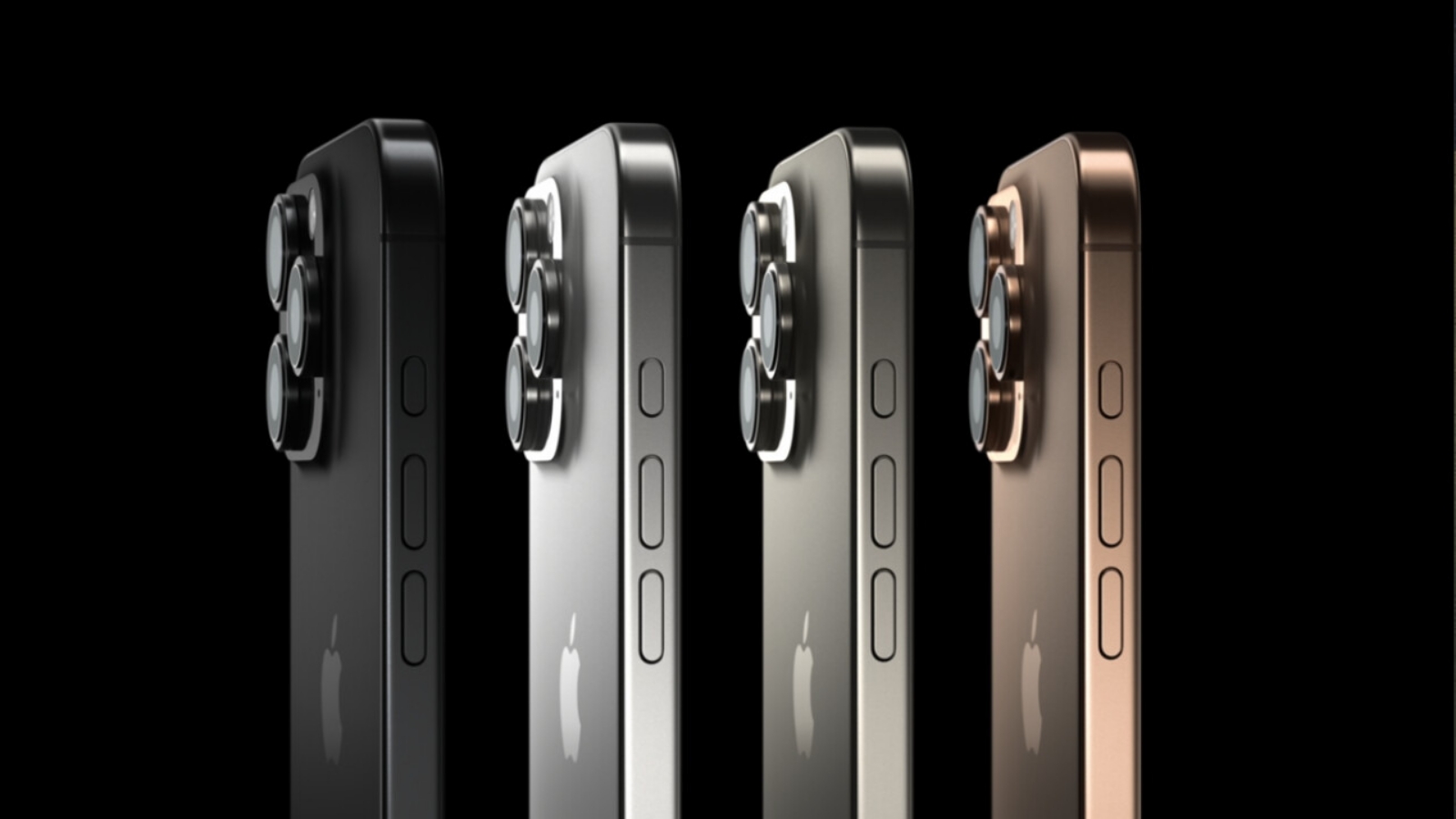
Finally, the colors of the 16 Pro Max are a testament to Apple’s “2030” carbon-neutral goals. The aluminum substructure is 100% recycled, and the gold used in the plating of several internal components—and mirrored in the Desert Titanium finish—is also 100% recycled. This proves that high-end tech aesthetics do not have to come at the cost of environmental responsibility. The tech industry is moving toward a future where the “color” of a device also represents its “green” credentials.
In conclusion, the colors of the iPhone 16 Pro Max—Desert, Natural, White, and Black Titanium—are far more than simple paint jobs. They are the result of rigorous material science, advanced PVD coating techniques, and a deep understanding of how hardware and software interact. For the tech enthusiast, these colors represent the cutting edge of what is possible when metallurgy meets consumer electronics.
aViewFromTheCave is a participant in the Amazon Services LLC Associates Program, an affiliate advertising program designed to provide a means for sites to earn advertising fees by advertising and linking to Amazon.com. Amazon, the Amazon logo, AmazonSupply, and the AmazonSupply logo are trademarks of Amazon.com, Inc. or its affiliates. As an Amazon Associate we earn affiliate commissions from qualifying purchases.