
In the high-stakes world of pharmaceutical marketing, a product’s “class” is often defined by more than its chemical composition or biological mechanism. While a clinician might define Cymbalta by its pharmacological classification as a Selective Serotonin and Norepinephrine Reuptake Inhibitor (SNRI), a brand strategist views it as a masterclass in market segmentation and corporate identity. When we ask “what class is Cymbalta,” we are essentially looking at how Eli Lilly and Company successfully navigated the transition from the “Prozac era” to a more complex, multi-indication brand landscape.
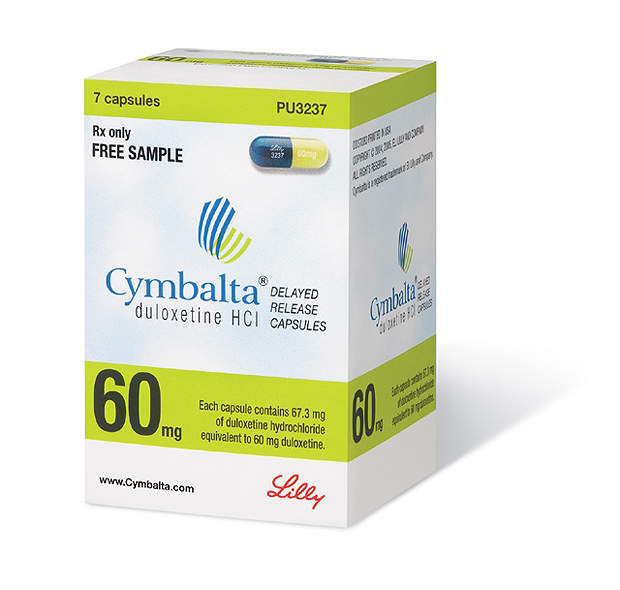
The story of Cymbalta is a narrative of strategic differentiation. It represents a pivot point in how pharmaceutical giants approach brand equity, moving away from single-symptom solutions toward holistic “quality of life” brand architectures. This article explores the brand strategy, marketing evolution, and corporate identity that transformed a chemical compound into a multi-billion-dollar household name.
The Anatomy of a Blockbuster Brand: Defining Cymbalta’s Market Class
To understand what class Cymbalta occupies in the global marketplace, one must look at the landscape of the early 2000s. The market was saturated with Selective Serotonin Reuptake Inhibitors (SSRIs) like Prozac and Zoloft. To thrive, Cymbalta could not simply be “another antidepressant.” Its brand class had to be defined by “Dual Action.”
Strategic Market Segmentation
Eli Lilly’s primary challenge was to carve out a niche that justified a premium price point over generic alternatives. They did this by positioning Cymbalta in the “dual-efficacy” class. By emphasizing its impact on both serotonin and norepinephrine, the brand was marketed as a more comprehensive tool than its predecessors. This wasn’t just a medical distinction; it was a branding hook that allowed sales representatives to tell a more compelling story of “balance” and “completeness.”
The Multi-Indication Brand Identity
Unlike many drugs that stick to a single therapeutic lane, Cymbalta’s brand class is remarkably broad. It successfully bridged the gap between psychiatric care and physical pain management. By securing FDA approvals for Generalized Anxiety Disorder (GAD), Fibromyalgia, and chronic musculoskeletal pain, the brand identity shifted. It became the “bridge brand”—the one solution for patients whose emotional struggles were inextricably linked to physical discomfort. This cross-category dominance is a hallmark of superior brand strategy.
Strategic Differentiation: Branding the Mechanism of Action
In branding, the “How” is often as important as the “What.” For Cymbalta, the mechanism of action (MOA) became the centerpiece of its corporate identity. The brand team recognized that patients were becoming increasingly savvy about their own neurochemistry.
Visualizing the Invisible
How do you brand a chemical process occurring in the synaptic cleft? Eli Lilly utilized sophisticated visual storytelling. The “two-bead” or “dual-channel” imagery became synonymous with the brand. This visual identity helped patients and providers conceptualize why Cymbalta was in a different class than the “single-channel” SSRIs. This is a classic example of using scientific data to build a proprietary brand language.
Competitive Positioning Against SSRIs
The brand strategy for Cymbalta was inherently aggressive toward the established “gold standard” SSRIs. The narrative pushed the idea that “Standard isn’t enough.” By framing the SNRI class as an evolution—a “Version 2.0” of mental health treatment—the brand successfully migrated users from older medications to the newer, more expensive branded option. This transition is a core component of pharmaceutical lifecycle management.
Direct-to-Consumer (DTC) Marketing Excellence: “Depression Hurts”
Perhaps the most significant contribution to Cymbalta’s brand legacy is its revolutionary Direct-to-Consumer (DTC) advertising strategy. The “Depression Hurts” campaign remains one of the most analyzed case studies in pharmaceutical brand history.

The Power of Emotional Branding
Before Cymbalta, most antidepressant ads focused on “returning to your old self”—think of the Zoloft “sad bubble” or Prozac’s “sunny day” imagery. Cymbalta took a different psychological approach. They identified a specific, underserved pain point: the physical symptoms of depression. By branding the sensation of pain as a symptom of depression, they created a new category of “emotional-physical” health.
Linguistic Branding and Taglines
The tagline “Depression hurts. Cymbalta can help,” is a masterclass in brevity and brand positioning. It created a direct cognitive link between a symptom (pain) and a solution (the brand). This campaign didn’t just sell a pill; it validated the lived experience of millions of patients, thereby building deep brand loyalty and “top-of-mind” awareness. When patients visited their doctors, they didn’t ask for “an SNRI”; they asked for Cymbalta.
Corporate Identity and Brand Stewardship at Eli Lilly
The success of Cymbalta cannot be separated from the corporate identity of its parent company, Eli Lilly. The brand served as a flagship for the company’s commitment to neuroscience, helping to define Lilly as a leader in “Innovation that Matters.”
Consistency Across Touchpoints
From the medical journal advertisements aimed at psychiatrists to the brochures in a primary care physician’s office, the Cymbalta brand maintained a rigorous consistency. The use of soft blues and teals, clean typography, and relatable human photography established a brand personality that was professional yet empathetic. This consistency is vital in high-trust industries like healthcare, where the brand’s visual “voice” must convey reliability and safety.
Managing the Regulatory Brand Voice
In the pharmaceutical “class,” the brand must also navigate the stringent requirements of the FDA. Every brand claim must be balanced with a “fair balance” of risk information. Cymbalta’s brand strategy involved turning these regulatory hurdles into an opportunity for transparency. By being upfront about side effects while doubling down on the “Dual Action” benefits, the brand built a profile of clinical authority.
Lifecycle Management: The Transition to Generic Duloxetine
A brand’s true strength is tested when its patent expires. In 2013, Cymbalta lost its patent exclusivity, leading to the entry of generic duloxetine. This shift changed the brand’s “class” from a high-growth blockbuster to a legacy asset.
Maintaining Brand Equity Post-Patent
Even after generic entry, the “Cymbalta” name retains significant value. This is the “halo effect” of decade-long branding efforts. Many physicians and patients continue to use the brand name as the default descriptor for the entire chemical class. Eli Lilly’s strategy during this transition focused on maintaining the brand’s reputation for quality and reliability, even as they moved their primary marketing focus to newer pipeline products.
The Legacy of the Brand
Today, Cymbalta occupies a prestigious class of “Classic Blockbusters.” It serves as a benchmark for how pharmaceutical companies can use brand strategy to expand the market for a drug. By broadening the indications and focusing on the intersection of mental and physical health, the brand did more than just sell medication—it changed the conversation around how we treat complex, co-occurring conditions.

Conclusion: The Final Word on Brand Classification
When we analyze “what class is Cymbalta,” we find that it transcends its pharmacological SNRI roots. In the world of branding and corporate strategy, Cymbalta is in a class of its own: the “Integrative Blockbuster.”
Its success was not an accident of chemistry, but the result of a deliberate, multi-faceted brand strategy that included:
-
Differentiated Positioning: Moving beyond the SSRI crowd to own the “Dual Action” space.
-
Emotional Resonance: Using the “Depression Hurts” campaign to connect with patients on a visceral level.
-
Market Expansion: Strategically gaining indications for chronic pain, thereby expanding the brand’s reach across multiple medical specialties.
-
Impeccable Visual Identity: Creating a trustworthy and recognizable aesthetic that stood the test of time.
For brand strategists and marketing professionals, Cymbalta remains a definitive example of how to build a brand that is both medically credible and commercially unstoppable. It proves that even in a highly regulated, scientifically driven industry, the power of a clear brand identity and a resonant human story is the ultimate competitive advantage.
aViewFromTheCave is a participant in the Amazon Services LLC Associates Program, an affiliate advertising program designed to provide a means for sites to earn advertising fees by advertising and linking to Amazon.com. Amazon, the Amazon logo, AmazonSupply, and the AmazonSupply logo are trademarks of Amazon.com, Inc. or its affiliates. As an Amazon Associate we earn affiliate commissions from qualifying purchases.