
The transition from traditional linear television to the sprawling landscape of digital streaming has fundamentally altered how audiences interact with long-form storytelling. For fans of the DC Universe, specifically the gritty, noir-inspired prequel series Gotham, the question of “where to watch” is no longer just about a channel number or a time slot. It is an exploration of the complex technological infrastructure of Video on Demand (VOD), software ecosystems, and hardware compatibility.
As streaming rights shift and platforms evolve their underlying architecture, finding a reliable home for all five seasons of Gotham requires an understanding of the current digital distribution tech stack.
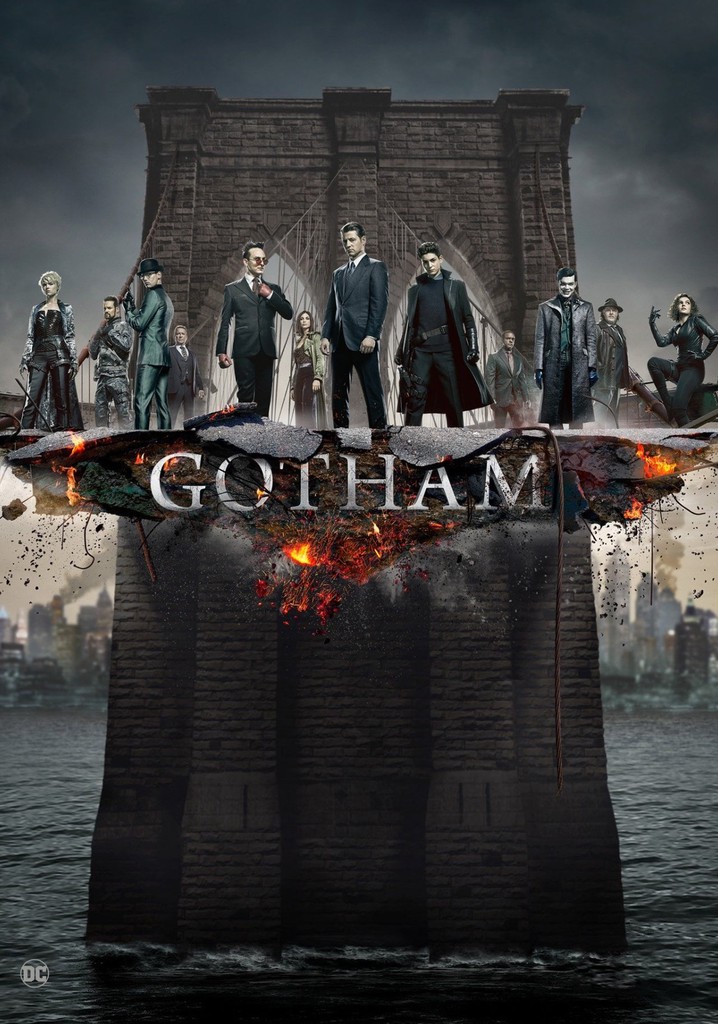
Navigating the Streaming Landscape: Platforms Hosting Gotham
The availability of Gotham is dictated by complex licensing agreements and the digital rights management (DRM) protocols of major media conglomerates. Because Gotham was produced by Warner Bros. Television, its primary digital home is dictated by the parent company’s integrated tech strategy.
Premium Subscription Services (SVOD)
Currently, the most direct way to access Gotham is through Max (formerly HBO Max). From a technical perspective, Max utilizes an advanced content delivery network (CDN) designed to handle high-bandwidth loads for its cinematic library. For users, this means the software interface is optimized for binge-watching, utilizing “auto-play” algorithms and “skip intro” metadata tags specifically calibrated for the show’s episodic structure. In some international territories, Gotham remains available on Netflix, though this is subject to regional library variations and the expiration of legacy licensing “tech-windows.”
Digital Purchase and Rental Ecosystems (TVOD)
For those who prefer digital ownership over a recurring subscription, Gotham is available on Transactional Video on Demand (TVOD) platforms. These include Apple TV (iTunes), Amazon Prime Video, Google TV, and Vudu. When you purchase the series on these platforms, you aren’t just buying a video file; you are acquiring a license tied to a specific software ecosystem. These platforms utilize proprietary DRM tech (such as Apple’s FairPlay or Google’s Widevine) to ensure the content is viewed within authorized apps, preventing unauthorized redistribution while allowing for offline downloads on verified devices.
Technical Specifications and Quality Standards
Watching Gotham is a highly visual and auditory experience. The show’s cinematography is famous for its “dark deco” aesthetic—heavy shadows, high contrast, and a palette of deep blues and greys. To appreciate this, the hardware and software must meet specific technical benchmarks.
4K Ultra HD and HDR Compatibility
While Gotham originally aired in standard High Definition (1080p), several digital platforms offer it in upscaled or native 4K formats with High Dynamic Range (HDR). From a technological standpoint, HDR is crucial for a show like Gotham. It expands the contrast ratio and color accuracy, allowing the software to render detail in the “crushed blacks” of the city’s alleyways that would otherwise be lost on a standard SDR (Standard Dynamic Range) display. To access this, viewers need a playback device—such as a 4K Fire Stick, Apple TV 4K, or an Nvidia Shield—that supports HEVC (High Efficiency Video Coding) compression.
Audio Architecture: From Stereo to Surround Sound
The soundscape of Gotham is as intricate as its visuals. Most streaming platforms deliver the show in Dolby Digital Plus 5.1. This technology uses a lossy compression format designed to provide high-fidelity surround sound while maintaining a manageable bitrate for home internet connections. For audiophiles using high-end soundbars or home theater receivers, the software must be capable of “bitstreaming” the audio signal directly to the hardware to ensure the spatial mapping of the city’s ambient noises—rain, gunfire, and orchestral swells—is accurately reproduced.
Device Compatibility and App Ecosystems

The modern viewer rarely watches content on a single screen. The “cross-platform” tech architecture of modern streaming apps allows a user to start an episode of Gotham on a subway ride via a smartphone and finish it on a 75-inch QLED TV at home.
Smart TV Operating Systems
The efficiency of your viewing experience often depends on the underlying Operating System (OS) of your television. Roku OS, Android TV, and Samsung’s Tizen each handle streaming apps differently. For instance, the Max app on Android TV may receive more frequent updates for performance stability than legacy versions on older Smart TVs. The technical bottleneck in many older sets is the “System on a Chip” (SoC), which may struggle to decode high-bitrate video streams, leading to buffering or interface lag.
Mobile and Tablet Optimization
On mobile devices, the technology shifts toward portability and data management. Apps like Amazon Prime Video and Max use adaptive bitrate streaming (ABR). This technology constantly monitors the user’s Wi-Fi or 5G signal strength and adjusts the video quality in real-time. If the bandwidth drops, the software switches to a lower-resolution “manifest” file to prevent the video from stopping entirely. Furthermore, the integration of “picture-in-picture” (PiP) technology on iOS and Android allows users to multi-task while keeping an eye on the rise of the Penguin.
The Role of VPNs and Digital Security in Accessing Content
Due to the fragmented nature of global licensing, Gotham may be available in the UK or Canada but restricted in other regions. This has led to the widespread technical use of Virtual Private Networks (VPNs) among savvy streamers.
Geo-Restriction Bypassing
A VPN works by creating an encrypted “tunnel” between the user’s device and a remote server in a different geographical location. By masking the user’s IP address, the VPN allows the streaming app to “think” the user is in a region where Gotham is currently licensed. However, this is a technical “cat-and-mouse” game. Modern streaming giants employ sophisticated “VPN-detection” software that identifies and blacklists IP addresses associated with known VPN data centers. High-end VPN providers counter this by using “obfuscated servers” and rotating IP pools to bypass these digital barriers.
Maintaining Privacy and Data Integrity
Beyond bypassing geo-locks, using a VPN while streaming provides a layer of digital security. It prevents Internet Service Providers (ISPs) from “throttling” your connection. Many ISPs use deep packet inspection (DPI) to identify high-bandwidth streaming traffic and artificially slow it down to manage network congestion. An encrypted VPN connection hides the nature of the data packets, often resulting in a more stable stream for high-resolution content.
Future-Proofing Your Digital Library
As the “Streaming Wars” continue, the technical availability of shows like Gotham remains in flux. The software-as-a-service (SaaS) model of streaming means that content can disappear overnight if a license is not renewed. This reality has sparked a resurgence in the discussion of digital vs. physical ownership.
Digital Rights Management (DRM) and Content Persistence
When you “buy” Gotham on a digital store, you are essentially purchasing a perpetual license to stream it through that company’s proprietary software. If that company were to go out of business or lose the distribution rights in a catastrophic legal shift, your access could theoretically be revoked. This is the inherent risk of cloud-based media consumption.

The Hybrid Technical Approach
To ensure the highest technical fidelity and permanent access, many tech enthusiasts opt for a hybrid approach. This involves owning the physical Blu-ray discs—which offer the highest possible bitrate (uncompressed compared to streaming)—and using software like Plex or Kodi to create a private media server. By “ripping” the discs into high-quality MKV files, users can host their own private Netflix-style interface. This tech setup provides the best of both worlds: the convenience of digital streaming across all devices and the security of a localized, high-definition file that does not rely on an external server or a monthly subscription.
In conclusion, watching Gotham in the current era is a multi-faceted technical endeavor. Whether you are optimizing your home network for 4K HDR playback, navigating the nuances of global DRM via a VPN, or managing a cross-platform app ecosystem, the technology behind the screen is what truly brings the dark streets of the DC Universe to life. As software and hardware continue to advance, the methods by which we consume these digital narratives will only become more immersive and complex.
aViewFromTheCave is a participant in the Amazon Services LLC Associates Program, an affiliate advertising program designed to provide a means for sites to earn advertising fees by advertising and linking to Amazon.com. Amazon, the Amazon logo, AmazonSupply, and the AmazonSupply logo are trademarks of Amazon.com, Inc. or its affiliates. As an Amazon Associate we earn affiliate commissions from qualifying purchases.