
In the modern healthcare landscape, the question “what blood test checks your liver” is no longer just a medical inquiry; it is a data-driven technological challenge. For decades, the Liver Function Test (LFT) was a static report—a series of numbers on a printed page that a physician would manually interpret. However, the intersection of health technology, artificial intelligence, and software engineering has transformed these biological markers into sophisticated data points. Today, the tech industry is revolutionizing how we monitor, interpret, and act upon the health of the liver, moving from reactive diagnostics to predictive, AI-enhanced wellness management.
The Digital Evolution of the Liver Function Test (LFT)
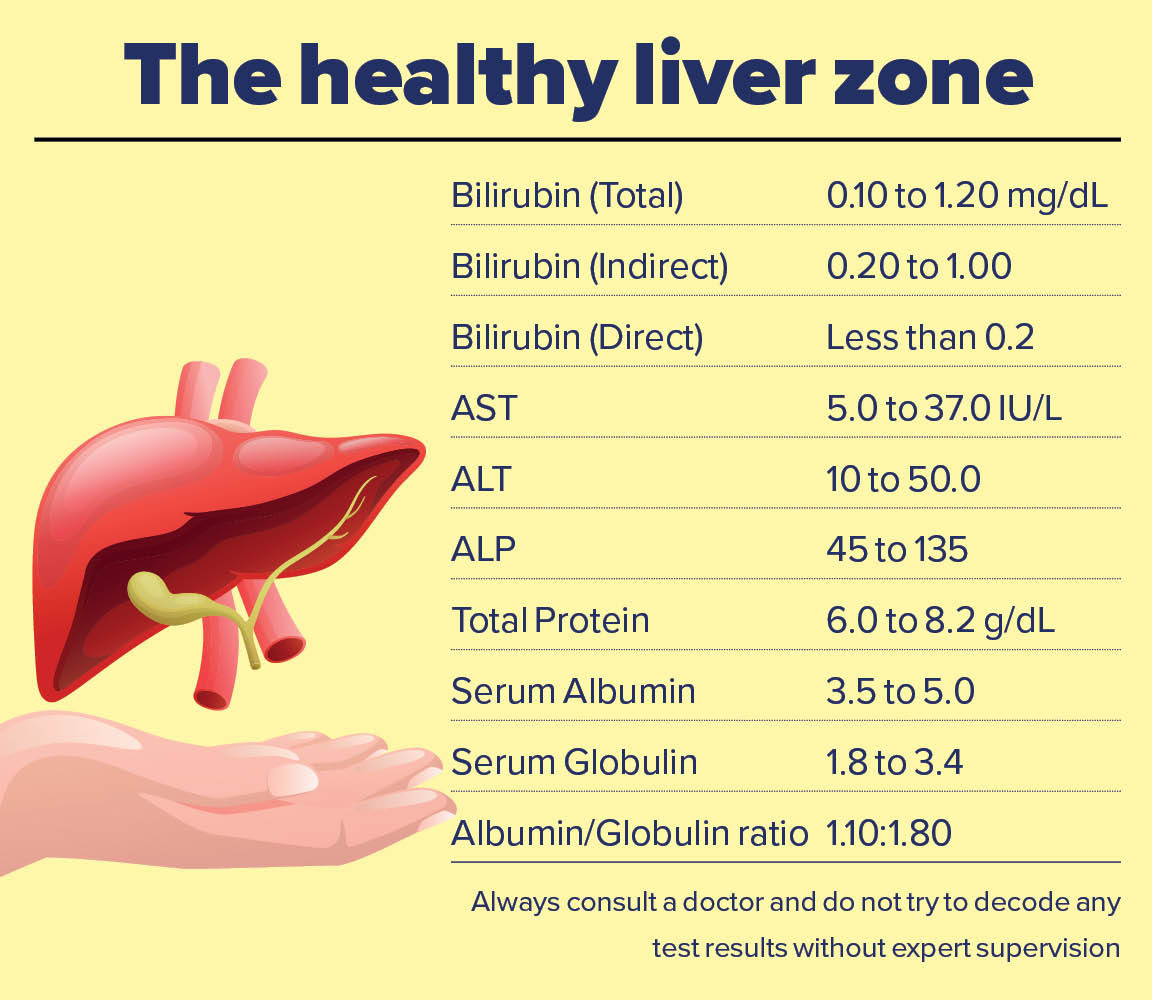
The traditional liver panel, which measures enzymes and proteins like Alanine Transaminase (ALT), Aspartate Transaminase (AST), and Bilirubin, has undergone a digital metamorphosis. At the heart of this change is the integration of sophisticated Laboratory Information Systems (LIS) and automated diagnostic hardware.
From Manual Lab Work to Automated Diagnostics
Gone are the days when lab technicians spent hours manually calibrating reagents for every liver panel. Modern diagnostic tech utilizes high-throughput clinical chemistry analyzers. These machines are massive IoT (Internet of Things) devices capable of processing thousands of samples per hour with surgical precision. By leveraging robotics and advanced optical sensors, these systems can detect minute fluctuations in liver enzymes that might be missed by human eyes, ensuring that the “blood test” is more accurate than ever before.
The Role of Cloud-Based Lab Information Systems (LIS)
Once a blood sample is processed, the data doesn’t just sit in a local database. Modern LIS platforms are cloud-native, allowing for the seamless transfer of liver data across health networks. This technological backbone ensures that a liver test taken in a remote clinic is instantly accessible to a specialist halfway across the world. Cloud integration also allows for “longitudinal tracking,” where software automatically graphs a patient’s liver enzyme trends over a decade, providing a visual narrative of metabolic health that a single test could never capture.
AI and Machine Learning in Interpreting Liver Enzyme Data
The most significant tech trend in liver health is the application of Artificial Intelligence (AI) and Machine Learning (ML) to the interpretation of results. While a standard test tells you your current levels, AI tells you what those levels mean for your future.
Predictive Analytics for Early Detection of NAFLD
Non-Alcoholic Fatty Liver Disease (NAFLD) is often a “silent” condition. However, AI algorithms are now being trained on millions of historical liver panels to identify patterns that precede clinical symptoms. By analyzing the relationship between ALT/AST ratios, glucose levels, and lipid profiles, these machine learning models can predict the onset of liver fibrosis years in advance. This shift from diagnostic to prognostic technology is the cornerstone of 21st-century preventative medicine.
Improving Accuracy and Reducing False Positives with Neural Networks
Liver enzymes can sometimes fluctuate due to temporary factors like intense exercise or specific medications, leading to unnecessary patient anxiety. Advanced neural networks are being developed to filter this “noise.” By cross-referencing liver test data with other digital health metrics—such as heart rate variability or sleep patterns—AI can help clinicians differentiate between a chronic liver issue and a temporary biological spike, significantly reducing the rate of diagnostic error.
HealthTech Apps and the Consumerization of Liver Monitoring
The “consumerization of health” has brought liver diagnostics out of the sterile clinic and onto the smartphone. A new wave of HealthTech startups is focusing on giving users direct access to their metabolic data, empowering them to monitor their liver health through intuitive software interfaces.

Real-Time Data Visualization for Patients
For the average person, a result like “ALT: 45 U/L” is meaningless. Consumer-facing apps are solving this through sophisticated data visualization. These platforms take raw blood test data and convert it into color-coded health scores and interactive charts. By making the data legible, technology bridges the gap between clinical science and patient understanding, fostering a more proactive approach to liver health.
Integrating Wearable Tech with Metabolic Profiles
While we don’t yet have a wearable that can measure blood chemistry non-invasively, the tech industry is creating “digital twins” by pairing wearable data (from Oura, Apple Watch, or Whoop) with periodic liver blood tests. For example, if an app detects a drop in metabolic efficiency via wearable sensors, it may prompt the user to order a “liver check” blood test. This ecosystem of hardware and software creates a continuous feedback loop that was previously impossible.
The Rise of At-Home Testing Kits and Telehealth Integration
The logistics of “what blood test checks your liver” have been disrupted by the rise of the “at-home” economy. Decentralized diagnostics are making liver screening as easy as ordering a meal on an app.
Microfluidic Technology in At-Home Blood Collection
The technological breakthrough allowing for home liver testing is microfluidics. Companies like Everlywell and LetsGetChecked use advanced collection devices that require only a few drops of blood from a finger prick. These samples are stable enough to be mailed to a lab, where they are analyzed using the same high-tech machinery found in hospitals. This democratization of the blood test removes the friction of scheduling appointments and visiting labs, utilizing logistics software to streamline the entire process.
Virtual Consultations: Turning Data into Actionable Insight
A blood test is only as good as the advice that follows it. Telehealth platforms are now integrating directly with lab databases. When your liver test results are ready, an API (Application Programming Interface) triggers a notification, allowing you to book a virtual consultation with a hepatologist instantly. This end-to-end digital journey—from the moment you order a kit online to the moment you discuss the results over a video call—represents the pinnacle of modern healthtech efficiency.
Cybersecurity and Data Privacy in Diagnostic HealthTech
As we move liver diagnostics into the digital realm, the technology must also address the massive responsibility of data security. Biological data is the most sensitive information a person owns, making cybersecurity a primary niche within healthtech.
Protecting Sensitive Metabolic Data in the Cloud
With the rise of cloud-based health records, the tech industry has had to innovate in encryption and decentralized storage. Blockchain technology is increasingly being explored as a way to give patients total ownership over their liver test data. In a decentralized model, a patient holds a private key to their medical records, ensuring that diagnostic labs or insurance companies cannot access their liver health history without explicit, time-stamped permission.
Ethical Considerations of AI-Driven Health Predictions
The tech behind liver diagnostics also raises important ethical questions that software developers and bioethicists must navigate. If an algorithm predicts a high probability of liver failure in ten years based on a current blood test, how should that information be communicated? Tech companies are now hiring “Ethics Officers” to ensure that the software guiding our health decisions is transparent, unbiased, and designed with psychological safety in mind.

Conclusion: The New Frontier of Metabolic Intelligence
The question of which blood test checks your liver is no longer a simple matter of biology; it is a testament to the power of the modern tech stack. From the robotics in the lab and the AI in the cloud to the apps on our phones and the cybersecurity protocols protecting our privacy, technology has turned the liver panel into a powerful tool for human optimization.
As we look to the future, the integration of multi-omics (combining blood tests with genetic and microbiome data) will further refine these digital models. We are moving toward a world where liver health is monitored in real-time, analyzed by global-scale AI, and managed through seamless digital interfaces. In this era of “Metabolic Intelligence,” the blood test is merely the input for a sophisticated technological engine dedicated to extending human healthspan.
aViewFromTheCave is a participant in the Amazon Services LLC Associates Program, an affiliate advertising program designed to provide a means for sites to earn advertising fees by advertising and linking to Amazon.com. Amazon, the Amazon logo, AmazonSupply, and the AmazonSupply logo are trademarks of Amazon.com, Inc. or its affiliates. As an Amazon Associate we earn affiliate commissions from qualifying purchases.