
Arthritis, a debilitating condition affecting millions worldwide, often necessitates various treatment modalities to manage pain and inflammation. Among these, corticosteroid injections are a common intervention, offering targeted relief directly to affected joints. While their immediate medical benefits are well-documented, the financial implications of managing arthritis, including the costs associated with steroid injections and their potential side effects, are often overlooked. This article delves into the monetary “side effects” of steroid injections for arthritis, exploring the direct and indirect financial burdens that individuals and families may encounter, and offers insights into strategic financial planning to mitigate these impacts.

For many, the initial cost of a steroid injection might seem manageable, especially when immediate pain relief is the primary goal. However, understanding the broader financial ecosystem surrounding this treatment, particularly when considering potential complications and long-term management, is crucial for comprehensive financial health.
The Tangible Costs: Direct Financial Burdens of Steroid Injection Side Effects
While steroid injections can provide significant relief, they are not without potential medical side effects. Crucially, these medical side effects often cascade into a series of direct financial costs that can significantly impact a patient’s budget and long-term financial stability.
Medical Expenses Beyond the Initial Treatment
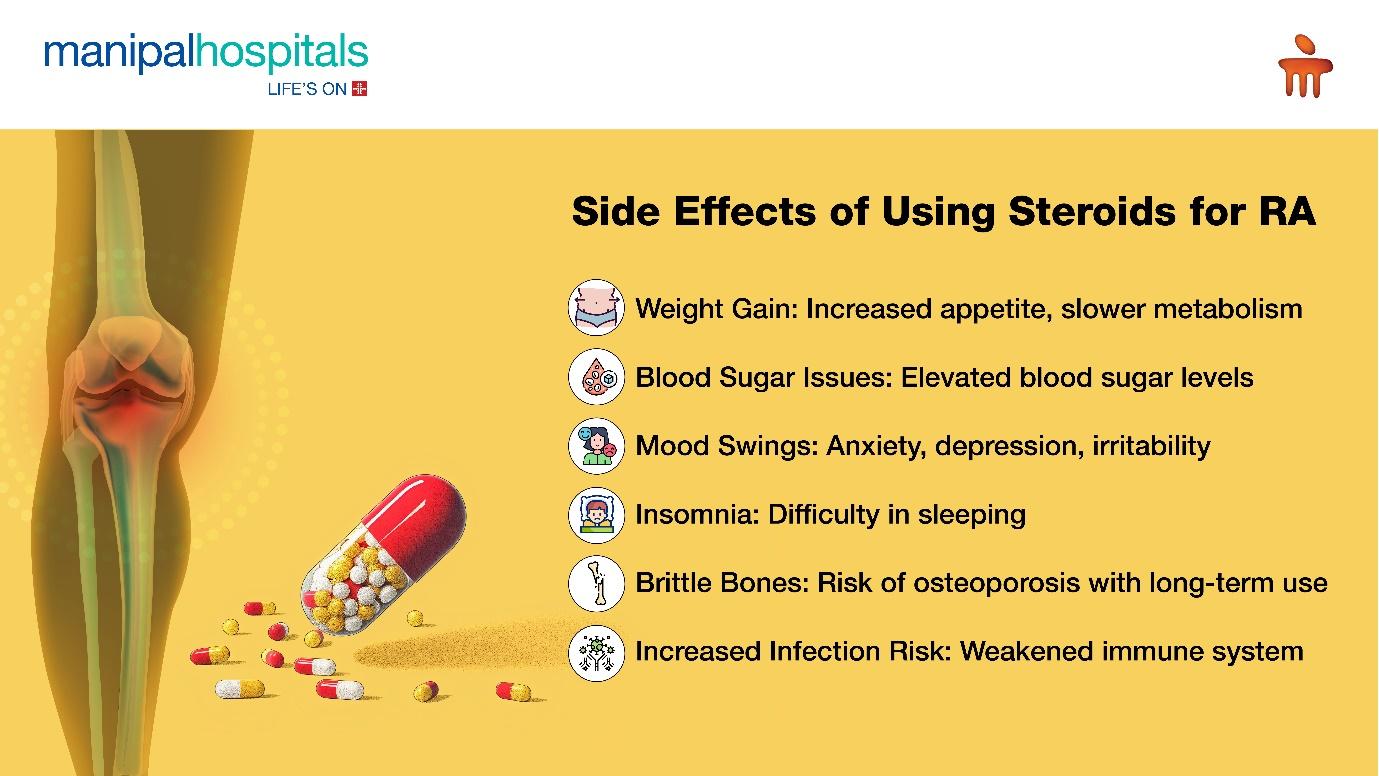
The immediate relief from a steroid injection is often a welcome respite, but potential complications can quickly escalate medical bills. For instance, while rare, an infection at the injection site can necessitate further medical intervention, including antibiotics, additional doctor visits, and potentially even hospitalization, each incurring separate charges. Similarly, steroids can temporarily raise blood sugar levels, a concern for individuals with diabetes or those predisposed to it. Managing this can involve more frequent blood sugar monitoring supplies, additional consultations with an endocrinologist, or adjustments to diabetes medications. Each of these follow-up treatments, tests, and specialist visits contributes to an accumulating financial burden that extends far beyond the initial injection fee. These costs often involve co-pays, deductibles, and out-of-pocket expenses that might not have been anticipated.
Pharmaceutical Costs and Adjunctive Therapies
Beyond direct medical care, the management of steroid injection side effects can also lead to increased pharmaceutical costs. If a patient experiences elevated blood pressure or blood sugar due to the steroid, new medications might be prescribed, or dosages of existing medications might need adjustment. Over-the-counter pain relievers or specific anti-inflammatory drugs might be recommended to manage post-injection soreness or inflammation that lingers. The cumulative cost of these medications, particularly if required over an extended period, can add up substantially, especially for those with high deductibles or limited prescription drug coverage. These “adjunctive therapies” become necessary financial outlays directly attributable to the side effects of the primary treatment.
Specialized Care and Rehabilitation
In some instances, the long-term use of steroid injections, or certain side effects, might necessitate specialized care or rehabilitative services. For example, repeated injections into a joint can, over time, potentially weaken surrounding tissues or cartilage, which in extreme cases might lead to the need for physical therapy, occupational therapy, or even surgical consultation. While less common, such developments represent a significant financial leap from the initial injection cost. Physical therapy sessions, specialized equipment, or assistive devices (such as braces or customized footwear) all carry substantial price tags, often requiring ongoing payments that can strain personal finances. Even if these are covered by insurance, co-pays and deductibles can accumulate rapidly, making effective financial planning for potential long-term care paramount.
The Intangible Toll: Indirect Financial Implications
Beyond the direct medical bills, the side effects of steroid injections for arthritis can trigger a series of indirect financial consequences, often impacting an individual’s earning capacity, lifestyle, and overall financial trajectory. These intangible costs can be harder to quantify but are equally significant.
Lost Productivity and Income
Arthritis itself is a major cause of lost productivity, but adverse reactions or complications from steroid injections can exacerbate this. For example, if an injection site infection requires several days off work for recovery or follow-up appointments, an individual might lose wages, especially if they do not have ample paid sick leave or work in an hourly position. Furthermore, persistent discomfort or other side effects can reduce overall work efficiency, potentially hindering career advancement or opportunities for overtime. For self-employed individuals, any downtime translates directly into lost income and potential setbacks for their business. This reduction in earning capacity is a significant “side effect” that chips away at an individual’s financial stability and future earning potential.
Impact on Quality of Life and Leisure Spending
The discomfort or limitations caused by arthritis and any treatment side effects can also subtly impact leisure spending and overall quality of life. An individual might be less able to participate in hobbies, social activities, or travel that they once enjoyed, potentially leading to increased spending on home-based entertainment or other coping mechanisms. Conversely, some might spend more trying to find comfort, such as investing in ergonomic furniture, specialized sleep aids, or other assistive devices for daily living. The financial implications here are complex: a reduction in certain types of spending might be offset by an increase in others, or simply a diminished ability to enjoy life, which, while not a direct financial cost, represents a loss in personal value and well-being that often has underlying economic roots.
Insurance Premiums and Coverage Challenges
Consistent medical needs, including managing arthritis and potential treatment side effects, can also indirectly affect insurance costs. While individuals cannot be denied coverage for pre-existing conditions under current laws, frequent claims and ongoing medical expenses within a larger pool can contribute to overall rising healthcare costs, which eventually manifest as higher premiums for everyone. More directly, individuals might find themselves repeatedly hitting their out-of-pocket maximums or navigating complex appeals processes for coverage of specific treatments or medications. Understanding deductibles, co-insurance, and covered services becomes critical. Without adequate insurance literacy and proactive engagement, individuals risk significant unexpected expenses, underscoring the importance of meticulously reviewing insurance policies and understanding their financial obligations.
Strategic Financial Planning for Arthritis Management
Given the potential direct and indirect financial “side effects” associated with steroid injections for arthritis, proactive and strategic financial planning becomes indispensable. This goes beyond simply paying medical bills; it involves integrating health management into a comprehensive financial strategy.
Budgeting for Chronic Illness
Living with a chronic condition like arthritis necessitates a tailored approach to personal budgeting. Instead of treating medical expenses as sporadic occurrences, individuals should integrate predictable and unpredictable health costs into their regular financial plan. This includes setting aside funds specifically for co-pays, prescription medications, potential specialist visits, and a buffer for unforeseen complications or new side effects. Categorizing these expenses helps to track spending and identify areas where costs can be managed more effectively. A robust budget should also account for potential income fluctuations due to health-related work absences, ensuring financial resilience even during periods of reduced earning.
Exploring Health Savings Accounts (HSAs) and Flexible Spending Accounts (FSAs)
For those eligible, Health Savings Accounts (HSAs) and Flexible Spending Accounts (FSAs) offer invaluable tax-advantaged ways to save and pay for qualified medical expenses. HSAs, available with high-deductible health plans, allow pre-tax contributions to grow tax-free and be withdrawn tax-free for medical costs. This is particularly beneficial for long-term chronic conditions like arthritis, as funds roll over year-to-year and can even be invested. FSAs, while generally having a “use-it-or-lose-it” rule within a plan year (though some plans offer grace periods or carryovers), also allow pre-tax contributions for medical expenses, providing immediate tax savings. Maximizing these accounts can significantly reduce the out-of-pocket financial burden of managing arthritis and its associated treatment side effects.
Navigating Insurance and Patient Assistance Programs
Effective financial management for arthritis means becoming an expert in your own insurance policy. Understanding what services are covered, what requires prior authorization, and how to appeal denied claims can save thousands of dollars. Regularly reviewing Explanation of Benefits (EOBs) for accuracy is also crucial. Beyond private or employer-sponsored insurance, individuals should explore patient assistance programs offered by pharmaceutical companies for specific medications, or non-profit organizations that provide financial aid for chronic illness management. These programs can significantly reduce the cost of high-priced drugs or specialized equipment, offering a vital safety net for those facing substantial medical expenses.
Long-Term Financial Considerations and Future Investment in Health
The financial “side effects” of arthritis treatment extend beyond immediate costs, influencing long-term financial goals and highlighting the economic value of sustained health. Proactive financial planning considers the lasting impact of health decisions.
Retirement and Savings Impact
Ongoing medical expenses, particularly those stemming from chronic conditions and treatment complications, can significantly deplete retirement savings. What might have been allocated for a comfortable post-work life could instead be diverted to healthcare costs. This phenomenon, often referred to as “medical impoverishment,” underscores the need for robust financial planning that integrates health care costs into retirement projections. It emphasizes the importance of starting retirement savings early and considering the potential for higher healthcare expenditures in later life, especially when managing conditions like arthritis that often require lifelong attention.
Investment in Preventative Care and Lifestyle Adjustments
From a purely financial perspective, investing in preventative care and healthy lifestyle adjustments can yield substantial long-term returns. While seemingly small, expenses for regular exercise, nutritious food, stress management techniques, and adherence to medical advice can help mitigate the progression of arthritis and potentially reduce the frequency or intensity of interventions like steroid injections, thereby lowering the risk of associated medical and financial side effects. The proactive cost of maintaining health is often considerably less than the reactive cost of treating advanced conditions or complications. This perspective frames health spending not just as an expense, but as a strategic investment in future financial well-being.
The Economic Value of Effective Pain Management
Ultimately, the ability to manage arthritis pain effectively, even with interventions like steroid injections, has significant economic value. While side effects introduce financial risks, the alternative – unchecked pain and disability – can lead to greater financial losses through severe reductions in productivity, complete inability to work, and a drastic decline in quality of life. The challenge lies in balancing the immediate costs and potential side effects of treatments with the long-term economic benefits of improved function and reduced pain. A nuanced financial assessment considers the value of maintaining an active life, earning potential, and overall well-being, acknowledging that sometimes a necessary medical expense, even with its potential complications, is an investment in sustaining one’s economic capacity.

Conclusion
The “side effects” from steroid injections for arthritis extend far beyond the physiological; they ripple through an individual’s financial landscape, creating direct medical costs and indirect economic burdens. While steroid injections remain a valuable tool in arthritis management, a comprehensive understanding of their potential monetary consequences is essential. By engaging in strategic financial planning, leveraging available resources like HSAs/FSAs, meticulously navigating insurance, and viewing health expenses as critical investments, individuals can better prepare for and mitigate the financial challenges associated with managing arthritis and its treatments. This proactive approach ensures that while individuals seek relief from their medical condition, their financial health is also carefully considered and protected.
aViewFromTheCave is a participant in the Amazon Services LLC Associates Program, an affiliate advertising program designed to provide a means for sites to earn advertising fees by advertising and linking to Amazon.com. Amazon, the Amazon logo, AmazonSupply, and the AmazonSupply logo are trademarks of Amazon.com, Inc. or its affiliates. As an Amazon Associate we earn affiliate commissions from qualifying purchases.