
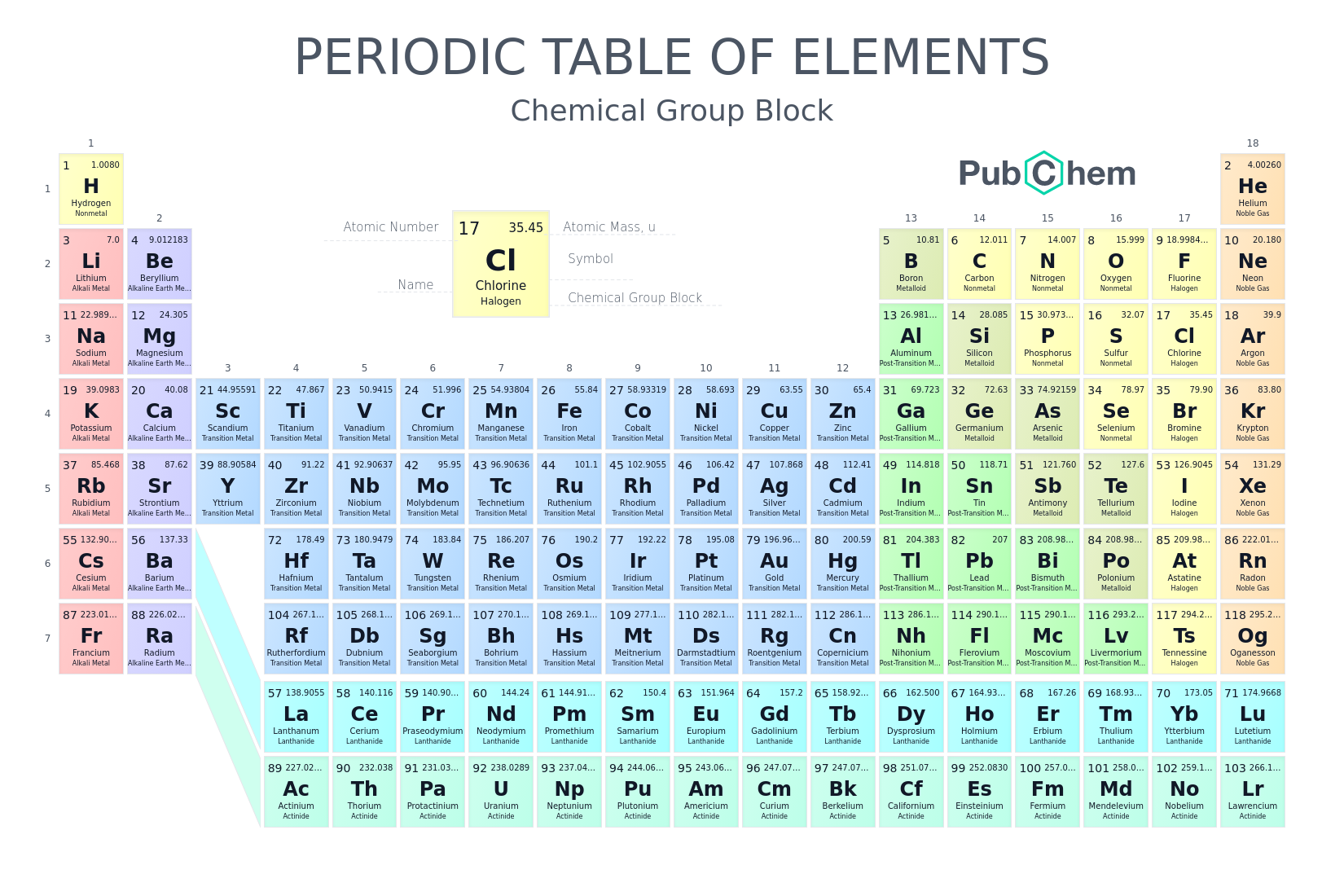
In the modern era, we often discuss technology in terms of software, algorithms, and artificial intelligence. We marvel at the fluidity of a mobile app or the complexity of a neural network. However, every digital miracle is anchored in the physical world. The periodic table is not just a relic of high school chemistry; it is the comprehensive inventory of the building blocks that make modern computing, telecommunications, and hardware engineering possible.
From the lithium in your smartphone battery to the hafnium in your laptop’s processor, the elements of the periodic table are the unsung heroes of the tech industry. As we push toward more powerful AI tools and greener energy solutions, understanding these elements becomes crucial for anyone looking to grasp the future of technology trends and hardware development.

The Silicon Foundation: Semiconductors and the Heart of Computing
When we talk about “Silicon Valley,” we are paying homage to the 14th element on the periodic table. Silicon is the bedrock of the digital age, but it is far from the only element involved in the sophisticated architecture of modern microchips.
Silicon: The Essential Semiconductor
Silicon is favored in tech because of its unique properties as a semiconductor. It can conduct electricity under certain conditions and act as an insulator under others. This binary nature allows engineers to create transistors—the microscopic switches that form the “0s” and “1s” of digital logic. Through a process called “doping,” where small amounts of other elements like Phosphorus or Boron are added, the electrical properties of silicon are precisely tuned to allow for the billions of calculations per second that drive our modern software.
Gallium and Germanium: Beyond the Silicon Limit
As we approach the physical limits of silicon—a phenomenon often discussed in the context of the slowing of Moore’s Law—the tech industry is turning to other elements. Gallium Nitride (GaN) and Germanium are at the forefront of this shift. Gallium is increasingly used in high-efficiency power adapters and 5G base stations because it can handle higher voltages and temperatures than silicon. This transition is essential for the next generation of fast-charging gadgets and high-frequency communication tools.
Hafnium and the Shrinking Transistor
To prevent electricity from leaking out of transistors as they get smaller (now reaching the 3-nanometer scale), chip manufacturers like Intel and TSMC use Hafnium. This transition metal acts as a high-k dielectric, providing superior insulation at an atomic level. Without hafnium, the miniaturization required for modern smartphones and AI-processing units would have hit a thermal wall years ago.
Rare Earth Elements: The Invisible Engines of Modern Gadgets
Despite their name, rare earth elements (REEs) are relatively abundant in the Earth’s crust, but they are difficult to extract and process. In the tech world, these 17 elements (the lanthanide series plus scandium and yttrium) are the secret ingredients that allow gadgets to be smaller, lighter, and more powerful.
Neodymium and the Magic of Miniaturized Magnets
Neodymium is perhaps the most critical rare earth element for consumer electronics. When alloyed with iron and boron, it creates incredibly powerful permanent magnets. These magnets are what allow your smartphone to vibrate, your laptop speakers to produce clear sound, and your hard drive platters to spin. Without neodymium, the “thin and light” design trend in modern laptops and wearables would be physically impossible.
Lanthanum and Optical Precision
If you appreciate the high-quality photography produced by modern smartphone camera modules, you owe a debt to Lanthanum. Lanthanum oxide is used in the glass of high-end camera lenses to increase the refractive index while maintaining low dispersion. This allows lens designers to minimize chromatic aberration, ensuring that the AI-enhanced photos you take are sharp, clear, and vibrant.
Terbium and Dysprosium: The Colors of the Screen
The vibrant displays on our OLED and LED screens rely on elements like Terbium and Europium. These elements are used as phosphors to produce specific colors. Terbium, for instance, is essential for creating the vivid greens on high-definition displays. These elements are the reason why digital security professionals and designers can work with high-fidelity color accuracy on modern monitors.
Powering the Future: Elements of the Energy Transition
As the tech industry shifts toward sustainability and mobile-first productivity, the elements responsible for energy storage and transmission have moved to the center of the global spotlight. The “green tech” revolution is, at its core, a reordering of our reliance on specific periodic table elements.
Lithium, Cobalt, and the Battery Boom
Lithium is the lightest metal on the periodic table and possesses the highest electrochemical potential, making it the ideal candidate for rechargeable batteries. From the Apple Watch to the Tesla Model S, lithium-ion technology is the standard. However, the chemistry often requires Cobalt and Nickel to stabilize the battery’s cathode. The tech industry is currently in a race to optimize these ratios—developing “LFP” (Lithium Iron Phosphate) batteries to reduce reliance on cobalt, which is often tied to ethical sourcing concerns in the digital supply chain.
Copper: The Nervous System of Global Connectivity
While it may lack the “high-tech” allure of rare earths, Copper remains the backbone of all digital infrastructure. It is the gold standard for electrical conductivity in printed circuit boards (PCBs), power cables, and the massive data centers that house AI tools and cloud services. As we build out 5G networks and massive server farms, the demand for high-purity copper continues to skyrocket, making it a critical focus for tech logistics and hardware reviews.
Silver and Gold: High-Efficiency Conductors
For high-end gadgets and critical digital security hardware, copper isn’t always enough. Silver is the most conductive element on the periodic table and is used in premium circuit traces and buttons to ensure instantaneous response. Gold, while slightly less conductive than silver or copper, is highly resistant to corrosion. This makes it the element of choice for plating connectors and pins, ensuring that your devices don’t lose connectivity or “brick” due to oxidation over time.
The Alchemy of AI and Display Technology
Artificial Intelligence and immersive displays are the two most prominent software trends of the decade. Yet, both are deeply dependent on specific elemental properties that allow for high-speed data processing and tactile user interfaces.
Indium and the Touchscreen Revolution
Every time you swipe or tap your screen, you are interacting with Indium. Specifically, Indium Tin Oxide (ITO) is used to create a transparent, conductive layer over display glass. It allows the screen to “sense” the electrical charge from your finger while remaining 100% clear. Despite its scarcity, there is currently no viable tech alternative that offers the same combination of transparency and conductivity, making it one of the most vital elements in the mobile tech ecosystem.
Noble Gases and High-Resolution Manufacturing
Elements like Neon, Krypton, and Xenon—the noble gases—are essential for the lasers used in photolithography. This is the process of “printing” circuits onto silicon wafers. Deep Ultraviolet (DUV) and Extreme Ultraviolet (EUV) lithography machines use these gases to create the precise light wavelengths needed to etch features that are only a few atoms wide. Without the unique properties of these gases, the high-performance chips required for AI modeling and high-end gaming would not exist.
Digital Security and the Ethical Supply Chain
As we look toward the future of technology, the conversation is shifting from “what can these elements do?” to “where do they come from?” The tech industry is increasingly focused on the geopolitics of the periodic table and the security of the digital supply chain.
Geopolitics of Elemental Scarcity
Because many of these elements are concentrated in specific geographic regions, digital security is no longer just about firewalls and encryption; it’s about resource security. Tech giants are now investing heavily in “circular economy” initiatives—recycling old hardware to recover gold, silver, and rare earths. This trend toward “urban mining” is a major tutorial in modern hardware sustainability, ensuring that the tech tools of tomorrow don’t come at the cost of the planet.
The Rise of Synthetic and Alternative Elements
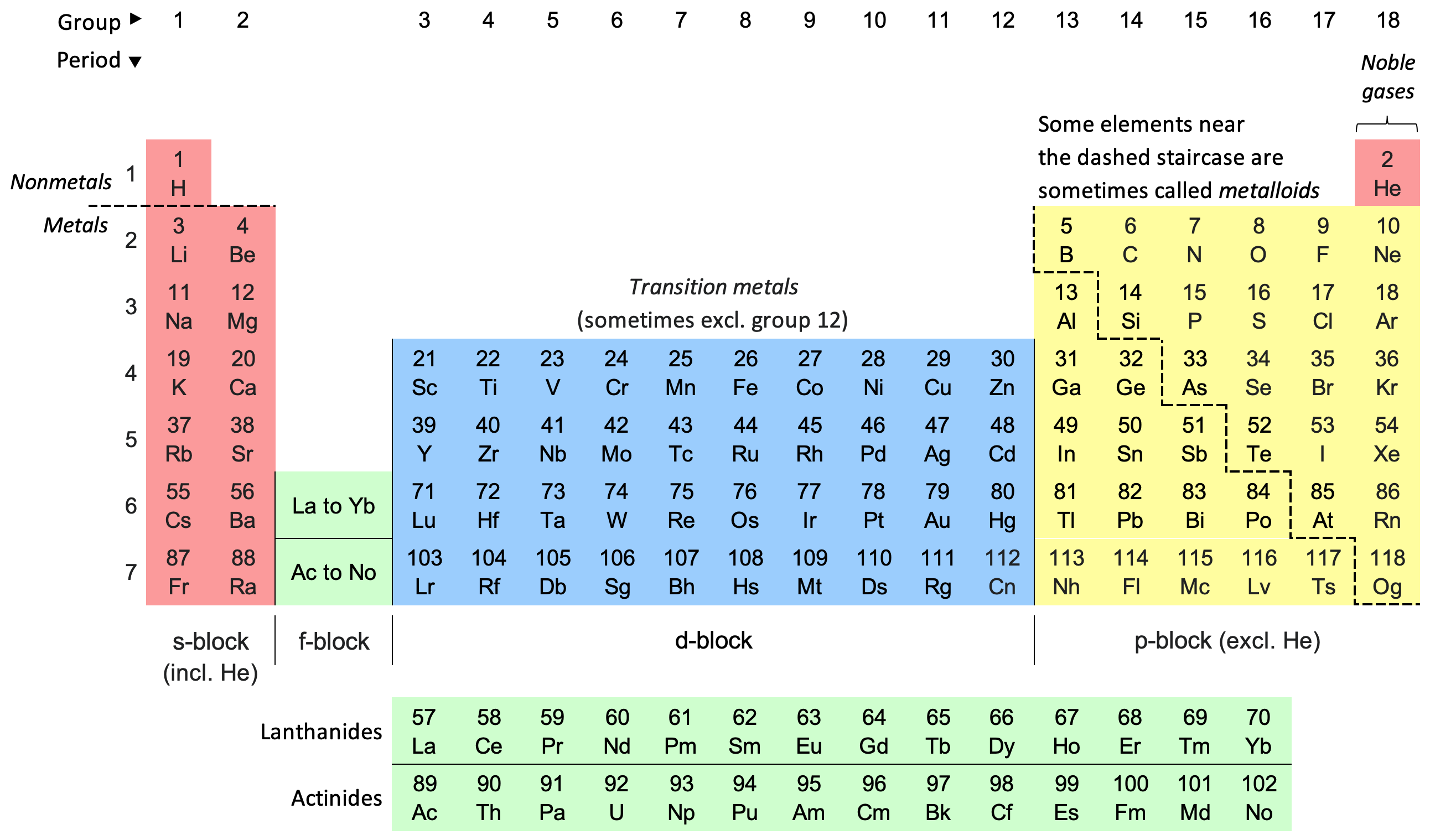
Researchers are currently looking for ways to create synthetic alternatives or use more common elements to perform the jobs of rarer ones. For example, software-driven simulations are being used to discover new alloys that could replace neodymium in magnets or iridium in sensors. This fusion of AI software and material science represents the next great frontier in technology: using code to master the elements.
The periodic table is the silent blueprint of the digital age. Every leap in software capability—from the latest AI assistant to the most secure blockchain—is ultimately limited by our mastery of the elements. By understanding these physical building blocks, we gain a deeper appreciation for the gadgets we use and a clearer vision of the technological trends that will shape our future.
aViewFromTheCave is a participant in the Amazon Services LLC Associates Program, an affiliate advertising program designed to provide a means for sites to earn advertising fees by advertising and linking to Amazon.com. Amazon, the Amazon logo, AmazonSupply, and the AmazonSupply logo are trademarks of Amazon.com, Inc. or its affiliates. As an Amazon Associate we earn affiliate commissions from qualifying purchases.