
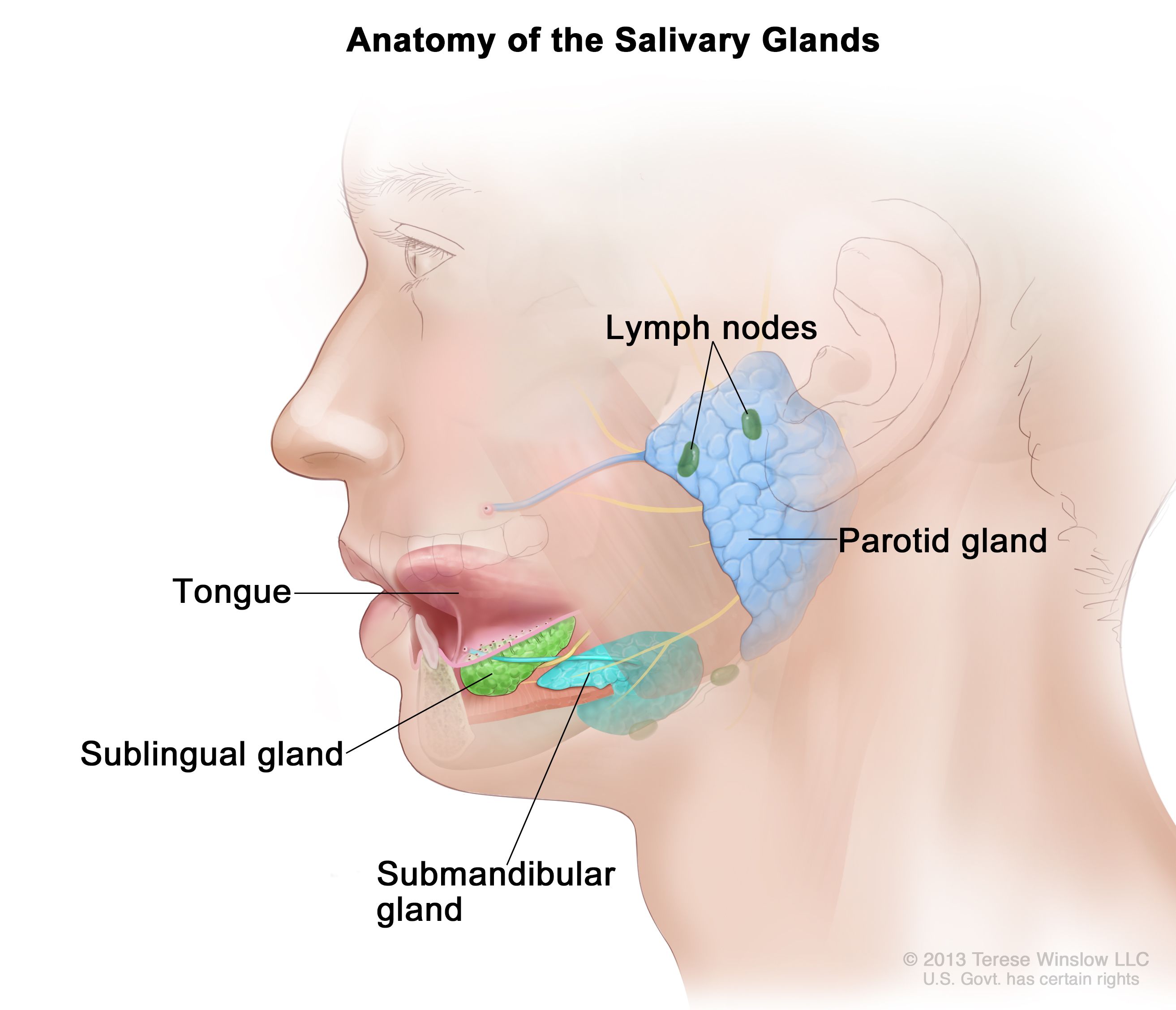
In the world of anatomy, the glands under your chin—the submandibular and sublingual salivary glands, along with various lymph nodes—perform essential, life-sustaining functions that are rarely seen until something goes wrong. They regulate health, manage filtration, and ensure the body’s systems are lubricated and functional. In the world of high-level brand strategy, we find a striking parallel.
When we talk about “the glands under your chin” in a professional branding context, we are referring to the invisible, vital infrastructure that sits just beneath the surface of a corporate identity. While the “face” of the brand—the logo, the color palette, and the catchy slogan—receives all the public attention, it is the internal “glands” of the organization that determine whether that brand will thrive or wither. This article explores the hidden mechanisms of brand strategy, corporate identity, and the systemic support structures that keep a global brand healthy.
The Anatomy of Identity: Why the “Face” Isn’t Everything
In branding, there is a common misconception that identity is purely aesthetic. Many businesses focus exclusively on the “chin”—the visible protrusion of the brand that meets the world. However, just as physical glands provide the necessary biological support for the face, a brand’s internal culture and core values provide the structural integrity for its public image.
The Visible vs. The Invisible Brand
The visible brand is what we see in a television commercial or a social media feed. It is polished, curated, and designed for maximum appeal. Yet, the invisible brand—the “glands” under the chin—consists of the operational protocols, the employee experience, and the supply chain ethics that the public rarely sees. If these internal glands are not functioning correctly, the external brand will eventually reflect that dysfunction. For instance, a brand that markets itself as eco-friendly (the face) but relies on unsustainable manufacturing (the glands) will eventually suffer from a “swollen” reputation when the contradiction is exposed.
Defining the “Glands”: Internal Culture and Values
Internal culture acts as the lymph nodes of a brand. In the human body, lymph nodes filter out toxins. In a corporation, a strong culture filters out behaviors and decisions that do not align with the brand’s mission. When a brand’s internal glands are healthy, employees become brand ambassadors. They don’t just work for a company; they embody its identity. This internal alignment is the secret sauce of brands like Apple or Nike. Their external success is a direct byproduct of an internal glandular system that prioritizes innovation and performance at every subterranean level.
The Submandibular Strategy: Support Systems That Fuel Growth
If we look at the submandibular glands, their primary role is the production of saliva, which aids in digestion and maintains oral health. In brand strategy, this translates to the “lubrication” of the customer journey—the seamless systems and data-driven insights that make interacting with a brand effortless.
Operational Efficiency as a Brand Driver
Many strategists fail to realize that operations are a function of branding. When a customer interacts with a brand, they are interacting with the end result of a massive internal system. If the logistics are clunky or the customer service is disjointed, the brand “mouth” goes dry. A healthy brand ensures that its “glands”—its CRM systems, its fulfillment software, and its UX design—are constantly secreting a high-quality experience. This operational health allows the brand to digest market challenges and convert them into growth opportunities.
Data Integrity: The Hormones of Market Decision-Making
Just as glands release hormones to regulate bodily functions, data releases the insights necessary to regulate brand positioning. In the modern era, “Brand Strategy” is no longer a matter of intuition; it is a matter of information. The glands under the chin of a modern corporation are its data analytics departments. These systems monitor consumer behavior, sentiment, and emerging trends. By maintaining healthy data “glands,” a brand can pivot its strategy in real-time, ensuring that the corporate body remains responsive to the external environment.

When the Glands Swell: Managing Crisis and Brand Reputation
In medicine, swollen glands are a primary indicator of infection or systemic stress. In branding, a “swollen gland” manifests as a public relations crisis, a drop in stock price, or a mass exodus of talent. These issues are rarely isolated incidents; they are symptoms of an underlying systemic failure.
Identifying “Infection” in Corporate Messaging
A brand infection often starts with a disconnect between promise and delivery. This is what we call “brand cognitive dissonance.” When the glands (internal reality) are out of sync with the chin (external promise), the system becomes inflamed. For example, when a major tech company promises data privacy but is caught in a leak, the “glands” of that brand have become infected. The swelling is the public outcry. Identifying these infections early requires a brand to have a robust internal auditing system—a diagnostic tool that checks the health of the brand’s core before the symptoms become visible to the public.
The Role of PR in Systemic Healing
Traditional PR often tries to treat the symptom—applying a “cold compress” to the swelling. However, true brand strategy requires systemic healing. If the glands are the problem, you cannot fix them with makeup. You must treat the underlying cause. This might mean a total overhaul of corporate governance, a shift in leadership, or a fundamental change in the brand’s value proposition. Healing the brand from the inside out ensures that once the swelling goes down, the brand returns stronger and more resilient than before.
Cultivating Long-term Vitality: Strengthening the Brand’s Hidden Organs
To maintain a youthful and vibrant brand, one must look beyond the surface level of marketing and design. Long-term brand vitality is achieved by nourishing the hidden organs that support the identity. This involves a commitment to consistency, transparency, and evolution.
Continuous Auditing of the Internal Narrative
Just as a person might have a regular check-up to ensure their glands are functioning, a brand must undergo regular strategic audits. This is not just about financial performance; it is about narrative health. Does the internal staff still believe in the mission? Are the “glands” of the organization—the middle management and the back-end developers—aligned with the CEO’s vision? A brand that neglects these internal audits will eventually find itself with a “sagging” identity, unable to support the weight of its own market presence.
Investing in Employee Advocacy as a Biological Defense
In the biological sense, our glands are part of our defense system. In branding, your strongest defense against market volatility is your workforce. Employee advocacy is the “immune system” of the brand. When a company invests in its people, it strengthens its internal glands. These employees then act as a protective layer, defending the brand’s reputation during lean times and amplifying its message during prosperous ones. A brand with healthy internal glands is nearly impossible to disrupt because its strength is distributed throughout its entire “body,” rather than being concentrated only in its “face.”

Conclusion: The Holistic Approach to Brand Health
“What are the glands under your chin?” In the context of 21st-century business, they are the vital, invisible, and often undervalued components of brand strategy that dictate survival. They are the culture, the data, the operations, and the values that sit beneath the surface of every logo and advertisement.
To build a brand that lasts, leaders must stop obsessing over the “face” and start paying attention to the “glands.” A beautiful logo can attract attention, but only a healthy internal infrastructure can sustain it. By focusing on the submandibular aspects of branding—the support systems, the internal filtration of values, and the lubrication of the customer experience—a company ensures that its identity is not just a mask, but a living, breathing, and thriving entity.
In an era of radical transparency, the world can see right through a pretty face if the glands underneath are failing. True brand strategy is the art of ensuring that what happens under the chin is just as healthy, functional, and impressive as what the world sees on the surface. Only then can a brand truly claim to have a healthy identity.
aViewFromTheCave is a participant in the Amazon Services LLC Associates Program, an affiliate advertising program designed to provide a means for sites to earn advertising fees by advertising and linking to Amazon.com. Amazon, the Amazon logo, AmazonSupply, and the AmazonSupply logo are trademarks of Amazon.com, Inc. or its affiliates. As an Amazon Associate we earn affiliate commissions from qualifying purchases.