
The intersection of silicon and biology has redefined our understanding of pharmacology. Historically, the question “what are the different types of drugs” would have yielded a list of chemical compounds categorized by their physiological effects—analgesics, stimulants, or antibiotics. However, in the contemporary landscape of technology trends and AI-driven innovation, the classification of drugs has shifted from a purely chemical perspective to a technological one.
Today, the pharmaceutical industry is being swallowed by the tech sector. We are no longer just mixing reagents in beakers; we are sequencing code, utilizing machine learning to predict molecular folding, and treating the human genome as a programmable operating system. To understand the different types of “drugs” in the modern era is to understand the different technology stacks used to build them.
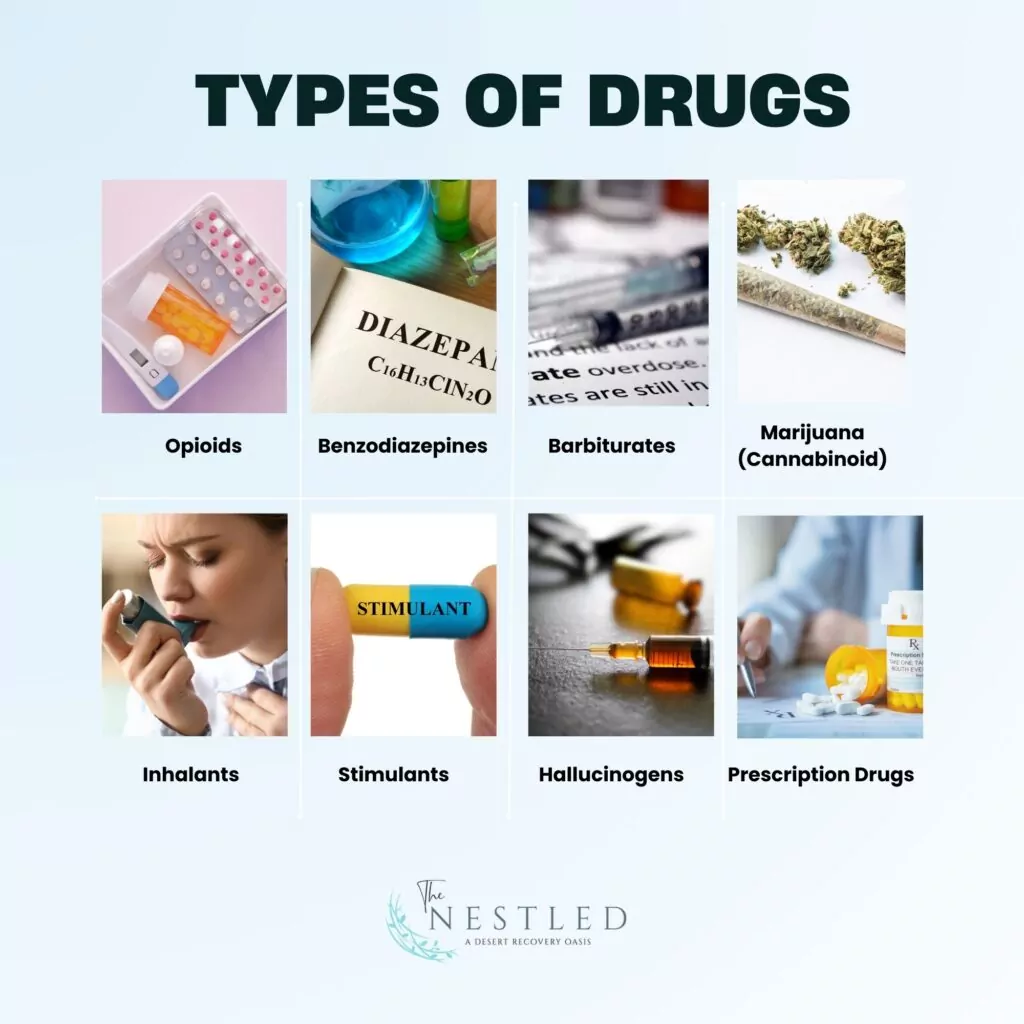
1. Small Molecule Drugs: The Legacy of Computational Chemistry
Small molecule drugs represent the traditional pillar of the pharmaceutical world. These are low-molecular-weight compounds that can easily enter cells and interact with specific biological targets. While they are the oldest “type” of drug, the technology used to identify and synthesize them has undergone a radical digital transformation.
The Role of High-Throughput Screening (HTS)
In the past, discovering a new small molecule drug was a matter of trial and error. Today, Tech-driven laboratories utilize High-Throughput Screening. This involves robotics, data processing software, and sensitive detectors that allow researchers to quickly conduct millions of chemical, genetic, or pharmacological tests. This automated process creates massive datasets that serve as the foundation for the next generation of drug development.
Structure-Based Drug Design (SBDD)
Technology has moved us from “discovery” to “design.” Through advanced imaging software and X-ray crystallography, scientists can visualize the 3D structure of a target protein. Using computer-aided drug design (CADD) tools, engineers can model how different small molecules will bind to that protein. This “lock and key” digital modeling reduces the time and cost of early-stage development by eliminating unviable candidates before they ever reach a physical lab.
2. Biologics and the Rise of Large Molecule Engineering
As we moved into the 21st century, the focus shifted from simple chemical synthesis to complex biological engineering. Biologics are drugs derived from living organisms—human, animal, or microorganisms—and they represent some of the most sophisticated technology in modern medicine.
Monoclonal Antibodies (mAbs)
Monoclonal antibodies are a triumph of laboratory technology. These are immune system proteins created in a lab that are designed to bind to very specific targets, such as cancer cells. The tech stack involved in mAb production includes sophisticated bioreactors and purification software that ensures the consistency of these highly complex molecules. Unlike small molecules, which are synthesized via chemical reactions, mAbs are “grown,” requiring precise environmental controls monitored by IoT sensors and AI-driven maintenance systems.
Recombinant DNA Technology
The backbone of the biologics sector is recombinant DNA technology. By using molecular cloning tools, scientists can insert specific genes into host cells, essentially “reprogramming” the cell to produce a desired therapeutic protein (like insulin). This type of drug is less a chemical product and more a feat of genetic software engineering, where the DNA sequence acts as the source code for the production of the medicine.
3. Programmable Medicine: mRNA and Gene Therapies
Perhaps the most exciting category in the tech-heavy world of pharmacology is “programmable medicine.” This represents a shift where the drug itself is not the cure, but rather a set of instructions that tells the patient’s own body how to produce the cure.
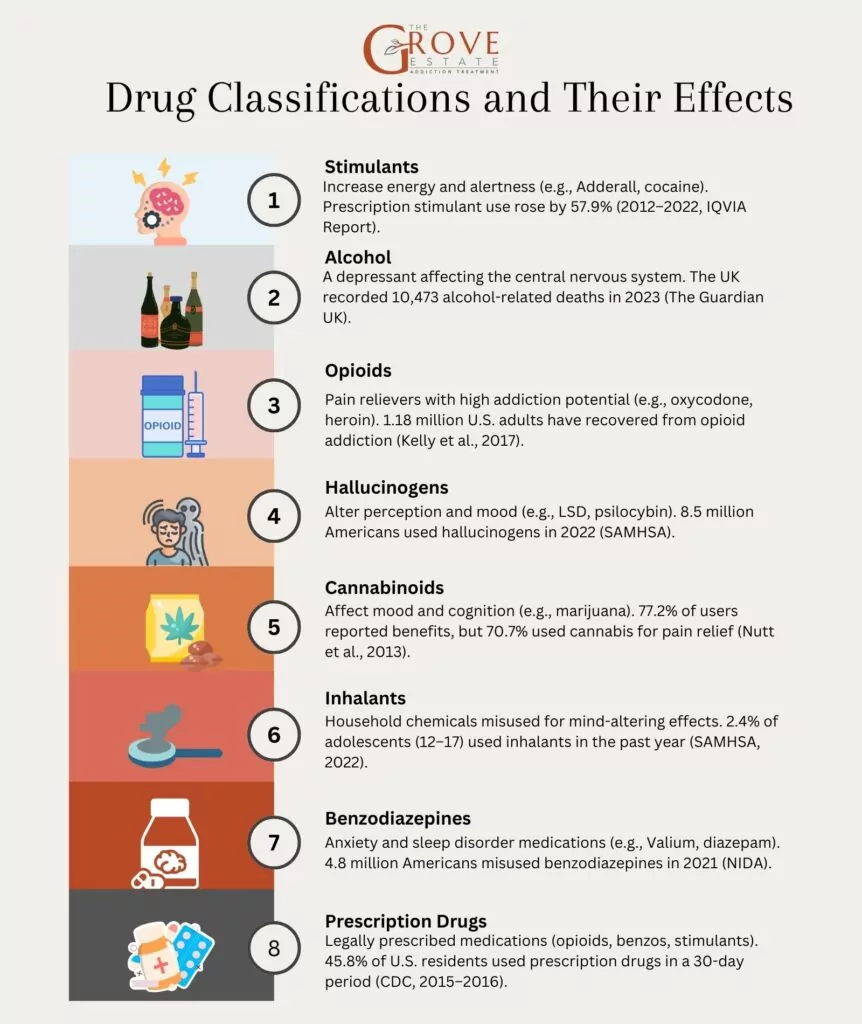
mRNA Technology as Software
The development of mRNA (messenger RNA) vaccines and therapeutics is the ultimate example of technology merging with biology. In this model, the “drug” is a sequence of genetic code wrapped in a lipid nanoparticle. Once injected, the body’s cellular machinery reads this code to build specific proteins. From a tech perspective, this makes drug development highly modular. If the target changes (as with a viral mutation), the “hardware” (the delivery system) stays the same, while the “software” (the mRNA sequence) is simply updated in the digital file before production.
CRISPR and Gene Editing
CRISPR-Cas9 has turned the human genome into an editable document. As a “type” of drug, gene editing therapies are technological interventions that permanently or semi-permanently alter DNA to treat genetic disorders. The tools used here are sophisticated “molecular scissors” guided by bioinformatic algorithms that predict off-target effects. This category of treatment relies heavily on digital security and data integrity, as the modification of genetic data carries profound long-term implications.
4. AI and Machine Learning: The New Engines of Classification
The most significant tech trend in the pharmaceutical space is the application of Artificial Intelligence (AI) and Machine Learning (ML) to categorize and discover new drugs. We are moving away from manual classification toward “Predictive Pharmacology.”
Virtual Screening and AlphaFold
For decades, predicting how a protein would fold was one of biology’s greatest challenges. Google DeepMind’s AlphaFold changed that. By using AI to solve the protein-folding problem, the technology has mapped nearly every protein known to science. This library allows researchers to classify potential drugs based on digital simulations rather than physical testing. AI tools can now perform “virtual screening,” scanning databases of billions of molecules to identify which ones have the highest probability of success, effectively narrowing a decade-long search down to a few weeks.
Digital Twins in Clinical Trials
Another technological “type” of drug development involves the use of Digital Twins. By creating a digital model of a patient’s physiology, researchers can simulate how a specific drug type will interact with a specific individual. This moves us toward “In Silico” trials, where the initial phases of drug testing are performed entirely within a computer. This technology reduces the risk to human subjects and provides a data-rich environment for refining drug formulations before they ever enter a pharmacy.
5. The Digital Transformation of Drug Delivery and Monitoring
Finally, we must consider the hardware and software ecosystems that surround the drugs themselves. In the tech world, a “drug” is often part of a larger “Connected Health” platform.
Smart Drug Delivery Systems
The classification of a drug now includes its delivery mechanism. We see the rise of “smart” inhalers and insulin pumps that are connected to mobile apps via Bluetooth. These gadgets track dosage, monitor patient vitals in real-time, and send data back to healthcare providers. The drug is no longer a standalone product; it is a node in an Internet of Medical Things (IoMT) network.
Blockchain in the Pharmaceutical Supply Chain
The integrity of different types of drugs is being protected by blockchain technology. To combat counterfeit medications and ensure the stability of temperature-sensitive biologics, tech firms are implementing decentralized ledgers to track every step of a drug’s journey. This digital “pedigree” ensures that whether a drug is a small molecule or a complex gene therapy, its journey from the lab to the patient is transparent, secure, and verified.

Conclusion: The Convergence of Code and Chemistry
When we ask “what are the different types of drugs” today, the answer is increasingly found in the data centers of Silicon Valley as much as the laboratories of Basel or Boston. We have transitioned from a world of simple chemical classifications to a sophisticated ecosystem of small molecules, engineered biologics, programmable mRNA, and AI-optimized compounds.
The future of this niche lies in the continued integration of AI, cloud computing, and advanced robotics into the drug development lifecycle. As we move toward personalized medicine, the “types” of drugs we use will become as unique as our own genetic code, designed by algorithms and delivered by smart technology. For the technologist and the investor alike, the pharmaceutical industry is no longer a separate entity—it is the next great frontier of the digital revolution.
aViewFromTheCave is a participant in the Amazon Services LLC Associates Program, an affiliate advertising program designed to provide a means for sites to earn advertising fees by advertising and linking to Amazon.com. Amazon, the Amazon logo, AmazonSupply, and the AmazonSupply logo are trademarks of Amazon.com, Inc. or its affiliates. As an Amazon Associate we earn affiliate commissions from qualifying purchases.