
In the biological world, blood plasma is the life-sustaining fluid that carries nutrients, hormones, and proteins to the parts of the body that need them. It is the medium of exchange, the transport mechanism, and the primary indicator of systemic health. In the world of high-stakes business and personal finance, a nearly identical substance exists: liquidity.
To understand the health of a commercial enterprise or a complex investment portfolio, one must look beyond the “bones” of fixed assets and the “muscle” of labor. One must examine the “financial blood plasma”—the liquid capital and cash equivalents that circulate through the organization to ensure every department, project, and debt obligation remains vital. Without high-quality plasma, the corporate body suffers from ischemia, eventually leading to systemic failure, regardless of how strong the underlying brand or product may be.

Understanding the Analogy: Why Liquidity is Your Business’s Plasma
In financial terms, plasma is represented by the most liquid portions of a balance sheet. While a company’s “blood” might be its total capital, the “plasma” is the specific component that remains fluid and accessible. It is not the factory, the intellectual property, or the long-term real estate holdings; rather, it is the cash and “near-cash” that facilitates every transaction.
The Role of Circulation in Financial Health
Just as biological plasma must circulate constantly to prevent stagnation and clotting, financial capital must move. The velocity of money within a business—how quickly cash is deployed, recovered, and redeployed—dictates the growth rate of the entity. Stagnant cash is like a pool of plasma that isn’t moving; it loses its utility and fails to deliver the necessary “nutrients” (investment) to the “organs” (departments) that drive innovation and sales.
Monitoring the Financial Pulse
Professional investors and Chief Financial Officers (CFOs) act as the primary physicians of this system. They use specific metrics—such as the Quick Ratio and the Current Ratio—to measure the volume and pressure of this financial plasma. A “low plasma volume” in business means the company cannot meet its short-term obligations, leading to a liquidity crisis that can be fatal even for profitable companies. Conversely, “high plasma pressure” (excessive idle cash) suggests an inefficiency in capital allocation, where the organization is failing to put its resources to work.
The Three Core Components of Financial Blood Plasma
To manage liquidity effectively, one must break down the “plasma” into its constituent parts. In a corporate or investment context, these components vary in their “viscosity” or how easily they can be converted into immediate spending power.
1. Cash and Cash Equivalents: The Water of the System
The largest component of biological plasma is water, and the equivalent in finance is cold, hard cash. This includes physical currency, demand deposits, and highly liquid instruments with maturities of three months or less, such as Treasury bills.
This component provides the immediate “hydrostatic pressure” needed to keep the business operational. It pays the salaries, covers the rent, and settles the immediate invoices from suppliers. In times of economic volatility, the “water content” of your financial plasma becomes your most important defense mechanism. It provides the optionality to pivot when the market shifts or to survive a sudden “hemorrhage” in revenue.
2. Accounts Receivable: The Nutrients in Transit
In the human body, plasma carries glucose and electrolytes that are destined for the cells. In business, Accounts Receivable (AR) represents the nutrients that have been sent out but have not yet been fully absorbed back into the cash cycle.
AR is a vital component of plasma because it represents future liquidity. However, just as the body can struggle if nutrients aren’t absorbed efficiently, a business can suffer if its “collection cycle” is too slow. High-quality financial plasma consists of AR from reliable, creditworthy clients who pay on time. If the AR component becomes “clogged” with bad debt or delinquent payers, the plasma loses its life-sustaining properties, and the business may find itself in a state of “functional dehydration” despite having high paper profits.
3. Marketable Securities and Short-Term Investments: The Regulatory Proteins
Plasma contains proteins like albumin and fibrinogen that regulate osmotic pressure and facilitate clotting. In finance, short-term investments and marketable securities serve this regulatory function. These are assets like commercial paper, money market funds, and short-term bonds that can be liquidated within a few days.
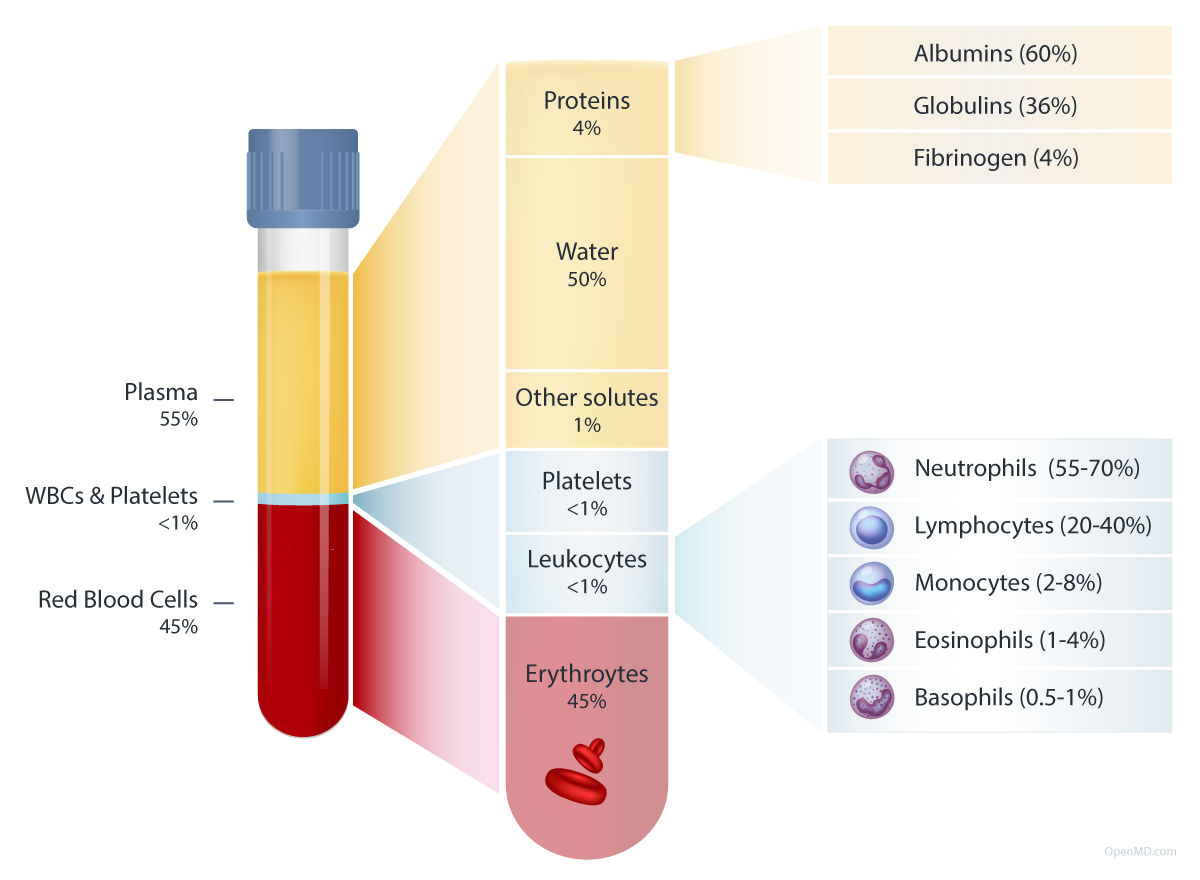
These components allow a company to earn a modest return on its “plasma” while maintaining the ability to convert those assets back into cash quickly. They act as a buffer, ensuring that the company isn’t just sitting on “dead” cash that loses value to inflation, but is instead holding “active” plasma that contributes to the overall strength of the financial system while remaining ready for deployment at a moment’s notice.
Hemostasis in Finance: Maintaining Balance and Preventing Hemorrhage
In medicine, hemostasis is the process that causes bleeding to stop. In the world of money and business finance, maintaining hemostasis is the art of risk management and capital preservation. A business that cannot control its outflows is effectively “bleeding out,” and no amount of new capital (blood transfusions) will save it if the underlying wounds are not closed.
Managing the “Burn Rate”
For startups and growth-stage companies, the “burn rate” is the speed at which they consume their financial plasma. While some level of “bleeding” is expected during the growth phase, it must be calculated and controlled. Professional financial management requires a constant assessment of the “clotting factors”—the ability to cut costs, delay expenditures, or accelerate revenue—to ensure the burn rate does not exceed the available plasma supply before the company reaches profitability.
Hedging Against External Shocks
External shocks—such as a sudden market crash, a supply chain disruption, or a global pandemic—act as trauma to the corporate body. To survive, the financial plasma must be robust. This is where “contingency capital” comes into play. By maintaining credit lines and emergency reserves, a business ensures it has access to “supplemental plasma” during times of crisis. This proactive approach to hemostasis prevents a temporary setback from turning into a terminal collapse.
The Danger of Illiquidity
The most common cause of business failure is not a lack of profit, but a lack of liquidity. A company can have millions of dollars in “tissue” (assets like equipment and buildings) but still go bankrupt if it lacks “plasma” to pay its debts. This state of “illiquidity” is the financial equivalent of a stroke; the vital resources exist within the system, but they cannot reach the areas where they are needed most, causing the entity to seize up and fail.
Optimizing the Flow: Modern Tools for Financial Plasma Management
In the modern era, managing the components of financial blood plasma has moved beyond simple ledgers and spreadsheets. Technology has introduced “diagnostic tools” that allow for real-time monitoring and precision management of liquidity.
AI and Predictive Liquidity Forecasting
Artificial Intelligence (AI) now allows companies to predict their plasma needs with unprecedented accuracy. By analyzing historical data, seasonal trends, and macroeconomic indicators, AI tools can forecast when a company’s liquidity might dip dangerously low or when it will have a surplus that should be moved from “water” (cash) into “proteins” (investments). This predictive capability allows the financial “physician” to administer treatments before a crisis even begins.
Treasury Management Systems (TMS)
A modern Treasury Management System acts as the central nervous system for a company’s financial plasma. It provides a real-time view of cash positions across multiple currencies, banks, and jurisdictions. For multinational corporations, this is essential for “plasma pooling”—the practice of moving liquidity from a subsidiary with a surplus to one with a deficit, ensuring that the entire corporate body remains healthy without having to seek expensive external “transfusions” of high-interest debt.
Digital Currencies and the Future of Liquidity
As we look toward the future, the very nature of financial plasma is evolving. Digital assets and stablecoins are beginning to offer a new way to move “nutrients” through the global economy at lightning speed. These technologies promise to reduce the “friction” in the plasma, allowing for instantaneous settlement of transactions and a more efficient circulation of capital. For the modern investor or business owner, understanding these new components is essential for maintaining a competitive edge in an increasingly fluid financial landscape.

Conclusion: The Vitality of the Fluid
Just as a physician monitors blood plasma to gauge the health of a patient, the astute business leader or investor must obsess over the components of their financial liquidity. Cash, receivables, and short-term investments are not just entries on a balance sheet; they are the life-sustaining fluids that allow an organization to breathe, grow, and survive the inevitable traumas of the marketplace.
By understanding these components and utilizing the latest tools to manage their flow, you can ensure that your financial body remains resilient, agile, and prepared for whatever challenges lie ahead. In the end, it is not the size of the entity that determines its survival, but the health and circulation of its plasma. Stay liquid, stay vital, and keep the capital flowing.
aViewFromTheCave is a participant in the Amazon Services LLC Associates Program, an affiliate advertising program designed to provide a means for sites to earn advertising fees by advertising and linking to Amazon.com. Amazon, the Amazon logo, AmazonSupply, and the AmazonSupply logo are trademarks of Amazon.com, Inc. or its affiliates. As an Amazon Associate we earn affiliate commissions from qualifying purchases.