
In the landscape of modern digital communication, the email remains a cornerstone of professional and personal interaction. Despite the rise of instant messaging platforms and collaborative workspaces, billions of emails are sent daily, carrying everything from sensitive corporate data to casual social invitations. Within this infrastructure, the “BCC” (Blind Carbon Copy) field is one of the most powerful yet frequently misunderstood features. While most users are familiar with the “To” and “CC” fields, BCC operates on a distinct technical and ethical plane. Understanding the technical mechanics, security implications, and strategic deployment of BCC recipients is essential for anyone navigating the complexities of 21st-century technology.

1. The Evolution of Email Communication: CC vs. BCC
To understand the modern application of BCC, one must first look at the legacy of the technology it replaced. The terms “CC” and “BCC” are hangovers from the era of physical typewriters and carbon paper. When a document needed to be duplicated, a sheet of carbon paper was placed between two sheets of stationery; the pressure of the typewriter keys transferred ink through the carbon to the bottom sheet.
The Origin of the Terms
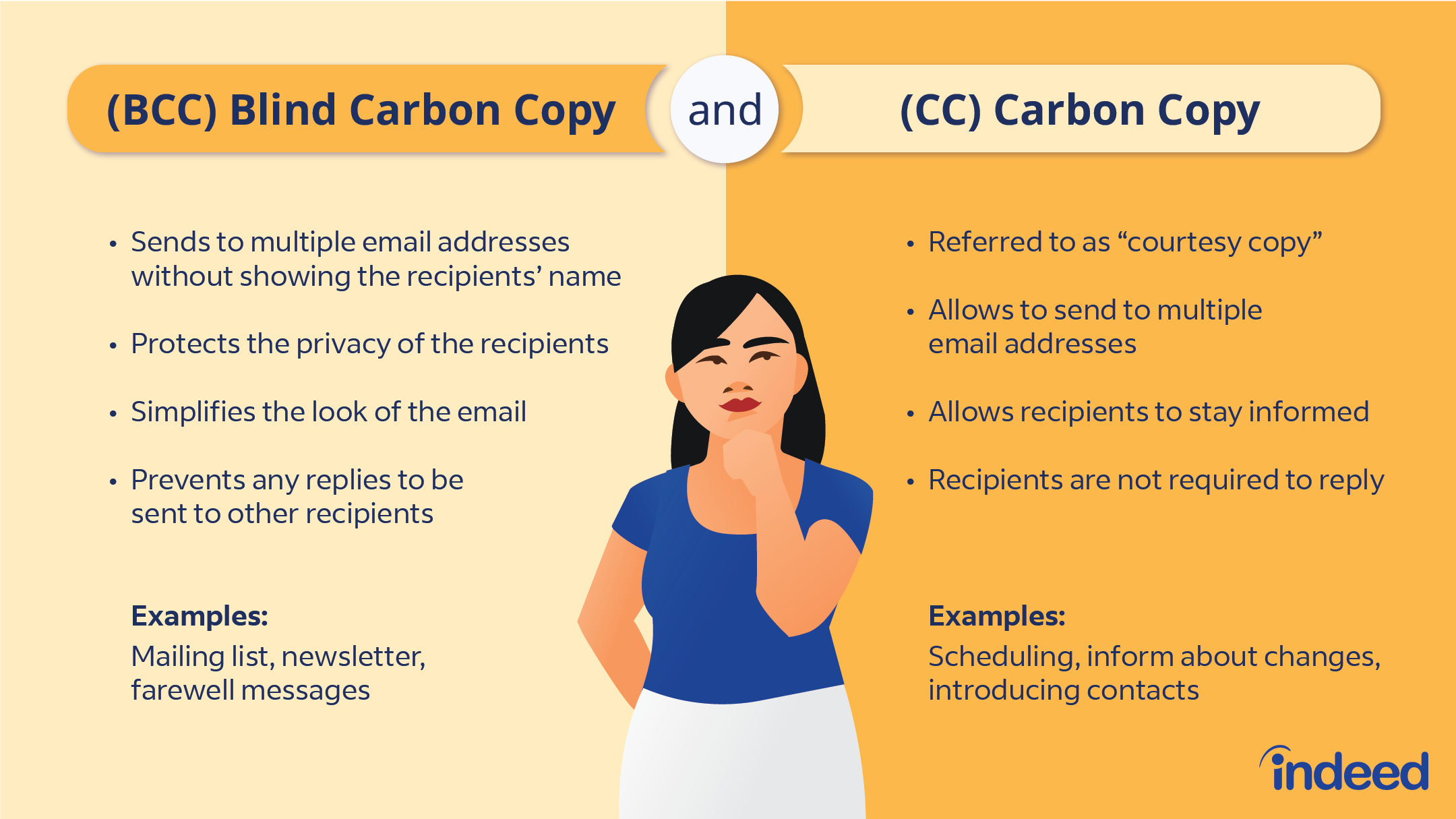
“CC” stands for Carbon Copy. In the early days of office automation, if you wanted to send the same letter to two people, you created a carbon copy. In the digital realm, the CC field serves a similar purpose: it notifies secondary recipients that they are being kept “in the loop.” Crucially, every recipient in the “To” and “CC” fields can see every other recipient’s email address.
“BCC,” or Blind Carbon Copy, was designed for a different purpose. It allows a sender to copy a recipient into a thread without any other participants knowing. Unlike a standard carbon copy, the BCC recipient remains “blind” or invisible to the primary audience.
Functional Differences in Modern Email Clients
In contemporary software like Microsoft Outlook, Gmail, and Apple Mail, these fields are handled by specific protocols. When you place an address in the “To” or “CC” field, that information is embedded in the email’s header data. This header is transmitted along with the message body and is rendered by the recipient’s email client.
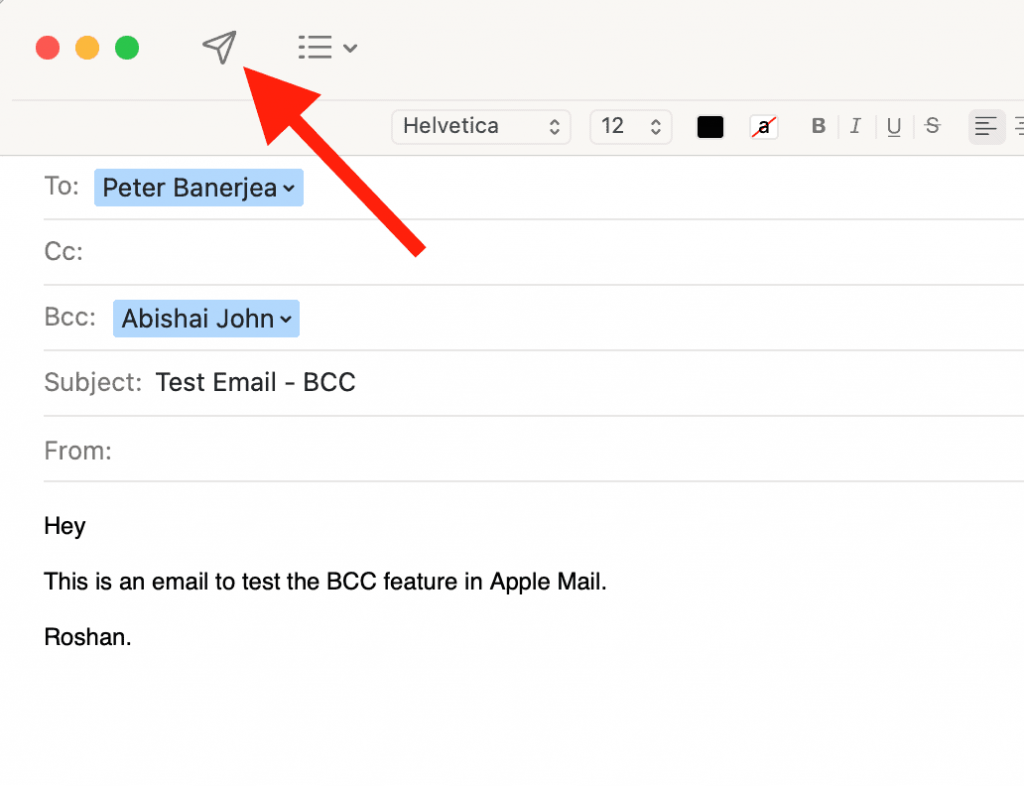
Conversely, the BCC field is handled differently by the Mail Transfer Agent (MTA). While the sender’s client records the BCC recipients for the sender’s own “Sent” folder, the protocol ensures that these addresses are stripped from the message header before the email arrives in the inboxes of the “To” and “CC” participants. This distinction is the fundamental basis for email privacy in group settings.
2. Technical Infrastructure and Privacy Protocols
From a technology standpoint, the management of BCC recipients involves a sophisticated interaction between the email client (the software you use) and the Simple Mail Transfer Protocol (SMTP) server. Understanding this process reveals why BCC is a critical tool for digital security.
How SMTP Servers Handle BCC Data
When you hit “send” on an email with BCC recipients, your email client communicates with an SMTP server. The server receives a list of all recipients, including those in the BCC field. However, the SMTP protocol dictates a specific “envelope” structure.
The “envelope” contains the routing information (where the email is going), while the “header” contains the information the recipient sees. The server uses the BCC list to route the email to those specific addresses but ensures those addresses are never written into the “To” or “CC” lines of the header for the other recipients. Essentially, the server creates a unique delivery path for the BCC recipients, effectively isolating their presence from the primary communication thread.
Preventing Data Leaks: The Security Aspect
The BCC field is one of the primary lines of defense against “email harvesting” and unintentional data breaches. When an organization sends an announcement to hundreds of clients using the “To” or “CC” fields, they are effectively publishing a directory of all those individuals’ private contact information to every person on that list.
In the context of digital security, this is a significant vulnerability. If one recipient’s account is compromised, a hacker gains access to a verified list of active email addresses, which can then be used for phishing attacks, spam, or social engineering. By utilizing BCC, the sender ensures that each recipient’s identity remains protected, adhering to the principle of least privilege—where individuals only have access to the information absolutely necessary for the task at hand.
3. Strategic Use Cases for BCC in Professional Environments
Beyond basic privacy, BCC serves several strategic functions in a professional tech environment. Whether for marketing, compliance, or internal management, knowing when to deploy a “blind” copy can streamline workflows and protect brand integrity.
Mass Communication and Newsletters
For small businesses or individual departments that do not yet utilize a dedicated Customer Relationship Management (CRM) or email marketing tool (like Mailchimp or HubSpot), BCC is the standard method for mass communication.
When sending a departmental update or a community newsletter, using BCC prevents the “Reply All” apocalypse. We have all experienced the frustration of a single recipient replying to a mass email, triggering a chain reaction of “Please remove me from this list” messages that flood everyone’s inbox. Using BCC mitigates this risk because a “Reply All” from a BCC recipient will only go to the original sender and the people listed in the “To” and “CC” fields—it will not reach the other hidden recipients.
Compliance and Record Keeping
In many regulated industries, such as finance or legal tech, maintaining a record of correspondence is a legal requirement. BCC is often used as a “logging” tool. An employee might BCC a dedicated archive or compliance address on all outgoing client communications. This creates a real-time, tamper-proof record of the interaction on the company’s internal servers without alerting the client or cluttering the visible header with administrative email addresses. This technical workaround ensures that the company meets its regulatory obligations while maintaining a clean, professional appearance for the end-user.
4. Digital Etiquette and Ethical Considerations
While BCC is a powerful technical tool, its use is governed by a complex set of unwritten rules often referred to as “netiquette.” Misusing the BCC field can lead to a breakdown in trust or, in some cases, professional disaster.
The Risks of “Reply All” and Invisible Threading
The greatest technical risk for a BCC recipient is the “Reply All” function. If a manager BCCs a colleague into a sensitive negotiation to keep them informed, and that colleague accidentally hits “Reply All,” their response will be sent to the primary “To” recipient. This immediately reveals that they were secretly watching the conversation, which can be seen as deceptive or “spying.”
To mitigate this, tech-savvy professionals often suggest a “Forward” rather than a BCC. By forwarding a sent email to the interested party, the sender achieves the same goal—keeping the colleague informed—without the technical risk of an accidental disclosure through the “Reply All” command.
Transparency vs. Surveillance in Workplace Tech
There is also an ethical dimension to BCC in the workplace. Using BCC to “loop in” a superior during a dispute with a coworker without the coworker’s knowledge is often viewed as “back-channeling.” While the technology allows for this invisibility, it can create a culture of surveillance and distrust.
In high-performing tech cultures, transparency is usually prioritized. Instead of using BCC to monitor employees, managers are encouraged to be open about who is involved in a project. The BCC field should ideally be reserved for its original technical purpose: protecting the privacy of external parties or for administrative archiving, rather than for covert internal monitoring.
5. Future-Proofing Email Privacy: Beyond BCC
As we move further into the decade, the reliance on BCC is being challenged by more sophisticated privacy technologies and collaborative platforms. While BCC remains a staple, the “Tech” niche is evolving toward even more secure methods of communication.
Encrypted Communication and Secure Relays
With the rise of the General Data Protection Regulation (GDPR) and other global privacy laws, the simple BCC field may not always be enough to ensure compliance. New email security tools are emerging that use “Secure Relays.” Instead of sending a single email to a BCC list, these tools generate individual, personalized emails for every recipient. This eliminates the risk of header leaks entirely and allows for advanced tracking and encryption that a standard SMTP BCC cannot provide.
The Shift to Collaborative Platforms
Platforms like Slack, Microsoft Teams, and Discord are fundamentally changing how we think about “copies.” In these environments, communication happens in “channels” or “spaces” where permissions are managed by software roles rather than address fields. In these systems, the concept of a “blind” recipient is replaced by “private channels” or “restricted access,” offering a more robust and auditable way to manage who sees what information.
However, until the entire world migrates away from the open standard of email, the BCC recipient will remain a vital part of our digital toolkit. By mastering the technical nuances of the Blind Carbon Copy, users can protect their privacy, maintain professional standards, and ensure that their digital footprint remains secure and intentional. BCC is more than just a hidden list; it is a fundamental protocol for the discreet and secure exchange of information in a hyper-connected world.
aViewFromTheCave is a participant in the Amazon Services LLC Associates Program, an affiliate advertising program designed to provide a means for sites to earn advertising fees by advertising and linking to Amazon.com. Amazon, the Amazon logo, AmazonSupply, and the AmazonSupply logo are trademarks of Amazon.com, Inc. or its affiliates. As an Amazon Associate we earn affiliate commissions from qualifying purchases.