
For decades, the question of “what’s the earliest for a pregnancy test” was answered by a simple calendar and a biological waiting game. Today, that question has moved out of the realm of pure biology and into the sophisticated world of FemTech, bio-sensor engineering, and predictive data analytics. As we move deeper into the 2020s, the “earliest” window is no longer a static date—it is a moving target being pushed forward by advancements in hardware sensitivity and software-driven cycle tracking.
To understand the earliest point at which technology can detect a pregnancy, we must look beyond the plastic stick and into the digital infrastructure that makes modern diagnostic tools possible.
The Bio-Sensor Revolution: Engineering Early Detection Hardware
The technological evolution of the home pregnancy test is a marvel of chemical and optical engineering. At its core, the question of timing is a question of “Limits of Detection” (LoD). Traditional tests required a high concentration of Human Chorionic Gonadotropin (hCG), the hormone produced after a fertilized egg implants in the uterus. However, modern tech has drastically lowered the threshold.
The Mechanics of High-Sensitivity Lateral Flow
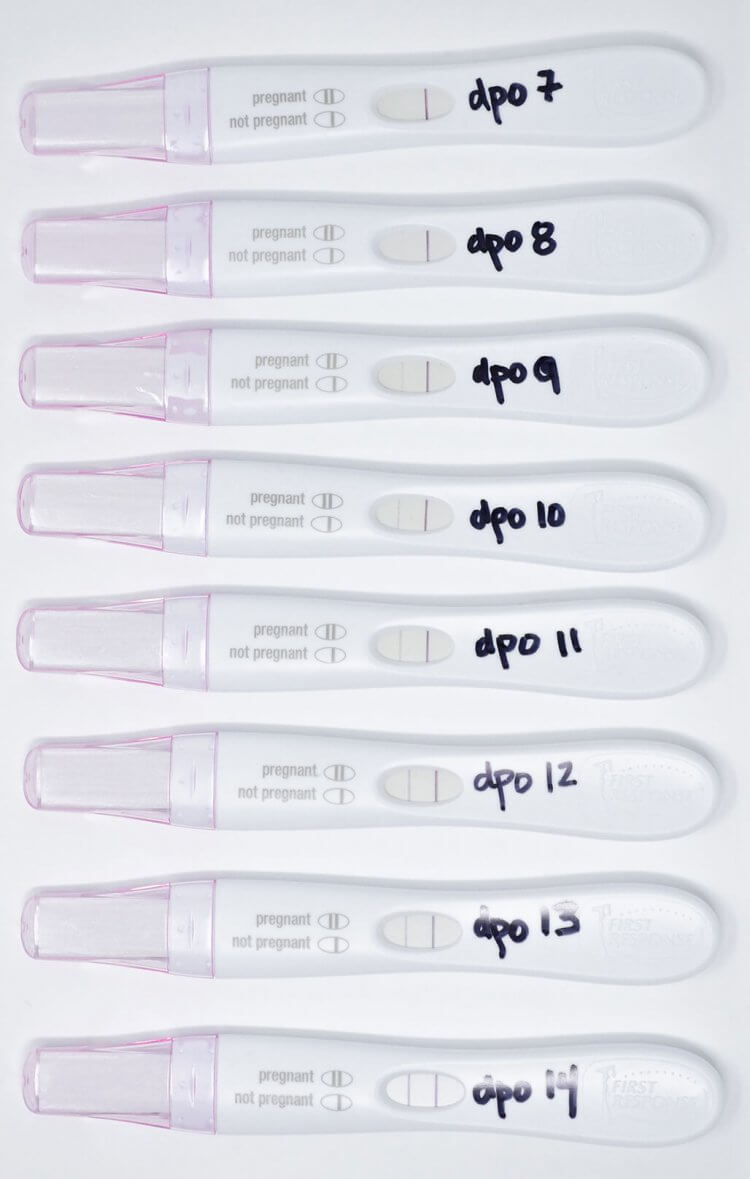
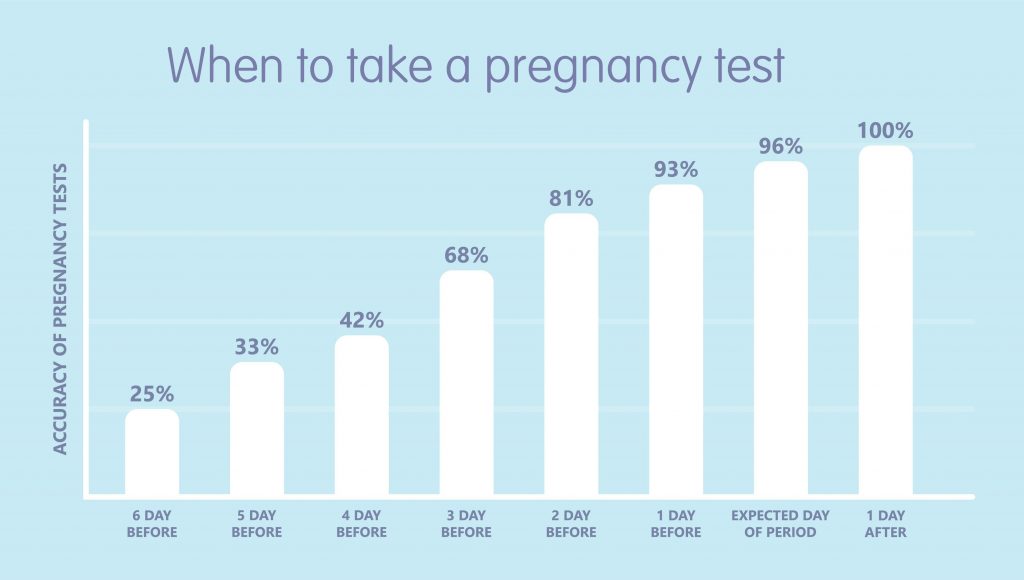
The “earliest” window is fundamentally restricted by how sensitive a sensor is to hCG. Standard tests often wait until the first day of a missed period, detecting levels around 25–50 mIU/mL. However, “Early Result” technology now utilizes high-affinity monoclonal antibodies that can trigger a reaction at levels as low as 6.5 mIU/mL. This technological leap allows users to test as early as six days before their missed period. The engineering challenge here is avoiding “noise”—ensuring the sensor doesn’t trigger a false positive due to luteinizing hormone (LH) or other molecular interference.
From Analog Lines to Digital Interpretation
One of the most significant tech trends in this space is the shift from analog interpretation (reading a faint pink line) to digital processing. Digital pregnancy tests utilize an internal optical sensor. Once the biochemical reaction occurs on the strip inside the device, a light-emitting diode (LED) and a photodetector measure the change in light transmission. A microprocessor then runs an algorithm to determine if the change meets the threshold for a “Pregnant” result. This removes human error and “line eye,” providing a definitive binary answer earlier than a human might be able to perceive a faint physical line.
The Integration of Smart-Screen Technology
The latest iteration of these devices includes small LCD screens and even Bluetooth connectivity. By integrating these gadgets with smartphone apps, the technology can provide a more nuanced “weeks estimator” based on the intensity of the signal, effectively turning a simple diagnostic tool into a miniature, handheld laboratory.
The Role of FemTech and Data Analytics in Timing
While hardware determines if a test can read a signal, software determines when that signal is likely to appear. The “earliest window” is highly dependent on the user’s unique ovulation cycle. This is where the burgeoning FemTech industry—expected to reach a market value of over $75 billion by 2030—plays a critical role.
Predictive Modeling and Cycle Tracking
Apps like Flo, Clue, and Natural Cycles use machine learning to analyze thousands of data points, including basal body temperature (BBT), cervical mucus patterns, and past cycle lengths. By using Bayesian statistics, these platforms can predict the exact day of ovulation with increasing accuracy. For a user asking “what’s the earliest for a pregnancy test,” these apps provide a personalized countdown. Rather than following a generic “28-day cycle” rule, the tech identifies the specific “implantation window,” alerting the user to the precise moment when a high-sensitivity test will finally be viable.
IoT Integration and Wearable Biometrics
The rise of the Internet of Things (IoT) has introduced wearables that track pregnancy indicators long before a physical test is even taken. Devices like the Oura Ring or the Apple Watch Series 8 and 9 utilize high-precision temperature sensors to track the “progesterone shift.” When a pregnancy occurs, the body’s core temperature remains elevated. Software algorithms can flag this sustained thermal trend as a “pre-detection” event. While not a formal diagnostic, this biometric data acts as a technological “early warning system,” prompting the user to take a chemical test at the earliest possible biological moment.
The Power of Aggregated Big Data
By analyzing millions of anonymized cycles, FemTech companies are identifying new digital biomarkers for early pregnancy. This big data approach allows developers to refine their algorithms, making the “earliest” window more accurate for people with irregular cycles who were previously underserved by traditional “one-size-fits-all” testing kits.
The Future of Rapid Diagnostics: AI and Nanotechnology
As we look toward the future, the “earliest” window is expected to shrink even further as biotechnology and Artificial Intelligence (AI) converge. We are moving away from reactive testing toward proactive, continuous monitoring.
AI-Driven Hormone Pattern Recognition
The next generation of early detection tech involves AI that doesn’t just look for a “yes/no” threshold but analyzes the rate of change in hormone levels. Portable devices are being developed that can be used daily, with AI tracking the “doubling time” of hCG. Because hCG levels should roughly double every 48 to 72 hours in early pregnancy, an AI-enabled reader can identify a rising trend-line days before a single-use test would show a definitive positive. This “trend-line analysis” is a significant departure from traditional diagnostics.
Nanoparticle-Enhanced Testing
Research is currently focused on using gold nanoparticles and carbon nanotubes in pregnancy test strips. These nanomaterials have unique optical properties that can amplify the signal of even a few molecules of hCG. By integrating nanotechnology with digital readers, the tech could theoretically detect pregnancy within 48 to 72 hours of implantation—moving the “earliest” window significantly closer to the moment of conception than ever before possible.
Lab-on-a-Chip (LOC) Technology
The ultimate goal of early detection tech is the “Lab-on-a-Chip.” This involves miniaturizing complex laboratory functions onto a single integrated circuit. LOC devices could potentially test for multiple pregnancy-related hormones (hCG, progesterone, and estrogen) simultaneously, providing a comprehensive “fertility dashboard” via a smartphone interface. This would eliminate the ambiguity of early testing by providing a multi-factor verification of pregnancy status.
Digital Security and Privacy in the Age of Early Detection
With the advancement of early-detection technology comes a critical conversation regarding digital security. When a user asks a digital interface “what’s the earliest for a pregnancy test,” they are sharing some of the most sensitive personal data imaginable.
Data Encryption and the “Post-Roe” Tech Landscape
In the current legal and technological climate, the security of early detection data is paramount. Tech companies are increasingly moving toward end-to-end encryption for cycle-tracking data. This ensures that even the service providers cannot access the user’s reproductive timeline. As tests become more connected—syncing “early positive” results directly to the cloud—the industry must prioritize “Privacy by Design” to protect users from data leaks or unauthorized surveillance of their reproductive health.
Ethical AI and Algorithmic Bias
There is also an ongoing effort in the tech community to ensure that the algorithms used for early detection are inclusive. Historically, many diagnostic tools were calibrated on “average” users, which often excluded specific demographics. Tech developers are now focusing on “Ethical AI,” ensuring that the data sets used to determine the “earliest testing window” are diverse enough to account for variations in hormone levels across different ethnicities, ages, and medical conditions (such as PCOS).
The “Right to Know” vs. Tech Reliability
As tech pushes the “earliest” window further back, it encounters the problem of “chemical pregnancies”—early losses that occur shortly after implantation. Sophisticated tech can now detect these pregnancies, which would have gone unnoticed in the analog era. This raises a technological and ethical dilemma: just because we can detect a pregnancy earlier, does the tech provide the necessary context for the user? Tech companies are responding by building “educational layers” into their apps, providing professional context alongside the raw data of an early result.
Conclusion
The question “what’s the earliest for pregnancy test” is no longer just a medical inquiry; it is a benchmark for the current state of consumer technology. Through the marriage of high-sensitivity bio-sensors, predictive machine learning, and biometric wearables, the window of “not knowing” is shrinking every year.
As we look forward, the integration of AI and nanotechnology promises to make early detection even more precise, moving us toward a future where our digital health ecosystems understand our reproductive status in real-time. In this new era, the “earliest” window is defined by the limits of our sensors and the depth of our data, marking a triumph of engineering that offers unprecedented clarity to millions of users worldwide.
aViewFromTheCave is a participant in the Amazon Services LLC Associates Program, an affiliate advertising program designed to provide a means for sites to earn advertising fees by advertising and linking to Amazon.com. Amazon, the Amazon logo, AmazonSupply, and the AmazonSupply logo are trademarks of Amazon.com, Inc. or its affiliates. As an Amazon Associate we earn affiliate commissions from qualifying purchases.