
In the modern digital landscape, geography is often secondary to connectivity. However, for software engineers, project managers, and digital architects operating within the United States, one geographical factor remains an absolute constant: the three-hour gap between Eastern Time (ET) and Pacific Time (PT). While it may seem like a simple matter of resetting a watch, the technical implications of this divide touch everything from server synchronization and database management to the orchestration of global DevOps teams.
Understanding the difference between Eastern and Pacific time is not merely about knowing when to join a Zoom call; it is about mastering the temporal infrastructure that powers the American tech corridor. This guide explores the technical nuances of these time zones, the challenges they present in software development, and the tools required to bridge the gap effectively.

1. The Architecture of Time: ET vs. PT in the Digital Framework
To understand the difference from a technical perspective, we must look beyond the names and into the Coordinated Universal Time (UTC) offsets. The Eastern and Pacific time zones represent the two primary pillars of the North American economy, housing the financial hub of New York and the technological epicenter of Silicon Valley.
Understanding UTC Offsets and Daylight Saving
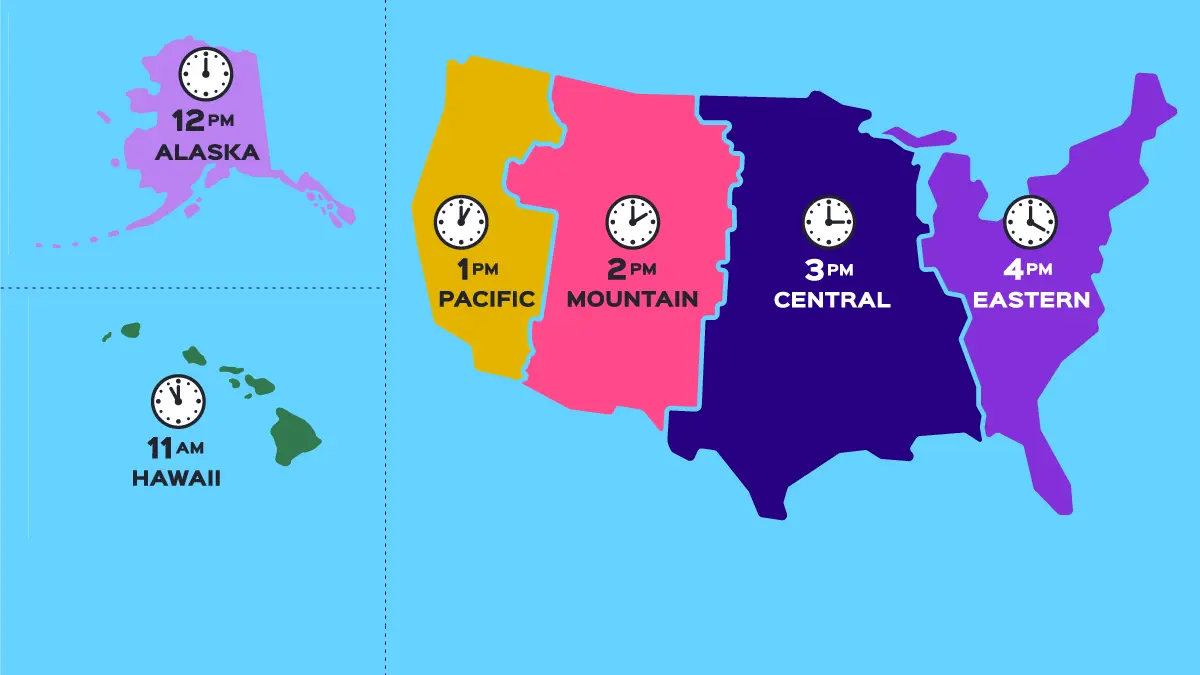
Eastern Time (ET) fluctuates between UTC-5 (Eastern Standard Time) and UTC-4 (Eastern Daylight Time). Conversely, Pacific Time (PT) moves between UTC-8 (Pacific Standard Time) and UTC-7 (Pacific Daylight Time). This consistent three-hour delta is the heartbeat of bi-coastal operations. For developers, the challenge arises during the transition periods of Daylight Saving Time (DST).
A common technical pitfall occurs when systems are hard-coded with fixed offsets rather than being programmed to recognize the Olson timezone database (tz database). If a server in Virginia (ET) and a database in Oregon (PT) do not synchronize their DST transitions simultaneously, data integrity can be compromised, leading to “ghost entries” or out-of-order logs.
The Impact on Network Latency and Infrastructure
In a cloud-first world, the physical distance between the East and West coasts—approximately 2,500 miles—introduces a baseline latency of roughly 60 to 80 milliseconds. When building high-frequency trading platforms or real-time multiplayer games, the three-hour time difference often dictates where data centers are positioned. Tech architects must decide whether to centralize servers in a “middle-ground” location like Texas (Central Time) or to deploy multi-region clusters that must stay in perfect temporal alignment despite the three-hour operational difference between the users.
2. Temporal Data Integrity: Managing Time Zones in Software Development
For software developers, time is one of the most difficult variables to manage. When a user in Los Angeles (PT) schedules a notification for a user in Miami (ET), the underlying code must handle the three-hour translation flawlessly.
The “Store in UTC, Display in Local” Golden Rule
The industry standard for handling the ET/PT divide is to normalize all time-stamped data to UTC at the database level. Whether a transaction occurs at 9:00 AM PST or 12:00 PM EST, the backend records it as the same UTC moment. The complexity arises in the “presentation layer.”
Modern frameworks like React or Vue, combined with libraries such as Moment.js or Luxon, allow developers to detect the user’s local browser time and convert the UTC timestamp accordingly. However, technical debt often accrues when legacy systems fail to account for the fact that a “business day” starts and ends at different times on each coast. For instance, a “Daily Report” generated at midnight ET will contain three hours of data from the previous day for a PT user.
Edge Cases: Scheduling and CRON Jobs
Automated tasks, or CRON jobs, are a frequent source of technical friction between Eastern and Pacific operations. If a system-wide maintenance script is set to run at 3:00 AM ET to minimize disruption, it hits the West Coast at midnight—a peak usage time for many late-night developers and consumers.
Sophisticated tech stacks now utilize “Local Time-Aware Scheduling.” Instead of a single global trigger, tasks are orchestrated to fire based on the specific offset of the regional node. This ensures that a software update doesn’t kick a Silicon Valley developer off their environment in the middle of a deployment just because it’s “late” in New York.
3. The Bi-Coastal Tech Stack: Tools for Synchronized Innovation
Bridging the 3-hour gap requires more than just discipline; it requires a specialized suite of tools designed to flatten the temporal curve. As remote work becomes the standard for tech giants and startups alike, the “Bi-Coastal Stack” has emerged as a vital component of corporate infrastructure.
Collaboration Tools and Asynchronous Workflows
The three-hour difference creates a “Golden Window” of collaboration—typically between 12:00 PM and 5:00 PM ET (9:00 AM to 2:00 PM PT). Outside of these hours, tech teams must rely on asynchronous communication.
Tools like Slack and Microsoft Teams have integrated time zone indicators, allowing users to see if a colleague is in their “Do Not Disturb” window. From a project management perspective, Jira and Monday.com allow for “Follow the Sun” workflows. In this model, an Eastern-based QA engineer can finish their day and hand off a bug report to a Pacific-based developer who is just starting their morning, effectively extending the productive “code-time” of a company to 11 or 12 hours without requiring overtime.
Automated Scheduling and API Integration
APIs play a crucial role in maintaining synchronicity. Services like Calendly or SavvyCal have become indispensable for bi-coastal tech sales and engineering interviews. These tools interface directly with Google or Outlook calendars, performing real-time math to ensure that an “11:00 AM” invite is never ambiguous.
On a deeper level, developers using AWS (Amazon Web Services) or Azure must configure their CloudWatch logs or monitoring dashboards to a unified time standard. If an SRE (Site Reliability Engineer) in Seattle is looking at a spike in errors, they must be certain that the “14:00” timestamp they see matches the “17:00” timestamp their counterpart in Boston is referencing. Failure to align these views can lead to catastrophic delays in incident response.
4. The Future of Time-Agnostic Technology
As we look toward the future, the traditional concepts of Eastern and Pacific Time are being challenged by the rise of decentralized autonomous organizations (DAOs) and AI-driven workflows. The tech industry is moving toward a “time-agnostic” model where the physical location of the worker—and their specific time zone—is secondary to their “output latency.”
AI Orchestration of Distributed Teams
We are seeing the emergence of AI agents designed to manage the ET/PT handoff. These agents can summarize Slack threads that occurred during the three-hour morning gap for West Coast teams, or prioritize emails for East Coast teams that arrived after they logged off. By using Natural Language Processing (NLP), these tools identify urgent technical blockers that occurred in one time zone and ensure they are the first thing addressed in the next.
The Shift Toward “Coordinate Time”
In high-stakes environments like blockchain development or global cybersecurity monitoring, the reliance on regional time zones like ET and PT is being replaced by Unix Time (Epoch Time) or pure UTC. By removing the human-centric labels of “Eastern” or “Pacific,” tech organizations eliminate the cognitive load of mental math. While humans will always live in their local time, the systems they build are increasingly operating in a single, unified digital chronometer.

Conclusion: Mastering the Temporal Delta
The difference between Eastern and Pacific time is far more than a three-hour inconvenience. For the technology professional, it is a variable that must be accounted for in every line of code, every server configuration, and every project roadmap.
By understanding the UTC offsets, implementing robust data normalization strategies, and leveraging the right collaboration stack, organizations can turn the three-hour gap from a hurdle into a strategic advantage. The “Golden Window” of bi-coastal overlap, combined with the power of asynchronous development, allows for a continuous cycle of innovation that has made the U.S. tech sector a global leader. In the end, mastering the delta between ET and PT is about ensuring that, no matter where your team is located, your technology remains perfectly in sync.
aViewFromTheCave is a participant in the Amazon Services LLC Associates Program, an affiliate advertising program designed to provide a means for sites to earn advertising fees by advertising and linking to Amazon.com. Amazon, the Amazon logo, AmazonSupply, and the AmazonSupply logo are trademarks of Amazon.com, Inc. or its affiliates. As an Amazon Associate we earn affiliate commissions from qualifying purchases.