
In the contemporary marketplace, the language of identity is evolving at an unprecedented pace. For brand strategists, marketing executives, and corporate identity specialists, staying ahead of these shifts is no longer optional—it is a prerequisite for relevance. Central to this evolution is a deepening understanding of the LGBTQ+ spectrum, specifically the term “pansexual.” While the word has existed for decades, its integration into the mainstream consciousness has profound implications for how brands communicate, design, and position themselves in a world that increasingly prizes fluidity over rigid categories.

Understanding the definition of pansexual through the lens of brand strategy requires more than a dictionary entry; it requires an analysis of human connection, the breakdown of traditional demographics, and the pursuit of radical authenticity.
Understanding Pansexuality Beyond the Surface Level
To build a brand that resonates with a diverse audience, one must first grasp the psychological and social nuances of the identities within that audience. Pansexuality is often misunderstood or conflated with other identities, but for a brand looking to foster genuine loyalty, precision in language is paramount.
Breaking Down the Definition for Brand Strategists
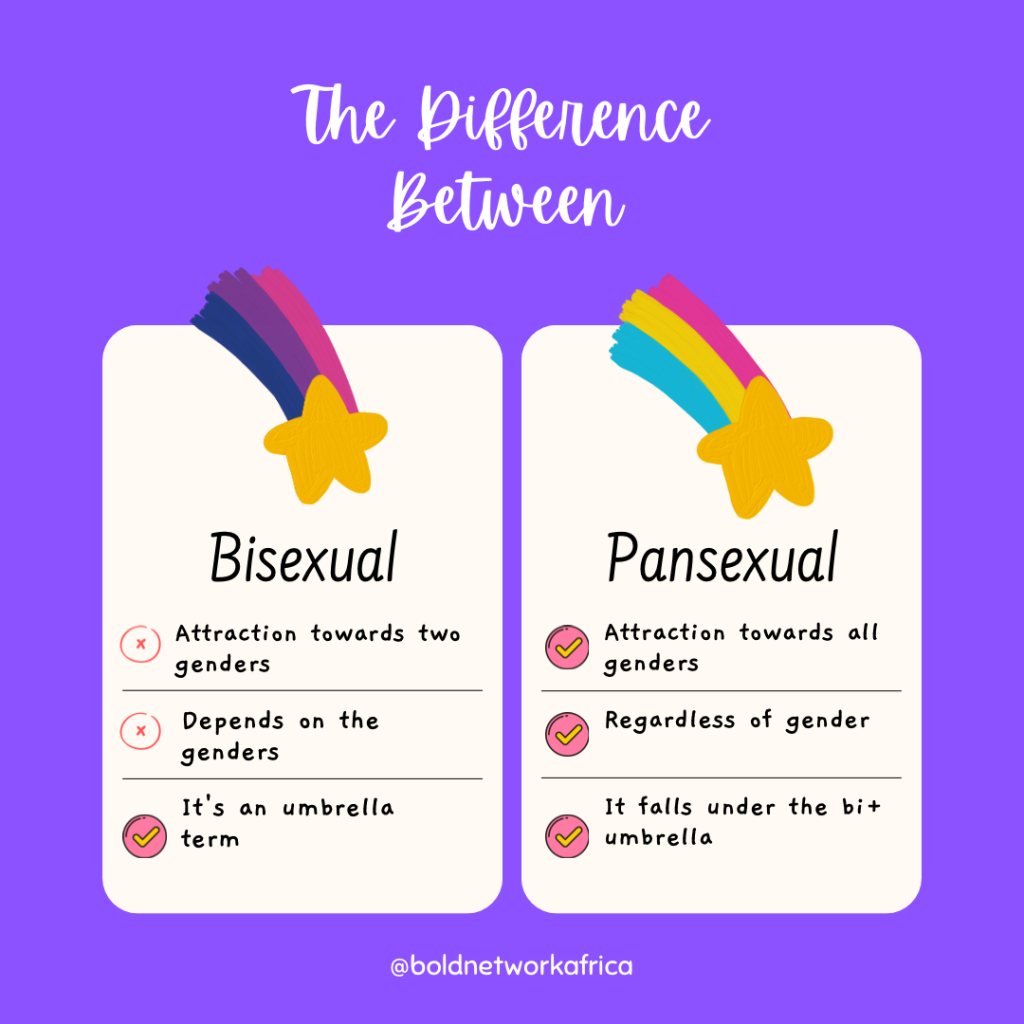
At its core, pansexuality is defined as an emotional, romantic, or sexual attraction to people regardless of their sex or gender identity. The prefix “pan-” comes from the Greek word for “all.” Unlike identities that are defined in relation to a binary (man or woman), pansexuality suggests that gender is not a defining factor in the individual’s attraction.
For a brand, this definition serves as a roadmap for “universal” appeal that doesn’t rely on gendered stereotypes. When a brand understands that a pansexual consumer views the world through a lens of gender-blind connection, it can shift its messaging from “This is for men” or “This is for women” to “This is for the human experience.” This shift is the foundation of modern inclusive design.
Distinguishing Pansexuality from Bisexuality in Marketing
A common pitfall in corporate marketing is treating “bisexual” and “pansexual” as interchangeable terms. While they exist under the same umbrella, the distinction is vital for brand nuance. Bisexuality is generally defined as attraction to more than one gender, whereas pansexuality explicitly emphasizes that gender is not a factor.
In marketing campaigns, using “bisexual” might lean into the idea of “both/and,” while “pansexual” leans into the idea of “beyond.” If a brand’s strategy is focused on breaking down boundaries and celebrating fluid lifestyles, aligning with the ethos of pansexuality allows for a more expansive creative direction. Misunderstanding these nuances can lead to “identity erasure,” a phenomenon where a brand’s attempt at inclusivity feels lazy or ill-informed, ultimately damaging its reputation among savvy Gen Z and Millennial consumers.
Why Inclusive Branding Matters in a Globalized Marketplace
The push for a clearer definition of pansexual within corporate boardrooms isn’t just about social justice; it is a strategic business imperative. Consumers today, particularly those in younger demographics, view their purchases as an extension of their values.
The Rise of Gen Z and Identity-Conscious Consumption
Gen Z is frequently cited as the most queer-identified generation in history, with a significant portion identifying as pansexual, fluid, or non-binary. For these consumers, a brand’s identity is judged by its ability to see and validate their own. If a brand continues to rely on 1950s-style gender tropes—blue for boys, pink for girls, or “husband and wife” imagery—it signals that it is out of touch with the modern reality.
Inclusive branding that acknowledges pansexuality signals a high “Cultural IQ.” It tells the consumer that the brand is paying attention to the complexities of modern love and identity. This creates a “safe space” for the consumer, leading to higher brand affinity and long-term customer lifetime value.
Moving Beyond “Rainbow Washing”
“Rainbow washing” refers to the practice of companies using LGBTQ+ symbols (like the pride flag) during June to appear inclusive without making any substantive changes to their internal culture or year-round marketing. Today’s consumers are highly skeptical of performative allyship.
To avoid this, brands must integrate the definition of pansexuality into their core DNA. This means moving beyond the standard six-color pride flag and acknowledging the specific pansexual pride colors (pink, yellow, and cyan) or, more importantly, reflecting the values of pansexuality—openness, fluidity, and the rejection of labels—in their product development and everyday communication.
Strategic Integration: How to Market to the Pansexual Community Authentically
Integration is where strategy meets execution. Once a brand understands the definition and importance of pansexuality, it must translate that knowledge into visual and textual assets.
Visual Representation and Nuance
Visual storytelling is the most immediate way a brand communicates its values. To appeal to a pansexual audience and those who value inclusivity, brands should move toward “gender-neutral” or “gender-expansive” aesthetics. This doesn’t mean everything has to be grey and boring; rather, it means featuring models and scenarios that don’t rely on traditional gender roles.
For example, a luxury fragrance brand might choose to market its scents as “human-centric” rather than “for him” or “for her.” The imagery would focus on the mood, the chemistry, and the shared experience of the scent, echoing the pansexual sentiment that the essence of a person is more important than their gender label.
Messaging That Resonates Across the Spectrum
The copy and language used in social media, advertisements, and email marketing must be intentionally inclusive. Using gender-neutral pronouns or referring to “partners” instead of gendered terms allows a wider range of people to see themselves in the brand’s story.
Furthermore, brands should focus on the “why” behind their products. If pansexuality is about attraction to the soul or the personality, a brand’s messaging should reflect a similar depth. Focus on the values, the personality of the brand, and the emotional benefit of the product. This creates a holistic brand identity that appeals to the “pan-mentality”—a preference for substance over surface-level categories.
Case Studies: Brands Leading the Way in Inclusive Identity
Several brands have successfully navigated the transition from traditional marketing to identity-fluid strategies, providing a blueprint for others to follow.
Success Stories in Diverse Marketing
Brands like Savage X Fenty and Telfar have redefined what it means to be an inclusive brand. Telfar’s slogan, “Not for you, for everyone,” is a masterclass in brand positioning that aligns with pansexual values. By removing the “who” (the gendered target) and focusing on the “everyone” (the universal access), they created a cult following that transcends demographic boundaries.
Savage X Fenty, meanwhile, utilizes a diverse range of models that represent various points on the gender and sexuality spectrum. Their marketing doesn’t just “include” pansexual or non-binary individuals; it centers them, making the brand feel like a leader in the cultural conversation rather than a late-comer.
Lessons Learned from Missteps
Conversely, brands that have attempted to “lean in” to LGBTQ+ themes without doing the work often face backlash. When a major beverage company released “identity-themed” cans without supporting LGBTQ+ causes or ensuring their internal policies were inclusive, the response was swift and negative. The lesson for brand managers is clear: authenticity cannot be faked. If you are going to use the language of pansexuality, your corporate actions must match your marketing words.
The Future of Brand Identity: From Binary to Fluidity
As we look toward the future, the rigid silos of consumer demographics are melting away. The definition of pansexual is a bellwether for a larger shift in society toward total fluidity—in gender, in work, and in lifestyle.
Long-term Brand Loyalty through Genuine Advocacy
The brands that will survive the next decade are those that view inclusivity as a core brand pillar rather than a marketing tactic. This involves “Deep Branding,” where every touchpoint—from the HR department’s hiring practices to the supply chain’s ethics—reflects a commitment to a world where labels matter less than human connection.
Supporting pansexual visibility isn’t just about a single ad campaign; it’s about sponsoring pride events, partnering with LGBTQ+ creators year-round, and using the brand’s platform to educate the broader public. When a brand takes a stand, it builds a “tribe” of loyalists who will defend the brand because the brand defended them.

Conclusion: The Fluid Brand Mandate
In conclusion, the definition of pansexual is more than just a demographic data point; it is a philosophy of connection that challenges brands to be better, more inclusive, and more human. By embracing the fluidity and “gender-blind” attraction inherent in the pansexual identity, brands can move away from restrictive marketing boxes and toward a more expansive, profitable, and meaningful future.
In the modern marketplace, the most successful brand isn’t the one that speaks to the most people; it’s the one that makes every person feel seen. Understanding pansexuality is a critical step in that journey. As we move further into an era defined by the blurring of lines, the brands that thrive will be those that realize that love, identity, and consumer loyalty are all, ultimately, boundless.
aViewFromTheCave is a participant in the Amazon Services LLC Associates Program, an affiliate advertising program designed to provide a means for sites to earn advertising fees by advertising and linking to Amazon.com. Amazon, the Amazon logo, AmazonSupply, and the AmazonSupply logo are trademarks of Amazon.com, Inc. or its affiliates. As an Amazon Associate we earn affiliate commissions from qualifying purchases.