
Managing personal finances is a cornerstone of adult life, but when lives merge—whether through marriage, business partnerships, or long-term domestic arrangements—the question of how to handle money becomes more complex. At the heart of this transition is the joint bank account. While the basic concept might seem straightforward, the legal, financial, and relational implications of opening such an account are profound. A joint bank account is more than just a shared bucket of cash; it is a financial instrument that requires trust, transparency, and a clear understanding of banking regulations.
The Fundamental Definition and Legal Structure of Joint Accounts
At its simplest, a joint bank account is a checking or savings account that is owned by two or more individuals. Unlike a standard individual account, where one person has sole authority over the funds, a joint account treats all co-owners as equal stakeholders. This means that every person listed on the account has the legal right to deposit, withdraw, and manage the funds without needing the express permission of the other account holders.
The Core Concept of Shared Ownership
In the eyes of the law and the financial institution, the ownership of a joint account is not usually split 50/50 or proportional to how much each person contributes. Instead, each owner typically holds a “total interest” in the account. This means that if one partner deposits $10,000 and the other deposits nothing, both parties still have the legal right to withdraw the entire $10,000 at any time. This “unity of ownership” is the defining characteristic of a joint account and is why they are primarily used by people who share a high degree of mutual trust.
Rights of Survivorship
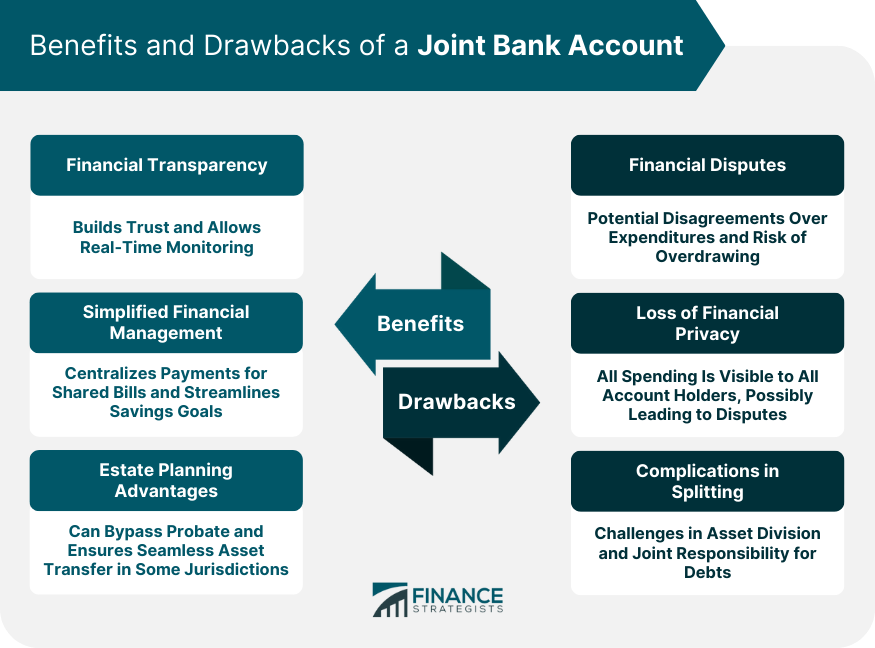
One of the most critical legal features of most joint bank accounts is the “Right of Survivorship.” In the event that one account holder passes away, the remaining funds in the account automatically transfer to the surviving account holder. This process bypasses probate—the often lengthy and expensive legal process of distributing a deceased person’s estate. For couples and families, this ensures that the surviving member has immediate access to cash for funeral expenses, mortgage payments, and daily living costs during a difficult transition period.
Who Can Open a Joint Account?
While joint accounts are most commonly associated with married couples, they are not restricted to them. Business partners may use them to manage operational expenses, parents may open them with their children to teach financial literacy, and adult children may open them with elderly parents to assist with bill payments. Most financial institutions allow any two (or more) adults to open a joint account, provided they meet the bank’s standard identification and credit requirements.
How Joint Bank Accounts Function in Daily Practice
Understanding the theory of a joint account is one thing; navigating its daily operation is another. In a modern financial ecosystem, joint accounts provide a level of convenience that individual accounts cannot match for shared households. However, that convenience comes with the need for rigorous communication.
Equal Access and Spending Power
When a joint account is opened, both parties are usually issued their own debit cards and sets of checks. Both have their own login credentials for online banking and mobile apps. This parity means that there is no “primary” or “secondary” owner in terms of functionality. Both parties can set up automatic bill payments, link the account to digital wallets, and make over-the-counter withdrawals. From a money management perspective, this eliminates the need for one partner to constantly “reimburse” the other for shared expenses.
Transparency and Accountability
A joint account acts as a financial open book. Every transaction made by one person is visible to the other. In the world of personal finance, this transparency can be a powerful tool for budgeting. By looking at a single bank statement, a couple can see exactly where their money is going, from grocery bills to subscription services. This visibility encourages accountability; it is much harder to overspend on non-essentials when another person is monitoring the outflow of cash.
Deposit and Withdrawal Mechanics
Modern banking has made managing joint accounts even more seamless. With features like remote mobile deposit, either party can snap a photo of a check and have it credited to the shared pool instantly. However, the withdrawal mechanics are where caution is required. Because there is no “veto” power built into the banking software, one partner could technically drain the account without the bank notifying the other until after the fact. This inherent risk is why financial advisors emphasize that joint accounts should only be opened with individuals who share your financial values and goals.
The Strategic Benefits of Shared Financial Management
From a strategic standpoint, a joint bank account is a tool for efficiency. When used correctly, it can simplify a household’s financial life and accelerate progress toward long-term goals like buying a home or saving for retirement.

Streamlining Household Expenses
The most common use for a joint account is the “Bills Account” model. In this scenario, partners contribute a portion of their income to a joint account specifically to cover shared liabilities: rent/mortgage, utilities, groceries, and insurance. This centralizes the household’s financial obligations, ensuring that nothing falls through the cracks. It also provides a clear picture of the “cost of living” for the unit, making it easier to adjust spending when inflation or income changes occur.
Building Trust and Shared Goals
Money is one of the leading causes of friction in relationships. Opening a joint account is often seen as a milestone of commitment. It requires partners to sit down and discuss their financial philosophies—are they savers or spenders? What are their priorities? By pooling resources, couples can work toward “Big Picture” goals more effectively. Whether it’s saving for a down payment or building a $20,000 emergency fund, seeing the balance grow through collective effort can be a significant psychological motivator.
Enhancing Credit and Loan Eligibility
While the joint account itself does not directly affect an individual’s credit score, the way it is managed can impact future financial opportunities. A well-maintained joint account with a healthy balance can improve a couple’s “internal score” with a specific bank, potentially making it easier to get approved for joint loans or mortgages in the future. Furthermore, having a shared account ensures that joint debts are paid on time, protecting the credit scores of both individuals.
Potential Risks and Legal Considerations
Despite the benefits, joint bank accounts carry significant risks that are often overlooked until a crisis occurs. Because the law views the account holders as a single entity in many respects, one person’s financial mistakes can become the other person’s nightmare.
Liability for Debts and Overdrafts
If one account holder overdraws the account, both are “jointly and severally liable” for the debt. This means the bank can pursue either person for the full amount of the overdraft fees and the negative balance, regardless of who actually spent the money. If your partner has a habit of losing track of their balance, your personal financial standing could be put at risk.
The “Relationship Risk”: Breakups and Disputes
Perhaps the most significant risk is the potential for a relationship to sour. In the event of a contentious breakup or divorce, a joint account can become a weapon. Since either party has the right to withdraw 100% of the funds, one person could “clean out” the account before legal protections are put in place. While a court may eventually order the money to be returned during a settlement, the immediate loss of liquidity can be devastating for the person left with an empty balance.
Legal Seizure and Creditor Claims
Joint accounts are also vulnerable to the external legal troubles of either owner. If one account holder owes back taxes, child support, or loses a lawsuit, creditors can often garnish the funds in a joint account to satisfy the debt. Even if the “innocent” partner contributed the majority of the money, the law often assumes the funds are available to satisfy the debts of either owner. This makes joint accounts a potentially dangerous choice if one partner has a history of legal or financial instability.
Best Practices for Managing a Joint Account Successfully
To reap the rewards of a joint account while mitigating the risks, a proactive approach to management is essential. Financial experts generally recommend a “Hybrid Model” of banking to maintain a balance between unity and autonomy.
Setting Clear Communication Protocols
Success with a joint account begins with a conversation, not a signature. Partners should agree on “spending thresholds”—a dollar amount (e.g., $200) above which they must consult each other before making a purchase. Regular “money dates” or monthly financial check-ins can also help ensure that both parties are on the same page regarding the account balance and upcoming expenses.
Maintaining Individual Accounts for Autonomy
Many modern couples find that the best way to handle money is to have “Yours, Mine, and Ours” accounts. In this setup, both individuals maintain their own private accounts for personal discretionary spending, while contributing a set amount to the joint account for shared needs. This preserves a sense of independence and prevents arguments over small, personal purchases, such as a hobby or a night out with friends, while still ensuring that the “household” is financially secure.

Choosing the Right Financial Institution
Not all joint accounts are created equal. When selecting a bank, look for institutions that offer robust digital tools, such as real-time transaction alerts that notify both parties whenever a purchase is made. Additionally, ensure the bank has clear policies regarding the removal of an account holder. Some banks require both parties to sign off to close a joint account, while others allow either party to do so. Understanding these “exit
rules” before you open the account is a vital part of a sound financial strategy.
In conclusion, a joint bank account is a powerful financial tool that can simplify life and build collective wealth. However, it requires a foundation of trust and a clear-eyed understanding of the legal realities. By combining a joint account with open communication and individual financial boundaries, you can create a money management system that supports both your shared future and your individual security.
aViewFromTheCave is a participant in the Amazon Services LLC Associates Program, an affiliate advertising program designed to provide a means for sites to earn advertising fees by advertising and linking to Amazon.com. Amazon, the Amazon logo, AmazonSupply, and the AmazonSupply logo are trademarks of Amazon.com, Inc. or its affiliates. As an Amazon Associate we earn affiliate commissions from qualifying purchases.