
In the landscape of modern commerce, a brand is far more than a logo or a catchy tagline; it is a living entity shaped by its market position, its internal culture, and its perceived value relative to its peers. However, a pervasive phenomenon often stunts the growth of emerging startups and established mid-market players alike: the brand inferiority complex. Much like its psychological namesake in individuals, a brand inferiority complex is an institutionalized sense of inadequacy. It occurs when a company views its identity, products, or market share as inherently “lesser” than its competitors, leading to a strategy defined by reaction rather than action.
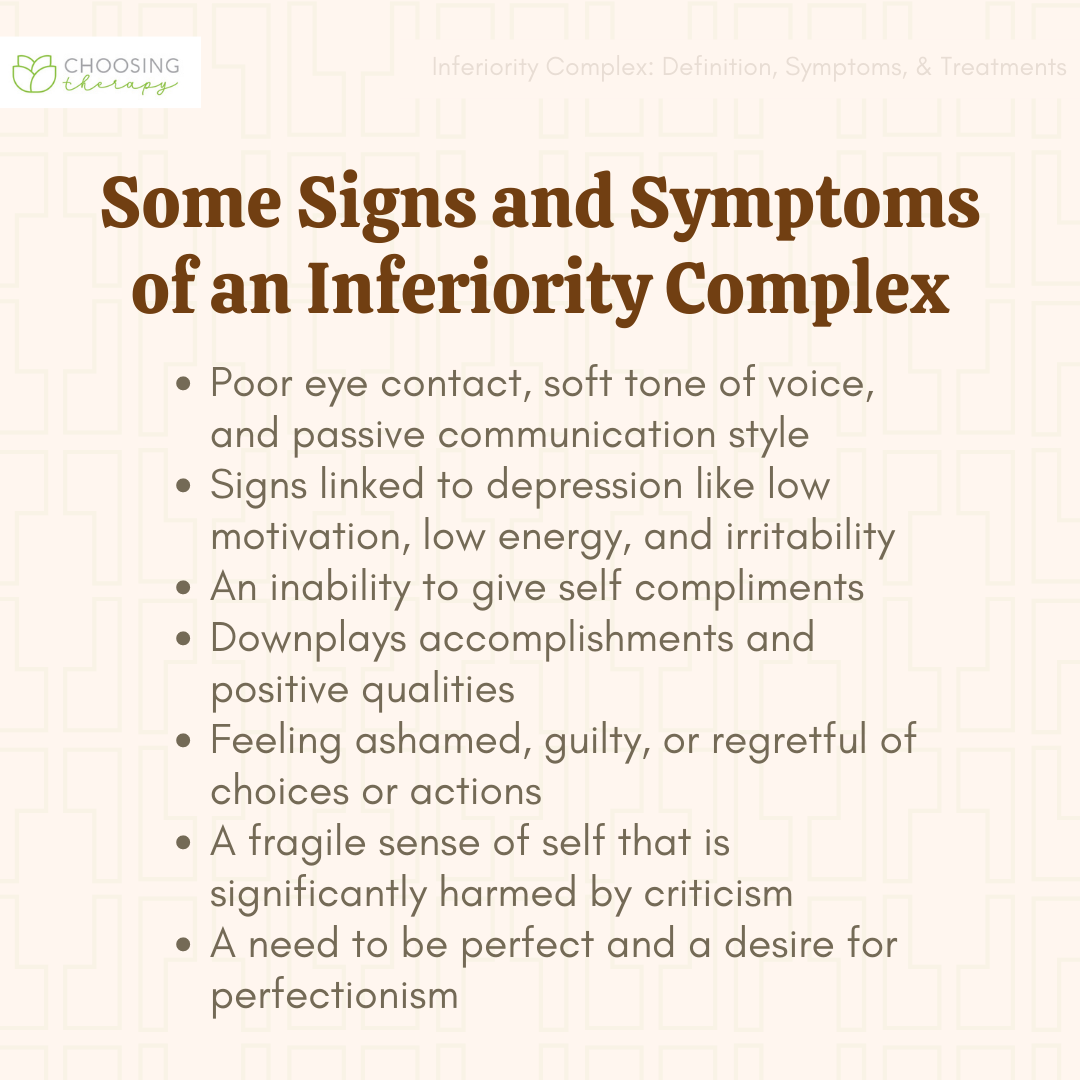
When a brand suffers from this complex, it ceases to innovate. Instead, it enters a cycle of mimicry, attempting to mirror the visual language, pricing structures, and communication styles of industry leaders. This lack of self-assuredness doesn’t just impact internal morale; it radiates outward, signaling to consumers that the brand is merely a “budget alternative” or a “follower.” To build a resilient corporate identity, leaders must recognize the symptoms of brand inferiority and pivot toward a strategy of radical differentiation.
The Anatomy of Brand Inferiority: The “Me-Too” Trap
The most common manifestation of a brand inferiority complex is what marketing strategists call “Me-Too” branding. This happens when a company looks at the dominant player in its sector—think Apple in tech or Nike in apparel—and concludes that the only path to success is to look and sound exactly like them.
The Illusion of Safety in Mimicry
For a brand feeling inferior, mimicry feels like a safe harbor. The logic is simple: “If it works for the market leader, it will work for us.” However, this approach is fundamentally flawed. When you copy the aesthetic or the messaging of a leader, you are essentially providing free advertising for them. You reinforce their status as the “original,” while positioning yourself as the “generic version.” This psychological trap prevents a brand from developing its own unique Value Proposition (UVP), leaving it vulnerable to price wars because it has failed to establish a unique reason for existence in the consumer’s mind.
The Resource Gap Perception
A brand inferiority complex is often rooted in the “Resource Gap.” Smaller brands often look at the multi-million dollar marketing budgets of conglomerates and feel paralyzed. They believe that because they cannot afford a Super Bowl ad or a global celebrity endorsement, their brand is “inferior.” Professional brand strategy, however, dictates that impact is not always a function of spend, but of resonance. A brand that understands its specific niche can often achieve higher engagement and loyalty than a massive, diluted corporate entity. The complex arises when the brand focuses on what it lacks (the budget) rather than what it has (agility, personality, and specialized knowledge).
Personal Branding and the Founder’s Imposter Syndrome
In the era of the “Founder-Led Brand,” the psychological state of the individual at the helm often dictates the brand’s market posture. Many entrepreneurs suffer from a personal inferiority complex that bleeds into their corporate identity. If a founder feels like an outsider or an imposter, they will often steer their brand toward a “safe,” corporate, and ultimately boring identity to avoid scrutiny.
The Narrative of Scarcity
Founders with an inferiority complex often operate from a place of scarcity. They fear that there isn’t enough market share to go around, leading to defensive branding. This manifests in aggressive, comparison-heavy marketing that mentions competitors more often than the brand’s own benefits. A healthy brand strategy, by contrast, operates from a narrative of abundance and self-assurance. It focuses on the mission and the user experience, trusting that a superior story will naturally attract the right audience.
Digital Validation and the Social Media Echo Chamber
In the digital age, brand inferiority is often exacerbated by social media metrics. Marketing teams may feel inferior because their follower counts or engagement rates don’t match those of a global titan. This leads to “vanity-driven strategy,” where the brand chases trends and viral moments that are inconsistent with its core identity just to feel relevant. True personal branding requires the discipline to ignore these external benchmarks and focus on “Brand Depth”—the quality of the relationship with the existing audience—rather than “Brand Breadth.”
Strategies for Strategic Differentiation and Market Confidence
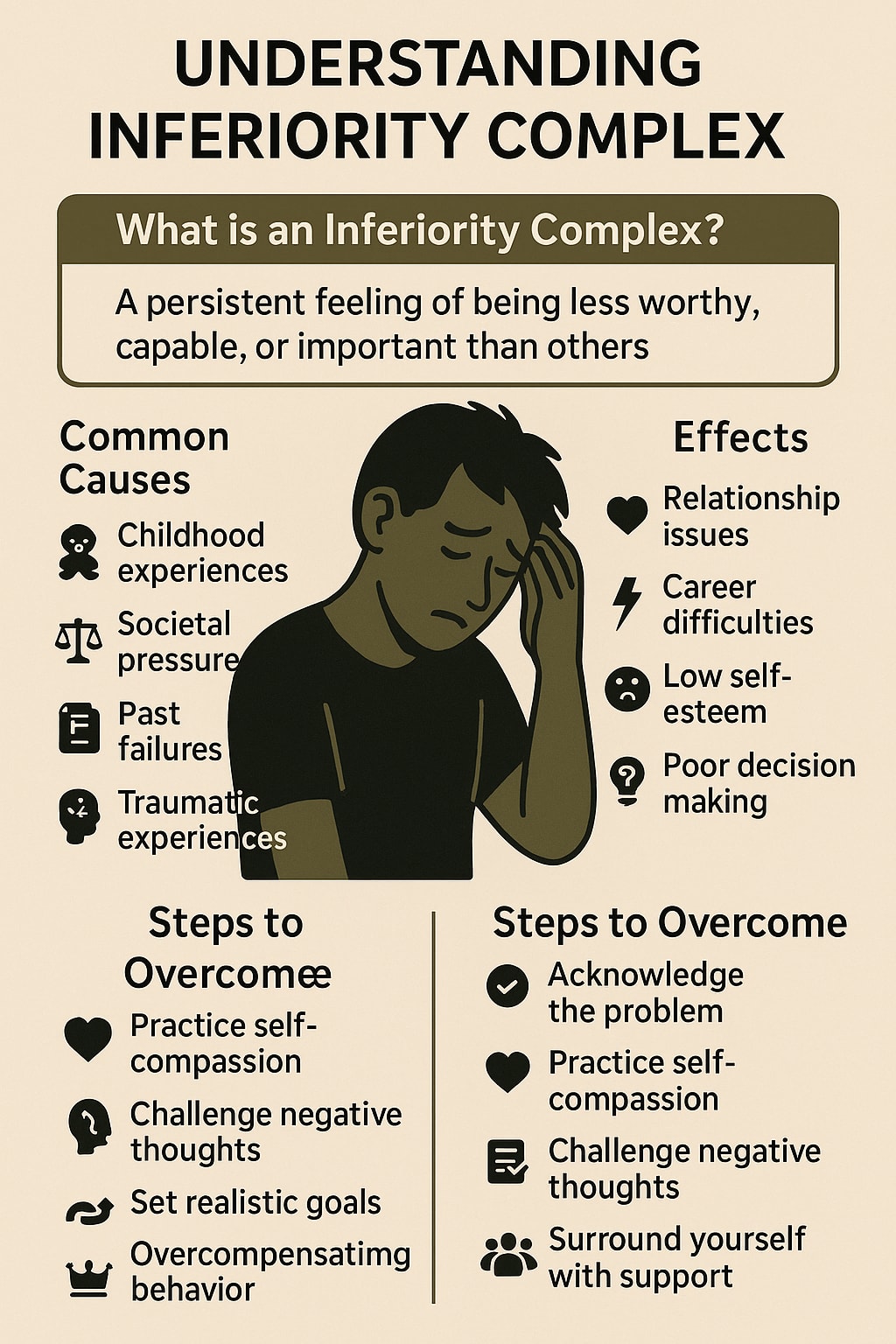
To cure a brand inferiority complex, a company must stop looking horizontally at its competitors and start looking vertically at its own values and its customers’ needs. Differentiation is the only antidote to the sense of being “second best.”
Owning the Niche: The “Big Fish, Small Pond” Strategy
One of the most effective ways to overcome brand inferiority is to narrow the focus. Instead of trying to be a “lesser” version of a broad-market leader, a brand can choose to be the “undisputed leader” of a specific niche. This is often referred to as “Niching Down.” By specializing in a specific demographic, a specific problem, or a specific geographic area, a brand can build an identity of authority. In that specific niche, the brand is no longer inferior; it is the gold standard.
Turning Weakness into Authentic Strength (The Avis Model)
Historical brand strategy provides a masterclass in overcoming inferiority. In the 1960s, the car rental company Avis was perpetually in second place behind Hertz. Instead of pretending to be the leader, they embraced their position with the legendary “We Try Harder” campaign. By acknowledging they were #2, they framed their “inferiority” as a reason for better customer service. This is a powerful lesson in brand strategy: authenticity and vulnerability can be more compelling than a facade of perfection. When a brand owns its story—flaws and all—it eliminates the “complex” and builds genuine trust with its audience.
The Role of Design and Visual Identity in Establishing Authority
A brand’s visual identity is the “uniform” it wears to the market. When a brand feels inferior, its design often looks apologetic—either too cluttered (trying too hard to prove value) or too bland (trying to disappear). High-level brand strategy uses design to project an aura of established confidence.
Consistency as a Trust Builder
One of the hallmarks of a “superior” brand is unwavering consistency. Brands like Coca-Cola or Patagonia don’t change their core visual language every time a new trend emerges. An inferior brand, however, is often in a state of constant “rebranding,” seeking a silver bullet in a new logo or color palette. Professional brand strategy focuses on building “brand equity” through repetition. By maintaining a consistent visual and verbal identity over time, a brand signals to the market that it is stable, reliable, and self-assured.
Avoiding “Cheap” Aesthetics through Minimalist Design
In an attempt to look “big,” many brands over-design their assets. They use too many gradients, too many fonts, and too much jargon. This often has the opposite effect, signaling a lack of sophistication. Strategic design focuses on “the power of the edit.” By utilizing white space, high-quality typography, and a restrained color palette, even a small startup can project a level of corporate maturity that rivals industry giants. Design is not about how much you can add; it’s about the confidence of what you can leave out.
Measuring Success Beyond the Competitor’s Shadow
The final stage in overcoming a brand inferiority complex is redefining how the organization measures success. If your primary Key Performance Indicator (KPI) is “How much closer are we to Company X?”, you will always feel inferior.
Internal KPIs vs. External Benchmarking
While it is important to be aware of market trends, a healthy brand prioritizes internal benchmarks. Are our customers more satisfied this year than last? Is our brand recall improving within our target demographic? Is our internal team more aligned with our mission? When success is measured by the fulfillment of the brand’s own promise rather than its proximity to a competitor’s shadow, the “inferiority” evaporates. The brand becomes its own yardstick.

Building a Legacy of Value
Ultimately, a brand that focuses on providing massive value to its users has no reason to feel inferior. Brand strategy should be rooted in the legacy the company wishes to leave behind. Whether it’s solving a technical problem, providing a luxury experience, or fostering a community, the focus must remain on the impact. A brand that is obsessed with its own “inferiority” is essentially self-obsessed. A brand that is obsessed with its customers becomes a leader by default.
By shifting the gaze from the competitor’s boardroom to the customer’s living room, a brand can break free from the psychological shackles of the inferiority complex. It stops being a “version of something else” and starts being the “only version of itself.” In the world of branding, being different is always better than being “better,” and being authentic is the ultimate form of market authority.
aViewFromTheCave is a participant in the Amazon Services LLC Associates Program, an affiliate advertising program designed to provide a means for sites to earn advertising fees by advertising and linking to Amazon.com. Amazon, the Amazon logo, AmazonSupply, and the AmazonSupply logo are trademarks of Amazon.com, Inc. or its affiliates. As an Amazon Associate we earn affiliate commissions from qualifying purchases.