
In the world of marketing, we often look to Silicon Valley or the luxury fashion houses of Paris for examples of world-class branding. We study the sleek minimalism of Apple or the heritage-driven scarcity of Hermès. However, one of the most successful and enduring brand identities in history doesn’t belong to a corporation or a tech startup. It belongs to a beverage.
When we ask, “What’s a Bloody Mary?”, we are not merely asking for a recipe involving vodka, tomato juice, and spices. From a brand strategy perspective, we are examining a masterclass in organic identity, niche positioning, and “open-source” brand equity. The Bloody Mary is more than a cocktail; it is a global sub-brand of the hospitality industry that has achieved what most CMOs can only dream of: total market saturation, high premiumization, and a ritualized consumer behavior that transcends borders.

The Anatomy of an Open-Source Brand Identity
The most fascinating aspect of the Bloody Mary brand is its lack of a central owner. There is no “Bloody Mary Inc.” protecting the trademark or enforcing brand guidelines. Instead, it operates as an open-source brand, much like Linux or WordPress, where the core framework is established, but individual “developers” (bartenders and consumers) are encouraged to build their own plugins.
Consistency Without Centralized Control
Despite the lack of a central governing body, the “Bloody Mary” brand maintains incredible consistency. Whether you are in a high-altitude lounge on an international flight or a dive bar in rural Wisconsin, the core brand promise remains the same: a savory, restorative, and customizable tomato-based experience.
This consistency is driven by a shared cultural understanding of the brand’s “core values”—spice, salt, and acidity. In branding terms, this is known as “Category Essence.” Because the essence is so strong, the brand can survive thousands of iterations without losing its identity. It demonstrates that a brand does not need a logo to be recognizable; it needs a distinct sensory profile that serves as its “visual” and “palpable” identity.
The Visual Identity of the Garnished Experience
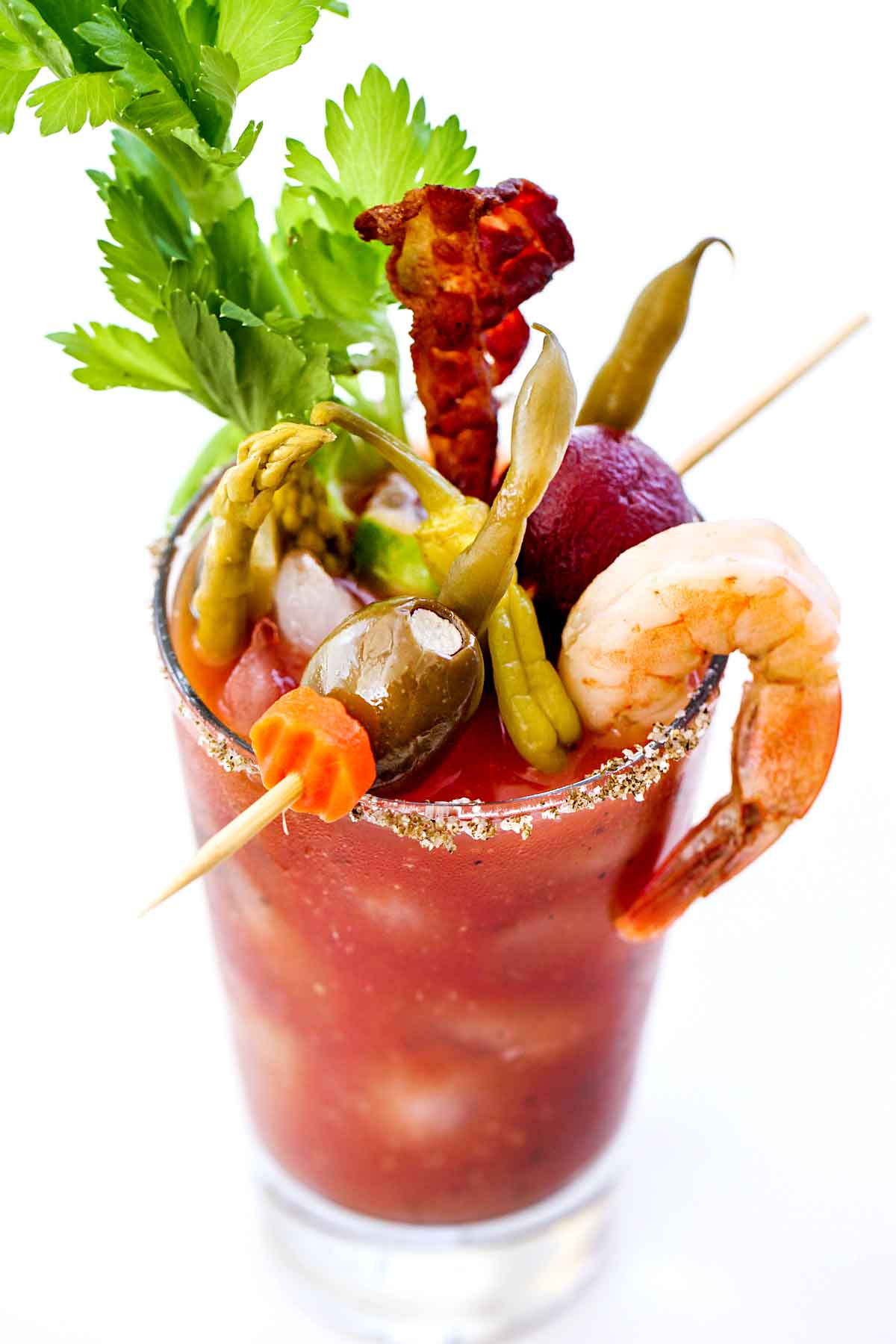
In modern brand strategy, “The Unboxing Experience” is everything. For the Bloody Mary, the garnish serves as the ultimate packaging. Over the last decade, the brand has undergone a “visual pivot,” moving from a simple celery stalk to elaborate, Instagrammable towers of sliders, shrimp, and pickled vegetables.
This visual identity is a key driver of organic marketing. The Bloody Mary is arguably the most photographed cocktail in the world because it offers high “Visual Value.” For brand managers, the lesson is clear: if your product is visually distinct and allows for user-generated variation, the consumers will handle the advertising for you. The Bloody Mary doesn’t need a billboard; it is the billboard.
Market Positioning: Owning the “Morning-After” Niche
One of the hardest feats in branding is owning a specific “moment of need.” Coca-Cola owns refreshment; Nike owns achievement. The Bloody Mary has successfully staked a claim on the “Recovery and Brunch” niche. By positioning itself as the “Hair of the Dog,” it solves a specific consumer pain point: the physical and social lethargy of the morning after.
Solving a Specific Pain Point (The Hangover Cure)
The Bloody Mary’s brand narrative is deeply rooted in its perceived medicinal qualities. By combining vitamins (tomato juice), electrolytes (salt), and a “bridge” dose of alcohol, it marketed itself—long before “wellness branding” was a trend—as a functional beverage.
In terms of brand positioning, this is a “Blue Ocean Strategy.” While most spirits and cocktails compete for the “Night Out” market (a crowded, red ocean), the Bloody Mary moved into the “Morning After” market (a blue ocean). By choosing a time of day when competition is low and consumer need is high, the brand achieved a dominant market share that has lasted nearly a century.

Building the Brunch Ecosystem
The Bloody Mary didn’t just join the brunch menu; it helped create the “Brunch” brand as we know it today. In strategic partnerships, we often talk about “Ecosystem Branding.” The Bloody Mary exists in a symbiotic relationship with the breakfast industry. It provides the justification for the meal’s luxury and price point.
For businesses, this illustrates the power of “Occasion-Based Marketing.” By associating your brand with a specific recurring social ritual, you ensure a lifetime of repeat customers. The Bloody Mary is not a “once in a while” purchase; it is a “every Sunday morning” commitment.
Ingredient Marketing and the “Intel Inside” Strategy
A unique feature of the Bloody Mary brand is its ability to elevate other brands. This is known as “Ingredient Branding,” similar to how a laptop might carry an “Intel Inside” sticker to signal quality. The Bloody Mary is a platform for other brands to reach the consumer.
Creating Opportunities for Upselling (Premiumization)
The “What’s a Bloody Mary?” question often leads to a discussion of ingredients: “Is it Grey Goose? Is it Tito’s? Is it Tabasco?” Because the cocktail is viewed as a “build,” it allows for infinite upselling opportunities.
From a marketing perspective, this is a “Value-Added Framework.” You aren’t just selling vodka; you are selling a “Premium Bloody Mary Experience.” This allows establishments to charge $18 for $3 worth of ingredients. The brand creates a “Premium Halo” around every component involved in its creation. This is a lesson for software or service brands: if you build a platform that allows other tools to integrate, you become the indispensable hub of the ecosystem.
The Customization Framework: Empowering the Consumer
In the modern era, consumers want to feel like “Prosumers”—both producers and consumers. The “Build-Your-Own Bloody Mary Bar” is a masterpiece of brand engagement. It turns the consumer into the brand manager.
By providing a base (the brand promise) and allowing the customer to choose their garnishes and spice levels (the personalization), the brand fosters deep loyalty. This “Co-Creation” strategy reduces the distance between the brand and the buyer. When a customer says, “I make the best Bloody Mary,” they are emotionally invested in the brand’s success because they have contributed to its final form.
Viral Growth and Cultural Legacy
Finally, to understand “What’s a Bloody Mary?”, we must look at its longevity. Most brands have a lifecycle: they launch, peak, and eventually become obsolete or need a total rebrand. The Bloody Mary has bypassed this cycle by becoming a “Legacy Brand.”
The Power of Ritual Over Product
Products can be replaced, but rituals are forever. The Bloody Mary is a ritual. It is the ritual of the weekend, the ritual of the airport lounge, and the ritual of the “toast to the morning.” In brand strategy, moving from “Product” to “Ritual” is the ultimate goal.
When a brand becomes a ritual, it becomes immune to price fluctuations and competition. You don’t compare the price of a Bloody Mary to the price of a screwdriver (vodka and orange juice) because they aren’t the same “brand experience.” One is a drink; the other is a ceremony.
Lessons for Modern Corporate Identity
What can modern businesses learn from the Bloody Mary?
-
Flexibility is Strength: Don’t be so protective of your brand guidelines that you stifle consumer creativity. Allow for “local versions” of your product.
-
Own a Time and Place: Identify a specific window of time in your customer’s life where you have no competitors, and dominate it.
-
Be the Platform: Create a product that makes other products better. If you are the “Intel Inside” of your industry, everyone becomes your partner rather than your competitor.
In conclusion, a Bloody Mary is not just a drink. It is a sophisticated, decentralized, and highly profitable brand entity. It has survived Prohibition, the rise of the health movement, and the shift to digital culture by remaining adaptable, visually striking, and deeply rooted in human ritual. For any brand strategist, the Bloody Mary isn’t just a choice at brunch; it is the blueprint for building a brand that lasts a century.
aViewFromTheCave is a participant in the Amazon Services LLC Associates Program, an affiliate advertising program designed to provide a means for sites to earn advertising fees by advertising and linking to Amazon.com. Amazon, the Amazon logo, AmazonSupply, and the AmazonSupply logo are trademarks of Amazon.com, Inc. or its affiliates. As an Amazon Associate we earn affiliate commissions from qualifying purchases.