
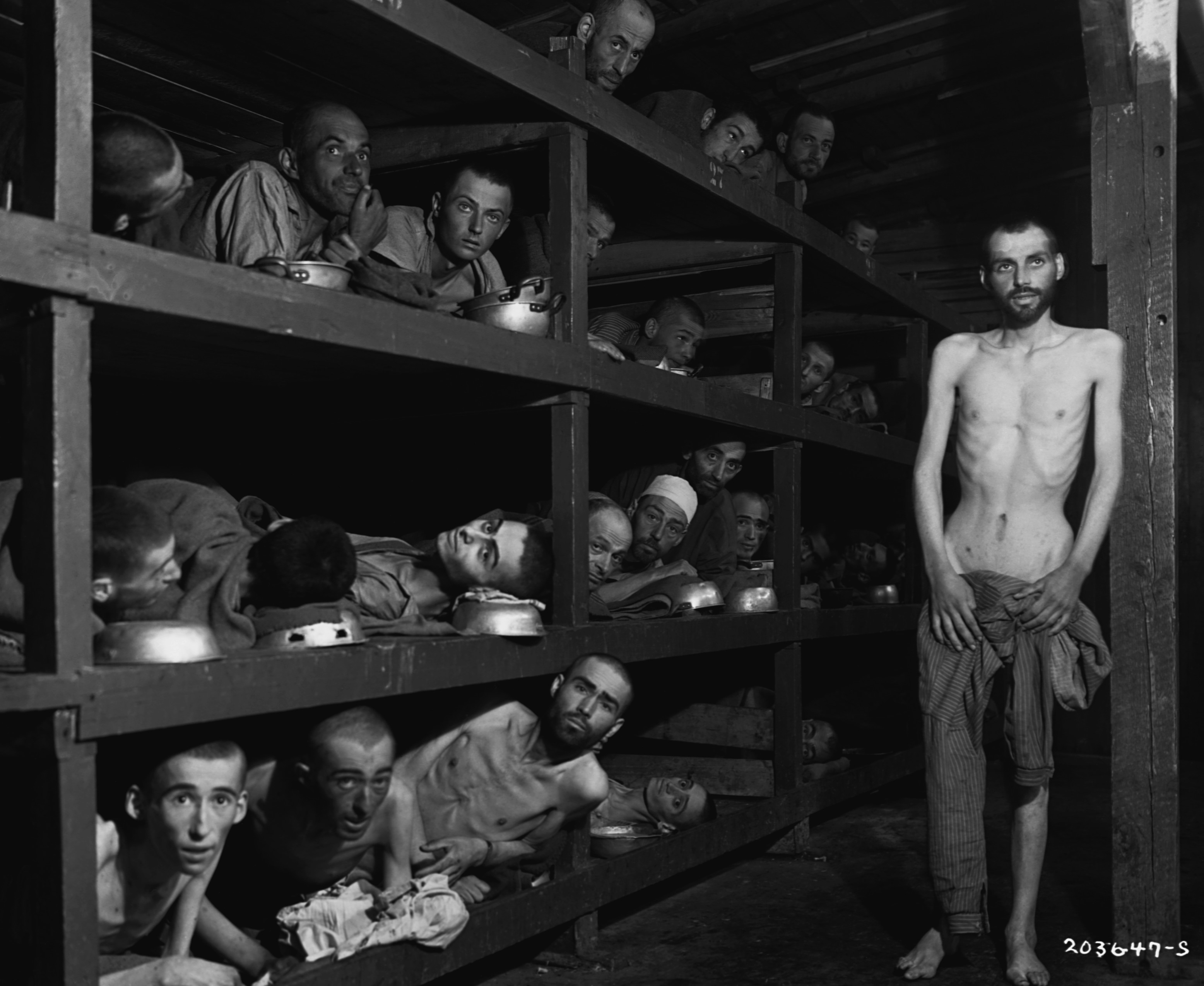
When we examine the historical period of the 1930s and 1940s through a modern technological lens, we uncover a chilling reality: the Holocaust was not merely a series of political decisions, but an early, devastating example of the power of data management, industrial optimization, and high-tech logistics. While we often view tech history through the lens of progress and liberation, the period between 1941 and 1945 demonstrates how emerging technologies—from early computation to advanced chemical engineering—can be weaponized to automate destruction.
Understanding what was happening during the Holocaust from a tech perspective requires us to look past the battlefield and into the offices, laboratories, and data centers of the era. It was a period where “efficiency” was divorced from ethics, creating a blueprint for the surveillance states and data-driven infrastructures we study today.
The Birth of Big Data: Hollerith Machines and Census Automation
Long before the advent of the silicon chip or the cloud, the precursor to modern computing was already being deployed to manage vast populations. The technological backbone of the era’s logistics was the Hollerith machine, a punch-card system developed by the Tabulating Machine Company (which later became IBM).
From Manual Ledgers to Punch Cards
Before the 1930s, national censuses were slow, manual processes that took years to compile. The introduction of punch-card technology changed everything. By translating human identities into a series of holes on a card, the state could sort, categorize, and cross-reference millions of individuals with unprecedented speed. This was the “Big Data” of its time. During the Holocaust, this technology allowed for the granular identification of individuals based on religion, ethnicity, and professional background.
The Optimization of Logistics through Early Computing
The logistical challenge of transporting millions of people across a continent requires sophisticated scheduling and resource management. The punch-card systems acted as an early form of Enterprise Resource Planning (ERP) software. These machines were used to manage the railway schedules and the inventory of the camps. By automating the flow of information, the regime could ensure that the “machinery” of the Holocaust operated without the bottlenecks that typically plague manual bureaucratic systems.
Communication Infrastructure: Mass Media and Cryptography
The era was also defined by a revolution in how information was transmitted and protected. The technological advancements in hardware—specifically radio and encryption devices—played a dual role in controlling the internal population and attempting to secure external military communications.
The Volksempfänger and the Democratization of State Audio
One of the most significant “gadgets” of the time was the Volksempfänger (People’s Receiver). In terms of tech trends, this was the equivalent of a mass-market smartphone. It was a radio set engineered to be affordable for the average citizen, but with a technological limitation: it was designed with a limited frequency range to ensure users could primarily receive state-sanctioned broadcasts. This was an early example of “walled garden” technology, where the hardware itself was used to filter the information accessible to the end-user, creating an echo chamber that facilitated mass radicalization.

Cryptography and the Enigma Machine
On the hardware and security front, the Holocaust occurred during the height of the “Enigma” era. The Enigma machine was an advanced piece of electro-mechanical hardware used to encrypt messages. From a digital security perspective, Enigma represented a massive leap in algorithmic complexity. It utilized a series of rotating wheels to create a cipher that changed with every keystroke. The battle to break this code—led by Alan Turing and the team at Bletchley Park—essentially birthed the field of modern computer science. While the Axis used this tech to hide the movements of their forces and the progress of their camps, the Allied response laid the groundwork for the first electronic, programmable computers.
Industrialization and the Engineering of Material Science
The Holocaust was also an era of rapid advancement in chemical engineering and synthetic materials. The industrial tech sector was pushed to its limits to find substitutes for natural resources and to develop more “efficient” methods of mass killing.
The Chemistry of Synthesis: IG Farben and Resource Tech
During this period, the technology of synthesis reached new heights. Because of wartime blockades, there was a massive tech push into creating synthetic rubber (Buna) and synthetic fuel from coal. IG Farben, the chemical conglomerate of the time, was at the forefront of this R&D. However, this same technological prowess was diverted toward the production of Zyklon B. Originally developed as a pesticide, the “optimization” of this chemical for use in gas chambers represents the darkest application of chemical engineering in human history.
Architecture as a Tool for Scale
The camp systems themselves were feats of perverse engineering. Architects and engineers designed these facilities with a focus on “throughput.” The transition from makeshift execution sites to industrialized gas chambers and crematoria involved complex thermal engineering and structural design. The goal was to solve the “problem” of scale—how to process thousands of individuals per day. This period saw the application of assembly-line logic—perfected by the automotive industry—applied to the logistics of death.
The Ethical Legacy: Data Privacy and the Modern Tech Stack
The technological history of the Holocaust is not just a study of the past; it is the foundation of modern tech ethics. The way data was used to identify and destroy populations led directly to the rigorous data privacy laws we see today, such as the GDPR in Europe.
The Birth of Data Privacy Ethics
The realization that “information is power”—and that such power can be lethal—led to a post-war shift in how democratic societies handle personal information. The census technology used by the regime showed that once data is collected, its use cannot always be controlled by the subject. This historical context is why many European nations have much stricter digital privacy regulations than the rest of the world. They remember a time when a simple database was the difference between life and death.
Algorithmic Accountability in the Modern Age
Today, as we move into the era of AI and facial recognition, the lessons of the 1940s are more relevant than ever. What was happening during the Holocaust was the manual predecessor to automated profiling. Modern tech professionals often discuss “algorithmic bias,” but history shows us the danger of “algorithmic intent.” When software is designed to exclude, categorize, or target specific groups, it follows the same logical path as the punch-cards of the 1940s.
The Responsibility of the Engineer
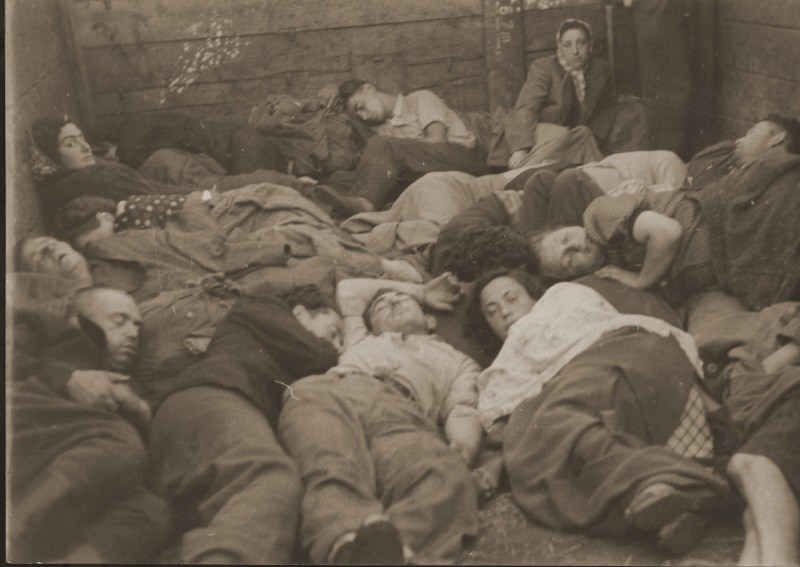
Finally, the Holocaust forces a conversation about the neutrality of technology. The engineers who maintained the Hollerith machines or designed the chemical compounds often claimed they were merely “technicians” performing a job. This has led to the modern professional standard that engineers and developers must consider the “dual-use” nature of their creations. Whether it is a social media algorithm or a surveillance tool, the tech sector now operates under the shadow of the knowledge that efficiency without ethics is a recipe for catastrophe.
In summary, the Holocaust was a period of intense technological activity. It was a time when the precursors to the modern computer, the modern radio, and modern chemical synthesis were all developed and deployed. By studying this era through a tech lens, we gain a deeper understanding of our responsibility as creators and users of technology. We are reminded that the “efficiency” we strive for in our apps and software must always be secondary to the human rights they are meant to support. The infrastructure of control built in the 1940s serves as a permanent warning for the innovators of the 21st century.
aViewFromTheCave is a participant in the Amazon Services LLC Associates Program, an affiliate advertising program designed to provide a means for sites to earn advertising fees by advertising and linking to Amazon.com. Amazon, the Amazon logo, AmazonSupply, and the AmazonSupply logo are trademarks of Amazon.com, Inc. or its affiliates. As an Amazon Associate we earn affiliate commissions from qualifying purchases.