
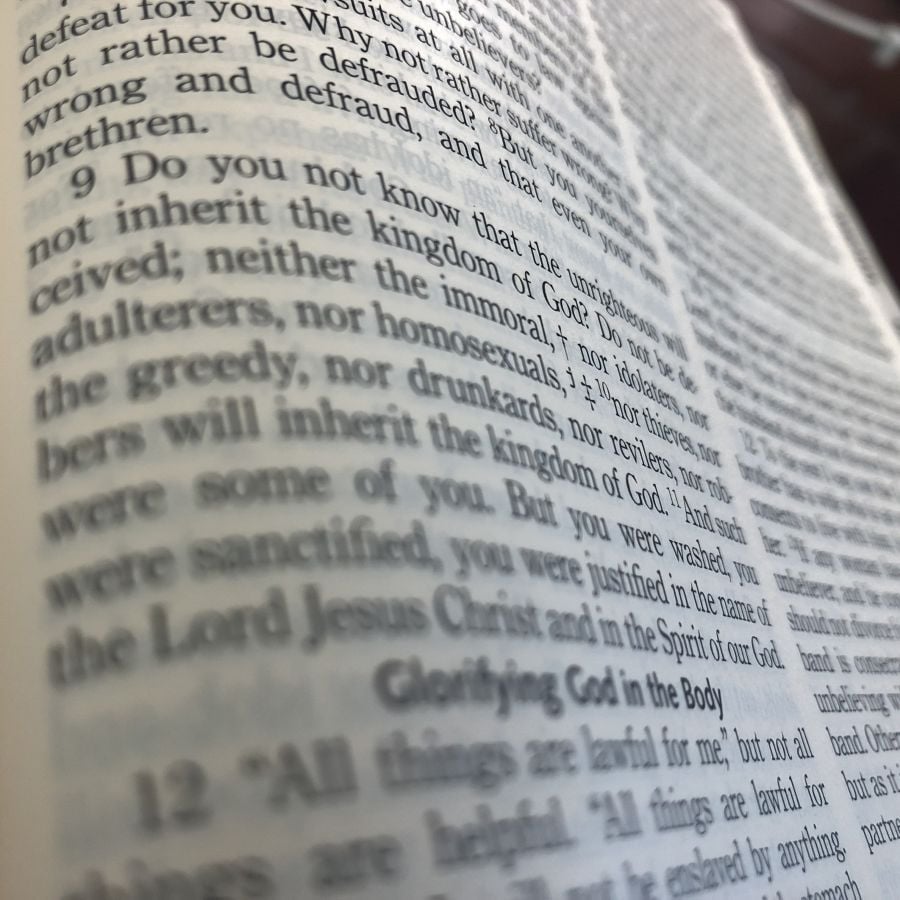
In the current era of hyper-connectivity and social consciousness, the role of a brand has evolved far beyond the mere provision of goods and services. Brands are now expected to be moral actors, participating in cultural dialogues that were once reserved for the dinner table or the pulpit. When we encounter complex cultural inquiries—such as those centered on the interpretation of ancient texts like the Bible—we are seeing the primary friction points of modern brand strategy. Specifically, questions like “what verse in bible talks about homosexuality” represent more than just theological curiosity; they represent a significant cultural divide that brands must navigate with precision, empathy, and strategic foresight.

For a brand manager or corporate strategist, these topics are not just “outside noise.” They are data points reflecting the values, tensions, and expectations of a global audience. Navigating these waters requires a sophisticated understanding of brand identity, audience segmentation, and the long-term implications of social positioning.
The Evolution of Brand Identity in a Values-Driven Market
The traditional marketing playbook often suggested that brands should remain neutral on sensitive religious or social issues. The goal was to cast the widest net possible, avoiding any stance that might alienate a specific demographic. However, the rise of the “belief-driven buyer” has fundamentally altered this landscape. Today’s consumers, particularly Gen Z and Millennials, increasingly choose brands that align with their personal values.
From Neutrality to Stance-Taking
Brand neutrality is becoming a relic of the past. In a world where silence is often interpreted as complicity, brands are being forced to define their “north star.” When cultural conversations arise regarding religious interpretations and human rights, a brand’s identity is tested. The transition from a product-centric brand to a values-centric brand involves identifying which social pillars the organization stands for. If a brand claims to value “Inclusion,” it must be prepared to address the complexities of religious tradition and LGBTQ+ rights without appearing performative.
The Cost of Silence vs. The Risk of Controversy
The strategic risk of taking a stand is high, but the cost of silence can be higher. When a brand ignores the cultural tensions inherent in religious or social discourse, it risks losing its relevance. However, a brand that enters the fray without a clear strategy risks “identity whiplash”—alienating its core base while failing to attract new followers. The key is not to join every conversation, but to ensure that when the brand does speak, it does so from a place of documented institutional value rather than reactionary PR.
Managing Sensitive Cultural and Religious Discourses
When we look at the intersection of religious scripture and modern identity, we are looking at a space where brand strategy meets sociology. A brand’s response to sensitive topics—such as how different communities interpret biblical verses regarding homosexuality—requires a deep dive into “Audience Sensitivity Mapping.”
Understanding the “Verse” Culture: Analyzing Audience Segments
To build a resilient brand, one must understand the diverse landscape of their audience. On one side, there are traditionalists who view their worldview through the lens of specific scriptural interpretations. On the other, there are progressive cohorts who view brand support for LGBTQ+ rights as a non-negotiable requirement for loyalty.
A sophisticated brand strategy doesn’t necessarily pick a side to “win”; rather, it seeks to understand the “why” behind these perspectives. By analyzing search trends and cultural queries, brands can develop communication frameworks that respect the dignity of all parties while remaining firm in the brand’s own mission. This involves moving beyond the “what” (the specific verse or debate) and focusing on the “how” (how the brand fosters an environment of mutual respect).
Authenticity Over Virtue Signaling
The greatest threat to a brand’s reputation during a cultural debate is the perception of virtue signaling. This occurs when a brand adopts the symbols of a movement (such as Pride branding) without a corresponding internal policy or long-term commitment. For brands navigating the tension between religious tradition and inclusion, authenticity is the only currency that matters. If a brand supports LGBTQ+ inclusion, that support should be reflected in their HR policies, their charitable giving, and their long-term marketing narratives, rather than just a seasonal logo change.
Case Studies: Brands Navigating the Faith-Inclusion Spectrum
To understand how brand strategy works in practice, we must look at organizations that have successfully (and unsuccessfully) navigated the intersection of faith, tradition, and modern social standards. These case studies provide a roadmap for how a corporate identity can survive and thrive amidst polarization.
Lessons from Global Retailers and the “Middle Ground”
Several global retailers have faced boycotts and backlash from both ends of the spectrum when addressing LGBTQ+ themes. The brands that survived these cycles were those that had a “crisis-ready” brand architecture. They didn’t apologize for their values, but they also didn’t mock or dismiss the concerns of traditionalist segments. Instead, they focused on a narrative of “Universal Belonging.” By framing their stance as a commitment to the customer experience for everyone, they de-escalated the conflict without retreating from their inclusive positioning.
Building a Brand Voice that Respects Diversity of Thought
Some of the most successful brand strategies in this space are those that acknowledge the complexity of the conversation. Instead of taking a militant stance, these brands use their platform to encourage dialogue. For example, a brand might highlight the stories of LGBTQ+ individuals within religious communities, showing that these identities are not mutually exclusive. This approach humanizes the brand and moves the conversation away from abstract “verses” and toward the lived experiences of their customers.
Strategic Implementation: A Framework for Brand Communication
Developing a brand strategy that can withstand cultural friction is not an overnight process. It requires a structured approach that integrates marketing, legal, and human resources into a unified brand voice.
Audience Research and Sensitivity Mapping
Before a brand takes a public stance on a topic that touches on religious interpretations, it must conduct extensive sentiment analysis. This goes beyond traditional demographics. It involves psychographic profiling—understanding the deeply held beliefs and fears of the consumer base. By identifying where the brand’s values overlap with the audience’s expectations, the marketing team can craft messages that resonate rather than provoke.
Long-term Consistency in Brand Messaging
The most common mistake in brand management is inconsistency. If a brand champions inclusion one year but retreats the moment a controversial religious discussion arises the next, it loses credibility across the board. Brand equity is built through repetition and reliability. A strategic framework must include a “response matrix” that dictates how the brand will react to social media firestorms or cultural debates. This ensures that the brand’s voice remains steady, regardless of the current political or religious climate.
Internal Culture as the Brand’s Foundation
A brand’s external identity is only as strong as its internal culture. If a brand is to navigate questions of faith and inclusion, it must first have these conversations within its own walls. This means creating a workplace where employees of all backgrounds—including those with strong religious convictions and those within the LGBTQ+ community—feel represented. When the internal brand is healthy, the external brand strategy becomes an organic extension of the company’s reality, making it much harder for critics to undermine.

The Future of Branding as a Bridge-Builder
As we look toward the future of brand strategy, the goal is no longer just to sell a product, but to foster a community. In a fragmented world, brands have a unique opportunity to act as bridge-builders. By acknowledging the tensions inherent in cultural and religious discourses, brands can move beyond the “culture wars” and toward a more nuanced form of engagement.
The question of “what verse in the bible talks about homosexuality” is a reminder that we live in a world of deeply held, often conflicting beliefs. A masterful brand strategy does not seek to solve these theological debates. Instead, it creates a brand identity that is robust enough to respect the history of tradition while being courageous enough to champion the future of inclusion.
Ultimately, the brands that win will be those that prioritize human dignity over tactical convenience. By building a brand identity rooted in empathy, transparency, and a clear set of non-negotiable values, organizations can navigate any cultural storm and emerge with a more loyal, engaged, and diverse audience than ever before. This is the hallmark of modern brand strategy: the ability to hold space for complexity while maintaining a singular, authentic voice.
aViewFromTheCave is a participant in the Amazon Services LLC Associates Program, an affiliate advertising program designed to provide a means for sites to earn advertising fees by advertising and linking to Amazon.com. Amazon, the Amazon logo, AmazonSupply, and the AmazonSupply logo are trademarks of Amazon.com, Inc. or its affiliates. As an Amazon Associate we earn affiliate commissions from qualifying purchases.