
In the realm of mechanical engineering and biomechanical technology, the hip joint stands as the gold standard of architectural efficiency. When we ask “what type of joint is the hip joint,” the biological answer is a synovial ball-and-socket joint. However, in the modern tech landscape, this anatomical description is merely the starting point for a multi-billion dollar industry dedicated to replicating, augmenting, and digitizing human mobility. The hip joint is the ultimate “pivot point” of the human kinetic chain, and today, it is at the center of a technological revolution involving robotics, additive manufacturing, and artificial intelligence.
The Biomechanics of Connectivity: Translating Anatomy into Engineering
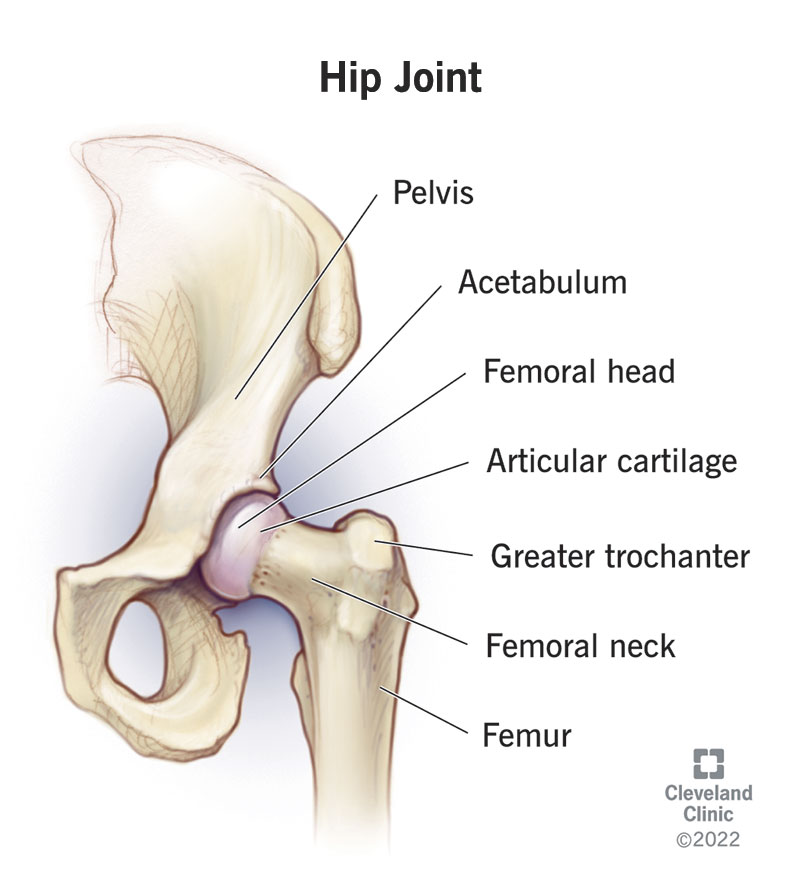
The hip joint’s classification as a ball-and-socket joint provides it with three degrees of freedom: flexion/extension, abduction/adduction, and internal/external rotation. For software engineers and roboticists, this biological hardware represents a complex challenge in multi-axis movement. Understanding the “type” of joint the hip is allows tech developers to create more fluid motion in humanoid robotics and more effective assistive devices.
The Ball-and-Socket Mechanism in Modern Robotics
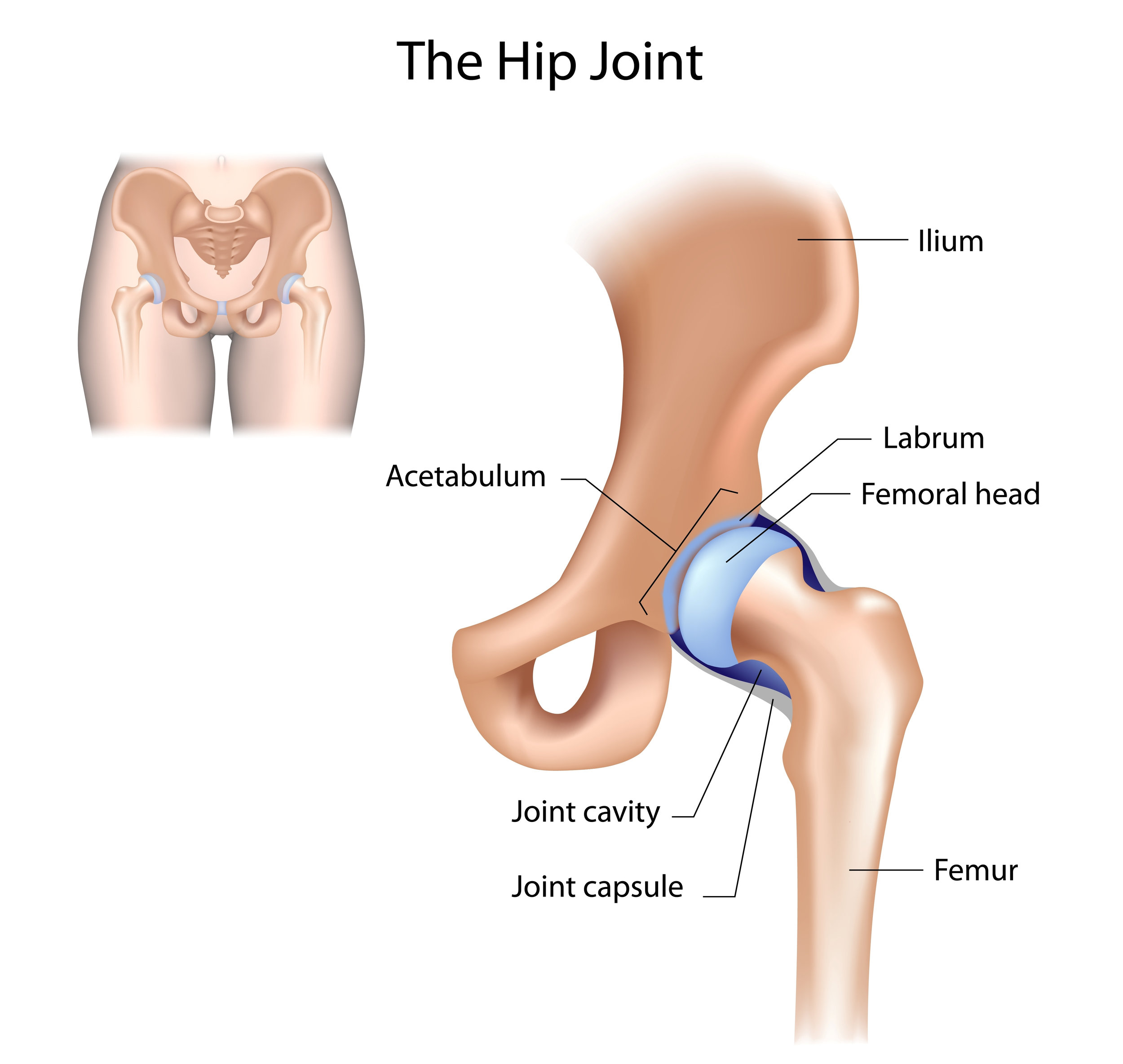
In the field of robotics, replicating the hip joint is a foundational task for achieving bipedal locomotion. Companies like Boston Dynamics and Tesla (with the Optimus project) spend thousands of R&D hours attempting to mimic the synovial ball-and-socket structure. Unlike a simple hinge joint—like the door-like movement of a finger—the hip requires high-torque actuators that can handle the stress of weight-bearing while maintaining a wide range of motion. Modern tech utilizes spherical motors and specialized linkages to emulate the acetabulum (the socket) and the femoral head (the ball), ensuring that robots can navigate uneven terrain with the same grace as a human.
Materials Science: From Biological Bone to Carbon Fiber and Titanium
The “type” of joint dictates the materials needed to sustain it. Because the hip is a weight-bearing joint, the tech sector has pushed the boundaries of materials science to create synthetic components that mimic biological durability. We have moved beyond simple stainless steel into the era of Trabecular Metal and advanced ceramics. These materials are engineered at the molecular level to promote “osseointegration”—a process where the patient’s natural bone grows into the technological implant, effectively merging the biological “joint” with the digital “gadget.”
MedTech Innovations in Hip Reconstruction and Replacement
The transition from understanding the hip as a biological joint to treating it as a high-performance mechanical component has birthed a new era of Medical Technology (MedTech). Today, a hip replacement is not just a surgery; it is a precision-engineered event driven by software and advanced hardware tools.
Robotic-Assisted Surgery: Precision Beyond Human Hands
When a surgeon replaces a ball-and-socket joint, the alignment must be perfect to within millimeters. A misalignment of even two degrees can lead to premature wear of the technological components. Enter systems like the Stryker Mako or the Zimmer Biomet ROSA. These robotic platforms use haptic feedback and 3D visualization to assist surgeons. The “tech” here lies in the software’s ability to create a virtual boundary; the robotic arm will literally stop or resist if the surgeon attempts to cut outside the pre-planned digital map. This ensures that the “type” of joint created is perfectly balanced for the patient’s specific anatomy.
3D Printing and Patient-Specific Implants
One of the most significant shifts in orthopedic technology is the move from “off-the-shelf” components to custom-printed solutions. Using Selective Laser Sintering (SLS) and other additive manufacturing techniques, engineers can take a patient’s CT scan and print a titanium “socket” that matches their unique bone structure perfectly. This niche of “Mass Personalization” in tech ensures that the replacement joint functions exactly like the original biological ball-and-socket, reducing recovery times and increasing the lifespan of the hardware.

The Role of AI and Machine Learning in Joint Health Monitoring
The hip joint is no longer just a physical entity; in the age of the Internet of Medical Things (IoMT), it is becoming a data point. The integration of software into the management of joint health is perhaps the most “tech-forward” aspect of modern orthopedics.
Predictive Analytics in Orthopedic Diagnostics
Artificial Intelligence is now being trained to identify the “type” and severity of joint degradation long before a patient feels pain. Large-scale datasets of X-rays and MRIs are processed through neural networks to spot micro-fractures or thinning cartilage in the hip joint. These AI tools act as a preventative software layer, allowing clinicians to intervene with non-invasive technological treatments—such as targeted physiotherapy apps—before a total mechanical failure of the joint occurs.
Wearable Sensors and the Internet of Medical Things (IoMT)
Post-operative care for hip joints has moved into the cloud. Smart implants are currently in development that feature embedded sensors capable of measuring load distribution, temperature (to detect infection), and range of motion. This data is transmitted via Bluetooth to a patient’s smartphone and then to a centralized cloud database. For the tech-savvy patient, their hip joint is effectively a “connected device,” providing real-time telemetry on their physical performance and the structural integrity of their “internal hardware.”
Digital Security and the Future of Connected Prosthetics
As we move toward a future where the hip joint—and other synovial joints—become increasingly integrated with technology, we must address the “digital” side of biological security. The more we rely on software to manage our physical bodies, the more critical digital security becomes.
Protecting Patient Data in Neural-Linked Devices
The next frontier in hip joint technology is the development of neural-linked prosthetics for those with severe mobility loss. These devices involve a “Brain-Computer Interface” (BCI) that translates neural signals into movement for the mechanical ball-and-socket. However, this creates a new vulnerability: the “hacked” body. The technology niche must now incorporate cybersecurity experts to ensure that the data transmission between the brain and the mechanical joint is encrypted and secure from external interference.
The Future of the “Hacked” Human Body
As we look toward 2030 and beyond, the definition of “what type of joint is the hip joint” may shift from a biological classification to a hybrid one. We are entering the age of “Bio-Convergence,” where software, hardware, and biology are indistinguishable. The “Tech” of the hip joint will eventually involve nanorobots that can repair cartilage in real-time or synthetic lubricants that outperform natural synovial fluid. In this context, the hip joint becomes the ultimate piece of “legacy hardware” that is constantly being patched and updated by the latest software innovations.
Conclusion: The Hip as a Technological Masterpiece
In conclusion, while the hip joint is fundamentally a ball-and-socket joint, its role in the modern world is defined by the technology that seeks to emulate and enhance it. From the high-torque actuators in robotics to the AI-driven diagnostics of MedTech, the hip joint serves as a constant inspiration for innovation.
For those in the tech industry, the hip is a lesson in sustainable engineering: a joint designed to last a century under constant load, capable of complex multi-axis rotation, and possessing the ability to self-repair (to an extent). As we continue to develop more sophisticated software, more durable materials, and more precise robotics, our relationship with this “biological pivot” will only deepen. We are no longer just studying the hip; we are re-engineering it for a digital, high-performance future where the line between the human body and the machine continues to blur.
aViewFromTheCave is a participant in the Amazon Services LLC Associates Program, an affiliate advertising program designed to provide a means for sites to earn advertising fees by advertising and linking to Amazon.com. Amazon, the Amazon logo, AmazonSupply, and the AmazonSupply logo are trademarks of Amazon.com, Inc. or its affiliates. As an Amazon Associate we earn affiliate commissions from qualifying purchases.