
Atrial Fibrillation, commonly known as Afib, has long been a challenge for traditional clinical medicine. As the most common type of heart arrhythmia, it involves an irregular and often rapid heart rate that can lead to blood clots, stroke, and heart failure. However, in the modern era, the answer to the question “what treats Afib?” has shifted from purely pharmaceutical interventions to a sophisticated intersection of hardware, software, and data science.
The tech industry has effectively moved Afib management from the occasional hospital visit to a 24/7 ecosystem of continuous monitoring and precision intervention. From wearable sensors that detect irregularities before symptoms appear to AI-driven surgical robots that perform microscopic corrections, technology is now the primary driver in treating and managing this complex condition.

The Wearable Revolution: From Consumer Gadgets to Diagnostic Powerhouses
The first line of defense in treating Afib is detection. Historically, patients had to experience palpitations, visit a doctor, and hope the arrhythmia occurred while they were hooked up to a 12-lead ECG. Today, consumer technology has democratized cardiac monitoring, allowing for early intervention that was previously impossible.
Smartwatches and the Democratization of the ECG
The integration of FDA-cleared Electrocardiogram (ECG) sensors into consumer devices like the Apple Watch, Samsung Galaxy Watch, and Fitbit has fundamentally changed the patient-provider dynamic. These devices utilize photoplethysmography (PPG) to monitor blood flow and detect irregularities. When a potential rhythm issue is detected, the software prompts the user to take a formal ECG by completing a circuit with their finger on the watch crown.
This tech treats Afib by providing “longitudinal data”—a continuous record of the heart’s behavior over months rather than minutes. This allows electrophysiologists to see the “burden” of Afib, or how often the episodes occur, which is critical for determining the aggressiveness of the treatment plan.
Medical-Grade Wearables and Continuous Patch Monitoring
Beyond consumer watches, the tech sector has developed specialized “wear-and-forget” sensors like the Zio XT patch or the KardiaMobile device. These tools represent a shift toward high-fidelity data collection. A wearable patch can record every single heartbeat for up to 14 days, utilizing cloud-based algorithms to sift through millions of beats to identify transient Afib episodes. This level of granular data ensures that doctors are treating the specific signature of a patient’s arrhythmia rather than guessing based on intermittent symptoms.
AI and Machine Learning: Precision Diagnostics and Risk Prediction
If wearables are the “eyes” of Afib treatment, Artificial Intelligence (AI) is the “brain.” The sheer volume of data generated by continuous monitoring is too vast for human clinicians to analyze manually. This is where machine learning models become the essential tool for treatment.
Predictive Analytics for Stroke Prevention
One of the most dangerous complications of Afib is the high risk of stroke. Tech companies are now deploying AI algorithms that can predict the likelihood of a stroke by analyzing subtle patterns in a patient’s heart rhythm data that are invisible to the human eye. By identifying these “digital biomarkers,” AI treats Afib proactively, alerting clinicians to prescribe anticoagulants or adjust treatment protocols before a catastrophic event occurs.
Deep Learning and the “Digital Twin” Concept
In the cutting-edge sphere of healthtech, researchers are using deep learning to create “digital twins” of a patient’s heart. By inputting MRI data and electrical mapping into a high-performance computing model, software can simulate how a specific patient’s heart will react to different treatments. This allows surgeons to “test” a procedure in a virtual environment before ever touching the patient. This technology treats Afib by removing the trial-and-error aspect of cardiac care, ensuring that the chosen intervention—whether it be medication or surgery—is the one most likely to succeed based on the patient’s unique cardiac geometry.
Surgical Innovation: Robotics and Pulsed Field Ablation
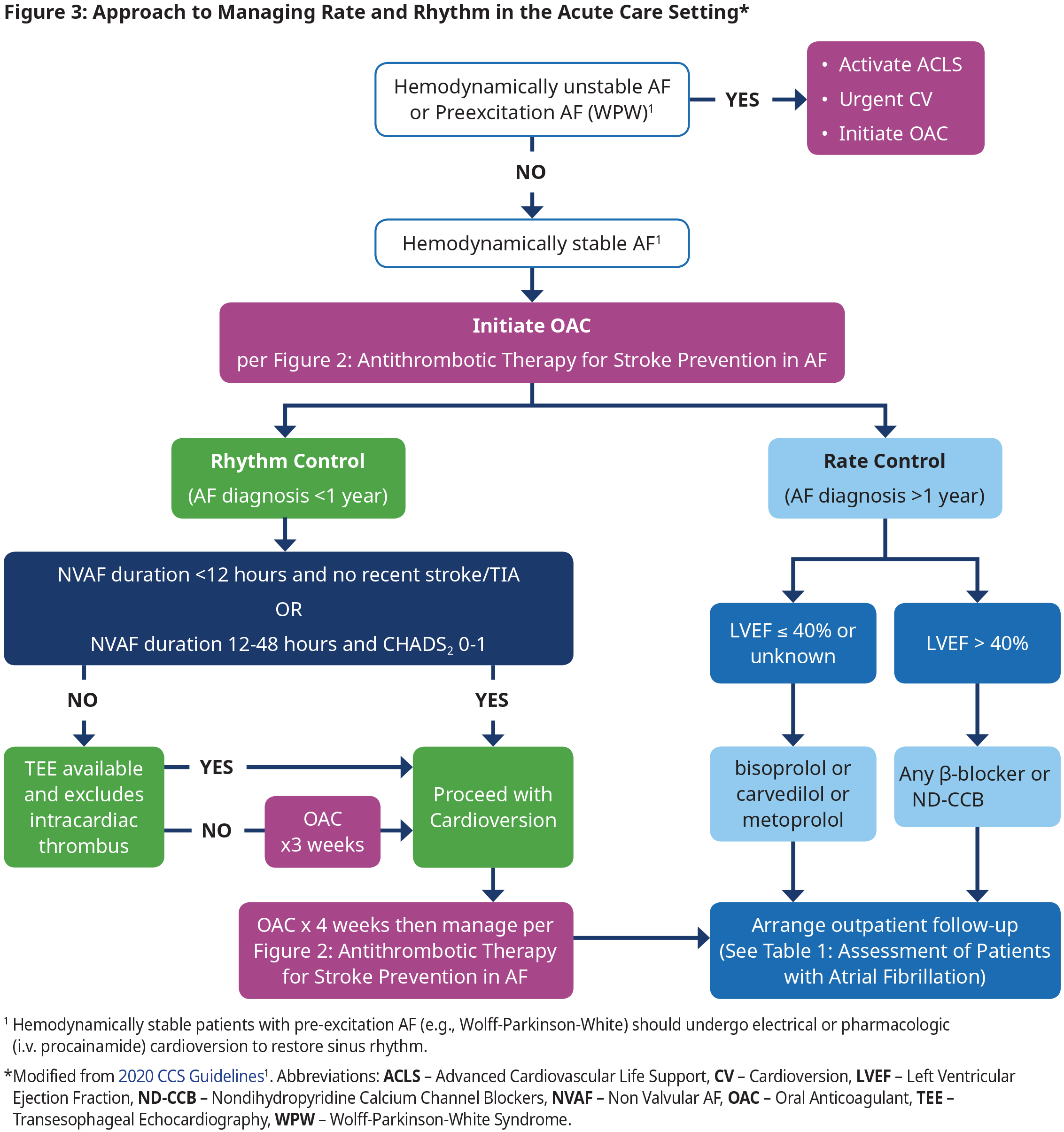
When lifestyle changes and medication are insufficient, the “treatment” for Afib often moves into the electrophysiology (EP) lab. This is where hardware engineering and robotics have revolutionized the efficacy of cardiac ablation—a procedure that scars small areas of heart tissue to block irregular electrical signals.
Robotic-Assisted Catheter Ablation
Precision is the most critical factor in a successful ablation. Traditionally, this was a manual process prone to human error. However, robotic navigation systems now allow electrophysiologists to guide catheters with sub-millimeter precision. These robotic arms are controlled via a digital interface, providing more stability and better contact with the heart tissue than a human hand can achieve. By ensuring more accurate “lesions” (the scars that stop Afib), this technology significantly reduces the need for repeat procedures.
Pulsed Field Ablation (PFA): The Tech Frontier
Perhaps the most exciting technological leap in treating Afib is Pulsed Field Ablation (PFA). Unlike traditional thermal ablation, which uses extreme heat or cold to destroy tissue (potentially damaging surrounding organs like the esophagus), PFA uses high-energy electrical pulses.
This “electroporation” tech is tissue-selective; it can be tuned to only affect heart cells while leaving surrounding nerves and vessels untouched. This is a software-defined treatment modality that represents a massive leap in patient safety and procedure speed. The transition from “burning” to “pulsing” is a testament to how specialized hardware can solve long-standing biological risks in cardiac treatment.
Telehealth Ecosystems and Remote Patient Management (RPM)
Treating Afib is not a one-time event; it is a chronic management challenge. The rise of Telehealth and Remote Patient Management (RPM) platforms has integrated the treatment of Afib into the patient’s daily digital life, ensuring that the “treatment” is constant and adaptive.
Real-Time Data Integration and Interoperability
The modern Afib treatment tech stack relies on interoperability—the ability for different devices and software systems to talk to each other. When a patient’s smart device detects an Afib episode, the data is automatically uploaded to a secure cloud platform. From there, it is integrated into the Electronic Health Record (EHR).
This allows for “closed-loop” care. If the software detects that a patient’s heart rate is consistently high despite treatment, it can trigger an automated alert to the clinical team. This tech-driven oversight treats Afib by facilitating “just-in-time” care, where medications can be adjusted remotely via a video consultation, preventing a trip to the emergency room.
The Role of Cloud Computing in Population Health
On a broader scale, cloud computing allows researchers to aggregate anonymized data from thousands of Afib patients. By applying big data analytics to these datasets, tech companies can identify which demographics respond best to specific ablation techniques or drug therapies. This turns every individual Afib patient’s data into a contribution toward a global “knowledge base,” allowing the technology to treat the condition more effectively for future generations.

The Synergy of Tech and Human Health
The answer to “what treats Afib” is no longer just a list of pills or a surgical manual; it is a sophisticated web of interconnected technologies. We have entered an era where silicon and software are as vital to cardiac health as the stethoscope was in the 20th century.
From the wearable on a patient’s wrist that provides the first warning, to the AI that calculates stroke risk, and finally to the robotic systems that perform the curative ablation, technology has redefined the standard of care. As machine learning models become more predictive and surgical tools become more precise, the “tech treatment” of Afib will move even further toward prevention, potentially identifying and neutralizing the triggers of arrhythmia before the heart ever skips a beat.
In this landscape, the “patient” is no longer a passive recipient of care but a data-empowered participant in a high-tech ecosystem designed to keep the heart in rhythm. The future of Afib treatment is digital, data-driven, and decidedly high-tech.
aViewFromTheCave is a participant in the Amazon Services LLC Associates Program, an affiliate advertising program designed to provide a means for sites to earn advertising fees by advertising and linking to Amazon.com. Amazon, the Amazon logo, AmazonSupply, and the AmazonSupply logo are trademarks of Amazon.com, Inc. or its affiliates. As an Amazon Associate we earn affiliate commissions from qualifying purchases.