
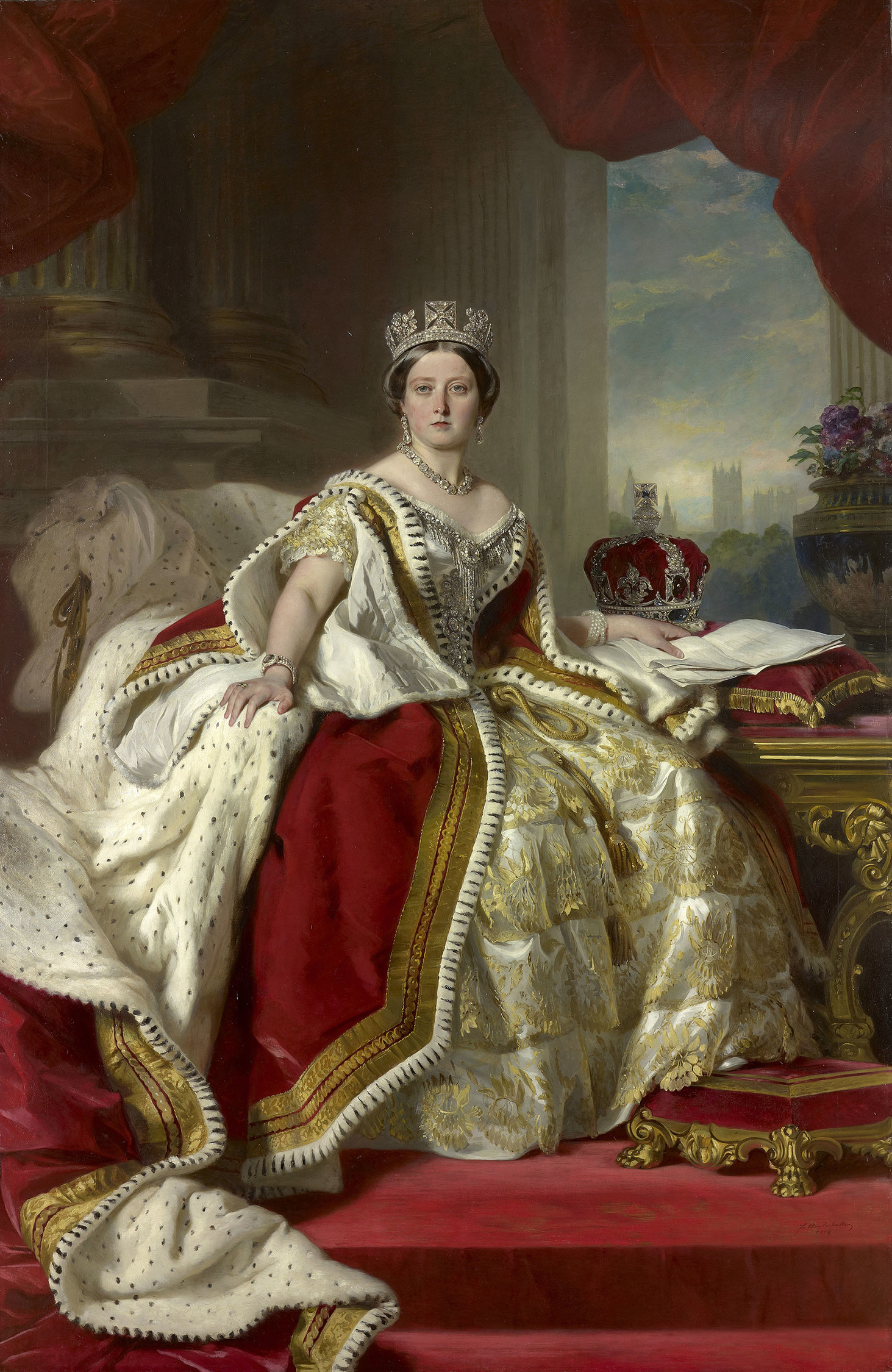
When we ask “what time period is Victorian,” the standard historical answer is the reign of Queen Victoria, spanning from 1837 to 1901. However, from a financial and economic perspective, this era represents far more than a chronological segment of the 19th century. It was the crucible in which modern capitalism, global trade, and the concept of personal wealth management were forged. To understand the Victorian period is to understand the origin of the financial systems, investment vehicles, and economic philosophies that govern our lives today.
Defining the Victorian Period Through an Economic Lens
While the dates 1837 to 1901 define the political boundaries of the era, the financial Victorian period is characterized by the transition from a land-based aristocratic economy to a capital-based industrial powerhouse. This was the era where “old money” met the unstoppable force of “new money.”
The 1837–1901 Timeline: From Agrarian Roots to Industrial Dominance
At the start of Victoria’s reign, wealth was largely tied to the ownership of land. By the end of her sixty-four years on the throne, the world’s economic center of gravity had shifted to the factory, the steamship, and the stock exchange. This period saw the maturity of the Industrial Revolution, which facilitated a massive surge in gross domestic product (GDP). For the first time in history, wealth was being generated at a rate that outpaced population growth, leading to a significant increase in per capita income. This surplus capital is what allowed for the birth of modern personal finance.
The Rise of the Global Market and the British Pound as the Reserve Currency
The Victorian era was the age of the “Gold Standard.” By pegging the British Pound Sterling to a specific weight of gold, the era established an unprecedented level of international monetary stability. This allowed London to become the world’s financial capital. For the Victorian businessman, the world was a single marketplace. Investors in London were financing railroads in the United States, tea plantations in India, and mines in South Africa. This period established the concept of international portfolio diversification, a strategy that remains a cornerstone of sophisticated investing today.
The Birth of the Modern Investor and the Middle Class
Before the mid-19th century, the average person had very few options for growing their wealth. You either owned land, or you kept your coins in a literal or metaphorical mattress. The Victorian period changed this by democratizing the concept of the “investor.”
Democratizing Wealth: The Shift from Land to Capital
The expansion of the middle class—comprised of merchants, factory owners, lawyers, and clerks—created a new demographic with disposable income. These individuals did not have the capital to buy vast country estates, but they did have enough to participate in the burgeoning financial markets. This shift necessitated the creation of financial instruments that could be bought in smaller increments. The “ticker tape” and the proliferation of financial newspapers transformed the act of making money from a private aristocratic privilege into a public, middle-class pursuit.
The Emergence of the Stock Market for the Common Man
The Victorian era saw the London Stock Exchange evolve from a niche gathering of brokers into a sophisticated engine of capital. With the rise of joint-stock companies, the barrier to entry for business ownership plummeted. A schoolteacher or a local shopkeeper could now own a “share” in a massive enterprise. This period saw the formalization of dividend payments and the secondary market, allowing individuals to realize capital gains. The Victorian obsession with “improvement” translated into a financial culture where everyone was encouraged to put their money to work.
Victorian Business Finance: Innovation, Infrastructure, and Risk
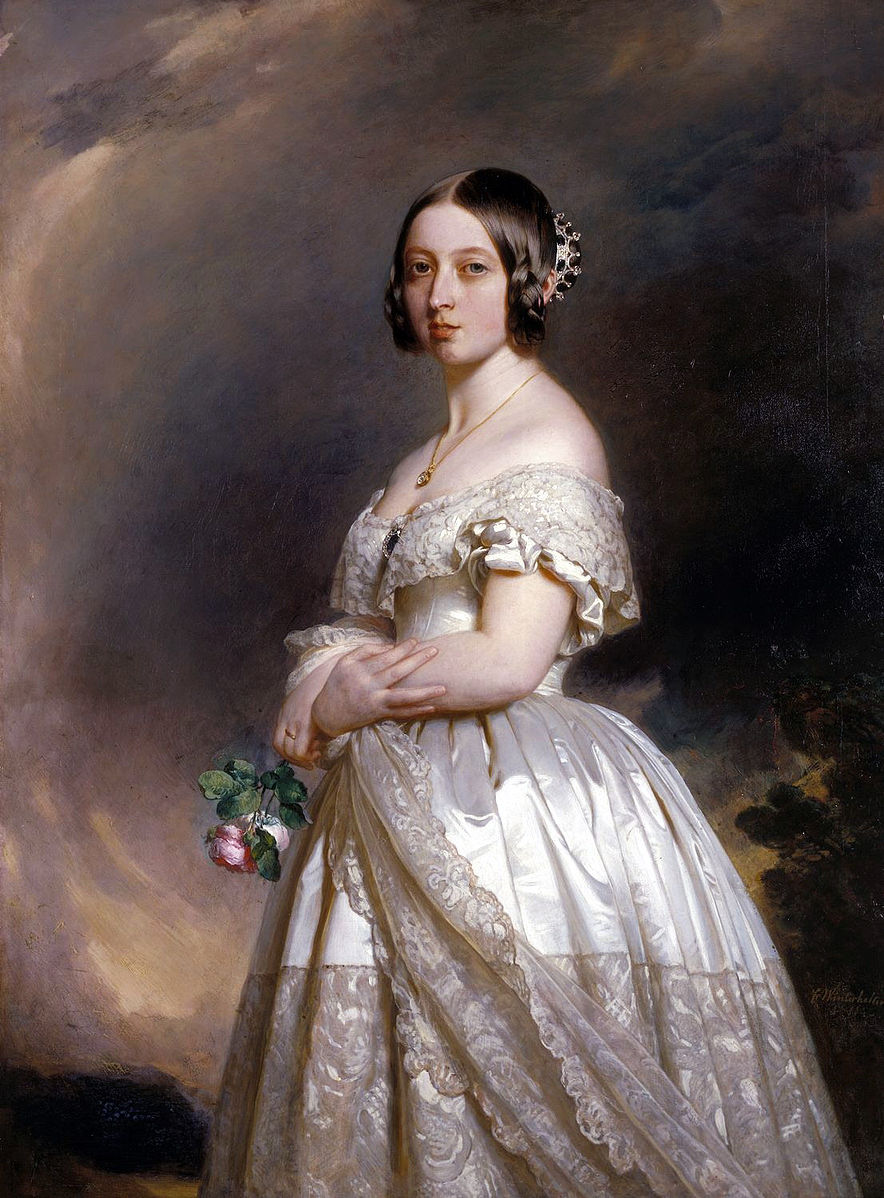
The Victorian era was a time of massive capital expenditure. The infrastructure we rely on today—sewers, railways, and telecommunications—was largely financed by Victorian private equity and public debt.
The Railway Mania: A Case Study in Speculative Bubbles
Perhaps the most famous financial event of the period was the “Railway Mania” of the 1840s. It serves as a timeless lesson in business finance and market psychology. As steam power proved its utility, the public became convinced that railways were a “can’t-lose” investment. Thousands of companies were formed, many with no viable route or business plan. Share prices skyrocketed, fueled by FOMO (fear of missing out) and easy credit. When the bubble burst in 1846, it wiped out the savings of thousands. Yet, the legacy of this “mania” was a completed national rail network that lowered the cost of doing business for a century. For the modern investor, the Victorian railway boom is the direct ancestor of the Dot-com bubble or the cryptocurrency surges of the 21st century.
Limited Liability Laws: Revolutionizing Corporate Responsibility
Perhaps the greatest Victorian contribution to modern business finance was the Joint Stock Companies Act of 1856 and the subsequent Companies Act of 1862. Before these laws, if a business failed, its shareholders were personally liable for all its debts. This meant a small investor could lose their home if a company they owned one share in went bankrupt. The Victorians introduced “Limited Liability” (denoted by ‘Ltd’). This meant an investor’s risk was limited solely to the amount they had invested. This single legal innovation unlocked billions in capital, as it allowed individuals to invest in risky, high-reward ventures without fear of total personal ruin. It is the bedrock upon which the modern corporate world is built.
Personal Finance and Social Mobility in the 19th Century
The Victorian era was deeply moralistic, and this morality extended to how one handled their money. Financial success was seen as a reflection of character, leading to a culture of rigorous personal accounting.
The Victorian Work Ethic: Saving, Thrift, and “Self-Help”
In 1859, Samuel Smiles published Self-Help, a book that became the “Bible” of Victorian personal finance. It preached the virtues of industry, thrift, and perseverance. Unlike the modern “get rich quick” culture, the Victorian financial ethos was built on “the power of compound interest” and the slow accumulation of wealth. Savings banks—specifically designed for the working and middle classes—proliferated during this time. The Post Office Savings Bank, established in 1861, provided a secure place for the average person to save, backed by the state. This era taught the masses that financial security was a result of disciplined budgeting rather than luck.
Insurance and Banking for the Masses
As the Victorian economy became more complex, the need for risk management grew. This period saw the professionalization of the insurance industry. Life insurance became a staple for the middle-class family man, ensuring that his dependents would not fall into poverty upon his death. Similarly, the banking sector consolidated. The “Big Five” banks that would dominate the British landscape for much of the 20th century began their growth in the Victorian era. They moved away from being purely merchant banks for the elite to becoming retail institutions that managed the everyday cash flow of a nation.
Legacy: How Victorian Financial Structures Govern Today’s Economy
The Victorian period did not simply end in 1901; it transitioned into the modern era, leaving behind the skeletal structure of our current financial world. When we trade stocks on an app, we are using the limited liability structures perfected in the 1860s. When we check our savings accounts, we are participating in a culture of thrift institutionalized in the 1850s.
The Victorian era taught us that capital is the most powerful tool for societal transformation. It proved that by pooling the small savings of the many, a society could build the massive infrastructure projects that benefit all. It also warned us about the dangers of irrational exuberance and the necessity of regulation in the face of corporate greed.
To answer “what time period is Victorian” is to identify the birth of the modern economic citizen. It was a sixty-four-year span where the world learned how to trade, how to save, how to invest, and how to manage the risks of a globalized economy. For anyone interested in money, finance, or business, the Victorian era is not just history; it is the manual for how our current systems operate. By studying the triumphs and the spectacular failures of 19th-century finance, we gain the insight necessary to navigate the complexities of the 21st-century market.
aViewFromTheCave is a participant in the Amazon Services LLC Associates Program, an affiliate advertising program designed to provide a means for sites to earn advertising fees by advertising and linking to Amazon.com. Amazon, the Amazon logo, AmazonSupply, and the AmazonSupply logo are trademarks of Amazon.com, Inc. or its affiliates. As an Amazon Associate we earn affiliate commissions from qualifying purchases.