
The announcement that WWE’s flagship program, Monday Night Raw, is moving to Netflix in January 2025 marks one of the most significant shifts in the history of digital media and telecommunications. For decades, live wrestling was the bedrock of cable television, relying on traditional satellite uplinks and localized broadcast networks. However, the move to Netflix signifies a monumental leap in streaming technology, infrastructure, and global content delivery.
To answer the question of “what time” WWE will be on Netflix, one must look beyond a simple clock. It requires an understanding of how Netflix is re-engineering its entire tech stack to accommodate millions of concurrent viewers in a live, low-latency environment.
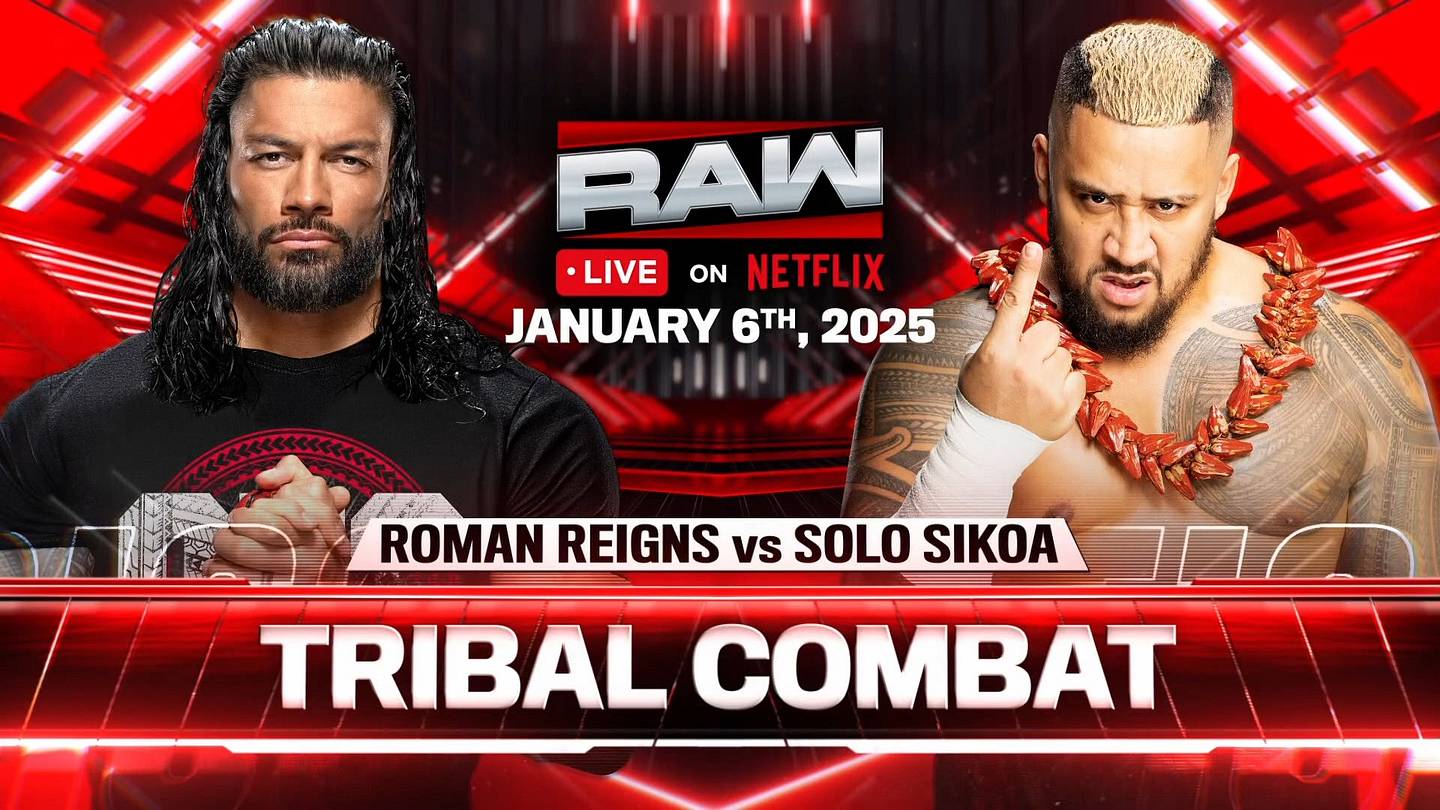
The Technical Evolution of WWE Raw: From Cable to Cloud
The transition of WWE to Netflix is not merely a licensing agreement; it is a massive engineering feat. Historically, Netflix built its reputation on Video On Demand (VOD). VOD allows for aggressive caching and content delivery through the Netflix Open Connect program, where ISP-located appliances store popular shows like Stranger Things locally. Live sports, however, present a different set of technical challenges.
Understanding the $5 Billion Infrastructure Shift
The ten-year, $5 billion deal represents Netflix’s commitment to becoming a live broadcast powerhouse. From a technical standpoint, this requires a move away from static file delivery toward dynamic, real-time stream processing. For WWE fans, the “time” the show starts will be synchronized globally through a sophisticated network of cloud-based master controls. Unlike cable, where regional delays often occurred, Netflix’s goal is a “True Live” experience where the time is uniform across its global digital footprint, adjusted only by the user’s local time zone.
Global Server Synchronization: Why “Live” Changes Everything
When Raw airs at 8:00 PM Eastern Time, Netflix’s servers must handle a massive “thundering herd” of traffic—millions of users logging in simultaneously. To manage this, Netflix utilizes advanced load-balancing algorithms and auto-scaling groups within Amazon Web Services (AWS) and its own content delivery network (CDN). The technology ensures that whether you are in New York, London, or Tokyo, the stream arrives with minimal “glass-to-glass” latency (the time it takes for an event to happen in the ring and appear on your screen).
How to Access and Optimize Your WWE Viewing Experience
As we approach the 2025 launch, the tech requirements for viewing WWE will change compared to traditional cable. To ensure the highest fidelity and the lowest possible lag, users must understand the hardware and software optimizations necessary for live-streamed sports.
Device Compatibility and App Updates
Netflix has already begun rolling out UI (User Interface) updates to better categorize live events. To view WWE at the scheduled time, users must ensure their Netflix app is updated to the latest version. This is critical because live streaming uses different protocols (such as Dynamic Adaptive Streaming over HTTP or DASH) than standard VOD.
Older smart TVs or legacy streaming sticks may struggle with the high-frame-rate requirements of live sports. For the best experience, a device with a modern processor—such as an Apple TV 4K, NVIDIA Shield, or the latest generation of game consoles—is recommended. These devices can decode the HEVC (High-Efficiency Video Coding) streams more efficiently, reducing the risk of the “spinning wheel” during high-impact moments of a match.
Resolving Latency and Buffering in Live Streams
The most common question regarding “what time” the show starts is often followed by “why is my stream 30 seconds behind?” This is known as latency. In a live environment, Netflix uses “chunked” video delivery. To minimize this, viewers should:
-
Use Wired Ethernet: A hardwired connection significantly reduces jitter and packet loss compared to Wi-Fi.
-
Optimize Bandwidth: Live 4K sports streaming typically requires a stable 25 Mbps connection.
-
Check CDN Proximity: While Netflix handles most of this automatically, ensuring your router’s DNS settings are optimized can help your device find the nearest Netflix Open Connect node.

The Tech Stack Behind Netflix’s Live Broadcast Ambitions
To host WWE, Netflix is leveraging a proprietary tech stack that has been tested with smaller-scale live events, such as the Chris Rock: Selective Outrage special and the The Roast of Tom Brady. However, a weekly three-hour live show like Raw requires an even more robust architecture.
Encoding and Low-Latency Protocols
Live video must be encoded in real-time. Netflix utilizes a fleet of cloud-based encoders that take the raw feed from the WWE production truck and compress it into multiple bitrates and resolutions instantly. This “ladder” of quality allows the Netflix player to switch between 1080p and 4K seamlessly depending on the user’s internet speed.
The use of Low-Latency HLS (HTTP Live Streaming) or CMAF (Common Media Application Format) is essential here. These protocols reduce the buffer size required on the client side, allowing the “time” of the broadcast to remain as close to real-time as possible, preventing social media spoilers from ruining the finish of a main event match.
AI-Driven Personalization for Wrestling Fans
Netflix’s famous recommendation engine is also getting a tech upgrade for WWE. Using machine learning, the platform will be able to tag specific “moments” within the live stream. If a viewer joins the stream thirty minutes late, AI-driven metadata will allow them to “Catch Up to Live” by showing a high-speed highlight reel of what they missed, or provide “Key Moments” markers on the playback bar. This level of technical interactivity is something traditional cable television simply cannot provide.
Global Availability and Time Zone Management
One of the most complex aspects of “what time is WWE on Netflix” involves the management of international rights and time zones. Netflix is a global platform, and the technical logistics of airing a live show simultaneously in 190 countries are staggering.
Cloud Distribution Across Regions
For fans in the UK, WWE Raw will move from TNT Sports to Netflix. For fans in Canada and Latin America, the transition will include SmackDown, NXT, and Premium Live Events (PLEs) like WrestleMania. Technically, this involves “geofencing” and regional manifest delivery. Netflix’s backend must check the user’s IP address and serve the correct localized stream—complete with the appropriate commentary tracks (Spanish, French, Portuguese, etc.)—all without adding significant delay to the broadcast.
On-Demand Availability and Metadata Tagging
The beauty of the Netflix-WWE partnership lies in the immediate transition from live to VOD. As soon as the live broadcast concludes, the stream must be processed and indexed for on-demand viewing. This involves an automated “ingest pipeline” that adds closed captioning, chapter markers, and thumbnail images. For the tech-savvy viewer, this means that if you cannot watch at the scheduled time, the “time” it becomes available as a high-quality VOD file is almost instantaneous, thanks to parallel processing in the cloud.
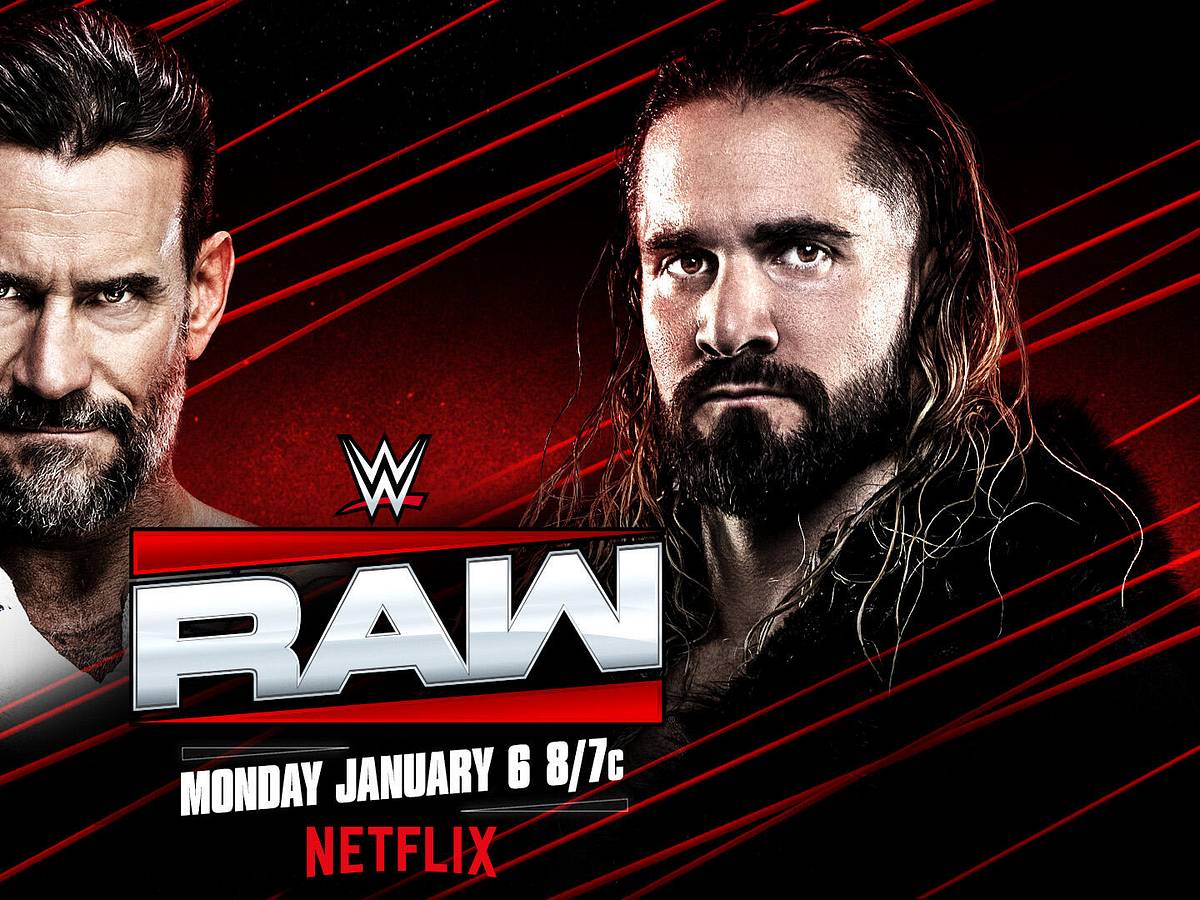
The Future of Sports Technology on Netflix
The WWE deal is the “canary in the coal mine” for the future of sports broadcasting. By moving Raw to a streaming giant, we are seeing the convergence of traditional entertainment and cutting-edge software engineering.
The “time” WWE is on Netflix is more than just a slot on a calendar; it is a synchronized, global event powered by thousands of servers, miles of fiber-optic cable, and millions of lines of code. As Netflix continues to refine its live-streaming tech, we can expect features like multi-cam viewing (allowing fans to choose their own camera angles), integrated real-time statistics, and even interactive fan voting during matches.
For the modern wrestling fan, the switch to Netflix represents the end of the “cable box” era and the beginning of a high-tech, high-definition, and highly accessible future. To stay ahead of the curve, ensure your home network is optimized and your devices are ready for the January 2025 launch. The future of sports entertainment is digital, and it is arriving in real-time.
aViewFromTheCave is a participant in the Amazon Services LLC Associates Program, an affiliate advertising program designed to provide a means for sites to earn advertising fees by advertising and linking to Amazon.com. Amazon, the Amazon logo, AmazonSupply, and the AmazonSupply logo are trademarks of Amazon.com, Inc. or its affiliates. As an Amazon Associate we earn affiliate commissions from qualifying purchases.