
For small business owners, e-commerce entrepreneurs, and corporate procurement officers, the question “What time does FedEx stop delivering?” is rarely about a single package. Instead, it is a question about operational windows, supply chain fluidity, and the bottom line. In the modern “delivery economy,” time is the most volatile currency. Understanding the specific cutoff times of major carriers like FedEx is essential for managing cash flow, meeting contractual obligations, and maintaining a competitive edge in a marketplace where speed is often equated with value.

Generally, FedEx ground deliveries are completed by 8:00 PM local time, while FedEx Express shipments may arrive as late as the end of the business day or specific timed windows. However, the financial implications of these delivery windows extend far beyond a doorbell ring.
Understanding FedEx’s Operational Schedule: The Financial Cost of Time
To manage business finances effectively, one must understand that FedEx does not operate on a single, uniform schedule. The delivery “stop time” depends heavily on the service level purchased, which represents a direct trade-off between capital expenditure and speed.
The Variance Between Service Levels
FedEx Ground and FedEx Home Delivery typically operate until 8:00 PM. From a financial planning perspective, this late window allows businesses to count on inventory arriving within a specific fiscal day, even if it happens after traditional “banker’s hours.” In contrast, FedEx Express services—such as Priority Overnight or 2Day—often have specific “commit times” (e.g., 10:30 AM, noon, or 4:30 PM).
For a business, choosing the 8:00 PM Ground window over a 10:30 AM Express window is a calculated financial decision. If the inventory arriving is not needed for immediate production, the lower cost of Ground shipping preserves working capital. However, if a late-day delivery causes a shift to miss a production cycle, the “savings” on shipping costs are quickly negated by the labor costs of an idle workforce.
Peak Season and Overtime Variables
During peak financial quarters—specifically Q4—FedEx often extends delivery hours past 8:00 PM to accommodate surges in volume. For businesses, this volatility requires a buffer in financial forecasting. Late deliveries during the holiday season can lead to increased customer service overhead and the potential for “refunded shipping” costs if service guarantees are not met. Monitoring these seasonal shifts is crucial for maintaining a lean operational budget.
The Economic Impact of Delivery Deadlines on Small Businesses
For a small business, the time a delivery truck stops running dictates the rhythm of the entire fiscal cycle. Logistics is often the second-highest expense after labor; therefore, the efficiency of that “last mile” is a primary driver of profitability.
Inventory Turnover and Just-in-Time (JIT) Financing
The “Just-in-Time” inventory model relies on the precision of delivery windows. If FedEx stops delivering at 8:00 PM, but your warehouse staff leaves at 5:00 PM, you face a “failed delivery” risk. Financially, a failed delivery is a double loss: you pay for the transit, and you lose the opportunity cost of having that stock available for sale.
Businesses must align their staffing costs with FedEx’s delivery windows. If you are expecting high-value shipments, it may be more cost-effective to pay a staff member one hour of overtime to receive a late-day FedEx Ground shipment than to pay the premium for a morning Express delivery.
The Cost of Customer Retention
In the e-commerce sector, the “delivery experience” is a significant part of the brand’s value proposition. When a customer asks when their package will arrive, providing an accurate window—and ensuring the carrier meets it—reduces the “churn rate.” High churn rates are a silent killer of business finance, as acquiring a new customer is significantly more expensive than retaining an existing one. By understanding that FedEx delivers up until 8:00 PM, businesses can set realistic expectations in their shipping policies, thereby protecting their long-term revenue streams.
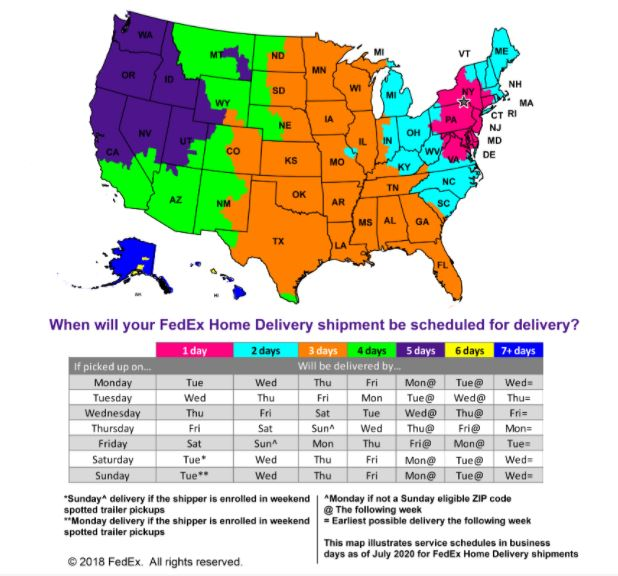
Leveraging Shipping Tech to Optimize Cash Flow
While this article remains rooted in the financial sector, it is impossible to ignore the role of financial technology (FinTech) in managing shipping logistics. Smart businesses use data to analyze FedEx’s performance metrics to optimize their shipping spend.
Auditing for Service Failures and Refunds
One of the most overlooked “side hustles” for a business’s finance department is the shipping audit. FedEx offers a Money-Back Guarantee on many of its services. If a “Priority Overnight” package arrives even sixty seconds past the commit time, the business may be entitled to a full refund.
By employing automated auditing software, companies can reclaim 2% to 10% of their annual shipping spend. These “found” funds go straight to the bottom line, turning the logistics department from a cost center into a source of recovered capital. Understanding exactly what time FedEx is supposed to stop delivering for your specific service level is the first step in this recovery process.
Real-Time Capital Allocation
Modern logistics dashboards allow business owners to see exactly where their “capital” (in the form of inventory) is at any given moment. If a shipment is delayed past the 8:00 PM cutoff, a savvy financial officer can adjust the next day’s cash allocations, perhaps delaying a marketing spend or adjusting labor hours to compensate for the lack of inventory. This level of agility is what separates profitable enterprises from those struggling with cash flow bottlenecks.
Strategies for Reducing Shipping Expenses Without Sacrificing Speed
To maximize profit margins, businesses must find the “sweet spot” in FedEx’s delivery schedule. This involves a strategic analysis of geography, volume, and timing.
Regional Optimization and Zone Skipping
FedEx’s delivery times are influenced by “Zones.” The further the distance, the higher the cost and the more variable the delivery time. Businesses can save significant capital by utilizing “zone skipping”—trucking large quantities of goods to a hub closer to the end customers before injecting them into the FedEx system.
By doing this, you can often use FedEx Ground (with its 8:00 PM stop time) to achieve the same delivery day as an Express shipment, but at a fraction of the cost. This strategy directly improves the gross margin on every unit sold.
Negotiating Volume-Based Contracts
Everything in business finance is negotiable. If your business consistently receives or sends packages right up until the FedEx stop time, you have data that can be used at the negotiating table. FedEx values “density”—the more packages they can drop at one location, the more profitable that route is for them.
By consolidating shipments to arrive at specific times, you can negotiate lower “diminutive weight” (DIM) factors or lower fuel surpluses. These fractional savings, when compounded over thousands of shipments, result in significant annual capital preservation.
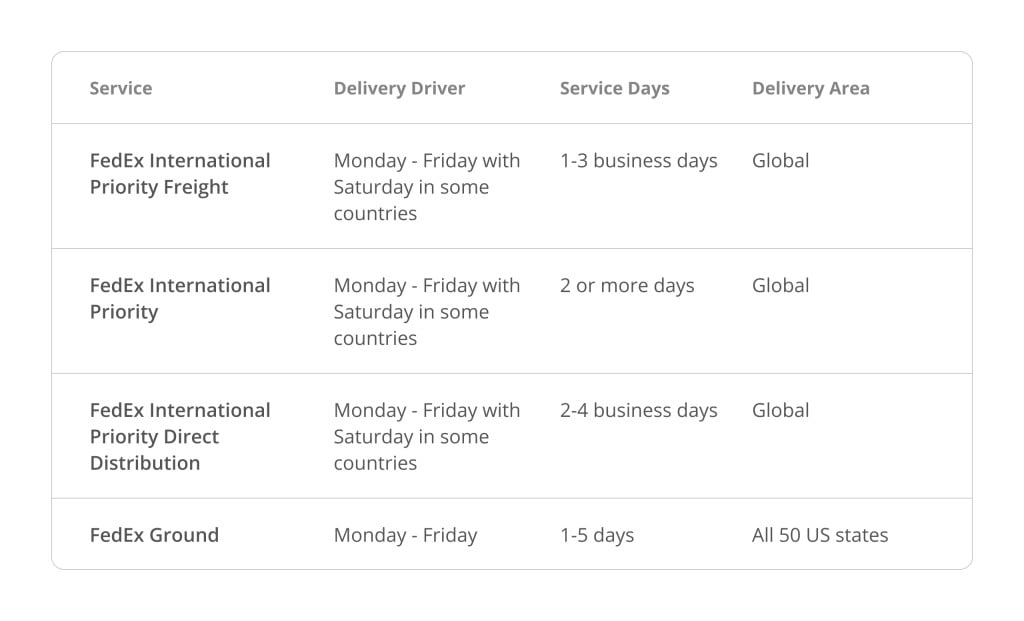
The Financial Importance of the “Final Mile”
In conclusion, knowing what time FedEx stops delivering is not merely about tracking a package; it is about understanding the boundaries of your business’s daily economic cycle. Whether it is the 8:00 PM cutoff for Ground or the specific timed windows for Express, these deadlines dictate when inventory becomes an asset rather than “goods in transit.”
For the business owner, every hour a package sits on a truck is an hour that capital is tied up and unproductive. By mastering the nuances of FedEx’s delivery schedules, auditing for service failures, and aligning operational hours with carrier windows, businesses can significantly optimize their financial health. In the world of high-stakes commerce, the difference between a 4:00 PM delivery and an 8:00 PM delivery can be the difference between a profitable quarter and a logistical deficit. Stay informed, stay precise, and treat every delivery window as a critical component of your financial strategy.
aViewFromTheCave is a participant in the Amazon Services LLC Associates Program, an affiliate advertising program designed to provide a means for sites to earn advertising fees by advertising and linking to Amazon.com. Amazon, the Amazon logo, AmazonSupply, and the AmazonSupply logo are trademarks of Amazon.com, Inc. or its affiliates. As an Amazon Associate we earn affiliate commissions from qualifying purchases.