
In the modern smart home, the refrigerator is no longer just a “cold box.” It has evolved into a sophisticated piece of engineering, integrating thermodynamics, digital sensor arrays, and Internet of Things (IoT) connectivity. When we ask, “What temperature for a fridge freezer?” we are no longer just looking for a number on a dial; we are looking for the optimal calibration of a complex technological ecosystem designed to preserve biological matter and maximize energy efficiency.
Understanding the technical requirements of food preservation requires a deep dive into the hardware and software that govern modern cooling units. Achieving the “perfect” temperature is a balance of digital precision and mechanical reliability.
1. The Digital Standard: Engineering the Perfect Thermal Environment
For decades, the standard for food safety has been dictated by microbial science, but the delivery of those standards is a feat of modern tech. To maintain the integrity of food, engineers have established two critical benchmarks that every modern cooling unit must hit with surgical precision.
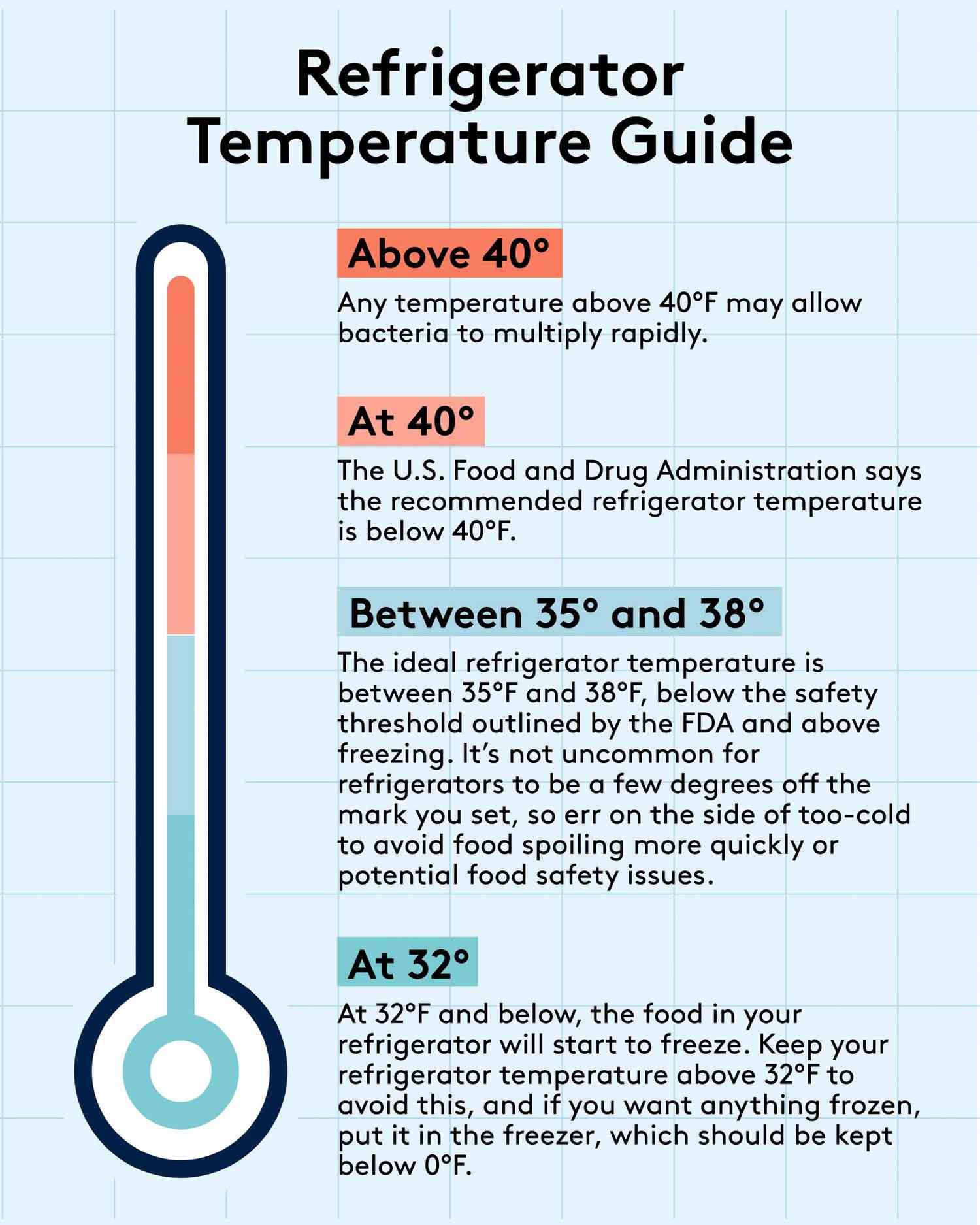
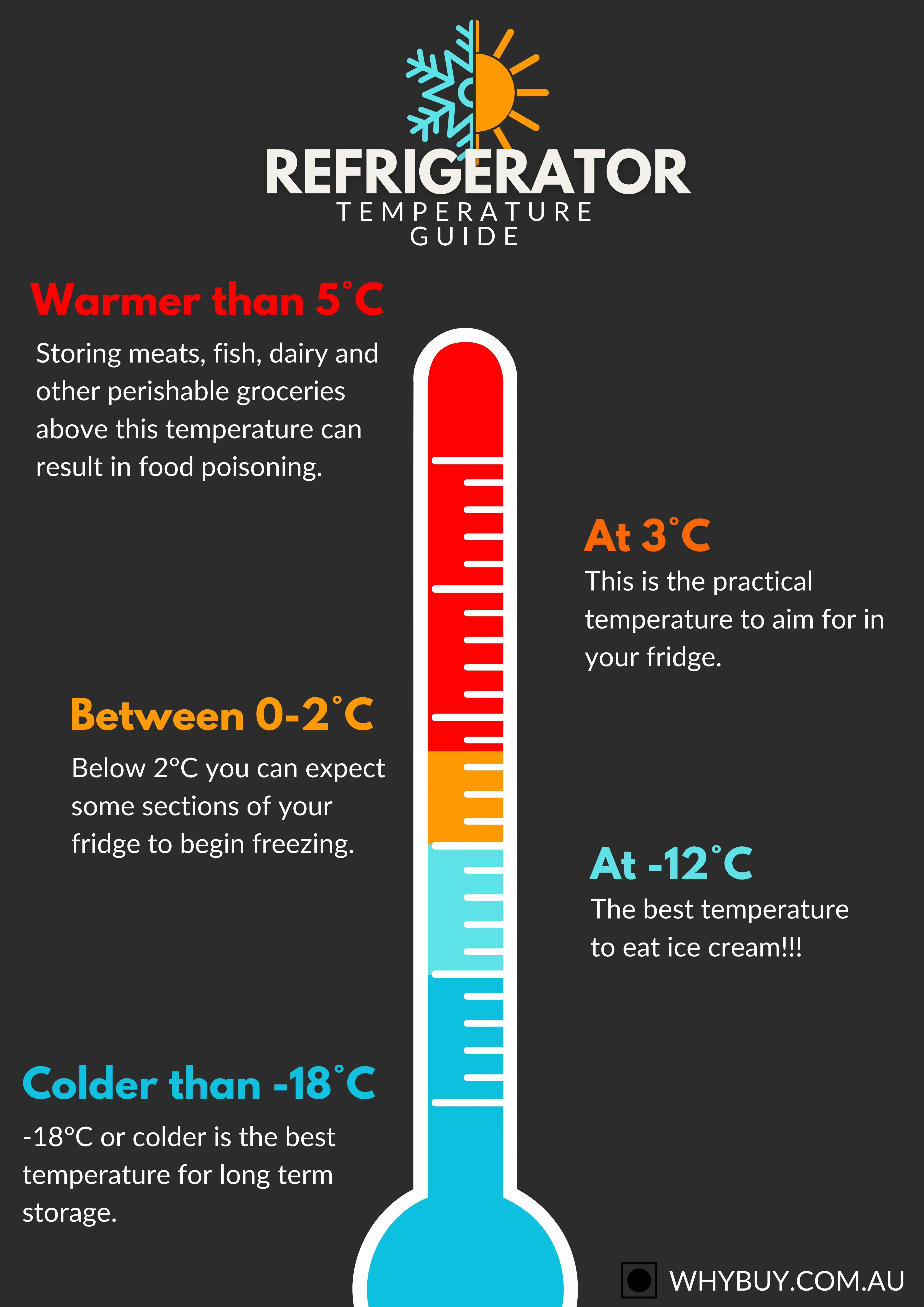
The Logic of 37°F (3°C): The Refrigerator Threshold
The primary goal of the refrigerator compartment is to slow down the metabolic processes of bacteria without freezing the cellular structure of the food. Technically, the “danger zone” for bacterial growth is between 40°F and 140°F. Modern smart fridges utilize NTC (Negative Temperature Coefficient) thermistors to monitor internal air temperature. By setting the device to 37°F (3°C), the internal software allows for a narrow margin of error—usually +/- 2 degrees—ensuring that even during a defrost cycle or after the door is opened, the temperature never crosses the 40°F threshold.
The Zero-Degree Benchmark: Freezer Sub-Zero Engineering
In the freezer, the gold standard is 0°F (-18°C). This specific temperature isn’t arbitrary; it is the point at which chemical and enzymatic reactions are almost entirely suspended. From a technological standpoint, maintaining 0°F requires high-torque compressors and efficient heat exchange systems. Modern units utilize “Flash Freeze” technology, which uses high-speed fans to circulate air at even lower temperatures temporarily, preventing the formation of large ice crystals that can damage the molecular structure of frozen goods.
The Role of Digital Thermostats and PID Controllers
Unlike the inaccurate bimetallic strips of the past, today’s high-end units use PID (Proportional-Integral-Derivative) controllers. These algorithms predict temperature drops and spikes based on usage patterns, adjusting the cooling output before the temperature actually fluctuates. This level of software-driven precision is what differentiates a budget appliance from a professional-grade smart kitchen tool.
2. Inverter Technology and the Evolution of the Compressor
The compressor is the heart of the fridge freezer, but the technology behind it has undergone a radical transformation. Traditional compressors operated on a binary “on or off” logic, which was inefficient and caused significant temperature swings.
Digital Inverter Compressors
The modern solution is the Digital Inverter Compressor. Unlike standard hardware, an inverter compressor has multiple speeds. It operates like an accelerator on a car, ramping up when cooling demand is high (such as after grocery loading) and slowing down to a whisper when the temperature is stable. This tech reduces mechanical wear and tear and ensures that the internal climate remains within a fraction of a degree of the set point.
Multi-Airflow Systems and Sensor Arrays
Achieving a uniform temperature throughout the cabinet is a significant engineering challenge. Hot air rises, and “dead zones” can lead to localized spoilage. Tech-forward brands solve this through Multi-Airflow systems—a series of vents placed at every shelf level. These are managed by an array of sensors that detect “micro-climates” within the fridge. If the top shelf is warmer than the bottom, the software redirects the flow of cold air specifically to that zone, ensuring total thermal homogeneity.
Dual Evaporators: Separating the Air
High-end tech configurations now feature dual evaporators—one for the fridge and one for the freezer. In cheaper single-evaporator models, air is shared between the two compartments, which leads to odor transfer and, more importantly, a lack of humidity control. Dual evaporator technology allows the fridge to maintain a high humidity level (around 70%) to keep produce crisp, while the freezer remains bone-dry to prevent frost buildup.
3. IoT Integration: The Fridge as a Data Hub
The most significant shift in cooling technology over the last decade is the integration of the refrigerator into the wider IoT (Internet of Things) ecosystem. A fridge freezer is no longer an isolated appliance; it is a node on a network.
Remote Monitoring and Real-Time Alerts
Modern smart fridges are equipped with Wi-Fi modules that transmit data to mobile apps. If the internal temperature rises above a programmed safety threshold—perhaps due to a power outage or a door left ajar—the unit sends a push notification to the user’s smartphone. This “active monitoring” is a critical technological fail-safe, preventing the loss of hundreds of dollars in contents and ensuring food safety through real-time data logging.
Smart Diagnosis and Predictive Maintenance
Companies like LG and Samsung have pioneered “Smart Diagnosis” technology. If the fridge freezer fails to maintain the set temperature, the user can transmit a data burst from the appliance to a service center via a smartphone. The onboard computer analyzes the hardware’s performance—checking fan speeds, compressor cycles, and sensor accuracy—and provides a diagnostic code. This often allows for remote software patches or precisely targeted hardware repairs, bypassing the need for expensive “exploratory” technician visits.
Integration with Smart Home Ecosystems
Through platforms like Matter, HomeKit, or SmartThings, the fridge freezer can now interact with other devices. For instance, when the home’s “Away Mode” is activated via a smart lock or security system, the fridge can enter a high-efficiency “Vacation Mode,” adjusting its cooling cycles to save energy while maintaining the 37°F/0°F safety standards.
4. AI and Predictive Cooling Algorithms
We are entering the era of the “AI Fridge,” where machine learning is used to optimize the cooling environment based on human behavior.
Learning Usage Patterns
A fridge’s biggest enemy is the door being opened. Every time the seal is broken, cold air escapes and humidity enters. AI-driven cooling systems track the habits of the household. If the algorithm learns that the family always prepares dinner at 6:00 PM, it will “pre-cool” the unit to 35°F at 5:45 PM. This provides a thermal buffer, ensuring that when the door is repeatedly opened, the average temperature stays well within the safe 37°F-40°F range.
Computer Vision and Content Management
Some flagship models now feature internal cameras with AI object recognition. These systems don’t just show you what is inside; they track the “thermal mass” of the contents. Adding a warm gallon of milk or a hot pot of soup introduces significant heat. The AI detects this new thermal mass and adjusts the fan speeds and compressor output specifically to neutralize that heat source before it can affect the surrounding items.
Humidity and Ethylene Control
Advanced tech in the crisper drawers now goes beyond simple sliders. Electronic humidity controls use sensors to maintain specific percentages based on the type of produce detected by the user or the AI. Furthermore, some units include photocatalytic filters or ethylene gas scrubbers—advanced chemical engineering designed to neutralize the ripening gases emitted by fruit, effectively using tech to extend the shelf life of produce by weeks.
5. The Future of Cooling: Beyond the Compressor
As we look toward the next generation of appliance tech, the industry is moving toward even more sustainable and precise methods of temperature control.
Solid-State Cooling and Thermoelectrics
While still in the early stages for large-scale home appliances, solid-state cooling (using the Peltier effect) promises a future with no moving parts, no refrigerants, and zero vibration. This would allow for even more granular temperature control, with different “zones” in the fridge potentially being set to different temperatures with zero thermal bleed between them.
Vacuum Insulation Panels (VIPs)
To maintain temperatures more efficiently, manufacturers are moving away from thick foam insulation toward Vacuum Insulation Panels. These panels provide much higher R-values (thermal resistance) in a thinner profile. This tech allows for more internal storage space while making it significantly easier for the hardware to maintain a steady 0°F freezer environment, even in high-ambient-temperature kitchens.

Conclusion: The Intersection of Hardware and Software
The answer to “what temperature for a fridge freezer” is deceptively simple: 37°F and 0°F. However, the technology required to maintain those numbers consistently, efficiently, and intelligently is a testament to modern engineering. From the digital inverter compressors that power the cooling cycle to the AI algorithms that predict our hunger, the modern fridge freezer is a masterclass in technological optimization. As we continue to integrate these appliances into our digital lives, the focus remains on one goal: using the highest level of tech to preserve the most basic of human needs.
aViewFromTheCave is a participant in the Amazon Services LLC Associates Program, an affiliate advertising program designed to provide a means for sites to earn advertising fees by advertising and linking to Amazon.com. Amazon, the Amazon logo, AmazonSupply, and the AmazonSupply logo are trademarks of Amazon.com, Inc. or its affiliates. As an Amazon Associate we earn affiliate commissions from qualifying purchases.