
In the contemporary marketplace, the “one-size-fits-all” approach to marketing has become obsolete. As brands strive to build deeper, more authentic connections with their audiences, the focus has shifted toward hyper-segmentation and a nuanced understanding of identity. At the heart of this shift is the analysis of demographic data, specifically the intersection of race and sexual orientation. For brand strategists, understanding questions like “which demographics show the highest rates of LGBTQ+ identification?” is not merely a matter of sociological curiosity; it is a critical component of market intelligence.
Modern brand strategy relies on identifying underserved niches and recognizing the economic power of diverse communities. By analyzing the intersectionality of race and orientation, brands can move beyond performative allyship and toward genuine engagement that resonates with the lived experiences of their consumers.
The Evolution of Market Segmentation: From Broad Strokes to Intersectionality
Market segmentation has traditionally relied on broad categories: age, geography, and gender. However, the rise of identity-focused consumerism has necessitated a more granular approach. Brand strategists now look at “intersectionality”—a term coined by Kimberlé Crenshaw—to understand how overlapping identities create unique consumer needs and brand perceptions.
Moving Beyond Generalizations
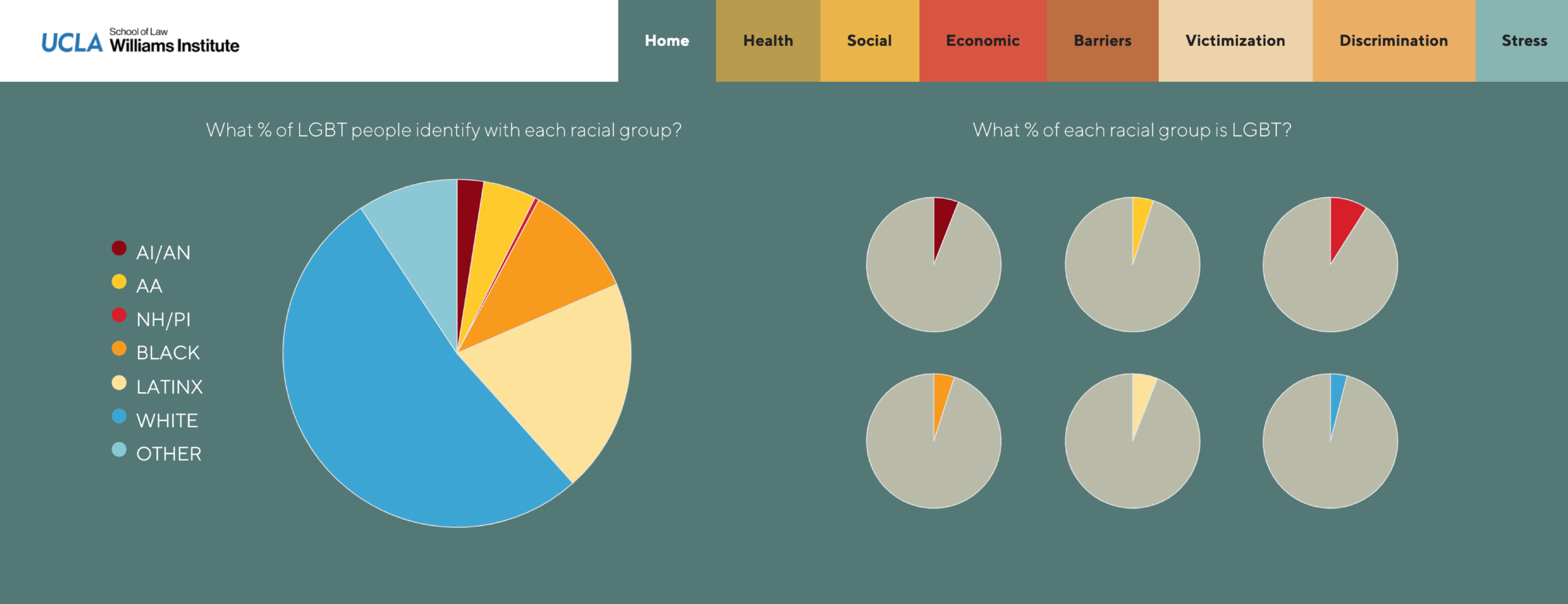
In the past, brands might have targeted “the LGBTQ+ community” as a monolith. Data now shows that this community is incredibly diverse, with significant variations in consumer behavior and brand loyalty across different racial groups. For instance, market research frequently indicates that younger generations of Black and Hispanic individuals are identifying as LGBTQ+ at higher rates than previous generations. A brand that fails to recognize the specific cultural nuances of a Black queer consumer versus a white queer consumer is missing a vital opportunity for resonance.
The Role of Social Identity in Brand Loyalty
For many consumers, purchasing is a political and social act. A brand’s identity is often measured by how well it mirrors the consumer’s own identity. When brand strategists analyze which racial demographics have the highest visibility or identification within the LGBTQ+ spectrum, they are looking for “brand anchors”—communities that are leaders in setting trends and defining cultural cool. By aligning with these intersectional identities, brands can cultivate a level of loyalty that transcends price points and product features.
Understanding the “Inclusive Economy”: Data-Driven Branding
The “Pink Dollar” refers to the purchasing power of the LGBTQ+ community, estimated to be in the trillions globally. However, the true growth is found in the “Inclusive Economy,” where race and orientation intersect. Data-driven branding involves using demographic statistics to identify where market penetration is lowest and where the potential for growth is highest.
Analyzing the Intersection of Race and LGBTQ+ Demographics
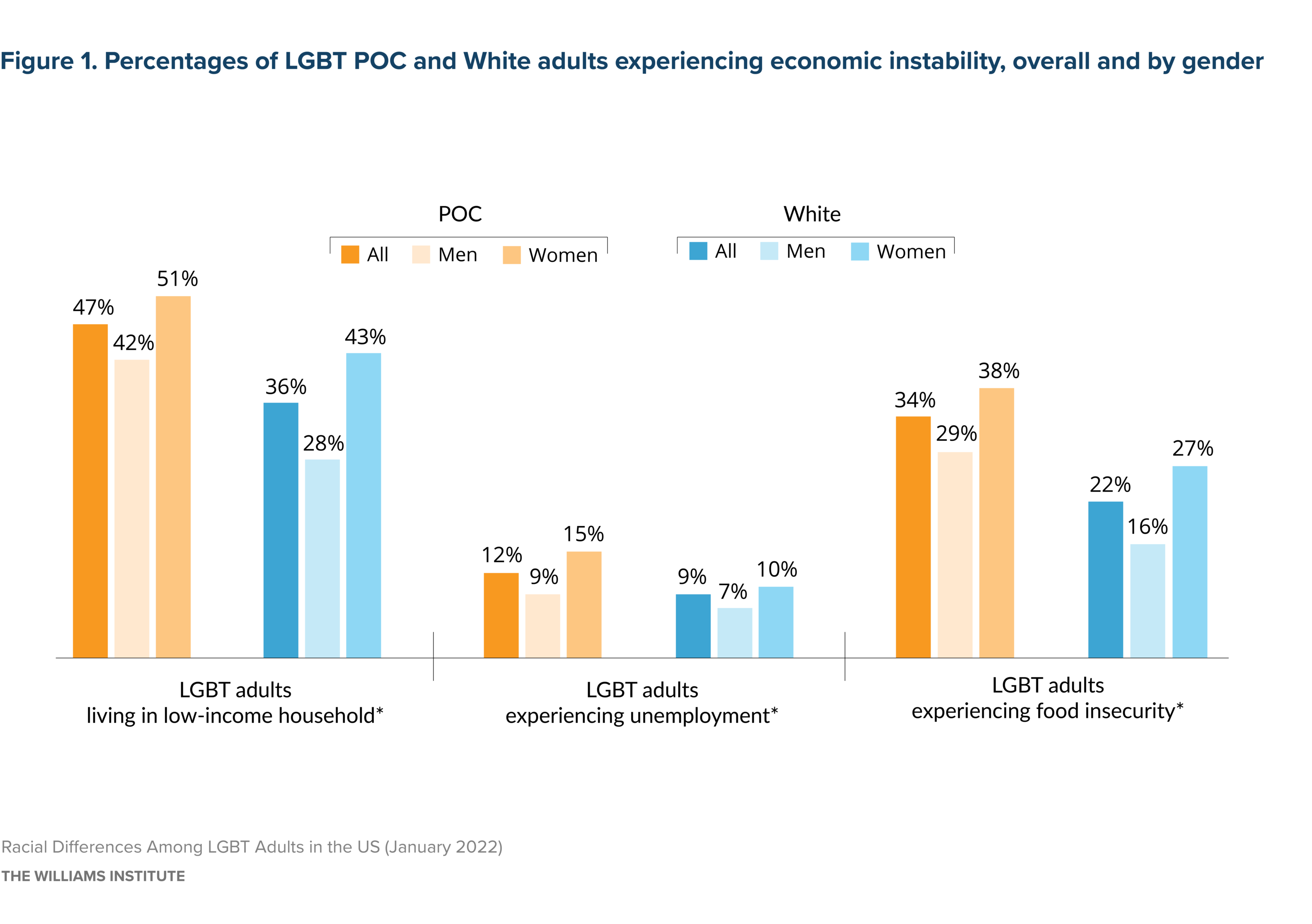
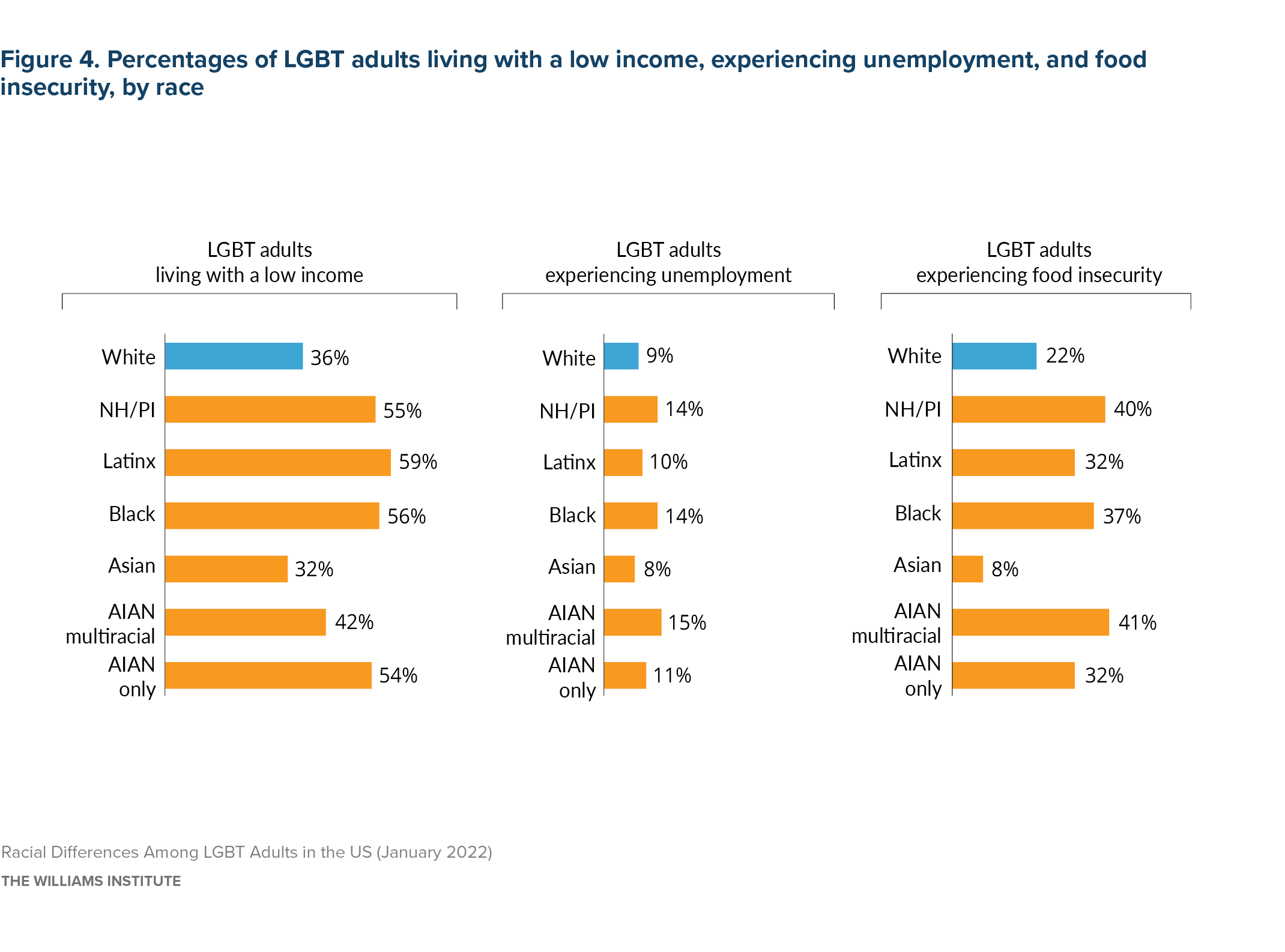
Recent demographic studies, such as those conducted by Gallup and the Williams Institute, suggest that individuals of color—particularly those identifying as Gen Z—are more likely to identify as LGBTQ+ than their white counterparts. From a brand strategy perspective, this suggests that the future of “inclusive branding” must be centered on people of color. If a brand’s DEI (Diversity, Equity, and Inclusion) strategy only focuses on race or only on orientation in silos, it ignores the fastest-growing consumer segment: the intersectional consumer.
Why Authentic Representation Matters in Brand Identity
Authenticity is the currency of modern branding. Consumers are increasingly adept at spotting “rainbow washing”—the practice of using pride symbols without substantive support for the community. To be authentic, a brand must use demographic data to inform its corporate identity. This means ensuring that marketing materials reflect the actual diversity of the community. If data shows high identification rates within specific racial groups, the brand’s visual identity, influencer partnerships, and community outreach must reflect that reality. This is not just about “diverse casting”; it is about centering the narratives of those who live at these intersections.
Case Studies in Diverse Market Engagement
Examining how leading global brands navigate these demographics provides a roadmap for effective brand strategy. Successful brands do not just look at the numbers; they look at the stories behind the numbers.
Lessons from Global Giants
Brands like Nike and Savage X Fenty have mastered the art of intersectional branding. They recognize that their most vocal and loyal advocates often come from diverse backgrounds where race and queer identity overlap. Nike’s “Be True” campaigns often feature athletes of color, acknowledging that the struggles and triumphs of these individuals are central to the brand’s “Just Do It” ethos. By centering these demographics, Nike reinforces its identity as a brand for the vanguard of culture.
Avoiding the Pitfalls of Tokenism
The challenge for brand strategists is to use demographic data without falling into the trap of tokenism. Tokenism occurs when a brand uses a specific demographic to appear inclusive without actually investing in that community. To avoid this, brands must ensure that their internal corporate culture matches their external marketing. If a brand is targeting the Black LGBTQ+ community because data shows high engagement levels, but lacks Black queer leadership within its own marketing team, the strategy will likely feel hollow and backfire. Strategic branding requires a holistic commitment to the demographics being targeted.
Leveraging Digital Tools for Deeper Demographic Insight
In the digital age, brand strategists have access to more data than ever before. However, the challenge lies in interpreting this data ethically and effectively to build a cohesive brand narrative.
Sentiment Analysis and Community Engagement
Social listening tools allow brands to track how different demographics are talking about their products. By segmenting this data by race and perceived orientation, brands can identify specific “pain points” or “delight factors” within those communities. For example, a beauty brand might find that its products are highly favored by Afro-Latino LGBTQ+ influencers. This insight allows the brand to pivot its strategy to better serve this specific niche through tailored product development or localized events.
Ethical Data Usage in Modern Marketing
As brands seek to understand “what race has the most homosexuals” for the purpose of market segmentation, they must navigate the thin line between personalization and privacy. Ethical brand strategy involves being transparent about data collection and using that information to provide value to the consumer. In a world where data can be weaponized, brands that prioritize the security and dignity of their diverse consumer bases will win the long-term trust of the market. The goal is to use data to include, not to exploit.
Conclusion: The Future of Brand Identity is Intersectional
The question of which demographics hold the most influence or highest identification within the LGBTQ+ community is central to the future of commerce. As the world becomes more interconnected and identity becomes more fluid, the brands that thrive will be those that embrace complexity.
Brand strategy is no longer about finding the “average” consumer; it is about finding the “authentic” consumer. By leveraging demographic data to understand the intersections of race and orientation, brands can move beyond surface-level marketing and build identities that are truly representative of the world they serve. In the end, a brand is not what it says it is—it is how it makes its most diverse consumers feel. By prioritizing intersectionality, brands can ensure they are not just part of the conversation, but leaders of the cultural shift toward a more inclusive and prosperous future.
aViewFromTheCave is a participant in the Amazon Services LLC Associates Program, an affiliate advertising program designed to provide a means for sites to earn advertising fees by advertising and linking to Amazon.com. Amazon, the Amazon logo, AmazonSupply, and the AmazonSupply logo are trademarks of Amazon.com, Inc. or its affiliates. As an Amazon Associate we earn affiliate commissions from qualifying purchases.