
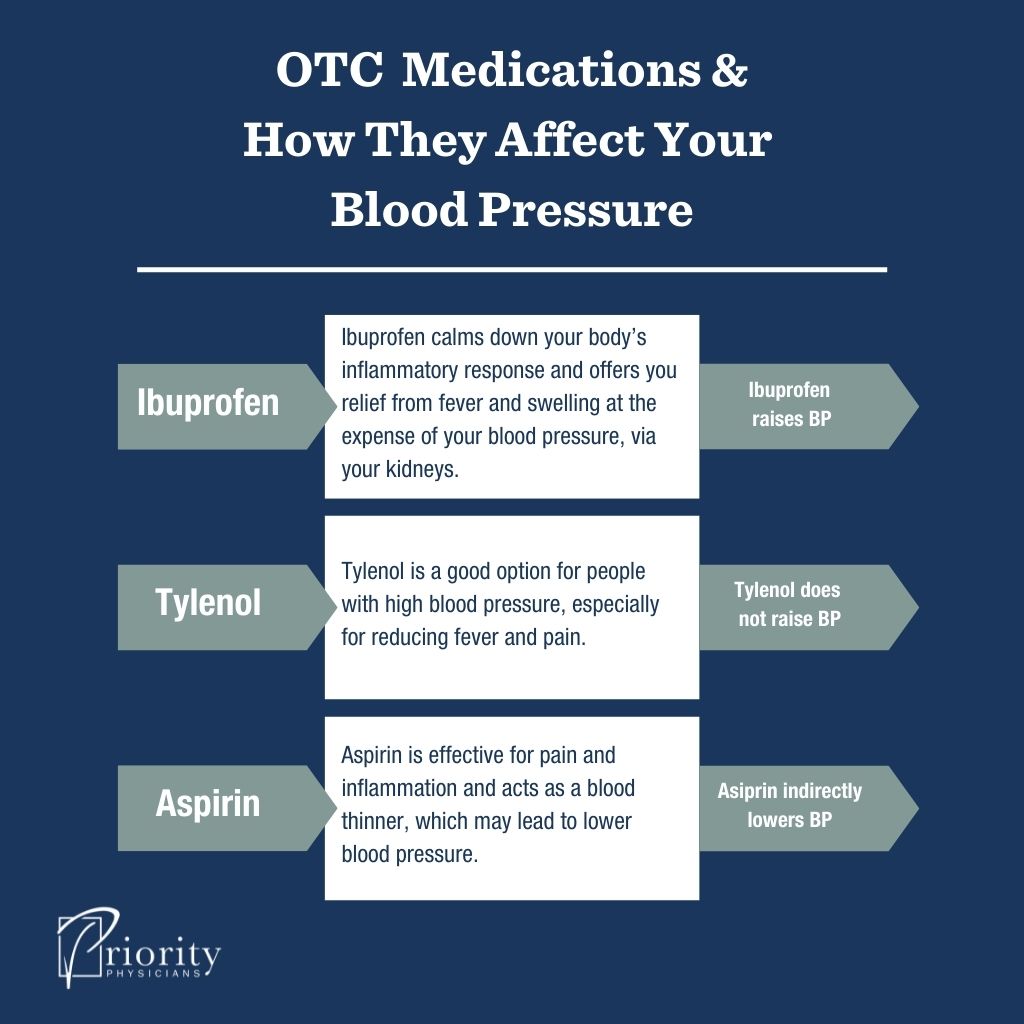
In the traditional healthcare landscape, a consumer seeking to manage hypertension would immediately look toward the pharmacy aisle, asking what OTC drugs lower blood pressure. However, in the modern era of rapid technological advancement, the answer is increasingly found not in a pill bottle, but in the palm of one’s hand or on one’s wrist. The intersection of technology and personal health has birthed a new era where digital tools, software, and advanced hardware act as “digital OTCs,” providing users with unprecedented control over their cardiovascular health.
As we move away from purely chemical interventions toward integrated technological ecosystems, the focus has shifted to how software-as-a-service (SaaS), artificial intelligence (AI), and wearable gadgets provide more sustainable, data-driven methods for lowering blood pressure. This article explores the technological frontier of hypertension management, examining how hardware and software are redefining the concept of over-the-counter health solutions.
The New Frontier of Wearable Monitoring
For decades, the only way to monitor blood pressure outside of a doctor’s office was through bulky, manual, or semi-automated oscillometric cuffs. Today, technology has miniaturized these systems and introduced novel methods for real-time tracking, turning “monitoring” into a proactive “intervention.”
Optical Sensors and Photoplethysmography (PPG)
One of the most significant breakthroughs in consumer health tech is the refinement of Photoplethysmography (PPG). This technology uses light emitters and sensors to measure changes in blood volume in the microvascular bed of tissue. While primarily known for heart rate tracking in devices like the Apple Watch or Garmin wearables, advanced PPG algorithms are now being developed to estimate blood pressure.
By analyzing the “Pulse Arrival Time” (PAT) or “Pulse Transit Time” (PTT)—the time it takes for a pressure wave to travel between two points in the body—tech companies are creating calibration-free BP monitoring. This allows users to receive continuous data points throughout the day, identifying “white coat hypertension” or “masked hypertension” that a traditional OTC blood pressure cuff might miss.
The Miniaturization of Oscillometric Technology
While PPG offers convenience, the “gold standard” remains oscillometric measurement (the physical cuff). Tech innovators have managed to shrink this technology into wrist-worn devices that look like standard smartwatches. Companies like Omron have pioneered the “HeartGuide,” the first FDA-cleared wearable blood pressure monitor.
The engineering challenge of incorporating an inflatable bladder into a watch strap represents a pinnacle of mechanical tech. This hardware shift allows for “on-demand” clinically accurate readings, bridging the gap between traditional medical devices and lifestyle gadgets. The ability to take a medical-grade reading while at a business meeting or during a flight provides a level of data density that was previously impossible.
Artificial Intelligence and Predictive Hypertension Management
Hardware is only half of the equation. The true power of modern “digital OTC” solutions lies in the software. Artificial Intelligence (AI) and Machine Learning (ML) are now being utilized to interpret the massive amounts of data collected by wearables, turning raw numbers into actionable health insights.
Algorithmic Intervention and Lifestyle Coaching
Several tech startups are moving beyond simple data logging to “Predictive Coaching.” AI algorithms can now analyze a user’s blood pressure trends in conjunction with other data points like sleep quality, sodium intake (logged via apps), stress levels (via heart rate variability), and physical activity.
If the AI detects a spike in blood pressure every Tuesday morning, it might correlate that with a specific recurring high-stress meeting or a lack of sleep the night before. This level of insight functions as a behavioral “OTC drug,” prompting the user to perform guided breathing exercises or adjust their schedule before the hypertension becomes chronic. These apps use cognitive-behavioral therapy (CBT) techniques delivered via push notifications to lower blood pressure through stress reduction and habit formation.
Big Data and the Personalization of Cardiovascular Care
The aggregation of anonymized data from millions of users allows tech companies to build more accurate cardiovascular models. Machine learning models can now predict the risk of a hypertensive crisis days in advance by identifying subtle patterns in blood pressure fluctuations that are invisible to the human eye.

This shift toward personalized medicine means that “OTC” solutions are no longer one-size-fits-all. Instead of a generic recommendation to “reduce salt,” an AI-driven platform might identify that a specific user’s blood pressure is more sensitive to sleep deprivation than to sodium. This precision technology empowers the user to make the most impactful changes for their specific biology.
Digital Therapeutics: The “Software-as-a-Drug” Paradigm
In the tech industry, a new category of regulated software has emerged: Digital Therapeutics (DTx). These are evidence-based therapeutic interventions driven by high-quality software programs to prevent, manage, or treat a medical disorder.
FDA-Cleared Apps and Digital Protocols
Unlike a standard fitness app, a DTx for blood pressure must undergo rigorous clinical trials and receive regulatory clearance. These apps are effectively “digital OTC drugs.” They guide patients through structured protocols—such as DASH diet implementation, guided isometric exercises, and sodium tracking—that have been clinically proven to lower systolic and diastolic readings.
The tech behind these platforms involves sophisticated “engagement engines.” Using game mechanics (gamification) and social proof, these apps ensure higher adherence rates than traditional paper-based doctor recommendations. When a software program is proven to lower blood pressure by 10 mmHg through behavioral change, it enters the same therapeutic conversation as a pharmacological intervention.
The Convergence of Tech and Traditional OTC Approaches
We are also seeing the rise of “Smart Supplements” and tech-enabled vitamin regimens. In this model, the “OTC drug” is paired with an app and a smart pill dispenser. The tech tracks when the supplement is taken and uses the connected blood pressure cuff to see if the supplement is actually working. This feedback loop eliminates the guesswork and helps users determine the ROI of their health investments. If the tech shows no improvement after 30 days, the user can pivot to a different intervention, saving money and time.
Data Security and the Ethics of Digital Health Monitoring
As blood pressure management moves from the pharmacy to the cloud, the “Tech” niche must address the critical issues of data security, privacy, and the ethical use of sensitive biological information.
Blockchain and Decentralized Health Records
The sensitivity of cardiovascular data makes it a prime target for cyber-attacks. To combat this, several HealthTech firms are exploring blockchain technology for decentralized health records. By using a distributed ledger, users can own their health data and grant temporary access to doctors or researchers without the data being stored on a vulnerable centralized server. This ensures that a user’s blood pressure history—which could affect insurance premiums or employment—remains private and under their total control.
Privacy Challenges in the Age of Connected Devices
The “Internet of Medical Things” (IoMT) creates a vast network of connected devices, from smart scales to BP cuffs. The technical challenge lies in “interoperability”—ensuring these devices can talk to each other securely. Tech leaders are currently working on universal standards (like the “Matter” protocol for smart homes, but for health) to ensure that data flows seamlessly between a user’s watch, their diet app, and their physician’s dashboard.
However, this connectivity brings risks. The monetization of health data by big tech companies remains a contentious issue. The future of digital OTC solutions will depend on establishing “Zero-Trust” architectures where the service provider can help the user lower their blood pressure without ever actually “seeing” the unencrypted data.

Conclusion: The Silicon Pharmacy
When people ask what OTC drugs lower blood pressure, they are looking for accessibility, affordability, and efficacy. While traditional medication remains vital for many, the technology sector has provided a new suite of over-the-counter tools that are often more effective at addressing the root causes of hypertension.
Through the combination of high-precision hardware, AI-driven insights, and clinically validated digital therapeutics, we are witnessing the birth of a “Silicon Pharmacy.” This technological approach focuses on the data-driven optimization of the human body, turning the smartphone into the most powerful tool for cardiovascular health. As these technologies continue to mature, the reliance on chemical OTC solutions may dwindle, replaced by an era of proactive, personalized, and tech-enabled wellness.
aViewFromTheCave is a participant in the Amazon Services LLC Associates Program, an affiliate advertising program designed to provide a means for sites to earn advertising fees by advertising and linking to Amazon.com. Amazon, the Amazon logo, AmazonSupply, and the AmazonSupply logo are trademarks of Amazon.com, Inc. or its affiliates. As an Amazon Associate we earn affiliate commissions from qualifying purchases.