
In the world of global brand strategy, the “order” of a product release is never accidental. When consumers ask “what order is Twilight in,” they are usually seeking a chronological path through a narrative. However, from a brand management perspective, that order represents a sophisticated blueprint for market penetration, audience retention, and long-term equity. The Twilight Saga is not merely a collection of books and films; it is a masterclass in how to order brand touchpoints to create a multi-billion dollar ecosystem.
To understand the branding “order” of Twilight, one must look beyond the plot of vampires and werewolves and instead examine the strategic sequencing that allowed a young adult fiction series to evolve into a permanent fixture of pop culture. This article analyzes the architectural order of the Twilight brand, exploring how its sequential rollout served as a catalyst for unprecedented consumer loyalty and commercial success.
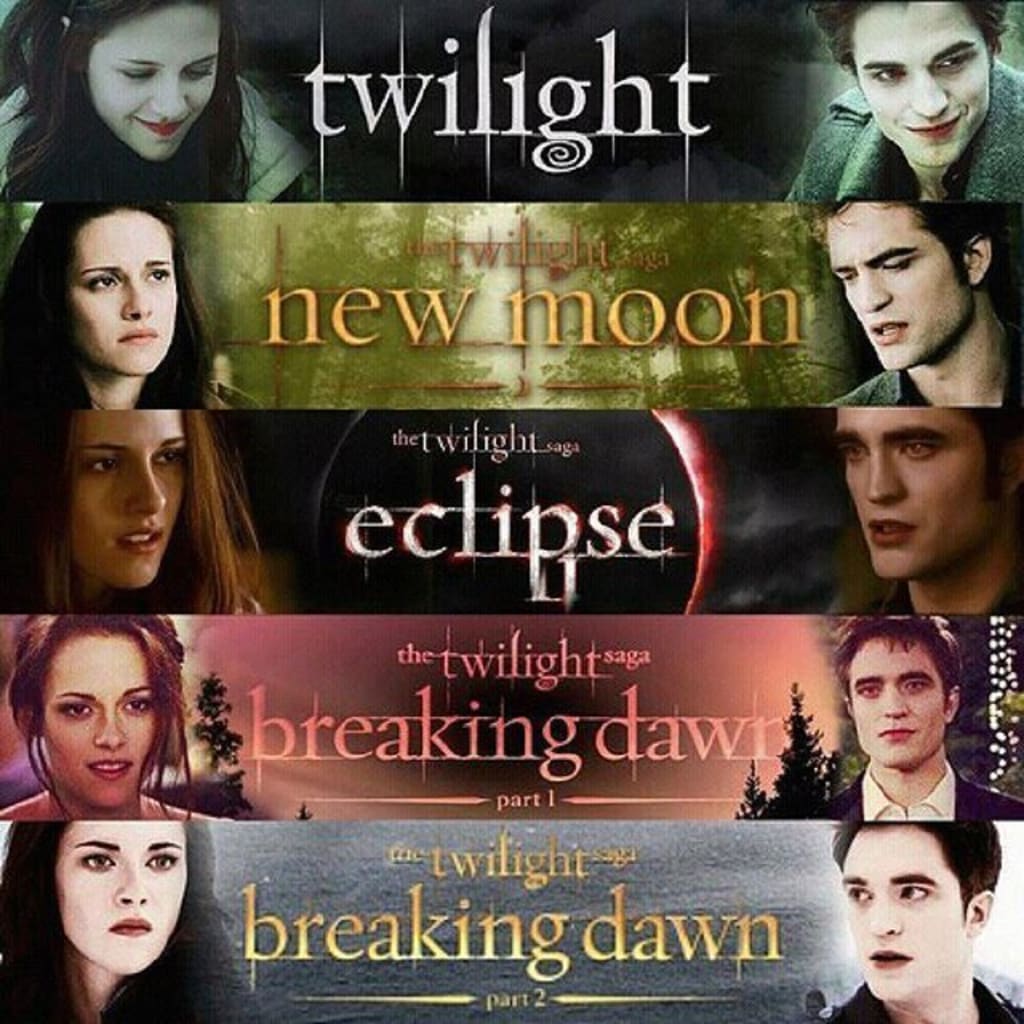
Building the Foundation: The Sequential Branding Strategy of the Twilight Saga
The initial “order” of the Twilight books—Twilight, New Moon, Eclipse, and Breaking Dawn—followed a classic laddering strategy. Each release was timed to capitalize on the growing social proof of the previous installment, effectively lowering the cost of customer acquisition over time.
Establishing the Core Identity
Every successful brand requires a “Minimum Viable Product” (MVP) that resonates deeply with a specific niche. Twilight (2005) served as the brand’s core identity. It established the visual and emotional palette: the moody Pacific Northwest setting, the “forbidden fruit” value proposition, and a distinct aesthetic that combined gothic romance with contemporary relatability. By focusing exclusively on this core identity in the first year, the brand avoided the common mistake of over-extension. The order began with a singular, focused promise that built a foundation of trust with the target demographic.
The Power of Chronological Momentum
As the sequels were released, the brand strategy shifted from “discovery” to “momentum.” By the time Eclipse arrived, the “order” of release had created a sense of inevitability. This is known in marketing as the “bandwagon effect.” By ensuring that each product in the sequence was more anticipated than the last, the brand utilized chronological momentum to dominate bookstore shelves and digital conversation. The order was not just about telling a story; it was about creating a recurring revenue model that conditioned the audience to expect—and save for—the next “drop.”
Expanding the Ecosystem: Strategic Order Beyond the Core Narrative
Once the primary narrative order was established, the brand faced the challenge of “lifecycle fatigue.” To combat this, the brand’s stewards introduced secondary and tertiary products that disrupted the linear order to re-engage the audience and maximize the Lifetime Value (LTV) of each customer.
The ‘Midnight Sun’ Pivot: Leveraging Nostalgia through Perspective Shifts
The release of Midnight Sun—a retelling of the first book from a different perspective—is a prime example of strategic brand re-ordering. Originally delayed for over a decade, its eventual release was a masterstroke in nostalgia marketing. By circling back to the “beginning” of the order after the primary sequence had concluded, the brand owners successfully monetized a pre-existing asset with minimal new world-building required. This “retro-ordering” strategy allowed the brand to capture a new generation of readers while providing “legacy” fans with a reason to re-invest in the ecosystem.
Transmedia Storytelling and Brand Extension
The order of the Twilight brand also includes its expansion into cinematic and digital spaces. The transition from page to screen was handled with meticulous attention to brand consistency. The movies did not just follow the order of the books; they expanded the brand’s visual vocabulary. This transmedia approach ensured that if a consumer entered the brand “order” through a movie trailer on YouTube, they were seamlessly funneled back to the source material (the books) and forward to the merchandise. The strategic order here was a closed-loop system designed to keep the consumer within the Twilight ecosystem.

Visual Branding and the Cinematic Order: Maintaining Consistency Across Mediums
A brand is a promise kept across every touchpoint. For Twilight, the “order” in which the movies were released was accompanied by a strict visual identity that evolved alongside the narrative’s maturity.
The Aesthetic Blueprint: Blue Tints and Gothic Romance
One of the most recognizable aspects of the Twilight brand is its “cool” color palette. The first film, directed by Catherine Hardwicke, utilized a heavy blue filter that became synonymous with the brand. As the movie order progressed, the visual style shifted toward a more polished, warmer, and high-budget aesthetic. This evolution in the visual “order” mirrored the brand’s transition from an indie-vibe cult favorite to a mainstream blockbuster powerhouse. From a brand strategy standpoint, this allowed the franchise to “grow up” with its audience, preventing the brand from feeling stagnant or juvenile as the fans aged.
Transitioning from Print to Digital Presence
The order of the brand’s digital evolution—moving from basic forums and fan sites to sophisticated social media campaigns—was pivotal. The Twilight brand was one of the first to truly harness the power of “viral” fan communities. By facilitating an order of engagement where fans were encouraged to create their own content (fan fiction, “Team Edward” vs. “Team Jacob” debates), the brand effectively outsourced its marketing to its most loyal advocates. This bottom-up branding order ensured that the franchise remained relevant even during the “quiet years” between major releases.
The Legacy Order: Longevity Strategies for Mature Brands
Even years after the final film’s release, the Twilight brand remains a case study in “evergreen” marketing. The way the brand manages its “post-peak” order determines whether it fades into obscurity or becomes a classic.
Re-engaging the ‘Twi-hard’ Demographic
In recent years, the “Twilight Renaissance” on platforms like TikTok and Instagram has shown the power of a legacy brand order. By leaning into the “campy” and nostalgic elements of the franchise, the brand has found a second life. This wasn’t a random occurrence; it was the result of a brand that left enough “white space” for the community to fill. The order of legacy management involves knowing when to step back and let the community take ownership of the brand’s narrative, thereby ensuring its survival through cultural cycles.
Lessons in Brand Resilience and Community Management
The “order” of Twilight teaches us that brand resilience is built through community. The “Team Edward” vs. “Team Jacob” campaign is perhaps one of the most successful examples of “conflict branding” in history. By forcing the consumer to choose a side, the brand created a binary order that fueled intense engagement and merchandise sales. This strategy didn’t just sell books; it sold identity. It transformed a passive reader into an active participant in the brand’s story.

Conclusion: The Strategic Significance of “Order”
When we ask “what order is Twilight in,” we are asking about the structure of a phenomenon. From a brand strategy perspective, the order was the engine of its success.
-
Foundational Order: Establishing a core identity and building momentum through sequential releases.
-
Expansionary Order: Diversifying the product line and using perspective shifts to combat brand fatigue.
-
Visual/Digital Order: Maintaining a consistent but evolving aesthetic across mediums to retain a maturing audience.
-
Legacy Order: Facilitating community ownership to ensure long-term cultural relevance.
The Twilight saga demonstrates that the “order” of a brand is not just a timeline; it is a strategic map. By carefully managing how and when a brand reveals itself to the world, marketers can create more than just a product—they can create a legacy. For any brand strategist, the lesson is clear: the sequence in which you tell your story is just as important as the story itself. Whether you are launching a startup or managing a global franchise, the “order” of your brand deployment will ultimately dictate your market position and your longevity.
aViewFromTheCave is a participant in the Amazon Services LLC Associates Program, an affiliate advertising program designed to provide a means for sites to earn advertising fees by advertising and linking to Amazon.com. Amazon, the Amazon logo, AmazonSupply, and the AmazonSupply logo are trademarks of Amazon.com, Inc. or its affiliates. As an Amazon Associate we earn affiliate commissions from qualifying purchases.