
The phrase “what movies are playing rn” is more than just a common search query; it is a testament to the seamless integration of technology into our daily leisure activities. Gone are the days of squinting at the fine print of a local newspaper or calling a pre-recorded “Moviefone” line to hear synthesized voices list showtimes. Today, the intersection of big data, sophisticated algorithms, and high-speed mobile connectivity has transformed the simple act of finding a film into a high-tech experience.
In this deep dive, we explore the technological ecosystem that powers the modern cinematic discovery process, from the APIs that sync theater seats in real-time to the AI-driven recommendation engines that tell us what we want to see before we even know it ourselves.

The Evolution of Film Discovery: From Static Lists to AI Algorithms
The transition from physical media to digital discovery represents one of the most significant shifts in the entertainment industry. When a user types “what movies are playing rn” into a search engine, they are engaging with a complex web of data crawlers and indexing technologies designed to provide instantaneous, location-aware results.
The Shift to Real-Time Search Aggregators
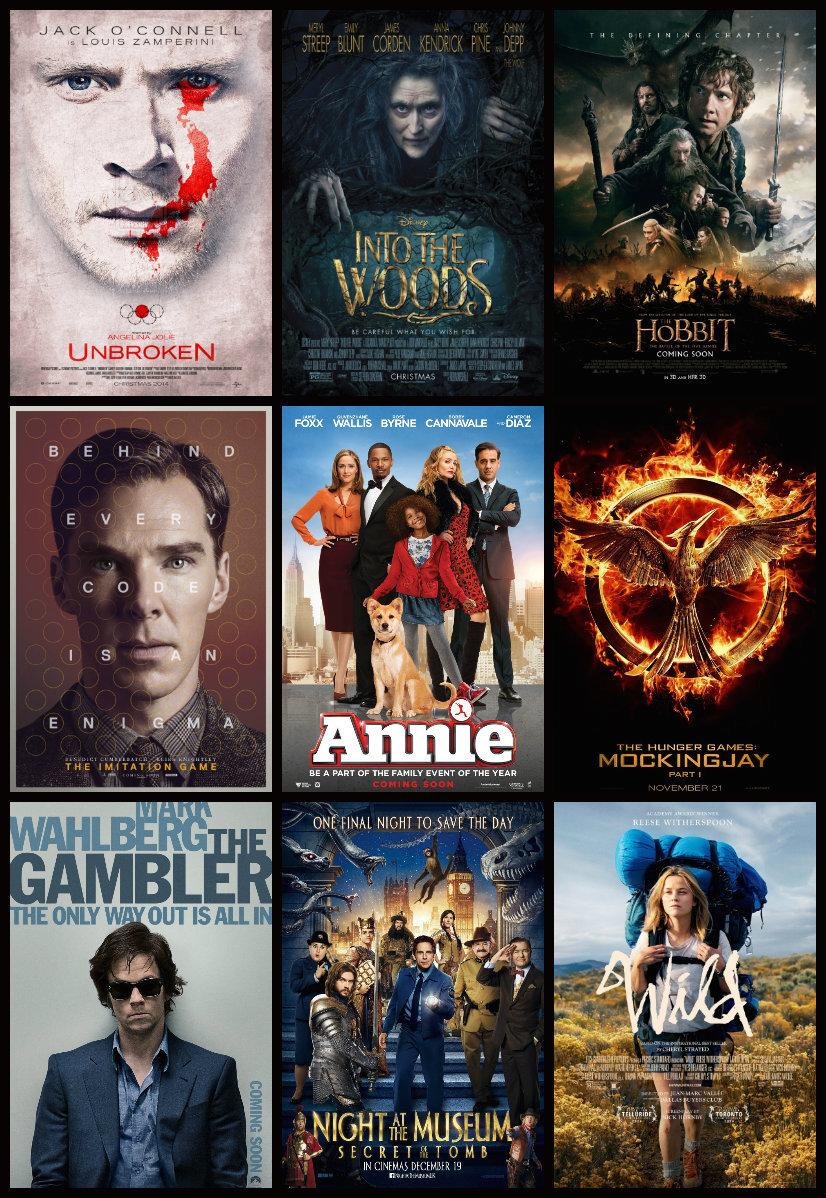
In the early days of the internet, finding movie times required visiting specific theater websites, which were often clunky and slow to update. Today, search engines use “Rich Snippets” and “Schema Markup”—specific types of code that theater owners add to their websites—to allow Google and Bing to pull showtime data directly into the search results page. This technology, known as structured data, ensures that the information is not only accurate but also formatted for immediate consumption. This is why you can see a carousel of movie posters and times without ever clicking on a secondary link.
AI and the Personalization of “Coming Soon”
Artificial Intelligence has moved beyond the “if you liked this, you might like that” stage. Modern discovery platforms use machine learning models to analyze thousands of data points, including your past viewing history on streaming services, your location, and even the current weather. If it’s raining, an algorithm might prioritize indoor blockbusters over niche indie films. This level of hyper-personalization ensures that when you ask what is playing, the technology is filtering out noise to show you content that aligns with your specific digital footprint.
The Infrastructure of Modern Cinema: Behind the Booking Apps
While the search engine provides the “what” and the “where,” the “how” is managed by a sophisticated backend infrastructure. The apps we use to book tickets—such as Fandango, Atom Tickets, or theater-specific platforms—rely on a complex stack of technologies to function.
API Integration and Real-Time Inventory Management
The most critical tech component in modern cinema is the Application Programming Interface (API). When you look at a seating chart on your smartphone, you are viewing a real-time reflection of a database housed at the theater. Every time a seat is sold—whether at the box office kiosk or via a third-party app—the API ensures the inventory is updated globally within milliseconds. This prevents double-booking and allows for “dynamic seating,” where theaters can adjust ticket availability based on real-time demand.
The Rise of Contactless Ticketing and QR Systems
The “last mile” of the movie-going tech journey is the entry point. The transition to paperless ticketing relies on sophisticated encryption and QR code technology. These codes are not just simple links; they often contain encrypted tokens that verify the purchase against a secure server in real-time. Furthermore, the integration with mobile wallets (like Apple Wallet or Google Pay) utilizes Near Field Communication (NFC) and push-notification tech to remind users of their showtime as they approach the theater’s geographic coordinates, a process known as geofencing.
Beyond the Screen: High-Tech Theater Experiences
The question of “what movies are playing” is often followed by “how is it being projected?” Technology has moved the theater experience far beyond the standard 35mm film of the past, creating a tiered tech ecosystem that influences consumer choice.
IMAX, Dolby Atmos, and the Tech of Immersion
Modern movie-goers often choose their films based on the technical specifications of the theater. IMAX utilizes dual 4K laser projection systems and proprietary “geometry” to fill the viewer’s peripheral vision. On the audio side, Dolby Atmos represents a shift from “channel-based” audio to “object-based” audio. Instead of sound coming from a left or right speaker, Atmos uses metadata to tell the sound system exactly where a sound “object” should be in a three-dimensional space, including overhead. This tech-heavy environment is a major driver in why people still seek out the cinema over home streaming.
The Future of Laser Projection and 4K Digital Cinema
Traditional lamp-based projectors are being phased out in favor of RGB laser projection. This technology offers a much wider color gamut and higher contrast ratios (HDR), making the image on the screen closer to what the human eye perceives in the real world. For the consumer asking “what’s playing,” the tech-specs of the theater—whether it’s a “Laser at AMC” or a “Cinemark XD” screen—become a primary filter in the decision-making process.
The Intersection of Streaming and Theatrical Tech
The line between “playing right now” in theaters and “available now” on streaming has blurred, thanks to advancements in digital distribution networks. The technology used to deliver movies to theaters has undergone a radical transformation that mirrors the digital revolution in our homes.
Digital Cinema Packages (DCP) and Satellite Distribution
Movies are no longer delivered on physical reels. Instead, they are distributed as Digital Cinema Packages (DCPs). A DCP is a collection of digital files used to store and convey digital cinema audio, image, and data streams. These files are massive, often reaching several hundred gigabytes, and are delivered via high-speed fiber-optic networks or encrypted satellite downloads. This technology allows studios to “unlock” a movie globally at the exact same second, facilitating the “global release” strategy that is common for modern blockbusters.
Security and Anti-Piracy Measures in Modern Cinema
To protect “what’s playing” from being illegally recorded, theaters employ invisible technological safeguards. This includes “forensic watermarking,” where the projection system embeds a unique, invisible code into the image. If a movie is recorded on a camera, investigators can analyze the watermark to determine exactly which theater, which screen, and what time the recording took place. This high-tech cat-and-mouse game is essential for maintaining the exclusive theatrical window that defines the cinema industry.
The Future of Movie Discovery: AR and VR
As we look toward the future, the way we answer the question “what movies are playing rn” will likely move away from 2D screens and toward immersive interfaces.
Augmented Reality (AR) in Cinema Lobbying
Imagine walking past a theater and, through AR glasses or a smartphone lens, seeing the movie posters come to life with 3D trailers and real-time seat availability hovering in the air. This technology is already in its pilot stages. By using Computer Vision (CV), devices can recognize a movie title and overlay digital information, allowing for a seamless transition from curiosity to ticket purchase.
The Role of Voice Tech and Natural Language Processing
As Natural Language Processing (NLP) becomes more sophisticated, our interaction with movie data will become more conversational. Instead of typing a query, users will engage with AI assistants that understand context. Asking “What’s a good action movie playing nearby that starts after I finish dinner?” requires the AI to synthesize data from your calendar, local restaurant APIs, traffic sensors, and theater showtimes. This level of technical integration is the next frontier in movie discovery.

Conclusion: The Synergy of Cinema and Technology
The next time you wonder what movies are playing right now, consider the vast technological engine that springs into motion to provide that answer. From the structured data that populates your search results to the laser projectors that bring the director’s vision to life, technology is the silent protagonist of the cinematic experience.
The film industry is no longer just about storytelling; it is a high-tech sector that relies on data science, advanced physics, and complex software engineering to connect audiences with art. As these technologies continue to evolve, the gap between “wanting to see a movie” and “sitting in a theater seat” will only continue to shrink, driven by an relentless pursuit of digital efficiency and immersive innovation.
aViewFromTheCave is a participant in the Amazon Services LLC Associates Program, an affiliate advertising program designed to provide a means for sites to earn advertising fees by advertising and linking to Amazon.com. Amazon, the Amazon logo, AmazonSupply, and the AmazonSupply logo are trademarks of Amazon.com, Inc. or its affiliates. As an Amazon Associate we earn affiliate commissions from qualifying purchases.