
In the intersection of healthcare and personal finance, few conditions present as complex a fiscal challenge as Tardive Dyskinesia (TD). A neurological movement disorder characterized by involuntary, repetitive body movements, TD is primarily caused by the long-term use of certain psychiatric and gastrointestinal medications. While the clinical symptoms are devastating, the economic repercussions—for patients, insurance providers, and the pharmaceutical industry—are staggering.
For the modern investor, the legal professional, or the household managing long-term healthcare costs, understanding which medications cause Tardive Dyskinesia is more than a medical inquiry; it is a critical component of financial risk assessment. As healthcare costs continue to outpace inflation, the ripple effects of drug-induced side effects create a multi-billion dollar economic ecosystem involving pharmaceutical revenue, litigation settlements, and the soaring price of corrective treatments.

The Pharmaceutical Economy: Understanding the Medications Linked to TD
The financial narrative of Tardive Dyskinesia begins with the massive revenue generated by the drugs that cause it. Antipsychotics and neuroleptics are among the most prescribed classes of medication in the global market, often used to treat schizophrenia, bipolar disorder, and severe depression.
Neuroleptics and Antipsychotics: The Billion-Dollar Market
First-generation (typical) antipsychotics, such as Haloperidol (Haldol) and Chlorpromazine (Thorazine), were the pioneers of psychiatric treatment but carried a high risk of TD. Despite the introduction of second-generation (atypical) antipsychotics like Risperidone (Risperdal) and Olanzapine (Zyprexa), which were marketed as having lower neurological risks, the incidence of TD remains a significant concern.
From a business perspective, these drugs represent a staple in the portfolios of “Big Pharma” giants. The global antipsychotic drug market is valued at over $15 billion annually. However, the financial risk associated with these medications is high; as long-term use increases the probability of TD, the potential for liability grows in tandem with the sales figures.
Off-Label Prescribing and Revenue Growth
A significant driver of pharmaceutical revenue—and subsequent financial risk—is the “off-label” use of medications. For example, Metoclopramide (Reglan), primarily used for gastrointestinal issues like acid reflux and gastroparesis, is one of the most common non-psychiatric causes of Tardive Dyskinesia.
When drugs are prescribed for conditions beyond their primary FDA-approved indications, the revenue stream expands. However, this practice often leads to longer exposure times for patients who may not have been fully informed of the neurological risks. For the pharmaceutical company, this is a double-edged sword: immediate profit from expanded sales, countered by the long-term threat of regulatory fines and individual lawsuits if the financial risks of the side effects are downplayed.
The Personal Finance Impact: The True Cost of Chronic Care
For the individual patient, a diagnosis of Tardive Dyskinesia is a financial crisis. The transition from managing a primary mental health condition to managing a permanent, drug-induced physical disability requires a total overhaul of personal financial planning.
Out-of-Pocket Expenses and Insurance Gaps
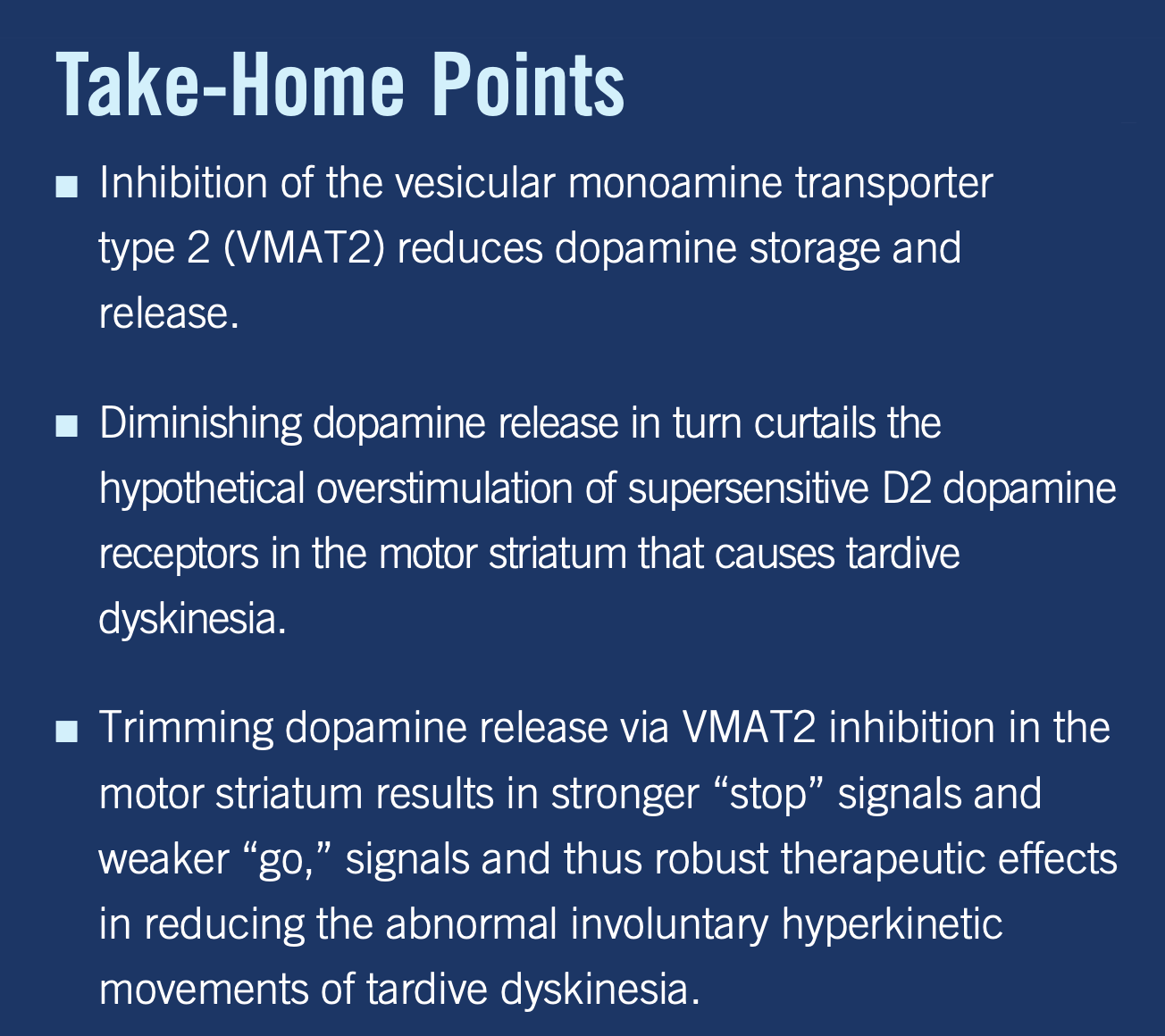
The medications required to treat the symptoms of TD are notoriously expensive. Until recently, there were few options for managing the involuntary movements associated with the condition. The FDA’s approval of VMAT2 inhibitors, such as Valbenazine (Ingrezza) and Deutetrabenazine (Austedo), provided relief but at a high price point. These medications can cost upwards of $6,000 to $8,000 per month.
Even for those with robust private insurance or Medicare, the “copay squeeze” can be devastating. Many insurance plans place these specialized treatments in the highest specialty tiers, requiring significant coinsurance payments. For a retiree on a fixed income or a patient already struggling with the costs of primary psychiatric care, the addition of a TD treatment regimen can lead to medical bankruptcy.
Loss of Income and Long-term Disability
Beyond the direct cost of medication, the financial impact of TD is exacerbated by the loss of earning potential. Tardive Dyskinesia can affect the face, tongue, limbs, and trunk, making many forms of traditional employment difficult or impossible.
The social stigma and physical limitations of the condition often lead to early withdrawal from the workforce. This necessitates a complex navigation of Social Security Disability Insurance (SSDI) or private long-term disability claims. For high-earning professionals, the “gap” between their previous salary and disability benefits can lead to a drastic reduction in quality of life and the depletion of retirement savings to cover daily living expenses.

Litigation and Liability: When Side Effects Lead to High-Stakes Settlements
In the world of business finance, Tardive Dyskinesia is a major factor in “Product Liability” accounting. When a pharmaceutical company fails to adequately warn patients and doctors about the risks of TD, the legal system becomes the primary mechanism for financial recovery.
Class Action Lawsuits and Legal Precedents
Historically, there have been massive legal settlements involving drugs linked to TD. Metoclopramide (Reglan) has been at the center of thousands of lawsuits. In many cases, plaintiffs argued that manufacturers were aware of the high risk of TD with long-term use but failed to update their warning labels or marketing materials.
For the legal industry, these cases represent a specialized niche of high-stakes litigation. Law firms often invest millions of dollars in discovery and expert testimony, seeking “global settlements” that can reach into the hundreds of millions. These settlements are designed to cover not only the medical costs and lost wages of the victims but also to serve as a punitive measure against corporate negligence.
Calculating Compensatory and Punitive Damages
Determining the “dollar value” of a TD case involves complex financial modeling. Forensic accountants and life-care planners are often called upon to testify about the “future cost of care.” This includes:
-
Expected lifetime costs of VMAT2 inhibitors (adjusted for inflation).
-
The value of lost future earnings and pension contributions.
-
Costs for specialized home care or physical therapy.
-
Non-economic damages for “pain and suffering,” which in many states are capped but can still reach significant sums in extreme cases.
From a corporate standpoint, these liabilities are often factored into the “cost of doing business,” but a surge in litigation can significantly devalue a company’s stock and impact investor confidence.
Investing in Solutions: The Market for TD Treatment Innovation
While the drugs that cause Tardive Dyskinesia create financial strain, the biotech companies developing treatments for the condition represent a significant growth sector for healthcare investors.
New Drug Approvals and Market Capitalization
The successful launch of Ingrezza by Neurocrine Biosciences and Austedo by Teva Pharmaceuticals changed the landscape of TD management. For investors, these companies represented a “pure play” on the necessity of managing drug side effects.
When Ingrezza received FDA approval, Neurocrine’s market capitalization surged, reflecting the high demand for a solution to a previously “unmet need.” For a diversified portfolio, understanding the lifecycle of these drugs—from patent approval to generic entry—is essential for timing entries and exits in the biotech space. The high price tag of these drugs, while a burden to the patient, ensures high margins and strong cash flow for the manufacturers.
Healthcare Stocks and the Ethics of Profit
The “Money” aspect of TD also invites a discussion on ethical investing. Many ESG (Environmental, Social, and Governance) investors look closely at how pharmaceutical companies handle drug safety. A company that proactively manages its risk profile by providing transparent warnings and investing in safer alternatives is often seen as a more stable long-term investment than one that faces constant litigation.
Furthermore, the rise of “Patient Assistance Programs” (PAPs) funded by pharmaceutical companies serves a dual purpose: they provide necessary medication to those who cannot afford it, but they also serve as a strategic financial tool to maintain high “list prices” while capturing market share and building brand loyalty.
Conclusion: Financial Vigilance in a Complex Market
Tardive Dyskinesia is a stark reminder that in the modern economy, health and finance are inextricably linked. The medications that cause this condition are cornerstone products of a multi-billion dollar industry, yet the “externalities”—the costs borne by the patients and the legal system—are profound.
For individuals, the financial defense against TD involves aggressive insurance advocacy, legal awareness, and long-term disability planning. For the institutional investor, it requires a deep dive into the liability structures and pipeline innovations of the pharmaceutical giants. Ultimately, understanding “what meds cause tardive dyskinesia” is the first step in a broader strategy of financial risk management, ensuring that the pursuit of health does not lead to an unintended path of financial insolvency.
aViewFromTheCave is a participant in the Amazon Services LLC Associates Program, an affiliate advertising program designed to provide a means for sites to earn advertising fees by advertising and linking to Amazon.com. Amazon, the Amazon logo, AmazonSupply, and the AmazonSupply logo are trademarks of Amazon.com, Inc. or its affiliates. As an Amazon Associate we earn affiliate commissions from qualifying purchases.