
In the world of personal finance and wealth management, we often speak of assets, liabilities, and the “silent killers” of a portfolio, such as inflation or high management fees. However, one of the most overlooked liabilities in a long-term financial plan is the secondary cost of healthcare—specifically, the economic ripple effects caused by medication side effects. While the primary purpose of a pharmaceutical intervention is to restore health, certain classes of medications are notorious for causing significant weight gain.
From a financial perspective, weight gain is not merely a physical change; it is a fiscal event. It triggers a cascade of expenditures, ranging from immediate wardrobe replacements to long-term increases in insurance premiums and chronic disease management. This article examines the intersection of pharmacology and personal finance, identifying the medications that impact your waistline and, consequently, your bottom line.
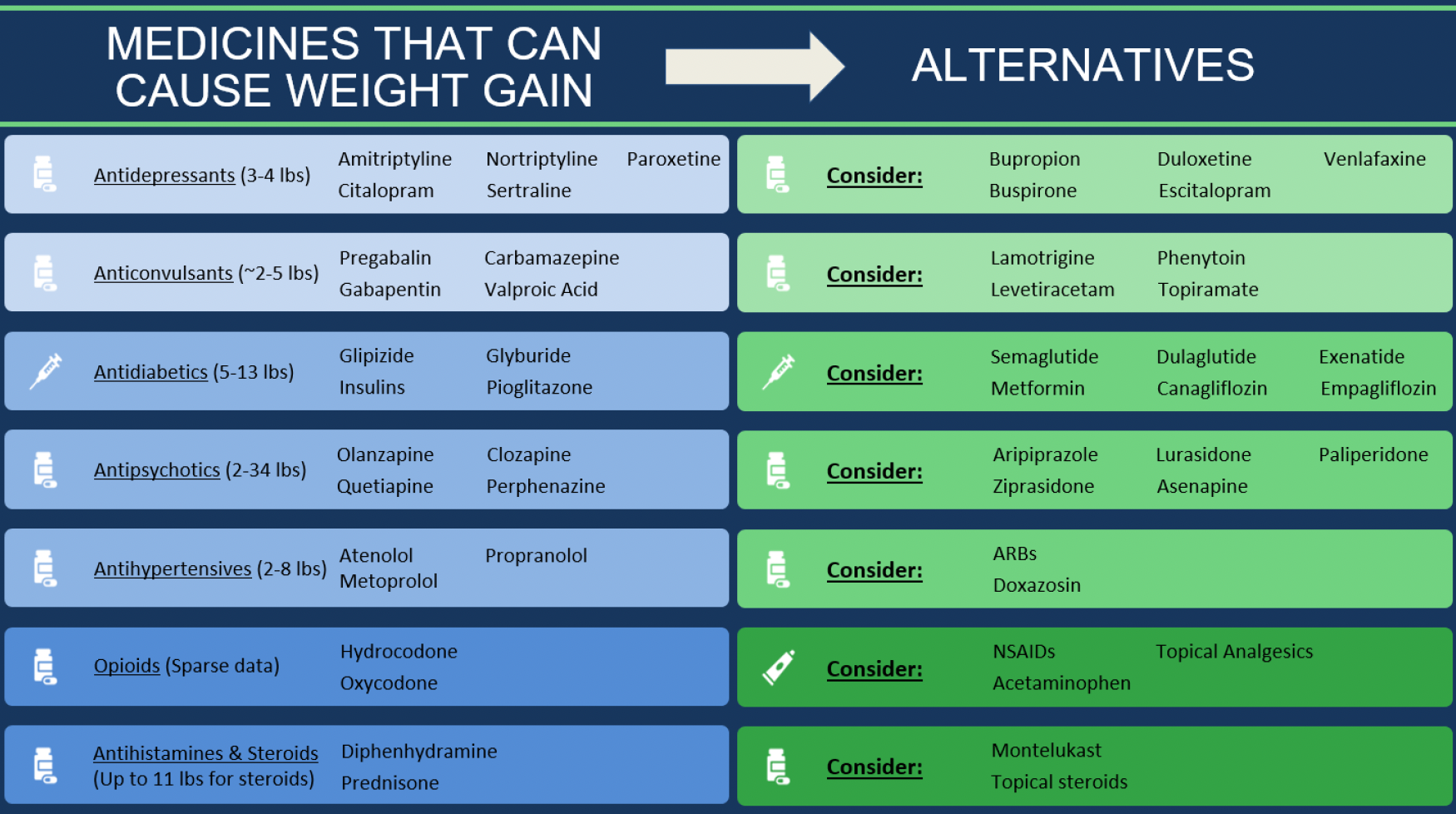
1. The Direct Costs: The “Hidden Tax” of Common Prescriptions
When a physician prescribes a medication, the patient typically evaluates the cost through the lens of the co-pay or the monthly prescription price. However, if that medication leads to metabolic shifts and weight gain, the true “Total Cost of Ownership” (TCO) begins to rise. Several categories of drugs are primary drivers of this secondary financial burden.
Antipsychotics and Mood Stabilizers
In the realm of mental health, medications like Olanzapine (Zyprexa) and Risperidone (Risperdal) are life-saving but fiscally demanding. These second-generation antipsychotics are known to cause rapid weight gain, sometimes upwards of 20 to 30 pounds within the first year. Financially, this often leads to the development of metabolic syndrome. The cost of managing high blood sugar and lipid profiles—often requiring additional prescriptions like Metformin or statins—adds a recurring monthly expense to the individual’s budget that was not present at the start of treatment.
Corticosteroids
Prednisone and other corticosteroids are frequently used for autoimmune disorders and chronic inflammation. While effective, they cause fluid retention and increased appetite. For a professional on a fixed income, the “Corticosteroid Tax” manifests in the need for an entirely new professional wardrobe and, more critically, the potential for bone density loss, which can lead to expensive orthopedic interventions later in life.
Antidiabetic Medications
Paradoxically, some medications used to treat Type 2 diabetes, such as insulin and sulfonylureas, can cause weight gain. This creates a feedback loop of “diminishing returns” on health investments. As weight increases, insulin resistance may worsen, requiring higher dosages of expensive medications, thereby increasing the patient’s healthcare spend without necessarily improving their long-term financial outlook.
2. Insurance Premiums and the Long-term Capital Outlay
In personal finance, risk assessment is everything. Insurance companies are masters of risk assessment, and they view weight gain as an escalation of liability. When an individual’s Body Mass Index (BMI) shifts from a healthy range into the “overweight” or “obese” category due to medication side effects, the financial implications extend far beyond the pharmacy counter.
Life and Disability Insurance Rates
For those seeking private life insurance or disability coverage, a higher BMI can lead to “rating” a policy. This means the policyholder pays a higher premium for the same amount of coverage. Over a 20-year term, a medication-induced weight gain that moves a person into a higher risk bracket could cost tens of thousands of dollars in additional premiums. This is a direct hit to one’s ability to invest that capital elsewhere, representing a significant opportunity cost.
The Higher Deductible Reality
As weight increases, the risk of developing secondary conditions like sleep apnea, hypertension, or joint pain rises. For individuals on high-deductible health plans (HDHPs), this means reaching the out-of-pocket maximum earlier and more frequently each year. When planning a corporate or personal budget, these “flare-up” costs must be accounted for as an anticipated liability rather than an emergency expense.
The Impact on Health Savings Accounts (HSAs)
While HSAs are excellent tax-advantaged vehicles, medication-induced weight gain often forces individuals to spend their HSA funds on immediate needs—such as physical therapy or CPAP machines—rather than allowing that money to stay invested in the market for retirement. This hampers the power of compound interest, fundamentally altering one’s net worth in the decades to follow.

3. The Productivity Tax: Workplace Economics and Personal Income
The financial impact of weight-gain-inducing medications is not limited to what you spend; it also affects what you earn. In the modern economy, your health is your primary engine for wealth creation. When that engine is slowed down by the physiological effects of certain drugs, your “earning power” may be compromised.
The Energy Deficit and Career Progression
Many medications that cause weight gain, such as certain beta-blockers used for hypertension (e.g., Atenolol or Propranolol), also cause lethargy and exercise intolerance. In a competitive corporate environment, a sustained drop in energy levels can lead to decreased productivity, missed promotions, or the inability to take on high-value “side hustles.” This “Productivity Tax” is an invisible drain on a person’s lifetime earnings trajectory.
Nutritional Pivots and the Grocery Budget
When a medication alters your metabolism, maintaining your current weight often requires a shift to a more expensive, high-protein, or specialized diet. The “Money” aspect here is clear: processed, calorie-dense foods are often cheaper than the nutrient-dense, whole foods required to counteract medication-induced metabolic slowing. Transitioning to a diet that fights pharmaceutical weight gain can easily increase a monthly grocery budget by 20% to 30%, a significant shift for any household’s cash flow.
The Cost of Lifestyle Interventions
To mitigate weight gain, individuals often invest in gym memberships, personal trainers, or weight-loss apps. While these are “good” investments in one’s health, they are still outflows of capital. If the weight gain is a direct side effect of a mandatory medication, these expenses should be viewed as “maintenance costs” for the human asset, much like maintaining a piece of machinery in a business.
4. Investing in Alternatives: The Business of Weight-Neutral Pharma
For the savvy investor or the person managing their own healthcare costs, understanding the pharmaceutical market is essential. There is a growing sector of the economy dedicated to “weight-neutral” or “weight-loss” medications, and this shift represents both a challenge and an opportunity in the financial landscape.
The Rise of GLP-1 Agonists
The massive market success of drugs like Ozempic and Wegovy highlights the premium the market places on weight management. From a business finance perspective, the cost of these “counter-measures” is astronomical, often exceeding $1,000 per month without insurance. For a patient already paying for a medication that causes weight gain, adding a GLP-1 agonist creates a massive double-sided expense.
Analyzing the “Switching Cost”
In business, “switching cost” refers to the expense or effort required to change suppliers or products. In healthcare, if a patient can switch from a weight-gaining medication (like an older antidepressant) to a weight-neutral one (like Wellbutrin), the financial savings over five years can be substantial. Reducing the need for secondary treatments (for diabetes or heart disease) represents a high Return on Investment (ROI) for the individual’s healthcare spending.
Portfolio Diversification in Health
For those looking to invest in the “Money” side of this issue, the pharmaceutical companies that prioritize weight-neutral side effect profiles are gaining a competitive edge. As consumers become more financially literate about the “hidden costs” of their prescriptions, demand for drugs that do not compromise metabolic health will continue to drive market valuations.

Conclusion: Health as a Financial Asset
Ultimately, the medications that make you gain weight—ranging from certain antidepressants and steroids to specific diabetes treatments—must be viewed through a financial lens. They are not just medical choices; they are economic decisions with long-term consequences for your personal balance sheet.
By identifying these medications early, individuals can work with healthcare providers to seek more “fiscally responsible” alternatives or, at the very least, budget for the secondary costs associated with weight gain. In the pursuit of wealth, protecting your physical health is the ultimate strategy for capital preservation. Managing the side effects of your prescriptions is not just about the scale; it is about ensuring that your health remains an asset that fuels your prosperity, rather than a liability that drains your future.
aViewFromTheCave is a participant in the Amazon Services LLC Associates Program, an affiliate advertising program designed to provide a means for sites to earn advertising fees by advertising and linking to Amazon.com. Amazon, the Amazon logo, AmazonSupply, and the AmazonSupply logo are trademarks of Amazon.com, Inc. or its affiliates. As an Amazon Associate we earn affiliate commissions from qualifying purchases.