
In the rapidly evolving landscape of software engineering and digital product development, the difference between a transformative tool and a failed application often comes down to a single philosophy: User-Centered Design (UCD). As technology becomes more integrated into our daily lives—from AI-driven assistants to complex cloud computing dashboards—the complexity of these systems increases. Without a structured approach to ensure these tools remain intuitive, technology risks alienating the very people it is meant to serve.
User-Centered Design is an iterative design process in which designers and developers focus on the users and their needs in each phase of the design process. In the tech niche, UCD is more than just a “feel-good” methodology; it is a rigorous framework that involves research, prototyping, and testing to create software that is not only functional but also accessible and efficient.

The Core Principles of User-Centered Design in Software Development
At its heart, UCD is about shifting the focus from “what can the technology do?” to “what does the user need to achieve?” This shift requires a commitment to several foundational principles that guide the lifecycle of any tech product.
Empathy as the Starting Point
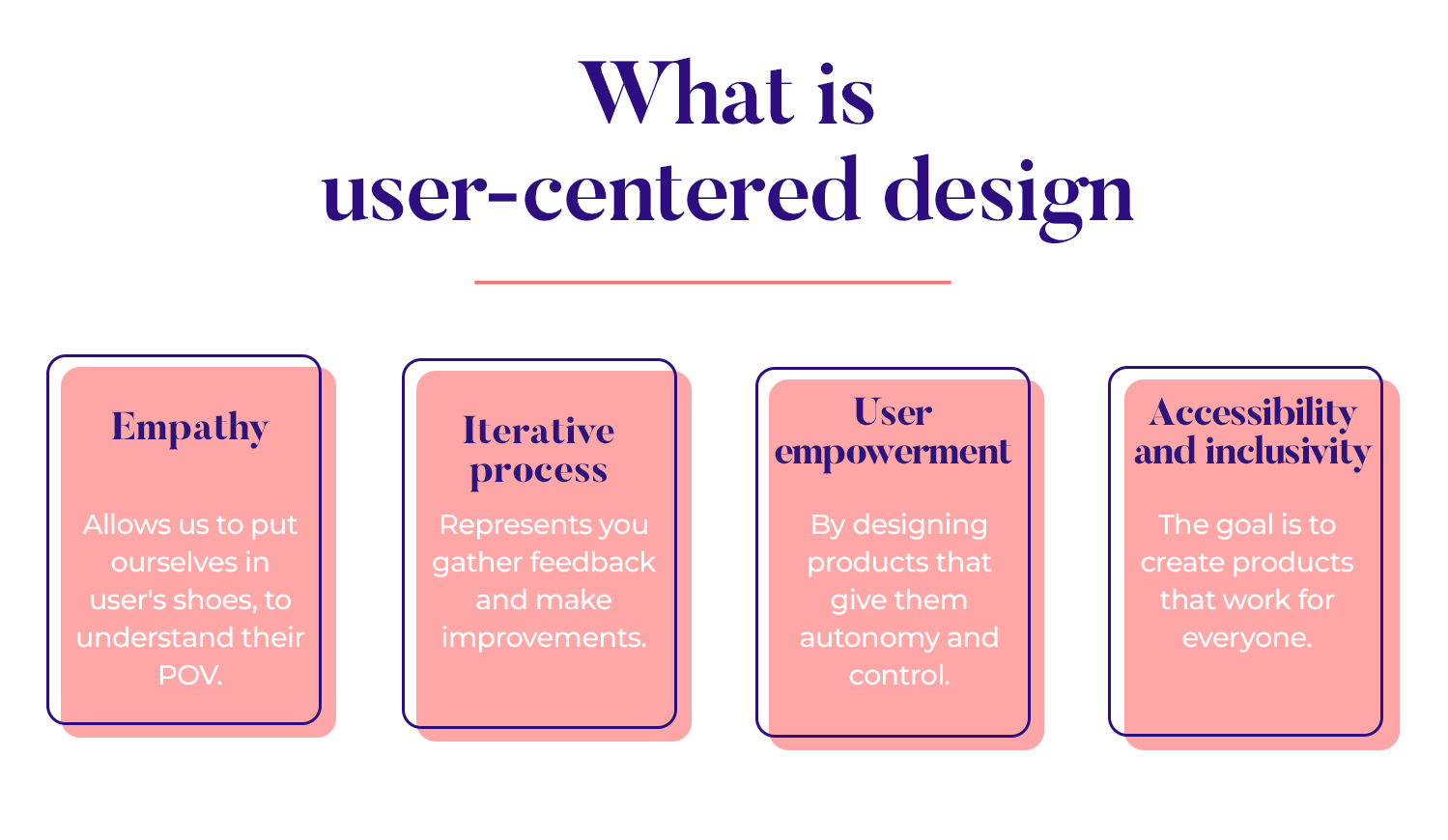
The first principle of UCD is empathy. In tech, developers often fall into the “false-consensus effect,” assuming that because they understand how a backend architecture works, the end-user will intuitively understand the interface. UCD counters this by requiring developers to step into the user’s shoes. This involves creating “user personas”—detailed profiles of typical users including their technical proficiency, their goals, and their pain points. By understanding the user’s mental model, tech teams can build interfaces that mirror how a person thinks rather than how a database is structured.
The Iterative Nature of the Design Process
Unlike the traditional “Waterfall” method of software development, where design is finished before coding begins, UCD is inherently iterative. It acknowledges that the first version of a software feature is rarely perfect. The process involves a continuous loop of designing, testing, and refining. In modern Agile environments, this means that feedback from usability testing is fed directly back into the development sprint, ensuring that the product evolves based on real-world usage patterns rather than theoretical assumptions.
Multidisciplinary Collaboration
UCD breaks down silos within a tech organization. It requires constant communication between UI/UX designers, frontend developers, backend engineers, and product managers. When a developer understands the “why” behind a specific design requirement—such as the placement of a button or the speed of a transition—they can write cleaner, more effective code that supports the user experience. This collaborative approach ensures that technical constraints and user needs are balanced from day one.
The UCD Process: From Discovery to Deployment
To successfully implement User-Centered Design in a tech environment, teams typically follow a structured process. This ensures that the final product is validated by data rather than subjective opinions.
Phase 1: Understanding Context and User Requirements
The process begins with “Discovery.” Tech teams conduct user interviews, surveys, and observational studies to see how users currently interact with similar tools. The goal here is to identify the “Context of Use.” For example, is the app being used by a field engineer in high-glare sunlight, or by a financial analyst in a quiet office with three monitors? These environmental factors drastically change the technical requirements for contrast, font size, and data density.
Phase 2: Design Solutions (Prototyping)
Once the requirements are clear, the team moves into the creation phase. In tech, this starts with low-fidelity wireframes and moves toward high-fidelity interactive prototypes. Tools like Figma or Adobe XD allow designers to create clickable versions of an app without writing a single line of production code. This allows for rapid experimentation. If a specific navigation flow is confusing to users in the prototype stage, it can be fixed in hours. If that same mistake is caught after the software is fully coded, it could take weeks of refactoring to correct.
Phase 3: Evaluation Against Requirements
Evaluation is the most critical phase of the UCD cycle. This is where usability testing occurs. Real users are given specific tasks to complete using the prototype or beta version of the software. Developers observe where users struggle, where they click incorrectly, and where they hesitate. Metrics such as “Time on Task,” “Success Rate,” and “Error Rate” provide hard data that proves whether a design is working. This phase ensures that the software meets the objective criteria established at the start of the project.
Why UCD is Critical for Modern Apps and AI Tools
The importance of UCD has grown exponentially with the rise of complex technologies like Artificial Intelligence (AI) and Software-as-a-Service (SaaS) platforms. As tech becomes more powerful, the potential for user frustration grows.
Reducing Friction in Complex Systems
As software features expand, interfaces tend to become cluttered—a phenomenon known as “feature creep.” UCD acts as a filter, helping tech teams prioritize the features that add the most value. By focusing on the user’s primary tasks, designers can hide complex settings behind “progressive disclosure” menus, keeping the main workspace clean and functional. This reduction in cognitive load is essential for high-stakes software, such as medical diagnostic tools or cybersecurity dashboards, where a single missed detail can have serious consequences.
Accessibility and Inclusive Design in the Digital Era
In the tech world, UCD is synonymous with accessibility. A user-centered approach ensures that software is usable by everyone, including those with visual, auditory, or motor impairments. This involves technical implementations like screen reader compatibility, keyboard-only navigation, and color-blind friendly palettes. By following UCD principles, tech companies comply with international standards like the Web Content Accessibility Guidelines (WCAG), which not only expands their user base but also protects them from legal liabilities.
Data-Driven Decision Making vs. Intuition
One of the greatest benefits of UCD in a technical context is that it replaces “the loudest voice in the room” with data. When a product manager and an engineer disagree on a feature’s direction, UCD provides the framework to test both versions. A/B testing, heatmaps, and session recordings provide empirical evidence of what users prefer. This scientific approach to design aligns perfectly with the data-driven nature of modern software engineering.
The Impact of UCD on Digital Security and Trust
Perhaps the most overlooked aspect of User-Centered Design in tech is its role in digital security. Security and usability are often seen as being at odds, but UCD proves that they must work together to be effective.
Balancing Usability with Security Protocols
If a security measure is too difficult to use, users will find a way to bypass it. For example, if a company forces employees to change complex passwords every 30 days, employees often resort to writing passwords on sticky notes—a massive security risk. A user-centered approach to security seeks to make the “safe” way the “easy” way. This has led to the development of biometric logins (FaceID/TouchID) and “magic links,” which provide high security with minimal friction.
Transparency and Ethics in AI Interface Design
As AI tools become more prevalent, UCD is essential for establishing trust. Users need to understand why an AI made a certain decision. This is known as “Explainable AI” (XAI). A user-centered AI interface provides tooltips, citations, or confidence scores to help the user interpret the machine’s output. By designing for transparency, tech companies can mitigate the “black box” effect of AI, ensuring that users feel in control of the technology rather than intimidated by it.

Conclusion: The ROI of Human-Centric Tech
In conclusion, User-Centered Design is not a luxury or a decorative “add-on” for tech products; it is a fundamental requirement for success in a competitive digital market. By prioritizing the human experience throughout the development lifecycle, tech companies can reduce development costs by catching errors early, increase user retention by providing intuitive experiences, and build long-term trust through accessible and secure design.
As we move toward an era of even more sophisticated technology—including spatial computing, advanced robotics, and pervasive AI—the principles of UCD will remain the anchor that keeps technology grounded in human needs. The most successful tech tools of the future will be those that feel less like “tools” and more like natural extensions of the user’s own capabilities. To achieve that, we must never stop asking: “Who is the user, and how can we make this better for them?”
aViewFromTheCave is a participant in the Amazon Services LLC Associates Program, an affiliate advertising program designed to provide a means for sites to earn advertising fees by advertising and linking to Amazon.com. Amazon, the Amazon logo, AmazonSupply, and the AmazonSupply logo are trademarks of Amazon.com, Inc. or its affiliates. As an Amazon Associate we earn affiliate commissions from qualifying purchases.