
In the competitive landscape of premium travel gear, few names resonate with as much authority as Tumi. To the uninitiated, Tumi might simply appear to be a manufacturer of high-end suitcases and briefcases. However, within the realms of brand strategy and corporate identity, Tumi represents a masterclass in market positioning, technical innovation, and the art of catering to a specific, high-value demographic. Since its inception in 1975, the brand has transformed from a niche importer of leather goods into a global powerhouse that defines the “business class” lifestyle.

Understanding what Tumi is requires looking beyond the ballistic nylon and zippers. It involves examining how a brand can build a reputation for indestructibility while maintaining an aura of sophisticated luxury—a balancing act that many competitors fail to achieve.
The Genesis of Excellence: Building the Tumi Brand Identity
The story of Tumi is one of accidental inspiration and deliberate craftsmanship. Founded by Charlie Clifford, a former Peace Corps volunteer, the brand took its name from a Peruvian ceremonial knife used by the Incas. This choice of nomenclature was the first step in establishing a brand identity that felt exotic, sharp, and steeped in heritage, even as it was being built in New Jersey.
From Peruvian Roots to Global Recognition
In its early years, Tumi focused on importing leather bags from South America. However, the brand’s true evolution began when it shifted from being a mere distributor to an innovator. By the 1980s, Tumi recognized a gap in the market: the modern business traveler needed something more durable than traditional leather but more professional than a canvas backpack. This insight led to the introduction of soft, ultra-functional, black-on-black ballistic nylon travel bags. This shift didn’t just change the product line; it redefined the brand’s visual language. The “black-on-black” aesthetic became a corporate uniform, signaling that the user was a serious professional who valued efficiency over flashy logos.
Defining the Core Brand Values
The Tumi brand is built on five pillars: quality, durability, style, innovation, and service. In the world of brand strategy, these are more than just marketing buzzwords; they are the benchmarks for every product launch. Tumi has successfully cultivated a “brand promise” that focuses on the “Road Warrior”—the frequent flyer who spends more time in airport lounges than in their own living room. By solving the specific pain points of this demographic (such as broken wheels or disorganized packing), Tumi established a sense of trust that few other brands in the luggage industry can claim.
Strategic Innovation: The Intersection of Design and Durability
What sets Tumi apart from a brand perspective is its refusal to choose between form and function. In many luxury sectors, “design” often comes at the expense of “durability.” Tumi flipped this narrative by making durability a key component of its design appeal.
The Breakthrough of FXT Ballistic Nylon
One of the most significant assets in Tumi’s brand portfolio is its signature FXT Ballistic Nylon®. Originally developed for use in flak jackets to protect military personnel from shrapnel, Tumi repurposed this material for travel gear. By branding the material itself, Tumi created a proprietary value proposition. When a customer buys a Tumi bag, they aren’t just buying fabric; they are buying a patented, high-performance material that is virtually abrasion-proof. This is a classic example of “ingredient branding,” where the material becomes as famous as the product itself, reinforcing the brand’s identity as a leader in technical excellence.
Engineering for the Modern Business Traveler
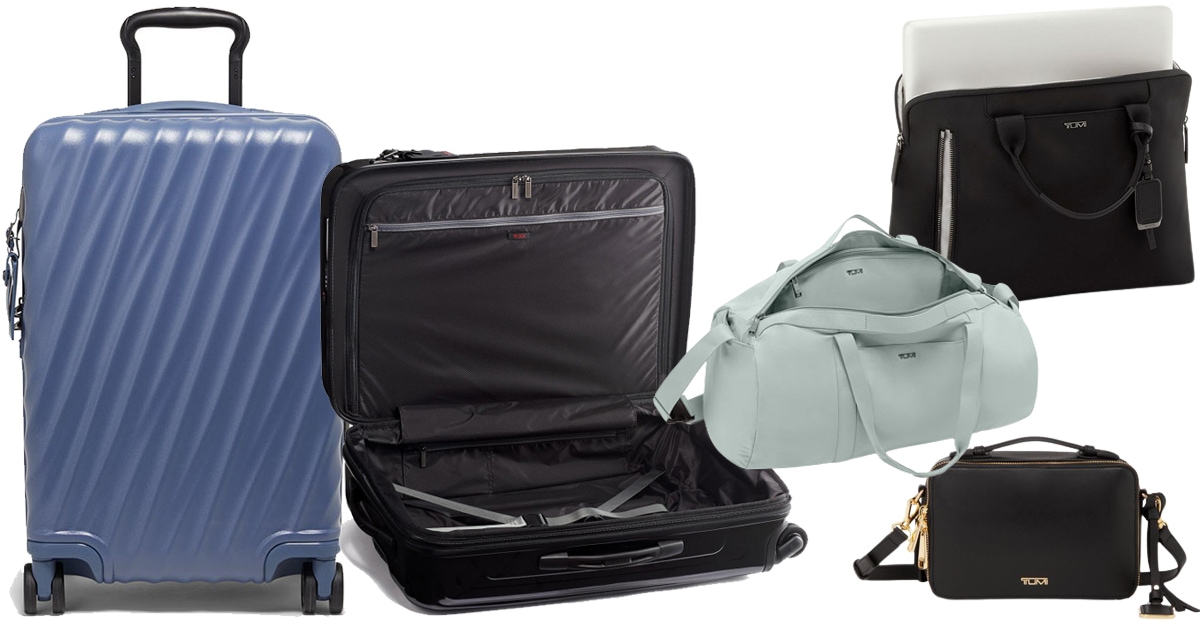
Tumi’s design philosophy is rooted in “technical luxury.” This is evident in their focus on the “Alpha” collection, which has become the gold standard for executive travel. Every pocket, zipper, and handle is engineered with a purpose. From a brand strategy standpoint, this creates a sense of “quiet luxury.” Tumi doesn’t need loud logos to be recognized; the silhouette of the bag and the specific texture of the nylon speak to those “in the know.” This strategy leverages the concept of social signaling—owning a Tumi bag signifies professional success and a discerning eye for quality.
Brand Positioning: How Tumi Mastered the Premium Market
Positioning a brand in the “premium” tier requires more than just a high price tag; it requires a comprehensive ecosystem that justifies that price. Tumi has mastered this by creating a customer experience that extends far beyond the point of sale.
Target Audience and Customer Experience
The Tumi customer is typically an affluent professional, aged 30 to 55, who travels extensively for work. To appeal to this group, Tumi focuses its marketing on “frictionless travel.” The brand positioning is not about the destination, but about the ease of the journey. This is supported by an upscale retail experience. Tumi stores are often located in high-end shopping districts and major international airports, reinforcing the brand’s association with global mobility and luxury. The minimalist, organized layout of their stores mirrors the internal organization of their bags, providing a cohesive brand experience from the moment a customer walks through the door.
The Tumi Tracer Program as a Loyalty Driver
One of Tumi’s most brilliant brand moves was the introduction of the Tumi Tracer® program. Each bag comes with a unique 20-digit serial number printed on a metal plate. If a bag is lost or stolen, the owner can be reunited with it via Tumi’s central database. From a marketing perspective, this is a genius move for two reasons. First, it provides a tangible, high-value service that addresses a major fear of travelers. Second, it requires the customer to register their product, giving Tumi access to valuable first-party data and a direct line of communication for future marketing efforts. It turns a one-time purchase into a long-term relationship.
Marketing and Expansion: Navigating the Luxury Landscape
As the market for luxury goods evolved, Tumi had to adapt its marketing strategy to stay relevant without diluting its core identity. This involved moving beyond the boardroom and into the lifestyle and sports sectors.
Strategic Collaborations and Partnerships
In recent years, Tumi has utilized strategic partnerships to broaden its appeal. A notable example is the collaboration with the McLaren Formula 1 team. This partnership is a perfect brand alignment: both Tumi and McLaren are obsessed with performance, aerodynamics, and cutting-edge materials like carbon fiber. By aligning with a high-octane, prestige sport, Tumi shifted its image from being purely “business” to being “high-performance lifestyle.” Similar collaborations with designers and celebrities have allowed the brand to tap into younger, more fashion-conscious demographics while maintaining its reputation for quality.
Maintaining Heritage Post-Samsonite Acquisition
In 2016, Tumi was acquired by Samsonite International for approximately $1.8 billion. In the world of corporate identity, such acquisitions can be risky; there is often a fear that the premium brand will be diluted by its larger, more mass-market parent company. However, Tumi has successfully maintained its autonomy. Samsonite has allowed Tumi to continue operating as a high-end luxury tier, using Samsonite’s global distribution network to scale while keeping Tumi’s design and marketing teams distinct. This “house of brands” strategy has allowed Tumi to grow its global footprint, particularly in the Asian market, without losing the “exclusive” feel that justifies its premium pricing.

Conclusion: The Future of the Tumi Legacy
To ask “What is Tumi?” is to ask what it means to be a leader in the intersection of luxury and utility. Tumi is not just a luggage company; it is a lifestyle brand that has successfully commodified the concept of “preparedness.” Through a rigorous commitment to material innovation, a deep understanding of its core consumer, and a sophisticated approach to brand positioning, Tumi has secured its place as an essential tool for the global elite.
As travel becomes increasingly digital and the “work from anywhere” culture continues to rise, Tumi’s brand strategy is evolving once again. By expanding into e-sports bags, sustainable materials, and “smart” luggage features, the brand is ensuring that it remains as relevant to the next generation of travelers as it was to the executives of the 1980s. Tumi remains a testament to the power of a clear brand identity: when you know exactly who your customer is and what they value, you can build a legacy that withstands the rigors of both time and travel.
aViewFromTheCave is a participant in the Amazon Services LLC Associates Program, an affiliate advertising program designed to provide a means for sites to earn advertising fees by advertising and linking to Amazon.com. Amazon, the Amazon logo, AmazonSupply, and the AmazonSupply logo are trademarks of Amazon.com, Inc. or its affiliates. As an Amazon Associate we earn affiliate commissions from qualifying purchases.