
The quest for the “strongest” over-the-counter (OTC) pain medication is a common one for consumers seeking relief. However, from a branding perspective, the answer is rarely straightforward, resting instead on a complex interplay of active ingredients, marketing claims, consumer perception, and regulatory frameworks. In the fiercely competitive landscape of pain relief, brands don’t just sell chemicals; they sell promises of efficacy, speed, and reliability. This article delves into how OTC pain medication brands strategize to position themselves as the most potent solution, shaping consumer expectations and loyalty through clever branding.
The Elusive Definition of “Strength” in OTC Pain Relief Branding
In the realm of pharmaceuticals, “strength” might be scientifically quantifiable by dosage or potency of active ingredients. In the consumer market, however, brands often translate this scientific reality into a narrative that resonates with everyday users. This involves more than just stating mg counts; it’s about crafting an identity that implies superior relief.
Decoding “Maximum Strength” and “Extra Strength” Claims
Perhaps no marketing phrases are more ubiquitous in the OTC pain relief aisle than “Maximum Strength” and “Extra Strength.” These terms are powerful branding tools, designed to convey superior efficacy without necessarily escalating active ingredient dosage beyond safe or standard limits. For instance, an “Extra Strength” acetaminophen might simply be two regular-strength tablets in one, or a higher dose per pill (e.g., 500mg instead of 325mg). “Maximum Strength” often refers to the highest permissible non-prescription dose for a particular active ingredient within a single unit.
Brands leverage these descriptors to instantly communicate perceived potency. They create a hierarchy within their own product lines and against competitors, guiding consumers who are specifically looking for the most powerful option available without a prescription. The branding here relies on the consumer’s understanding that these labels signify a step up from standard offerings, even if the underlying pharmacology is essentially scaled. It’s a promise of heightened efficacy packaged in a digestible, reassuring term.
Active Ingredients vs. Brand Perception of Potency
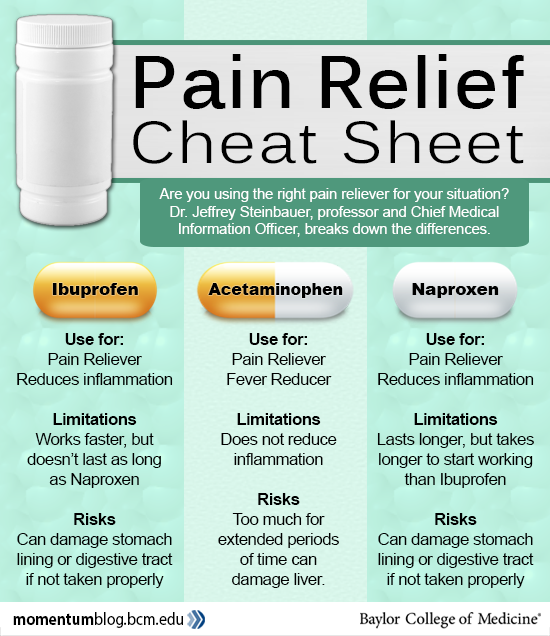
The foundational strength of an OTC pain medication lies in its active ingredient: ibuprofen, acetaminophen, naproxen sodium, or aspirin. Each comes with its own pharmacological profile regarding mechanism of action, duration, and suitability for different types of pain. Brands like Advil (ibuprofen), Tylenol (acetaminophen), and Aleve (naproxen sodium) are synonymous with their respective active ingredients.
However, brand perception of potency often transcends the simple active ingredient. For example, some consumers might perceive ibuprofen as “stronger” for inflammatory pain, while others might trust acetaminophen more for general aches and fever. This perception is built not just on clinical data but significantly on branding and advertising. Brands might highlight specific benefits – “fast-acting,” “long-lasting,” “targets severe pain” – to differentiate their product and establish a unique perception of strength relative to the competition, even if competitors use the same active ingredient. The packaging, color schemes (often red or dark blue for strength), and fonts also play a critical role in conveying this robust image.
The Role of Formulation and Delivery in Brand Storytelling
Beyond the active ingredient and dosage, the how of medication delivery is a crucial branding element for communicating strength and speed. “Fast-acting liquid gels,” “rapid-release caplets,” or “extended-release formulas” are not just scientific descriptors; they are brand promises. These formulations suggest innovation and a tailored approach to pain relief, implying that the medication will get to work faster or last longer, thus enhancing its perceived “strength.”
Brands invest heavily in the research and marketing of these delivery systems because they offer a tangible point of differentiation in a crowded market. A liquid gel, for instance, is branded as being absorbed more quickly than a traditional tablet, thereby delivering faster relief – a powerful message for someone in acute pain. This focus on formulation allows brands to tell a story of advanced science and superior effectiveness, reinforcing their claim to offer the “strongest” or most efficient solution for the consumer’s specific needs.
Crafting Consumer Perception: Marketing the “Strongest” Solution
In a market saturated with similar products, effective marketing is paramount to shape consumer perception and guide purchasing decisions. Brands meticulously craft their messaging to convince consumers that their product is the ultimate answer to their pain.
Advertising Strategies: Speed, Duration, and Intensity of Relief
Advertising campaigns for OTC pain medications are masterclasses in communicating perceived strength. They frequently focus on three key pillars: speed of relief, duration of relief, and the intensity of pain they can tackle. Visuals often depict individuals quickly returning to their daily activities, unburdened by pain, or triumphing over debilitating discomfort. Slogans like “Fast, powerful relief” or “24-hour relief” become ingrained in the consumer psyche, linking specific brands with these desired attributes.
Brands like Tylenol might emphasize safety and trust, while Advil might lean into its anti-inflammatory properties and potency for tougher pains. Aleve positions itself around long-lasting relief. These strategies are not accidental; they are carefully designed to carve out a specific niche and speak directly to different consumer pain profiles and priorities, each implicitly claiming a form of “strength” that is most relevant to their target audience. The goal is to build a narrative where the brand is the go-to solution for particular pain scenarios.
Brand Loyalty and the Psychology of Trust
When it comes to something as personal and immediate as pain relief, trust is a cornerstone of brand loyalty. Consumers often stick with a brand that has proven effective for them in the past. This loyalty is not just about the chemical efficacy but also about the brand’s ability to consistently deliver on its promise of relief. A brand that has successfully positioned itself as “strong” and reliable builds an emotional connection with its users.
The psychology behind this loyalty is complex. It involves perceived effectiveness, ease of use, lack of side effects, and the overall positive experience associated with the brand. Familiarity and the feeling of “knowing what works” can outweigh minor price differences or marginal gains from trying a new product. Brands cultivate this trust through consistent messaging, positive consumer experiences, and often, by leveraging a long history in the market. This trust then translates into a perception of inherent strength and reliability.
Packaging, Design, and the Visual Language of Potency
The visual elements of branding—packaging, color schemes, typography—play an enormous, often subconscious, role in communicating “strength.” Bold, assertive fonts, dark colors (like deep reds, blues, and blacks), and crisp, modern designs are frequently used to convey power, efficacy, and clinical authority. Conversely, lighter colors or softer fonts might be used for “gentle” or “daytime” formulas, demonstrating a clear visual language for different product attributes.
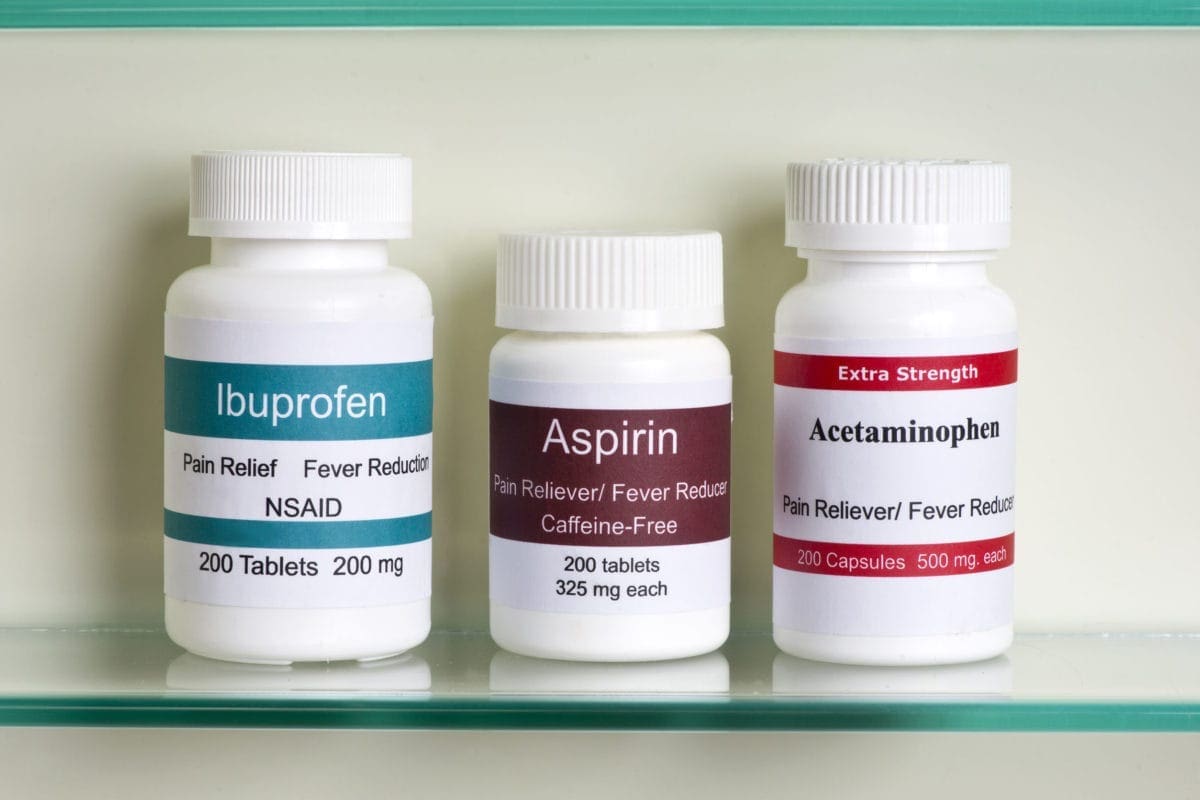
The size and shape of pills or bottles can also contribute to this perception. Larger pills or more robust packaging might subtly suggest a more potent dose. Brands often employ consistent visual cues across their product lines to reinforce their overall brand identity while differentiating specific strengths or formulations. This visual storytelling is critical at the point of purchase, where a consumer scanning a busy shelf needs to quickly identify the product that promises the most effective relief.
Navigating the Regulatory Landscape and Brand Integrity
While brands strive to differentiate themselves through claims of strength and efficacy, they operate within a stringent regulatory environment. Maintaining brand integrity and consumer trust requires adherence to these guidelines, ensuring that marketing claims are substantiated and not misleading.
FDA Guidelines and Substantiation of Efficacy Claims
In the United States, the Food and Drug Administration (FDA) regulates OTC drug labeling and advertising. Brands cannot make unsubstantiated claims of “strength” or “superiority” without sufficient scientific evidence. This means that phrases like “Maximum Strength” must align with established dosage limits and demonstrate efficacy through clinical trials. The FDA ensures that claims are truthful and not misleading, protecting consumers and fostering fair competition.
For brands, navigating these guidelines is crucial. It means investing in research, meticulously documenting efficacy, and crafting messaging that accurately reflects their product’s capabilities without overstating them. A misstep can lead to regulatory fines, product recalls, and, most damagingly, a severe blow to brand reputation and consumer trust. Brand integrity, therefore, is intrinsically linked to regulatory compliance.
Ethical Marketing and Avoiding Misleading Portrayals
Beyond legal compliance, ethical marketing is vital for long-term brand success in the health sector. Brands must avoid portraying their products as miracle cures or suggesting that higher doses are always better, which could encourage misuse. Transparent communication about active ingredients, potential side effects, and recommended dosages builds trust and responsible usage.
Ethical considerations also extend to how brands depict pain and relief. While they aim to resonate with the severity of pain, they must also present a realistic outlook on what OTC medications can achieve. Brands that are seen as honest and upfront about their capabilities often cultivate a more loyal and discerning customer base, distinguishing themselves from competitors who might employ more aggressive, less nuanced marketing tactics.
Brand Reputation and Crisis Management in a Health-Sensitive Market
In the health and wellness space, brand reputation is exquisitely sensitive. A single incident—a product recall, a misleading advertising claim, or a public health scare related to an active ingredient—can severely damage a brand’s standing. For brands positioning themselves on “strength,” any perceived failure to deliver on that promise can be particularly detrimental.
Effective crisis management is therefore a non-negotiable aspect of branding. This includes transparent communication, swift corrective action, and proactive engagement with regulatory bodies and consumers. Brands that handle crises with integrity often emerge stronger, demonstrating their commitment to consumer safety and trust, which ultimately reinforces their brand promise of reliability and efficacy.
Case Studies: Branding Success in the OTC Pain Market
Examining established brands offers insights into how “strength” is successfully branded and maintained in a crowded marketplace.
Advil vs. Tylenol: Differentiating Through Perceived Strength
The rivalry between Advil (ibuprofen) and Tylenol (acetaminophen) is a classic example of branding success through differentiated perceived strength. Tylenol often positions itself as a “safe and gentle” choice, effective for various pains and fevers, with a strong focus on liver health warnings where applicable. Its branding leans into trust and broad applicability.
Advil, conversely, has historically emphasized its anti-inflammatory properties and its ability to tackle “tough pain,” often positioning itself as a more powerful option for specific types of discomfort like headaches, muscle aches, and menstrual cramps. Its “liquid gels” and “migraine” specific products further underscore its specialized strength. While both are highly effective, their branding strategies have created distinct niches and consumer perceptions of their respective “strengths.”
Niche Brands and Specialized Pain Relief Positioning
Beyond the general pain relievers, many brands carve out successful niches by branding their products for specialized pain. Bengay (topical pain relief), Voltaren Arthritis Pain Gel (diclofenac for arthritis), and Midol (for menstrual pain) are examples. These brands don’t necessarily claim to be the “strongest” for all pain, but rather the strongest or most effective for their specific indication.
This specialized branding allows them to own a segment of the market, focusing their messaging and product development on particular needs. By addressing specific pain points with tailored formulations and targeted marketing, they create a perception of highly effective, specialized strength that resonates deeply with their target demographic.
Innovation and Brand Expansion in a Mature Market
The OTC pain relief market is mature, yet innovation remains a key driver for brand expansion and maintaining a competitive edge. This includes new delivery methods (e.g., dissolvable tablets, patches), combination formulas (e.g., pain reliever + sleep aid), or new active ingredients transitioning from prescription to OTC.
Brands that successfully introduce such innovations can revitalize their image, signaling continuous commitment to offering the “strongest” and most advanced solutions. This not only attracts new consumers but also reinforces loyalty among existing users who see their trusted brand evolving to meet changing needs and technological advancements. Brand expansion through innovation is a testament to a brand’s long-term strategy for perceived strength and relevance.
In conclusion, the question of “what is the strongest over the counter pain medication” is as much a branding challenge as it is a scientific one. While active ingredients and dosages provide the foundational efficacy, it is the strategic branding—through evocative claims, compelling advertising, trusted packaging, and ethical practices—that ultimately shapes consumer perception and determines which product will be chosen as the strongest solution for their pain. Brands that master this complex interplay not only succeed commercially but also build lasting relationships with consumers seeking effective relief.
aViewFromTheCave is a participant in the Amazon Services LLC Associates Program, an affiliate advertising program designed to provide a means for sites to earn advertising fees by advertising and linking to Amazon.com. Amazon, the Amazon logo, AmazonSupply, and the AmazonSupply logo are trademarks of Amazon.com, Inc. or its affiliates. As an Amazon Associate we earn affiliate commissions from qualifying purchases.