
The quest for a good night’s sleep is a universal human desire, driving a multi-billion dollar market for over-the-counter (OTC) sleep aids. Consumers, grappling with the pervasive issue of insomnia and sleep disturbances, are constantly searching for the most effective, reliable, and trustworthy solution. But when we ask, “What is the strongest OTC sleep aid?”, the answer, from a branding and market perspective, transcends mere pharmacological potency. It delves into the intricate interplay of brand strategy, consumer perception, market dominance, and the very definition of strength in a highly competitive landscape.
In the realm of OTC products, “strongest” isn’t solely about the highest dosage or the most potent active ingredient. Instead, it encapsulates a brand’s ability to capture significant market share, build unwavering consumer trust, foster deep loyalty, and establish itself as the go-to solution in the minds of its target audience. It’s about a brand’s resilience, its widespread recognition, and its consistent delivery on promises – perceived or actual. This article will explore the strategic branding elements that elevate an OTC sleep aid to the pinnacle of market strength and consumer preference, dissecting how brands cultivate this powerful image in a crowded industry.
Defining “Strongest” in the OTC Sleep Aid Brand Landscape
To understand what makes an OTC sleep aid “strongest” from a brand perspective, we must look beyond clinical trials and laboratory results. The strength of an OTC sleep aid brand is a multifaceted construct, built upon pillars of perceived value, trust, market penetration, and enduring brand equity.
Beyond Efficacy: The Role of Perceived Value and Trust
In the consumer’s mind, “strongest” often correlates with perceived effectiveness, which isn’t always a direct translation of active ingredient concentration. A brand achieves perceived strength by consistently delivering on its promise of a good night’s sleep, even if that promise is subtly crafted through marketing and positive user experiences. Trust is paramount. Consumers are entrusting these brands with their health and well-being, even if temporarily. This trust is built through transparent communication, consistent quality, positive word-of-mouth, and a long-standing reputation for reliability. Brands that can effectively communicate their safety profile alongside their efficacy, often through doctor recommendations or pharmacist endorsements, build an invaluable layer of credibility. This perception of reliability and safety often outweighs minor differences in active ingredient strength in the consumer’s decision-making process.
Market Share and Brand Equity as Indicators of Strength
Quantifiably, the “strongest” OTC sleep aid brands often command the largest market shares. This dominance is a direct result of effective branding, distribution, and marketing strategies that ensure wide availability and top-of-mind awareness. Brand equity – the commercial value derived from consumer perception of the brand name of a particular product or service, rather than from the product or service itself – is another critical indicator. A brand with high equity can command premium pricing, withstand competitive pressures, and easily launch new product variations. Strong brand equity implies that consumers not only recognize the brand but also associate it with positive attributes such as reliability, effectiveness, and safety, creating a powerful competitive advantage that transcends mere product attributes. It’s the intrinsic value a brand holds in the consumer’s heart and mind, translating into consistent sales and repeat purchases.
Core Branding Strategies for OTC Sleep Aid Dominance
Achieving “strongest” status requires a deliberate and sophisticated approach to branding, addressing both the scientific and emotional aspects of sleep deprivation. Brands that dominate this space master several key strategies.
Leveraging Scientific Backing and Ingredient Transparency
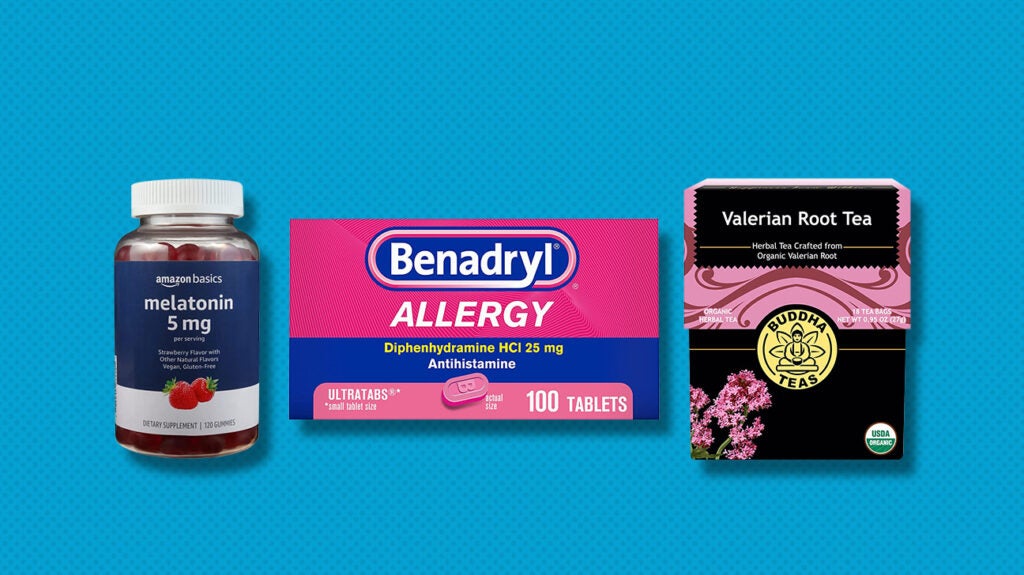
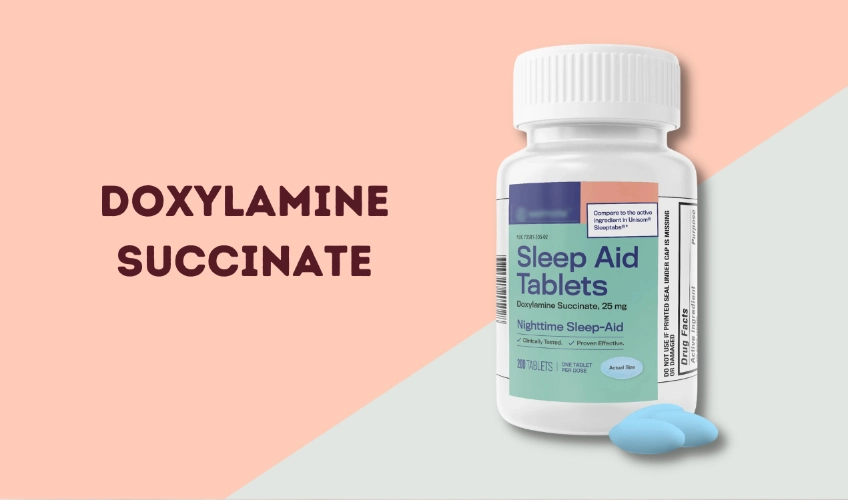
While the “strongest” is not purely about science, scientific credibility forms a foundational layer of trust. Brands that can point to clinical studies, medical endorsements, or even just clearly explain the mechanism of action of their active ingredients (e.g., antihistamines like diphenhydramine or doxylamine, or natural ingredients like melatonin and valerian root) gain an edge. Transparency about ingredients, dosages, and potential side effects builds consumer confidence and distinguishes reputable brands from those making unsubstantiated claims. Education plays a vital role here; brands that empower consumers with knowledge about their product’s components and how they work can foster a deeper level of trust and conviction in their effectiveness. This doesn’t mean using complex jargon, but rather simplifying scientific concepts into digestible, reassuring information that resonates with a lay audience.
Emotional Resonance: Marketing to the Sleepless Consumer
Sleep deprivation is an inherently emotional state, characterized by frustration, anxiety, and a yearning for relief. The most successful OTC sleep aid brands tap into these emotions, crafting marketing messages that empathize with the consumer’s struggle and offer a clear path to serenity. Advertising campaigns often focus on the benefits of restorative sleep – improved mood, enhanced productivity, better relationships – rather than just the mechanics of falling asleep. This emotional connection transforms the product from a mere chemical compound into a promise of a better quality of life. Storytelling, aspirational imagery, and relatable scenarios where the sleep aid provides the much-needed respite are powerful tools in building this emotional bridge. Brands that can make consumers feel understood and optimistic about their sleep future establish a powerful bond.
Packaging and Design: Visualizing Relief and Rest
In a retail environment, packaging is often the first, and sometimes only, touchpoint a brand has with a consumer. For OTC sleep aids, effective packaging goes beyond simply holding the product; it needs to communicate relief, safety, and efficacy instantly. Design elements such as calming color palettes (blues, greens, purples), clear and concise typography, and imagery that evokes tranquility and rest are crucial. The brand’s logo and name itself can be strategically designed to convey peace and effectiveness. Furthermore, clear instructions, dosage information, and easily identifiable active ingredients on the packaging enhance perceived trustworthiness and ease of use. A well-designed package acts as a silent salesperson, guiding the stressed consumer towards a solution that visually promises comfort and competence. It simplifies the decision-making process in an often overwhelming aisle, making the strongest brands instantly recognizable and reassuring.
The Power of Consumer Experience and Word-of-Mouth

In the digital age, a brand’s strength is heavily influenced by the collective voice of its consumers. Positive experiences and the subsequent sharing of those experiences are invaluable assets.
Cultivating Brand Loyalty Through Consistent Results (Perceived)
While individual physiological responses to sleep aids can vary, brands that are perceived to deliver consistent, positive results over time cultivate profound brand loyalty. This consistency isn’t just about the product’s chemical action; it’s about the entire consumer journey – from ease of purchase to clear instructions, to the perceived outcome. When a consumer finds an OTC sleep aid that “works for them,” they are highly likely to repurchase, reducing decision fatigue and building habitual consumption. Loyalty programs, subscription services, and excellent customer service further solidify this bond, transforming a one-time purchaser into a dedicated brand advocate. The strongest brands foster a sense of dependability, becoming a trusted companion in the nightly battle for sleep.
The Digital Echo Chamber: Reviews, Influencers, and Social Proof
Today’s consumers heavily rely on social proof before making a purchase. Online reviews, ratings, social media discussions, and endorsements from influencers or health professionals can make or break an OTC sleep aid brand. A brand that consistently garners positive reviews and recommendations online amplifies its perceived strength exponentially. Consumers trust the experiences of their peers more than traditional advertising. Smart brands actively manage their online reputation, encourage user-generated content, and engage with their community to build a powerful digital echo chamber that reinforces their “strongest” status. Influencer marketing, particularly with credible figures in health and wellness, can introduce brands to new audiences and lend an air of authenticity and personal endorsement that resonates deeply.
Navigating Regulatory Environments and Competitive Pressures
The OTC sleep aid market is not just crowded; it’s also highly regulated. A strong brand must skillfully navigate these complexities to maintain its market position.
Compliance as a Pillar of Brand Integrity
Operating within strict regulatory frameworks (like those set by the FDA in the US or similar bodies globally) is non-negotiable. Brands that consistently adhere to these guidelines, ensuring their claims are substantiated and their manufacturing processes are compliant, build a reputation for integrity and safety. Any deviation can lead to significant brand damage, recalls, and loss of consumer trust. The strongest brands proactively ensure compliance, often highlighting their commitment to safety and quality as a core brand value, thereby reassuring consumers that they are choosing a product they can rely on without undue risk. This commitment to regulatory excellence becomes a silent, yet powerful, testament to their brand’s reliability.
Differentiation in a Crowded Market
With numerous brands offering similar active ingredients, differentiation is key to standing out and asserting strength. This can be achieved through unique formulations (e.g., combination products, extended-release), innovative delivery methods (e.g., gummies, dissolvable strips), or by targeting specific consumer niches (e.g., natural ingredients, sleep aids for travel, non-habit forming options). Brands may also differentiate through superior packaging, a strong brand narrative, or a focus on sustainable and ethical practices. The “strongest” brands find their unique selling proposition and communicate it effectively, ensuring they are not just another option on the shelf but the distinct solution for a specific need. This strategic positioning allows them to carve out a loyal segment of the market, solidifying their competitive advantage.
Future Trends Shaping the “Strongest” OTC Sleep Aid Brands
The landscape of sleep solutions is constantly evolving, driven by technological advancements, changing consumer preferences, and a deeper understanding of sleep science. Brands aiming for enduring strength must adapt and innovate.
Personalization and Data-Driven Marketing
The future of OTC sleep aids will likely involve greater personalization. Brands that can offer tailored recommendations based on individual sleep patterns, lifestyle factors, and even genetic predispositions will emerge as leaders. This could be facilitated through companion apps, wearable tech integration, or AI-driven diagnostic tools that suggest the most appropriate sleep aid. Data analytics will allow brands to understand consumer behavior at a granular level, enabling hyper-targeted marketing campaigns that resonate more deeply and effectively. The “strongest” brands will be those that leverage data to create a more customized, effective, and engaging experience for each individual consumer.
Holistic Wellness Integration and Natural Solutions
There’s a growing consumer trend towards holistic wellness and natural alternatives. Brands that integrate their sleep aids into broader wellness ecosystems – offering advice on sleep hygiene, relaxation techniques, and dietary adjustments – will appeal to a wider, more health-conscious demographic. The demand for “natural” sleep aids, featuring ingredients like melatonin, magnesium, CBD (where legal), and adaptogens, is on the rise. Brands that can authentically position themselves within this natural wellness movement, emphasizing sustainable sourcing and clean ingredients, will enhance their appeal and perceived safety, attracting a segment of consumers wary of synthetic pharmaceuticals. The strongest brands will be those that don’t just sell a pill, but offer a comprehensive approach to achieving restorative sleep, aligning with a lifestyle of overall well-being.
In conclusion, “what is the strongest OTC sleep aid?” is a question best answered not by a single product name or chemical compound, but by examining the strategic branding power of companies operating in this space. The strongest OTC sleep aid brands are masters of perception, trust-building, market penetration, and continuous innovation. They combine scientific credibility with emotional resonance, clear communication with compelling design, and proactive consumer engagement with robust regulatory compliance. As the market evolves, these brands will continue to redefine strength by adapting to new technologies, embracing holistic wellness trends, and consistently meeting the profound human need for a peaceful night’s sleep.
aViewFromTheCave is a participant in the Amazon Services LLC Associates Program, an affiliate advertising program designed to provide a means for sites to earn advertising fees by advertising and linking to Amazon.com. Amazon, the Amazon logo, AmazonSupply, and the AmazonSupply logo are trademarks of Amazon.com, Inc. or its affiliates. As an Amazon Associate we earn affiliate commissions from qualifying purchases.