
In the world of medicine, an NSAID (Non-Steroidal Anti-Inflammatory Drug) is the go-to solution for reducing pain, decreasing inflammation, and bringing down fevers. In the world of finance, investors and household managers face their own version of “inflammation”: market volatility, the heat of rising inflation, and the chronic pain of tax erosion. When we ask, “What is the strongest NSAID?” in a financial context, we are looking for Non-Speculative Assets for Income and Defense.
Finding the strongest financial relief requires more than just picking a high-yield stock; it involves identifying the most potent tools to stabilize a portfolio when the “joints” of the global economy begin to ache. Just as a doctor prescribes a specific dosage based on a patient’s condition, a financial strategist must select the right asset class to mitigate specific economic stressors.
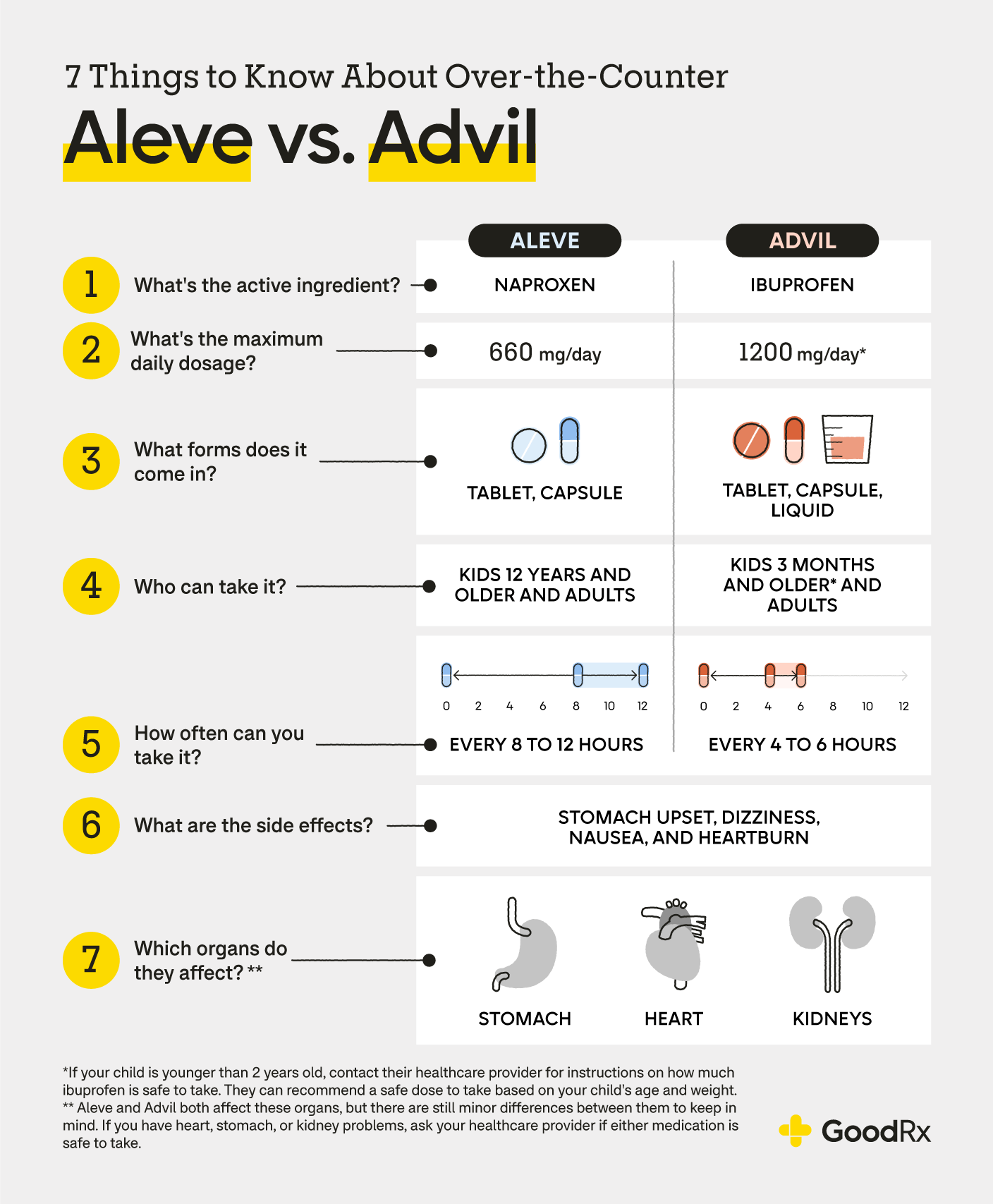
The Concept of Financial NSAIDs: Identifying Pain Points in Personal Finance
To understand which financial instrument is the “strongest,” we must first diagnose the type of pain we are trying to treat. In personal and corporate finance, “inflammation” manifests as the loss of purchasing power or the sharp sting of a market correction. Without a proper defensive strategy, these issues can lead to long-term financial impairment.
Market Volatility: The Chronic Inflammation of Investing
Volatility is the natural ebb and flow of the markets, but when it becomes excessive, it creates systemic stress. For an investor nearing retirement, a 20% dip in the S&P 500 isn’t just a statistic—it’s a painful reduction in their quality of life. The “strongest” remedy here isn’t necessarily the one that grows the fastest, but the one that provides the most reliable cushion during a fall.
Inflation: The Silent Erosion of Purchasing Power
If volatility is acute pain, inflation is the chronic, underlying condition that eats away at the “cartilage” of your savings. When the Consumer Price Index (CPI) rises, the real value of cash sitting in a standard bank account decreases. A financial NSAID must be strong enough to outpace this erosion while maintaining a level of liquidity that allows the investor to remain agile.
The “Strongest” Defensive Assets: Comparing High-Yield Instruments
When we rank the strength of defensive assets, we look at their “potency”—their ability to preserve capital—and their “duration”—how long they can sustain that protection. There is rarely a single “strongest” asset for everyone, but several heavy hitters dominate the landscape.
Treasury Inflation-Protected Securities (TIPS)
Often considered the “prescription strength” version of a government bond, TIPS are specifically designed to neutralize the pain of inflation. The principal of a TIPS investment increases with inflation and decreases with deflation, as measured by the CPI. When the bond matures, you are paid the adjusted principal or the original principal, whichever is greater. This makes it perhaps the most direct “anti-inflammatory” for a portfolio concerned with rising costs.
High-Yield Savings and Money Market Accounts
For immediate, over-the-counter relief, High-Yield Savings Accounts (HYSAs) and Money Market Funds are the primary choice. While they may not offer the massive growth of equities, their strength lies in their liquidity and the preservation of the nominal value. In a high-interest-rate environment, these “financial NSAIDs” become significantly more powerful, offering a risk-free return that can act as a bridge during periods of market instability.
The Role of Physical Gold and Commodities
Gold has historically been viewed as the “alternative medicine” of the financial world—sometimes controversial, but often effective in a crisis. As a non-correlated asset, gold doesn’t move in lockstep with the stock market. When fiat currencies feel the “fever” of over-printing or geopolitical instability, gold acts as a systemic buffer, holding its value when traditional paper assets are failing.

Strategic Diversification: The Multi-Symptom Relief Formula
Taking a single medication is rarely enough for complex conditions. Similarly, the strongest financial defense is never a single asset but a “dosage” of various instruments working in tandem. This is known as strategic diversification, the multi-symptom relief of the investing world.
Modern Portfolio Theory (MPT) and Risk Mitigation
Modern Portfolio Theory suggests that the “strength” of a portfolio isn’t found in the individual components, but in how those components interact. By combining assets that have low or negative correlations—such as stocks, bonds, and real estate—investors can achieve a higher “strength” of return for a lower “dosage” of risk. This creates a smoother ride, reducing the emotional pain that often leads to poor decision-making during market crashes.
Sector Rotation as a Tactical Response
In a changing economic climate, different sectors act as stronger “painkillers” than others. For example, during an inflationary spike, the energy and healthcare sectors often show more resilience than high-growth tech stocks. A strong financial strategy involves rotating capital into these “defensive” sectors when the economic indicators suggest that a period of “inflammation” is on the horizon.
Tax-Advantaged Accounts: The Long-Acting Relief
Taxation is often the largest recurring “expense” an investor faces. To find the strongest relief from this persistent drain on wealth, one must look toward tax-advantaged vehicles. These are the long-acting treatments that provide relief over decades rather than days.
Maximizing 401(k) and IRA Contributions
The 401(k) and the Individual Retirement Account (IRA) are the bedrock of financial health in the United States. By utilizing the “strength” of pre-tax contributions (in Traditional accounts) or tax-free growth (in Roth accounts), investors can significantly increase their net worth. The compounding effect of money that would have otherwise gone to the IRS is perhaps the most powerful “supplement” one can add to their financial regimen.
The Tax-Loss Harvesting Strategy
For those with taxable brokerage accounts, “tax-loss harvesting” is a potent technique to dull the pain of a losing investment. By selling a security that is at a loss, an investor can offset capital gains taxes on their winners. This “remedy” allows you to turn a market negative into a fiscal positive, effectively lowering your overall tax bill and keeping more capital working in your portfolio.
Building a Resilient Financial Infrastructure
Ultimately, the “strongest NSAID” is a proactive approach to financial health. Prevention is always more effective than a late-stage cure. By building a robust infrastructure, you ensure that your finances can handle the inevitable shocks of the global economy.
Emergency Funds: The First Line of Defense
No matter how strong your investment portfolio is, it can be compromised if you are forced to sell assets at a loss to cover a sudden expense. An emergency fund—ideally 3 to 6 months of living expenses—is the fundamental “first aid kit” of personal finance. It provides the psychological and practical strength to weather a job loss or medical emergency without “bleeding” your long-term investments.

Automation: Reducing the Friction of Financial Management
In the world of productivity and tech-enhanced finance, automation is the tool that ensures consistency. Human emotion is often the weakest link in a financial plan; we tend to panic when things get “painful.” By automating savings, debt payments, and rebalancing, you remove the friction of decision-making. Automation acts as a steady, time-released treatment that ensures your financial goals are met regardless of the “noise” in the daily news cycle.
In conclusion, while there is no single “strongest” asset that cures every financial ailment, the combination of TIPS for inflation, high-yield accounts for liquidity, and tax-advantaged structures for long-term growth creates a powerful defensive shield. By treating market volatility as a manageable form of economic inflammation, the savvy investor uses these “Financial NSAIDs” to maintain a healthy, thriving, and pain-free portfolio for the long haul.
aViewFromTheCave is a participant in the Amazon Services LLC Associates Program, an affiliate advertising program designed to provide a means for sites to earn advertising fees by advertising and linking to Amazon.com. Amazon, the Amazon logo, AmazonSupply, and the AmazonSupply logo are trademarks of Amazon.com, Inc. or its affiliates. As an Amazon Associate we earn affiliate commissions from qualifying purchases.