
In the world of personal finance and corporate wealth management, the term “scope of practice” serves as the vital boundary between professional expertise and legal liability. While often associated with the medical field, a scope of practice is equally critical in the financial sector. it dictates what a professional—whether a financial planner, an accountant, or an investment advisor—can and cannot do for their clients.
Understanding this scope is not merely a matter of professional etiquette; it is a fundamental safeguard for both the advisor and the investor. When a financial professional operates within their designated scope, they provide value backed by specific training and legal authorization. When they step outside it, they risk significant financial loss for the client and devastating legal consequences for themselves. This article explores the intricacies of the scope of practice within the “Money” niche, examining how these boundaries protect assets, ensure compliance, and shape the modern advisory landscape.

Understanding the Fundamentals of Scope of Practice in Finance
At its core, the scope of practice in the financial industry refers to the range of activities, services, and advice that a professional is authorized to perform based on their specific licenses, certifications, and local regulations. Unlike a “generalist” in some other fields, financial experts are often strictly partitioned into silos of expertise.
Legal vs. Professional Boundaries
The scope of practice is governed by two distinct layers: the legal layer and the professional/ethical layer. The legal layer is determined by government bodies and regulatory agencies. For instance, in the United States, the Securities and Exchange Commission (SEC) and the Financial Industry Regulatory Authority (FINRA) set strict rules on who can trade securities or provide specific investment advice.
The professional layer, on the other hand, is defined by self-regulatory organizations and credentialing bodies, such as the CFP Board for Certified Financial Planners. While a professional might legally be allowed to sell insurance, their professional scope of practice—determined by their fiduciary duty—might dictate that they only do so when it is in the absolute best interest of the client’s comprehensive financial plan.
The Role of Licensing and Certification
Licensing is the “gatekeeper” of the scope of practice. For example, a professional holding a Series 7 license is authorized to sell a broad range of securities, but they cannot provide specialized tax law advice unless they are also a qualified CPA or tax attorney. Similarly, an insurance agent may understand the mechanics of an annuity, but without the proper investment licenses, their scope of practice prohibits them from managing a client’s stock portfolio.
Certifications like the CFA (Chartered Financial Analyst) or the CPA (Certified Public Accountant) further refine these boundaries. A CPA’s scope focuses on tax compliance, auditing, and accounting, whereas a CFA’s scope is centered on high-level investment analysis and portfolio management. Knowing where one professional’s authority ends and another’s begins is the cornerstone of a successful financial strategy.
Why a Defined Scope of Practice Matters for Your Wealth
For the consumer, the scope of practice acts as a quality assurance mechanism. When you hire a professional to manage your money, you are essentially buying their specialized knowledge. If that professional drifts into areas where they lack formal training, the quality of advice suffers, and the risk to your capital increases.
Protecting the Client: Mitigating Conflicts of Interest
A well-defined scope of practice is one of the most effective tools for mitigating conflicts of interest. When an advisor understands their limitations, they are more likely to refer a client to a specialist for needs outside their purview. For example, a financial advisor who recognizes that estate planning is outside their scope will direct the client to an estate attorney. This ensures the client receives the highest caliber of advice in every niche of their financial life, rather than receiving “second-hand” advice from someone trying to do everything themselves.
Furthermore, transparency regarding scope helps clients understand what they are paying for. If an advisor claims to be a “one-stop shop” for everything from debt management to complex international tax law, a savvy investor should question whether that professional is overstepping their legitimate scope of practice.
Protecting the Professional: Managing Liability and E&O Insurance
From the professional’s perspective, staying within the scope of practice is a matter of business survival. Professional liability insurance, often called Errors and Omissions (E&O) insurance, is typically predicated on the professional operating within their licensed scope.
If a financial advisor provides specific legal advice regarding a trust and that advice leads to a massive tax penalty, the advisor’s insurance may refuse to cover the claim because “legal counsel” falls outside the scope of financial advisory services. By strictly adhering to their scope, professionals protect their practice from litigation and maintain the integrity of their professional reputation.
Navigating the “Gray Areas” of Financial Consulting
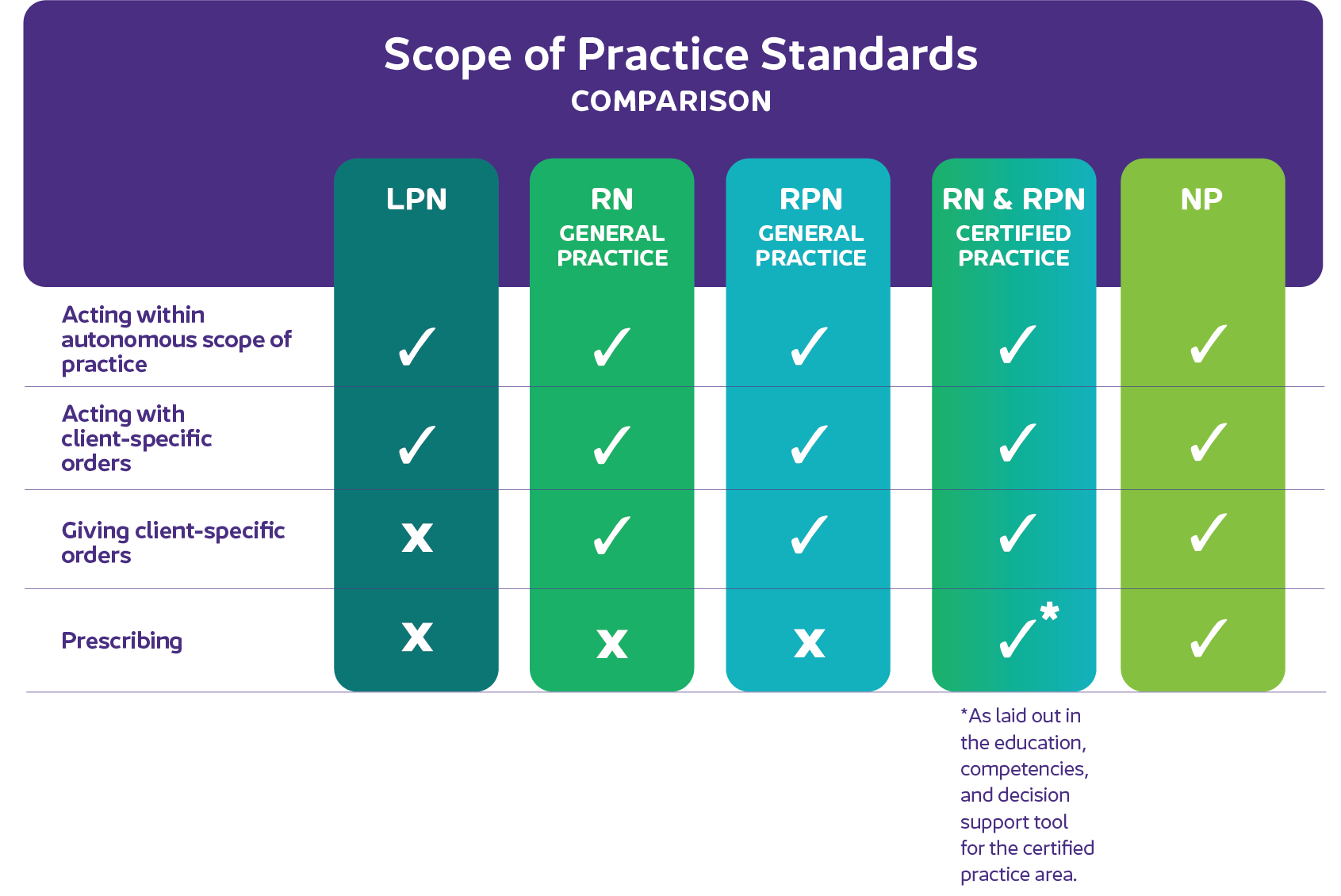
Despite the clear lines drawn by regulators, the financial world is full of “gray areas” where different disciplines overlap. Navigating these overlaps requires a high degree of professional ethics and a deep understanding of the definitions of “advice” versus “guidance.”
Tax Advice vs. Tax Planning
One of the most common gray areas is the distinction between tax planning and tax advice. Most financial planners include tax planning in their scope of practice. This involves looking at a client’s portfolio and suggesting strategies—like tax-loss harvesting or contributing to a 401(k)—that are generally known to reduce tax liability.
However, “tax advice” involves the interpretation of specific tax laws and the filing of legal tax documents. This is the domain of CPAs and tax attorneys. A financial advisor who tells a client exactly how to report a complex international business transaction on their Form 1040 is likely overstepping their scope. The professional standard is to provide the “planning” strategy and then collaborate with the client’s “tax advisor” to ensure legal compliance.
Legal Guidance vs. Financial Strategy
Similarly, the line between financial strategy and legal guidance is often blurred in estate planning. An advisor can discuss the financial benefits of a revocable living trust, such as avoiding probate or managing assets for heirs. However, the moment that advisor begins drafting the trust document or providing a legal interpretation of trust language, they have crossed into the unauthorized practice of law. High-level wealth management firms solve this by having “in-house” legal counsel or a network of external partners to ensure each piece of the puzzle is handled by the appropriate professional.
How to Evaluate Your Financial Professional’s Scope
As an investor or business owner, it is your responsibility to verify that your financial team is operating within their legitimate scope. This requires a proactive approach to due diligence.
Reviewing the Form ADV and Letter of Engagement
For investment advisors, the “Form ADV” is a critical document filed with the SEC or state regulators. It provides a detailed look at the firm’s business practices, fees, and, most importantly, the scope of their services. Reading this document allows you to see exactly what the firm is authorized to do.
Equally important is the “Letter of Engagement” or “Client Service Agreement.” This contract should clearly outline the scope of work. If the agreement says the professional will provide “investment consulting” but makes no mention of “tax preparation,” you should not expect them to handle your IRS filings. If they offer to do so anyway, it is a red flag that they are operating outside their documented scope.
Identifying “Scope Creep” in Advisory Relationships
“Scope creep” occurs when a professional relationship slowly expands into areas that were not originally agreed upon or licensed. In finance, this can be dangerous. It often happens when a client trusts their advisor deeply and starts asking for advice on everything from buying a home to choosing a health insurance plan.
While a good advisor wants to be helpful, a professional advisor will know when to say, “That is outside my scope of practice, but I can help you find a specialist who can answer that.” If your advisor never says those words, they may be putting your financial health at risk by providing uninformed or unauthorized guidance.
The Future of Scope: AI and the Digital Shift in Financial Advice
As technology transforms the “Money” sector, the definition of scope of practice is undergoing a radical evolution. The rise of Artificial Intelligence (AI) and robo-advisors is challenging traditional notions of who—or what—can provide financial advice.
Robo-Advisors and the Automation of Scope
Robo-advisors operate on a very narrow, algorithmic scope of practice. They are excellent at portfolio rebalancing and tax-loss harvesting but are currently incapable of handling the nuanced, holistic scope of a human planner—such as navigating the emotional complexities of a family inheritance. The challenge for regulators is defining the “scope” of a machine. If an algorithm provides flawed advice, does the liability fall on the software developer, the firm, or the user who accepted the terms and conditions?

Regulatory Evolution in a Borderless Digital Economy
Finally, the digital economy is pushing the scope of practice into international waters. A financial professional in London can now easily provide advice to a client in New York via the cloud. However, the scope of practice is often tied to local jurisdictions. We are seeing a shift toward more globalized standards of financial practice, but for now, professionals must be hyper-aware of how their scope changes the moment they cross a digital border.
In conclusion, the scope of practice is the “integrity check” of the financial world. It ensures that when you seek advice on your money, you are receiving it from someone with the appropriate training, legal authority, and ethical standing. For professionals, it is the guardrail that prevents ruinous liability. For clients, it is the assurance that their wealth is being managed by a team of specialists, each excelling within their own defined boundaries. Understanding these boundaries is not just a technicality—it is the foundation of sound financial health.
aViewFromTheCave is a participant in the Amazon Services LLC Associates Program, an affiliate advertising program designed to provide a means for sites to earn advertising fees by advertising and linking to Amazon.com. Amazon, the Amazon logo, AmazonSupply, and the AmazonSupply logo are trademarks of Amazon.com, Inc. or its affiliates. As an Amazon Associate we earn affiliate commissions from qualifying purchases.