
In the contemporary landscape of digital health, the terminology once reserved for cardiologists and clinical settings has migrated to our wrists. We live in an era where high-performance sensors are embedded in our smartwatches, rings, and even our clothing. Among the most critical metrics these devices track is the “Normal Sinus Rhythm” (NSR). While the term sounds clinical, in the tech world, it represents the gold standard of biometric calibration and the primary benchmark for health-tech algorithms.
Understanding what a normal sinus rhythm is—and how modern technology interprets it—is essential for anyone navigating the intersection of software, hardware, and personal wellness. As we move deeper into the decade of the “Quantified Self,” the ability of consumer electronics to accurately identify this rhythm is a testament to the massive leaps in signal processing and artificial intelligence.
The Engineering Behind the Beat: How Wearables Detect Sinus Rhythm
To understand how a gadget identifies a normal sinus rhythm, we must first look at the hardware. For decades, detecting heart rhythms required a bulky 12-lead ECG machine in a hospital. Today, the same principles are applied through miniaturized sensors that fit within the chassis of a consumer wearable.
Photoplethysmography (PPG) vs. Electrocardiogram (ECG) Sensors
Most wearables use two distinct technologies to monitor your rhythm. The first is Photoplethysmography (PPG), which uses green LED lights to measure blood flow at the wrist. While PPG is excellent for tracking heart rate during exercise, it is often too “noisy” to confirm a true sinus rhythm.
The second, more advanced tech is the Lead-I ECG. Devices like the Apple Watch, Samsung Galaxy Watch, and various specialized straps allow users to create a closed circuit by touching a specific point on the device (like the digital crown). This captures the actual electrical impulses of the heart. From a tech perspective, this is a feat of signal-to-noise ratio management, filtering out the electrical interference of the human body to find the pure cardiac signal.
The Role of AI and Machine Learning in Waveform Analysis
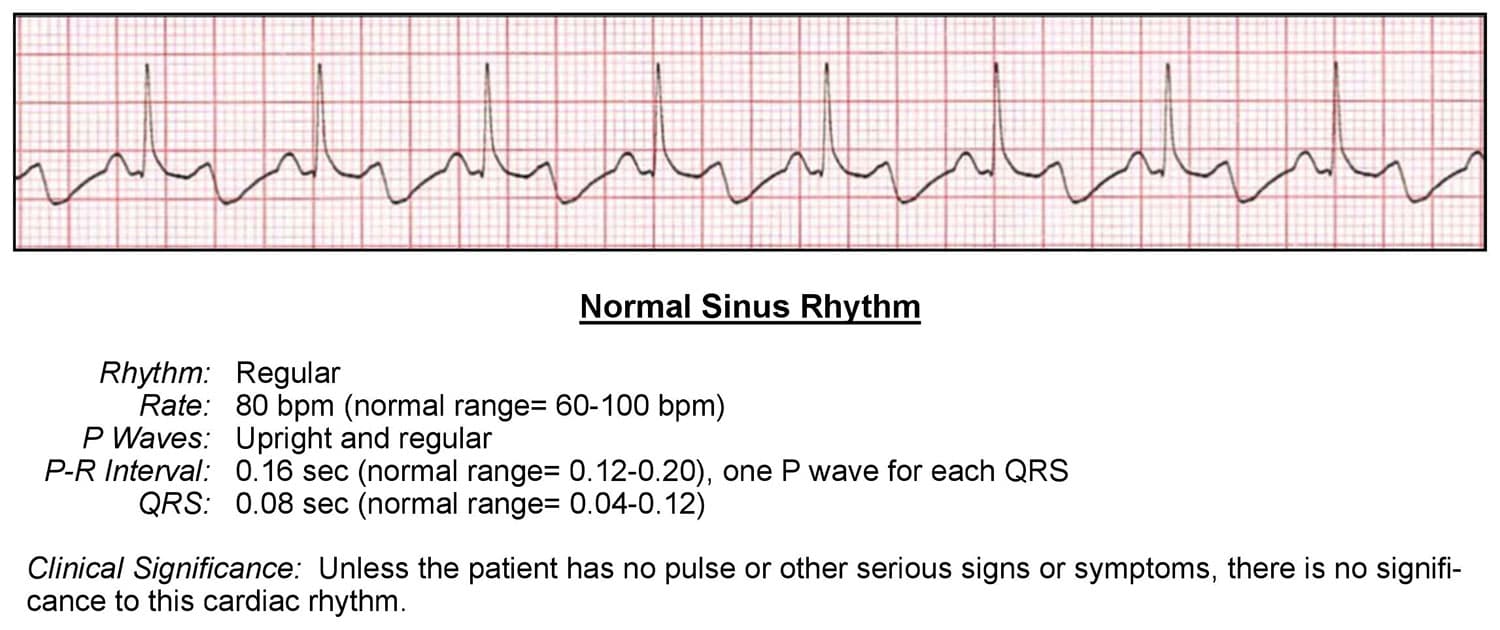
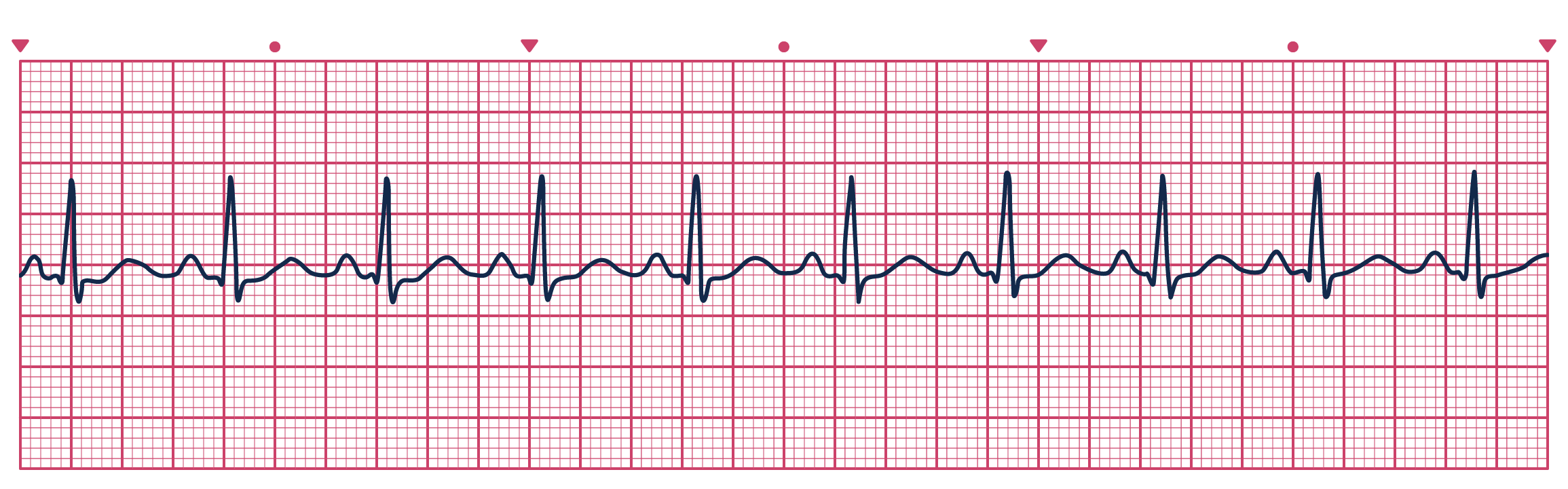
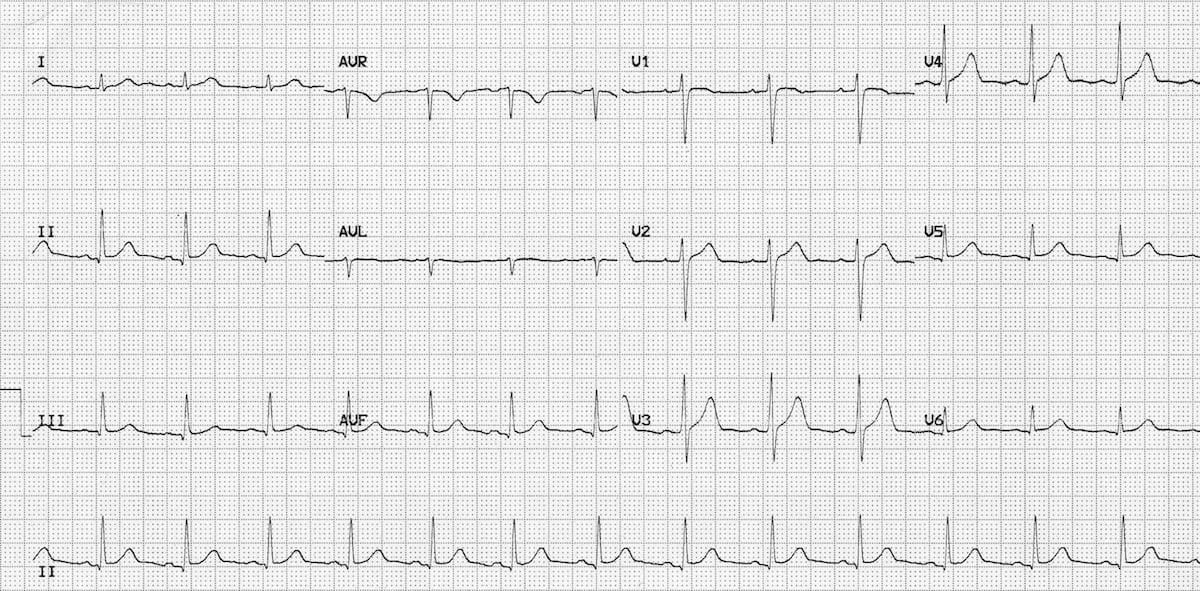
Once the raw electrical data is captured, the software takes over. A “Normal Sinus Rhythm” is characterized by a specific sequence of electrical events: the P-wave (atrial depolarization), the QRS complex (ventricular depolarization), and the T-wave (ventricular repolarization).
Software developers use deep learning models trained on millions of clinical ECG strips to recognize these patterns. When you take an ECG on a smartwatch, the on-device AI analyzes the distance between the peaks (R-R intervals) and the presence of the P-wave. If the rhythm is regular and the P-wave is present before every QRS complex, the algorithm classifies it as Normal Sinus Rhythm. This is a classic example of edge computing, where complex data processing happens locally on the device rather than in the cloud to ensure speed and privacy.
Beyond the Basics: What “Normal” Means in the Digital Health Ecosystem
In the tech niche, “Normal” isn’t just a medical status; it’s a baseline for data integrity. For health apps and data platforms, establishing a user’s normal sinus rhythm is the prerequisite for detecting anomalies like Atrial Fibrillation (AFib) or bradycardia.
Defining Normal Sinus Rhythm Through Data Points
From a data perspective, NSR is defined by a heart rate typically between 60 and 100 beats per minute (BPM) while at rest, originating from the sinoatrial (SA) node. However, tech companies are increasingly moving toward “personalized normals.”
Through long-term data collection, AI tools can determine that a specific user’s normal sinus rhythm might naturally sit at 55 BPM (common in athletes) or 85 BPM. By establishing this baseline, the software can ignore “false positives” that might otherwise trigger an alert in a generic medical model. This personalization is where software-as-a-medical-device (SaMD) truly shines, moving away from one-size-fits-all metrics.
The Importance of Baseline Metrics and Personalized Tech Thresholds
The “Normal Sinus Rhythm” serves as the control group in the experiment of your daily life. Modern health stacks—such as Apple Health, Google Fit, or Garmin Connect—use this rhythm to calibrate other metrics. For instance, Heart Rate Variability (HRV), a key indicator of recovery and stress, is calculated by measuring the microscopic variations between beats during a normal sinus rhythm. If the rhythm is not “normal” (i.e., it’s arrhythmic), the HRV data becomes statistically insignificant. Therefore, the tech’s ability to confirm NSR is the foundation upon which all other recovery metrics are built.
The Tech Revolution: From Hospital Monitors to Consumer Gadgets
The transition of sinus rhythm monitoring from the clinic to the consumer’s hand represents one of the most significant shifts in medical technology history. This shift was driven by breakthroughs in semiconductor efficiency and the miniaturization of electrodes.
The Evolution of Lead-I ECG Technology
In the past, capturing an ECG required conductive gel and multiple sticky electrodes. The engineering challenge for tech companies was to create “dry electrodes” that could function through skin contact alone. This required developing advanced materials, such as titanium or stainless steel alloys, that can detect micro-volts of electricity from a finger-press.
Furthermore, the firmware must account for “motion artifacts”—the interference caused by a user moving their arm or shivering. Advanced digital signal processing (DSP) filters out these artifacts in real-time, allowing the software to see the underlying sinus rhythm clearly.
Software Integration: How Apps Interpret Complex Cardiac Data
Capturing the data is only half the battle; the other half is UX/UI design. A normal sinus rhythm report needs to be actionable and understandable for a non-medical user. Tech companies have invested heavily in “human-centered design” to translate a complex wave graph into a simple “Normal Sinus Rhythm” or “Inconclusive” notification.
This integration extends to the cloud. When a device detects a consistent normal sinus rhythm, it syncs that data to a secure server, allowing for longitudinal health tracking. This allows users to see how their rhythm changes over months or years, providing a “big data” view of their cardiovascular health that was previously impossible without frequent doctor visits.
Data Privacy and the Ethics of Continuous Cardiac Monitoring
As we empower our devices to tell us whether we are in a normal sinus rhythm, we open up a complex conversation regarding digital security and the ethics of biometric data.
Protecting Biometric Data in the Cloud
The data indicating a normal sinus rhythm is highly sensitive. Under regulations like HIPAA in the United States and GDPR in Europe, this information is classified as Protected Health Information (PHI). For tech companies, this means implementing end-to-end encryption. When your watch tells you that you are in NSR, that packet of data is often encrypted on the device before it ever hits the Bluetooth or Wi-Fi connection.
The tech industry is currently grappling with how to balance data utility with privacy. While researchers want access to millions of “Normal Sinus Rhythm” data points to better train AI for detecting heart disease, the individual’s right to biometric privacy remains paramount.
The Challenges of “False Positives” and Algorithmic Bias
No algorithm is perfect. A significant tech challenge in this niche is the “false positive” or “inconclusive” result. If a user has a high degree of Heart Rate Variability or a benign arrhythmia, the software might fail to recognize a normal sinus rhythm.
Furthermore, there is an ongoing discussion about algorithmic bias. If the training data for these AI models primarily comes from a specific demographic, the tech might be less accurate at identifying a normal sinus rhythm in different ethnicities or age groups. Developers are currently working on diversifying datasets to ensure that the “normal” in Normal Sinus Rhythm is inclusive of all human physiological variations.
The Future of Preventive Tech: Predicting Rhythms Before They Shift
The ultimate goal of health technology isn’t just to tell you that you are currently in a normal sinus rhythm, but to predict when you might fall out of it. We are moving from reactive monitoring to predictive analytics.
Predictive Analytics and Long-term Heart Health
Using machine learning, the next generation of health tech will look at the subtle “jitter” in a normal sinus rhythm to predict the onset of conditions like hypertension or chronic stress. By analyzing the morphology of the waves over time, software might soon be able to alert a user that while they are currently in a normal rhythm, their “trend line” suggests a potential cardiovascular event in the future.
Integrating Wearable Data into Professional Medical Workflows
The “rhythm” of the future involves a seamless tech loop between the patient and the provider. Tech giants are currently building APIs that allow the “Normal Sinus Rhythm” data from your watch to flow directly into Electronic Health Records (EHR) used by hospitals.
This creates a digital bridge where a doctor can see a year’s worth of normal sinus rhythm data during a five-minute consultation. It transforms the patient-doctor relationship from a snapshot (the office visit) to a high-definition movie (the continuous data stream). As the reliability of these consumer sensors approaches 99% accuracy, the line between “gadget” and “medical tool” continues to blur, solidifying the role of tech as the primary guardian of our heart’s natural rhythm.
aViewFromTheCave is a participant in the Amazon Services LLC Associates Program, an affiliate advertising program designed to provide a means for sites to earn advertising fees by advertising and linking to Amazon.com. Amazon, the Amazon logo, AmazonSupply, and the AmazonSupply logo are trademarks of Amazon.com, Inc. or its affiliates. As an Amazon Associate we earn affiliate commissions from qualifying purchases.