
The white blood cell (WBC) count has long been a cornerstone of clinical diagnostics, serving as a primary indicator of the body’s immune response. However, the question “what is the normal range of WBC” is no longer answered simply by a static number on a piece of paper. In the modern era, the “normal range” is a dynamic data point shaped by sophisticated hardware, cloud-based analytics, and artificial intelligence. The technology driving these measurements is undergoing a massive transformation, moving from manual laboratory observation to high-throughput automated systems and wearable tech.
As we delve into the technological infrastructure of hematology, we see how software and digital tools have taken the guesswork out of cellular analysis. Understanding the normal range of WBC today requires a deep dive into the technology that captures, analyzes, and secures this vital biological data.
The Digital Transformation of Hematology: Automated Analysis
For decades, determining a WBC count involved a technician looking through a microscope and manually counting cells on a grid. This method was not only time-consuming but prone to significant human error. Today, the tech industry has revolutionized this process through Automated Hematology Analyzers. These machines are marvels of engineering, combining fluidics, optics, and complex software to provide results in seconds.
From Manual Counting to High-Throughput Flow Cytometry
The core technology behind modern WBC measurement is flow cytometry. This process involves suspending cells in a stream of fluid and passing them through a laser beam. As each cell passes through the light, it scatters the beam in specific ways. High-speed sensors capture this light scatter, and proprietary software algorithms interpret the data to determine the size, granularity, and type of cell.
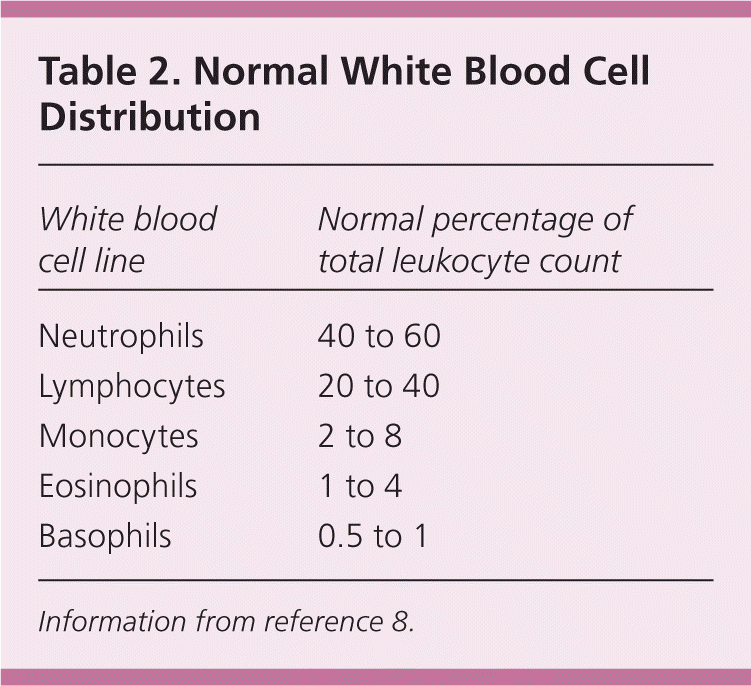
In a tech-driven lab, these analyzers can process hundreds of samples per hour. The “normal range” (typically 4,500 to 11,000 cells per microliter) is calculated using massive datasets that have been digitized and normalized across various populations. This high-throughput capability is made possible by advanced micro-processors and real-time data processing units integrated into the hardware.
Digital Imaging and Computer Vision
Beyond flow cytometry, the latest trend in hematology tech is Digital Morphology. Instead of a human eye, high-resolution cameras capture thousands of images of blood cells. Computer Vision (CV) algorithms then analyze these images. These AI-driven tools are trained on millions of labeled images to recognize the subtle differences between a healthy leukocyte and a malignant one. By using edge-detection and pattern recognition, the software can flag anomalies that fall outside the normal range of WBC with a degree of precision that far exceeds manual review.
AI and Machine Learning in Diagnostic Interpretations
The value of knowing one’s WBC range is only as good as the interpretation of that data. This is where Artificial Intelligence (AI) and Machine Learning (ML) are making their biggest impact. It is no longer just about the count; it is about the “why” and the “what next.”
Predictive Analytics for WBC Anomalies
Machine learning models are now being used to predict shifts in WBC ranges before they even occur. By analyzing historical health data from Electronic Health Records (EHRs), AI can identify trends. For instance, if a patient’s WBC count is technically within the “normal range” but has been steadily rising over three consecutive tests, an ML algorithm can flag this as a potential inflammatory response.
This shift from reactive to proactive monitoring is a direct result of data science. These algorithms utilize regression models and neural networks to understand the nuances of a “normal” range for a specific individual, rather than relying on a generic population average. This personalization represents the frontier of Precision Medicine.
Reducing Human Error through Algorithm-Based Recognition
Even in the most advanced labs, “flags” occur when a machine finds something it cannot categorize. Traditionally, this required a manual “diff” (differential) by a pathologist. However, modern Software as a Medical Device (SaMD) is reducing this need. AI tools like “decision support systems” provide pathologists with a probability score for different cell types. These tools integrate directly with the laboratory information system (LIS), streamlining the workflow and ensuring that the reported normal range of WBC is backed by a double layer of technological verification.
Consumer Health Tech: Monitoring WBC from Home

We are currently witnessing a democratization of laboratory technology. What was once confined to a multi-million dollar hospital lab is now moving toward the consumer’s home. The “Quantified Self” movement has spurred the development of gadgets and apps designed to track immune health with unprecedented frequency.
The Rise of Portable Diagnostic Devices
Several tech startups are developing “Lab-on-a-Chip” (LoC) technology. These are small, portable devices that use microfluidics to analyze a single drop of blood. By connecting to a smartphone via Bluetooth, these devices can provide a WBC count in minutes. The technology utilizes miniaturized versions of the optical sensors found in large-scale analyzers.
For patients with chronic conditions or those undergoing treatments like chemotherapy, where monitoring the normal range of WBC is critical, these gadgets are life-changing. They bridge the gap between periodic hospital visits and continuous health monitoring, providing a real-time digital feed of one’s immune status.
Interfacing with Digital Health Platforms and Apps
The data generated by these portable devices doesn’t exist in a vacuum. It is integrated into broader digital health ecosystems like Apple HealthKit or Google Fit. Through APIs (Application Programming Interfaces), this data can be shared directly with a physician’s dashboard.
The tech challenge here lies in data normalization. Different devices may use different sensing technologies, and ensuring that a “normal range” on a home device matches the “normal range” of a clinical-grade analyzer is a major focus for software developers in the med-tech space. This requires robust calibration software and cloud-based synchronization to ensure accuracy and reliability.
Data Security and Privacy in Diagnostic Testing
As health data moves from local lab servers to the cloud and consumer apps, the “Tech” focus must include digital security. A person’s WBC count and the associated “normal range” are highly sensitive pieces of Personal Health Information (PHI). Protecting this data from breaches is a paramount concern for developers and IT professionals in the healthcare sector.
Protecting Sensitive Biological Data
Digital security in hematology involves multi-layered encryption both at rest and in transit. When an automated analyzer sends a WBC report to a doctor’s tablet, that data must be protected using HIPAA-compliant protocols (in the US) or GDPR standards (in Europe).
Cybersecurity tools like End-to-End Encryption (E2EE) and Secure File Transfer Protocols (SFTP) are standard in the industry. Moreover, as AI models require large datasets to learn what a “normal range” looks like, “Federated Learning” has emerged as a key tech solution. This allows AI models to learn from decentralized data without ever actually seeing the raw, private information of the patients, thus maintaining privacy while advancing diagnostic technology.
Blockchain and the Future of Medical Record Interoperability
One of the biggest hurdles in medical tech is “interoperability”—the ability of different software systems to talk to each other. If a patient gets a WBC test at a private clinic, how does that data securely reach their primary care physician and their home health app?
Blockchain technology is being explored as a solution for this. By creating a decentralized, immutable ledger of health data, a patient can “own” their WBC results. They can grant temporary access to different providers through “smart contracts.” This ensures that the history of their WBC ranges is consistent, secure, and accessible across the entire digital health landscape.

The Future: Software-Defined Biological Monitoring
As we look toward the future, the concept of the “normal range of WBC” will become even more integrated with technology. We are moving toward a world of “software-defined biology,” where our cellular health is monitored by ambient sensors and analyzed by pervasive AI.
The convergence of 5G connectivity, advanced edge computing, and sophisticated biosensors means that “normal” will no longer be a static bracket. It will be a personalized, data-rich profile. The tech stack—from the fluidics in the analyzer to the encryption in the cloud—is what makes this possible. For the tech professional, the WBC count is more than a medical metric; it is a complex data stream that represents the next great frontier in digital health innovation. By continuing to refine these tools, we are not just measuring health; we are building a more resilient, data-informed future for humanity.
aViewFromTheCave is a participant in the Amazon Services LLC Associates Program, an affiliate advertising program designed to provide a means for sites to earn advertising fees by advertising and linking to Amazon.com. Amazon, the Amazon logo, AmazonSupply, and the AmazonSupply logo are trademarks of Amazon.com, Inc. or its affiliates. As an Amazon Associate we earn affiliate commissions from qualifying purchases.