
Navigating the financial landscape of New York City requires more than just an understanding of high rents and the cost of a subway ride. For residents, business owners, and investors alike, the New York City sales tax represents a significant factor in daily cash flow and long-term financial planning. As one of the highest combined sales tax rates in the United States, the total percentage paid at the register is a composite of state, local, and regional levies.
Understanding how this tax is structured, what it applies to, and how to legally minimize its impact is essential for anyone looking to master their personal or business finances within the five boroughs. This guide provides a deep dive into the mechanics of NYC sales tax, the specific exemptions that can save you money, and the compliance requirements for those generating income within the city.
The Anatomy of the 8.875% Rate: Breaking Down the Numbers
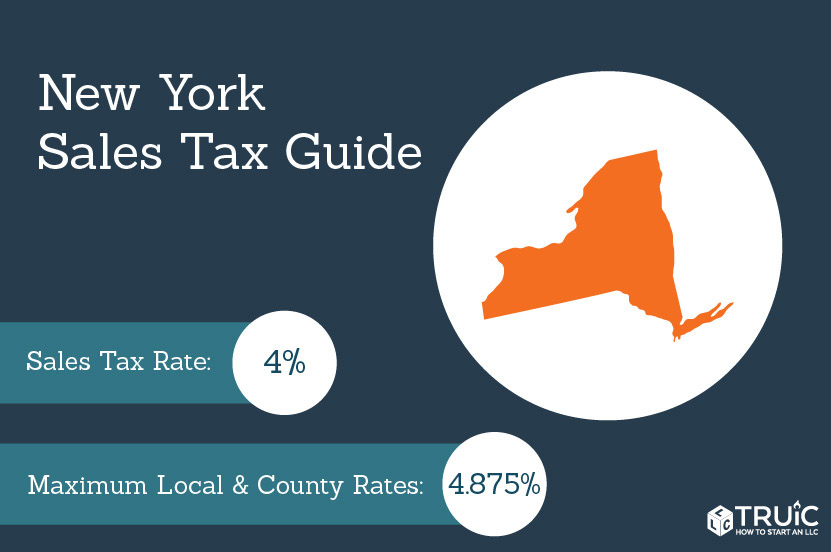
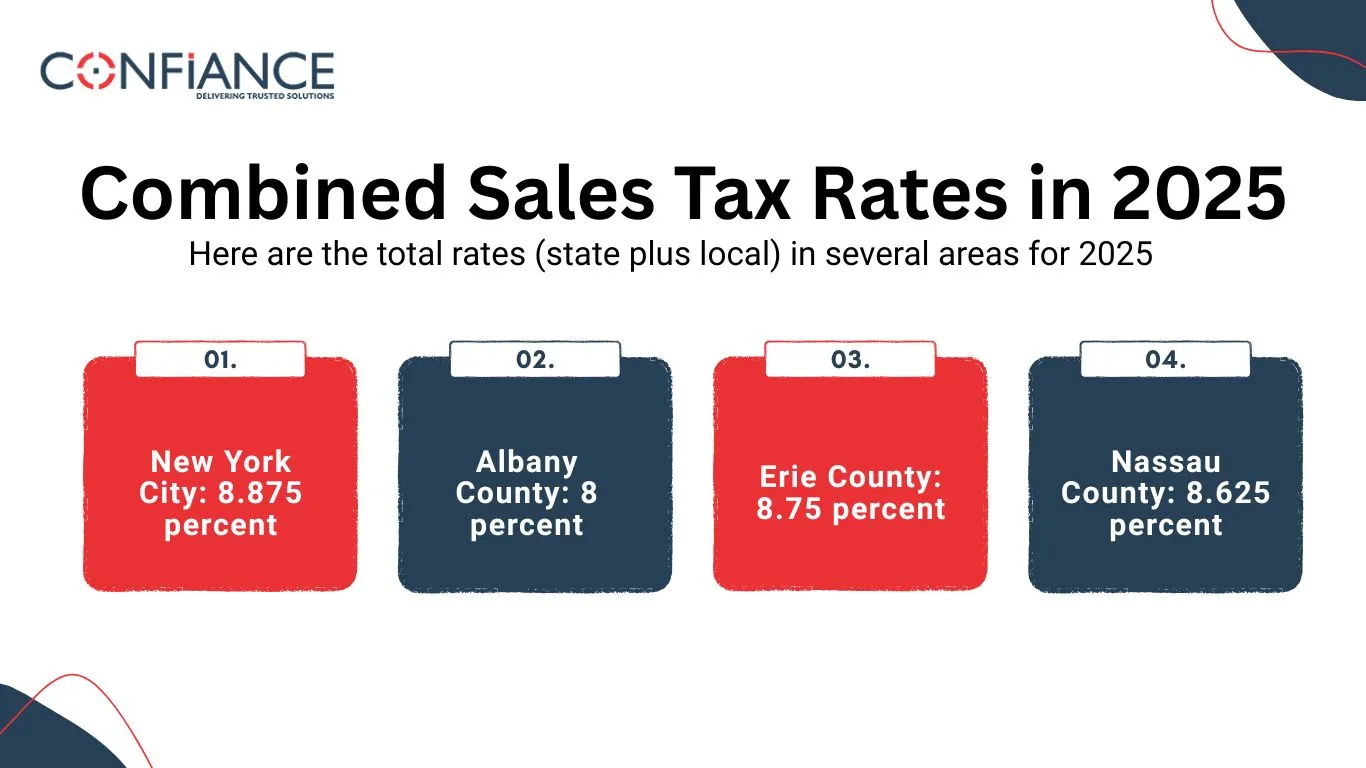
When you make a taxable purchase in New York City, you are not paying a single, unified tax. Instead, you are paying three distinct levies that are bundled together at the point of sale. Currently, the total combined sales and use tax rate in New York City is 8.875%. To manage your finances effectively, it is vital to understand where each penny of that nearly 9% goes.
The New York State Contribution
The foundation of the sales tax is the New York State component. New York State imposes a baseline sales tax of 4.0% on all taxable goods and services sold within its borders. This revenue flows directly to the state treasury in Albany and is used to fund statewide initiatives, including healthcare programs, state infrastructure, and higher education through the SUNY and CUNY systems. This 4% remains constant across the state, though local jurisdictions have the right to add their own layers on top.
The New York City Local Share
On top of the state’s 4.0%, New York City adds its own local sales tax of 4.5%. This is the portion that specifically funds the municipal operations of the city’s five boroughs. From the NYPD and FDNY to the maintenance of public parks and local sanitation services, this 4.5% is a critical revenue stream for the city’s massive annual budget. For business owners, this local share is a reminder of the “cost of doing business” in one of the world’s most lucrative markets.
The MCTD Surcharge Explained
The final piece of the 8.875% puzzle is the Metropolitan Commuter Transportation District (MCTD) tax. This is a surcharge of 0.375% applied to the MCTD region, which includes New York City and several surrounding counties such as Westchester, Rockland, and Long Island. This specific fraction of a percent is dedicated to funding the Metropolitan Transportation Authority (MTA). Every time a consumer pays sales tax in NYC, they are directly subsidizing the subway, bus, and commuter rail systems that keep the city’s economy moving.
Exemptions and Thresholds: Navigating the Tax-Free Limits
One of the most complex yet rewarding aspects of the New York City tax code is the list of exemptions. For the savvy consumer or the budget-conscious household, knowing what is not taxed can lead to significant annual savings. These exemptions are designed to provide relief on essential goods and to encourage specific types of local commerce.
The Clothing and Footwear Rule
Perhaps the most famous exemption in New York City is the one applied to clothing and footwear. In NYC, any single item of clothing or footwear sold for less than $110 is exempt from the 4.0% state tax, the 4.5% city tax, and the 0.375% MCTD tax. Essentially, if the item is under $110, you pay 0% sales tax.
However, there is a financial nuance to watch for: this threshold is applied on a per-item basis. If you buy five pairs of jeans that each cost $100, the total bill is $500, but the tax remains $0 because no single item exceeded the $110 limit. Conversely, if you buy one designer jacket for $115, the entire $115 is subject to the full 8.875% tax. For those managing a personal budget, splitting purchases or shopping during sales to bring items under that $110 mark is a highly effective way to increase purchasing power.
Essential Goods vs. Taxable Luxuries
New York law distinguishes between “necessities” and “luxuries,” though the definitions can sometimes be surprising. Most “unprepared” grocery food items (such as milk, produce, and flour) are exempt from sales tax. However, “prepared” foods—such as a sandwich from a deli or a meal at a restaurant—are fully taxable at the 8.875% rate.
Additionally, most prescription medications and over-the-counter drugs are exempt from sales tax, as are medical equipment and certain feminine hygiene products. In contrast, “beautician services” (like haircuts or manicures) in New York City are subject to the 4.5% NYC local tax but are often exempt from the 4% state tax, leading to a different effective rate at the salon than at the electronics store. Keeping track of these variations is a fundamental part of sophisticated financial planning for city residents.
Business Finance and Compliance for NYC Entities
For entrepreneurs and business owners, sales tax is not just a cost—it is a fiduciary responsibility. In the eyes of the law, a business acts as a trustee for the state and city, collecting tax from customers and holding it in trust until it is remitted to the Department of Taxation and Finance. Failure to handle this correctly can lead to personal liability for the business owners.
Sales Tax Nexus and Remote Sellers
In the modern economy, you don’t necessarily need a physical storefront in Manhattan to be responsible for NYC sales tax. Following the Supreme Court’s Wayfair decision, New York enforces “economic nexus” laws. If a business makes more than $500,000 in sales and has more than 100 transactions in New York State in the previous four quarters, they are required to collect and remit sales tax. This is a crucial consideration for online income earners and e-commerce side hustles. If your brand grows to a certain scale, your financial systems must be prepared to calculate and withhold the specific 8.875% for your NYC-based customers.
The Burden of Collection and Remittance
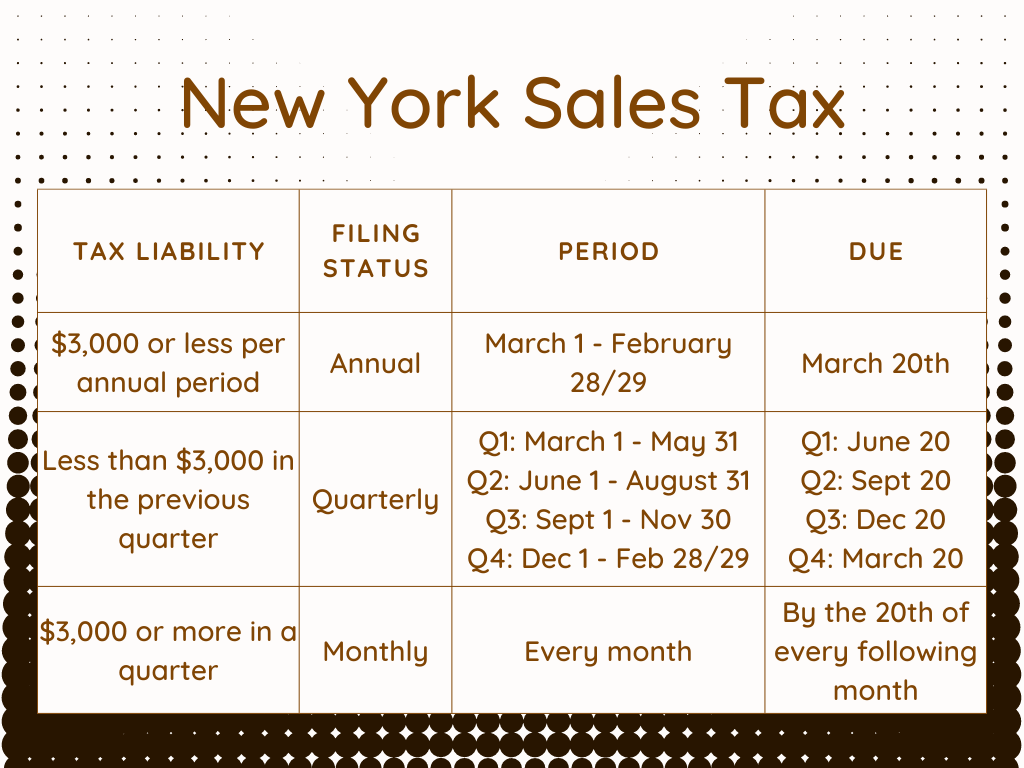
Managing the cash flow of a business requires a clear separation between “gross receipts” and “actual revenue.” A common mistake made by new business owners is treating the collected sales tax as part of their operating capital. Because New York requires quarterly or even monthly filings (depending on the volume of sales), those funds must remain liquid.
Modern financial tools and accounting software are essential for NYC businesses to automate these calculations. These tools can distinguish between taxable and non-taxable items, apply the correct local rates based on the “point of delivery,” and generate the necessary reports for the New York State Department of Taxation and Finance (Form ST-100). For a business, a sales tax audit can be a grueling and expensive process; maintaining meticulous records is the best defense.
Managing Your Personal Finances in a High-Tax Environment
High sales tax rates essentially function as a consumption tax that reduces your effective disposable income. To maintain a healthy financial trajectory while living or working in NYC, individuals must incorporate the 8.875% reality into their savings and spending strategies.
Strategic Purchasing and Timing
For major capital expenditures—such as high-end electronics, furniture, or professional equipment—the sales tax can add hundreds or even thousands of dollars to the price tag. Savvy spenders often look at the “total cost of ownership” rather than just the sticker price. In some cases, purchasing items for delivery to a jurisdiction with a lower sales tax rate (if you have a secondary residence or a business location elsewhere) can be a legal way to reduce costs, provided you remain compliant with “use tax” laws.
Furthermore, residents often take advantage of “tax holidays” or specific promotional periods. While New York State does not hold frequent broad sales tax holidays like some other states, the permanent $110 exemption on clothing acts as a perpetual tax holiday for middle-income earners and families, provided they shop strategically.
Use Tax Obligations for New Yorkers
A commonly overlooked aspect of personal finance is the “Use Tax.” If you purchase a taxable item outside of New York State (for example, while traveling or from an online retailer that doesn’t collect NYC tax) and bring it back to the city for use, you are technically required to pay a “Use Tax” at the same 8.875% rate.
This is typically reported on your annual New York State personal income tax return (Form IT-201). While many individuals overlook this, the state has become increasingly aggressive in identifying large, untaxed purchases through customs records and credit card data. From a risk management perspective, ensuring that you have accounted for use tax on major out-of-state purchases is a prudent financial move to avoid future penalties and interest.
The Impact on Investment and Wealth Building
Ultimately, the NYC sales tax is a reminder of the importance of tax-advantaged investing. Because so much of a New Yorker’s income is eroded by consumption taxes and high local income taxes, utilizing vehicles like 401(k)s, IRAs, and HSAs becomes even more critical. By reducing your taxable income through these contributions, you can offset some of the high costs associated with living in a high-sales-tax jurisdiction. In the world of finance, it’s not about how much you make, but how much you keep—and understanding the 8.875% NYC sales tax is a vital step in keeping more of your hard-earned money.
aViewFromTheCave is a participant in the Amazon Services LLC Associates Program, an affiliate advertising program designed to provide a means for sites to earn advertising fees by advertising and linking to Amazon.com. Amazon, the Amazon logo, AmazonSupply, and the AmazonSupply logo are trademarks of Amazon.com, Inc. or its affiliates. As an Amazon Associate we earn affiliate commissions from qualifying purchases.