
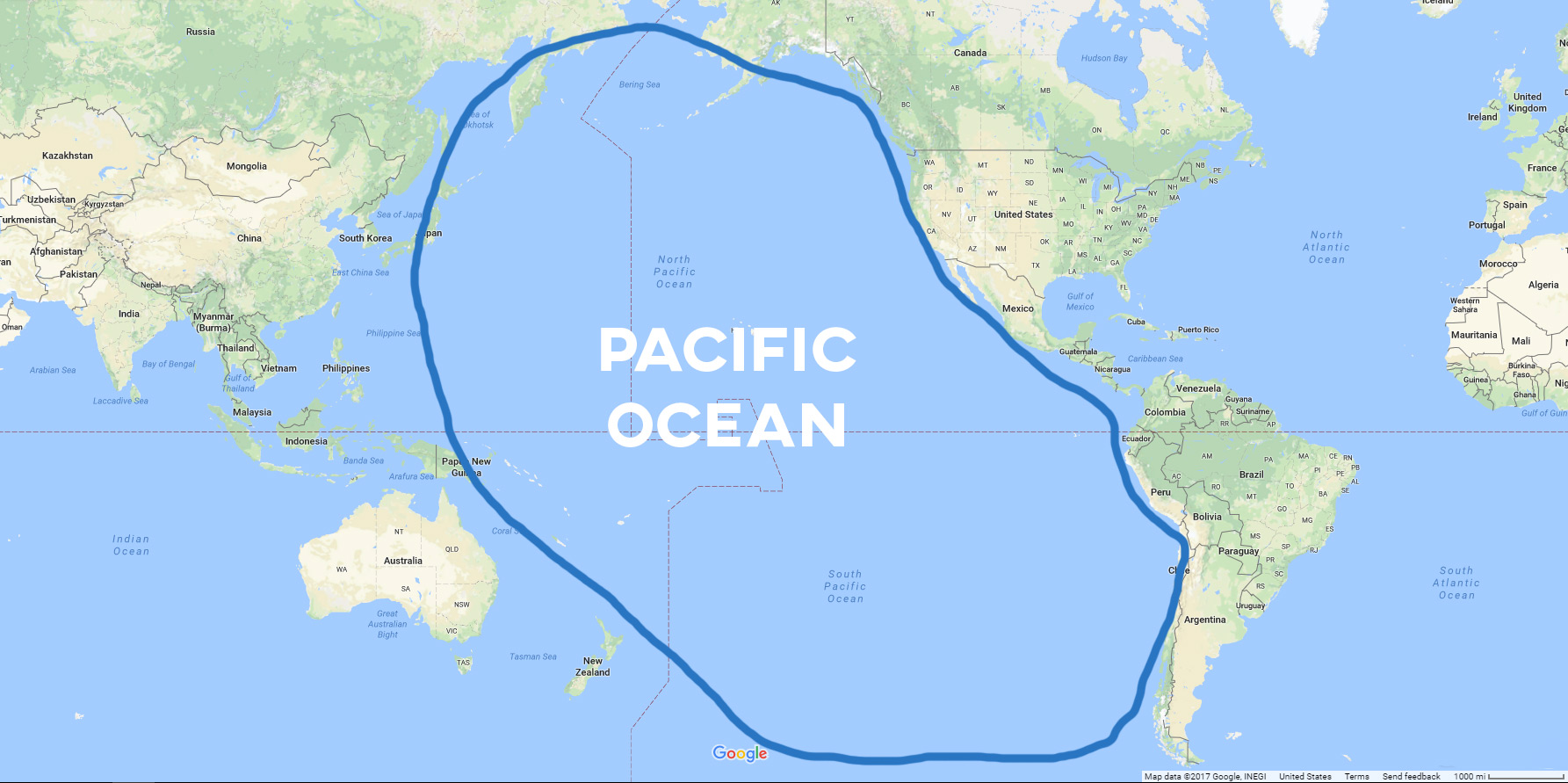
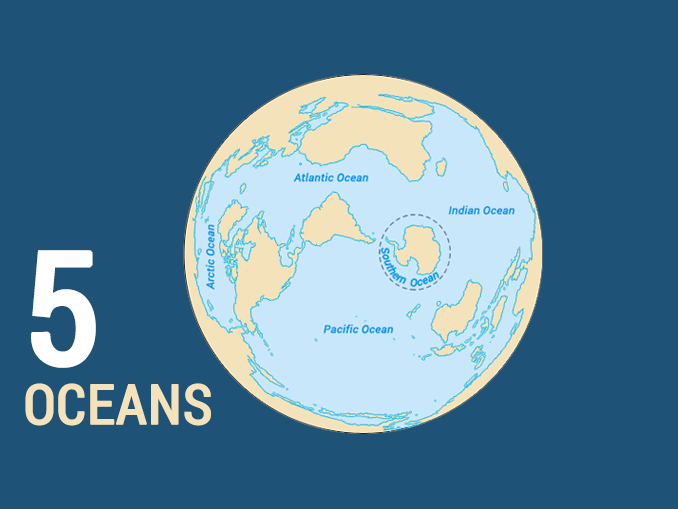
To answer the fundamental question: the name of the biggest ocean on Earth is the Pacific Ocean. Spanning more than 60 million square miles and covering more than 30% of the Earth’s surface, it is a vast, deep, and awe-inspiring entity. In the world of brand strategy, the Pacific Ocean serves as more than just a geographic fact; it is a powerful metaphor for market dominance, “Blue Ocean” positioning, and the sheer scale required to build a legacy that spans the globe.
In a modern marketplace saturated with noise, brands often find themselves fighting in “Red Oceans”—crowded spaces where profit margins are thin and competition is cutthroat. To achieve the scale of the Pacific, a brand must transition from competing in existing spaces to creating entirely new ones. This article explores how brand strategy, corporate identity, and market positioning can take inspiration from the characteristics of the world’s largest ocean to build enduring, dominant, and expansive brand ecosystems.
The Blue Ocean Framework: Escaping the Red Sea of Competition
The concept of the “Blue Ocean Strategy,” popularized by W. Chan Kim and Renée Mauborgne, is perhaps the most direct link between the vastness of the Pacific and brand success. This strategy encourages companies to stop competing with rivals and instead focus on creating “uncontested market space” that makes the competition irrelevant.
Value Innovation over Price Wars
Most brands fail because they focus on being “better” than their competitors within the same set of rules. However, a Pacific-scale brand focuses on value innovation. This occurs when a company provides a leap in value for buyers while simultaneously reducing costs. By doing so, the brand creates its own “ocean.” For example, when Cirque du Soleil reimagined the circus, they didn’t just compete with traditional circuses; they created a hybrid of theater and acrobatics that appealed to a higher-paying adult demographic. They moved out of the crowded “Red Ocean” of traveling shows and into a vast, blue territory where they were the sole occupants.
Finding Your “Pacific” Market Space
Identifying a market space as large as the Pacific requires deep analytical foresight. It involves looking across alternative industries, strategic groups, and buyer chains. Strategic branding is not about shouting the loudest; it is about finding the “quiet” areas of the market where consumer needs are not being met. When a brand identifies these gaps, it can expand its reach without the friction of traditional competition, allowing it to grow to a massive, “oceanic” scale before others even realize the opportunity exists.
Creating New Demand
The Pacific Ocean is so large because it encompasses varied ecosystems, from coral reefs to the deepest trenches. Similarly, a dominant brand strategy does not just fulfill existing demand; it creates new demand. By redefining the problem the brand solves, a company can attract customers who previously didn’t even know they needed a particular product or service. This is the hallmark of a brand that doesn’t just inhabit a market but defines it.
Architectural Scaling: Building the Infrastructure of a Global Brand
The Pacific Ocean is not just big; it is deep and structurally complex. For a brand to achieve and maintain such a presence, it must have a robust architectural framework. This involves more than just a logo; it involves a cohesive corporate identity and a scalable strategy that maintains integrity across different cultures and continents.
Brand Cohesion Across Borders
A global brand must act like the Pacific—it should be a single, recognizable entity that touches many different shores. Achieving this requires a balance between global consistency and local relevance. Strategic branding at this level uses “Glocalization,” where the core brand identity remains unwavering (the salt and the water), while the specific marketing tactics adapt to local currents (the local marine life). When a brand like Nike or Coca-Cola enters a new country, the “Pacific” size of their brand remains intact, yet they speak the local language of the consumer perfectly.
The Pacific Influence: Dominating the Digital Landscape
In the digital age, the “ocean” is the internet. A brand’s digital footprint is the modern equivalent of oceanic territory. To scale effectively, a brand must dominate search intent, social media engagement, and e-commerce platforms. This digital dominance is achieved through a multi-channel strategy where the brand is omnipresent. Just as the Pacific influences the climate of the entire planet, a dominant digital brand influences the trends and buying habits of the entire digital ecosystem. This level of influence requires a massive investment in content strategy, UI/UX design, and data-driven marketing.
Scalability and Resource Management
Scaling a brand to an “oceanic” size requires incredible resources. Brand strategy in this phase focuses on operational efficiency and financial health. A brand cannot expand if its core is unstable. This involves creating internal brand guidelines that allow thousands of employees to act as brand ambassadors. It also involves managing the “brand equity”—the intangible value that allows a company to charge a premium simply because of its name. Like the vast energy stored in the Pacific’s currents, brand equity provides the momentum needed to weather economic storms.
Corporate Identity and the Psychology of Vastness
There is a specific psychology associated with things that are vast, deep, and blue. Branding experts often leverage these psychological triggers to build a sense of trust, permanence, and authority. The corporate identity of the world’s most successful brands often mirrors the qualities of the Pacific Ocean: stability, depth, and reliability.
Visual Branding: The Power of the Blue Palette
It is no coincidence that blue is the most popular color for corporate logos, especially in the financial, tech, and healthcare sectors. Blue represents the ocean and the sky; it evokes feelings of trust, loyalty, and wisdom. When a brand chooses a “Pacific Blue” or a deep navy, it is subconsciously signaling to the consumer that it is a stable and permanent fixture in the world. This visual strategy is essential for building long-term brand loyalty. If a brand wants to be perceived as the “biggest” or the “best,” its visual identity must reflect a sense of calm authority.
Trust and Stability in Brand Perception
The Pacific Ocean has existed for millions of years, and its sheer permanence is comforting. Brands that aim for longevity must cultivate a similar sense of permanence. This is achieved through consistent messaging and a commitment to quality. A brand that changes its identity every few years feels “shallow” and “turbulent.” In contrast, a brand that maintains its core values over decades feels as deep and reliable as the ocean. This “depth” of brand perception is what turns a one-time purchaser into a lifelong advocate.
The Mystery and Depth of Brand Narrative
Every great brand has a “story” that goes beyond the product. Just as the depths of the Pacific remain largely unexplored and mysterious, a great brand narrative has layers. This “brand depth” is created through corporate social responsibility (CSR), origin stories, and a clear mission statement. Consumers today want to engage with brands that have a soul. By building a narrative that explores the “why” behind the company, brand strategists create an emotional connection that is as vast and deep as the sea itself.
Case Studies in Market Dominance: Reaching Oceanic Scale
To understand how a brand can become the “Pacific Ocean” of its industry, we must look at case studies where strategic branding led to undisputed market leadership. These companies didn’t just grow; they became ecosystems.
Lessons from the Titans: Reaching Global Resonance
Companies like Amazon and Apple provide the blueprint for oceanic scale. Amazon began as a “river” (an online bookstore) but evolved into a “Pacific” (the “Everything Store”). Their brand strategy was centered on customer obsession and long-term thinking, allowing them to expand into cloud computing, logistics, and entertainment. They didn’t just enter markets; they reshaped them. Their corporate identity is now synonymous with the infrastructure of modern life. Similarly, Apple’s strategy of “Thinking Different” allowed them to create a closed, yet vast, ecosystem where every product reinforces the brand.
Navigating Disruptive Currents
Even the biggest ocean faces storms. In business, these storms are technological disruptions and shifts in consumer behavior. A brand that is too rigid will crack, while a brand that is “fluid” like water will adapt. The downfall of companies like Kodak or Blockbuster serves as a cautionary tale of brands that were once large but failed to navigate the changing currents of their respective oceans. Modern brand strategy emphasizes “agility at scale”—the ability to be a massive entity that can still pivot quickly when the market shifts.
The Sustainable Brand: Protecting the Resource
In recent years, the concept of “Oceanic Branding” has expanded to include sustainability. Just as the health of the Pacific Ocean is vital to the planet, the ethical health of a brand is vital to its long-term survival. Modern brand strategy now includes “Brand Purpose” as a core pillar. Brands that prioritize environmental and social governance (ESG) are seen as the stewards of their industry. This not only protects the “ecosystem” in which the brand operates but also builds a massive amount of goodwill among younger, more conscious consumers.

Conclusion: Becoming the Pacific of Your Industry
The name of the biggest ocean on Earth is the Pacific, and its characteristics—vastness, depth, consistency, and life-giving power—are the ultimate goals for any brand strategist. To build a brand that reaches this scale, one must move beyond the “Red Ocean” of competition and into the “Blue Ocean” of innovation. This requires a deep understanding of corporate identity, a commitment to architectural scaling, and the psychological insight to build trust through visual and narrative depth.
In the end, a brand that aspires to be the “Pacific” must be more than a provider of goods or services; it must be an enduring presence that shapes the landscape around it. By focusing on value innovation, global cohesion, and ethical sustainability, a brand can achieve a level of dominance that is not just measured in market share, but in its permanence and influence on the world stage. Whether you are a startup looking for your first “blue” territory or a legacy brand looking to deepen your waters, the lessons of the Pacific provide a timeless map for strategic success.
aViewFromTheCave is a participant in the Amazon Services LLC Associates Program, an affiliate advertising program designed to provide a means for sites to earn advertising fees by advertising and linking to Amazon.com. Amazon, the Amazon logo, AmazonSupply, and the AmazonSupply logo are trademarks of Amazon.com, Inc. or its affiliates. As an Amazon Associate we earn affiliate commissions from qualifying purchases.