
In the landscape of early 2000s cinema, few films captured the public imagination and dominated the cultural zeitgeist quite like M. Night Shyamalan’s Signs. While casual viewers remember it as a chilling extraterrestrial thriller, a closer examination through the lens of professional branding reveals a masterclass in visual semiotics, narrative positioning, and the power of minimalist identity. When we ask, “What is the movie Signs about?” from a brand strategy perspective, we are not merely discussing aliens and crop circles; we are discussing the architecture of mystery, the weight of symbolism, and the strategic alignment of every “touchpoint” in a narrative journey.
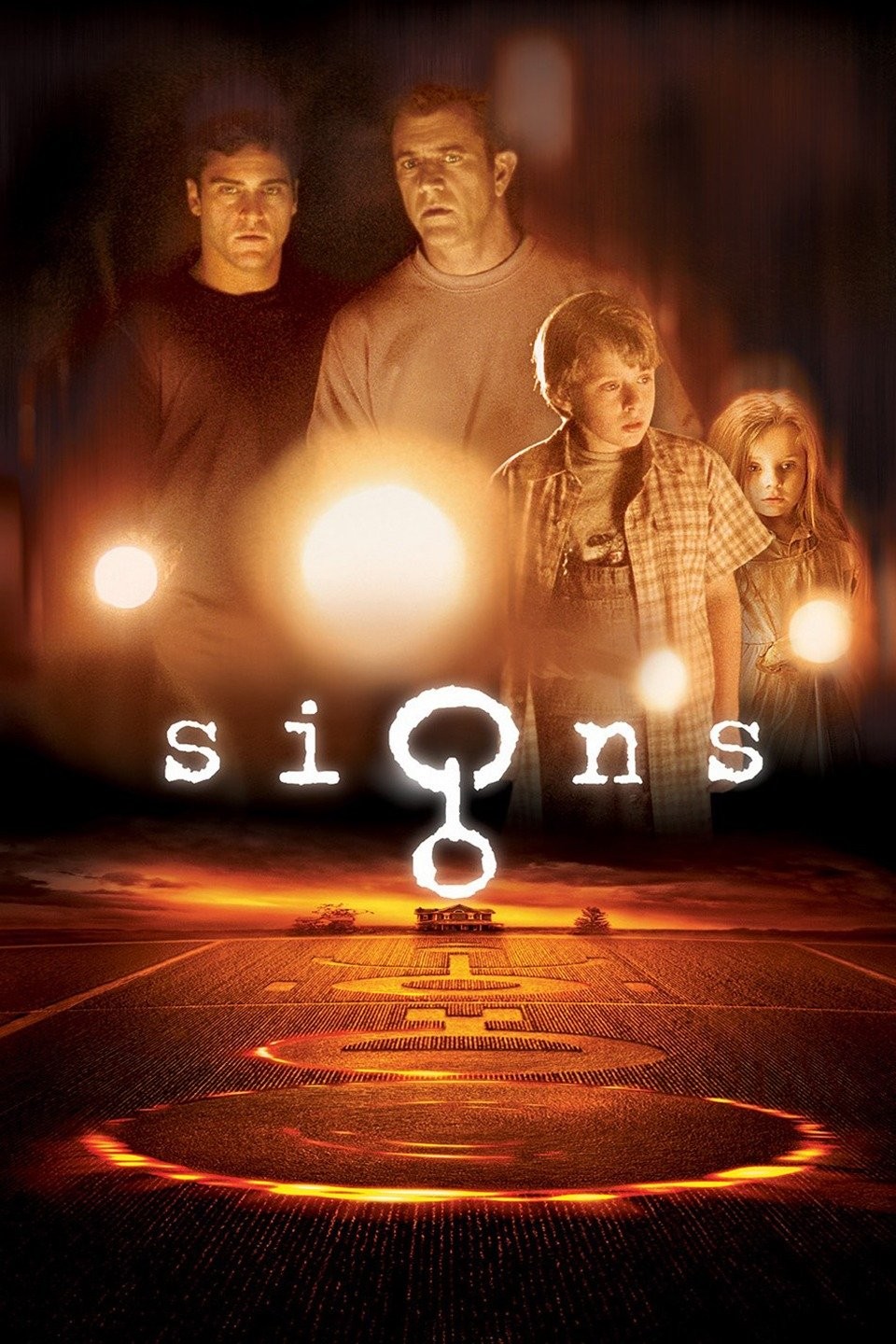
To understand the branding genius of Signs, one must look past the plot and into the mechanics of how the movie communicates its core essence. It is a film about the interpretation of data, the significance of visual markers, and the creation of a cohesive identity that resonates on a primal, psychological level.
The Power of Minimalist Symbology: The Crop Circle as a Corporate Logo
The most enduring image of Signs is the crop circle—a massive, geometric pattern etched into a field of corn. In the context of brand strategy, these circles function exactly like a high-impact corporate logo. They are distinctive, scalable, and instantly recognizable, even when viewed from a distance or through a grainy television screen.
Visual Semiotics in Brand Recall
In branding, semiotics is the study of signs and symbols and their interpretation. The crop circles in the movie serve as the ultimate “sign.” They convey a complex message—invasion, arrival, extraterrestrial intelligence—without using a single word. This is the pinnacle of brand identity. A successful brand, such as Apple’s bitten fruit or Nike’s swoosh, uses a singular visual marker to trigger a massive array of brand associations. Signs utilizes this by making the symbol the center of the mystery. The movie teaches us that a brand does not need to be loud to be powerful; it needs to be intentional. The geometric precision of the circles suggests a “designer,” just as a well-crafted logo suggests the professionalism and values of a corporation.
Creating Mystery to Drive Engagement
One of the most effective strategies in modern marketing is “tease and reveal.” Signs mastered this by making the symbols the focal point of the marketing campaign before the film was even released. By refusing to explain the “logo” (the crop circle) immediately, the creators forced the audience to engage in “meaning-making.” In branding, when you allow the consumer to participate in the discovery of your brand’s meaning, you create a deeper psychological bond. The mystery of the signs drove a global conversation, proving that what you don’t show is often as important as what you do show.
M. Night Shyamalan and the Architecture of a Director’s Brand
To understand what Signs is about, one must also understand the brand of its creator. By 2002, M. Night Shyamalan had established one of the most recognizable “personal brands” in Hollywood. Like a top-tier corporate entity, his name alone carried a set of expectations and a “brand promise” that the audience relied upon.
The “Twist” as a Brand Promise
Every strong brand has a unique selling proposition (USP). For the Shyamalan brand, the USP was “The Twist.” Audiences went to see Signs specifically because they expected a pivot in the narrative—a fundamental shift in perspective that would reframe everything they had seen. This is a powerful lesson in brand consistency. If a brand delivers on its promise repeatedly, it builds “brand equity.” However, it also creates a challenge: the brand becomes a prisoner of its own success. In Signs, the brand promise was fulfilled not through a shocking revelation of identity (as in The Sixth Sense), but through a revelation of “purpose”—the idea that there are no coincidences.
Niche Positioning in a Crowded Market
The alien invasion sub-genre was already crowded by the time Signs was released. To stand out, the movie utilized a “niche positioning” strategy. Instead of the global, high-octane spectacle of films like Independence Day, Signs opted for a minimalist, “boutique” approach. It focused on a single family in a single farmhouse. In brand strategy, this is known as “narrowing the focus to broaden the appeal.” By making the story intimate, the film distinguished its brand from the “mass-market” blockbusters, appealing to an audience looking for psychological depth rather than just special effects.

Strategic Foreshadowing: How Narrative Pacing Mirrors Market Preparation
A significant portion of Signs is dedicated to the mundane details of the Hess family’s life—Graham’s lost faith, Merrill’s failed baseball career, Bo’s habit of leaving water glasses everywhere, and Morgan’s asthma. In a brand context, these are not fillers; they are “strategic touchpoints.”
The “Every Detail Matters” Philosophy
The brilliance of the branding in Signs lies in the “payoff.” Every seemingly random character trait is actually a “product feature” that becomes essential in the final “product launch” (the climax). Bo’s water glasses and Morgan’s asthma aren’t just quirks; they are the tools for survival. This mirrors a high-level brand strategy where every minor interaction a customer has with a brand—from the packaging to the customer service tone—must be aligned with the final brand experience. If a brand ignores the “small details,” the final delivery feels hollow. Signs demonstrates that for a narrative (or a brand) to be successful, there must be a seamless integration between the setup and the execution.
Crisis Management and Internal Brand Alignment
The movie is, at its heart, about a family in crisis. How they respond to the “alien” threat is a metaphor for how a corporate identity handles a market disruption. Graham Hess (Mel Gibson) represents the “Brand Leader” who has lost his “Why”—his core purpose. The journey of the movie is the restoration of that purpose. For a brand to survive a crisis, there must be internal alignment. The family must move from a state of fragmentation to a state of unified action. When the brand (the family) aligns its internal values with its external actions, it becomes “invincible” to the outside threat.
Audience Psychology: Building Emotional Resonance Through Universal Archetypes
What Signs is truly about, beyond the external plot, is the human need for meaning. In the world of brand strategy, this is referred to as “Emotional Branding.”
Faith vs. Coincidence: Finding the Core Values
The central debate of the film is whether the events of our lives are coincidences or “signs” from a higher power. This is the ultimate “Brand Story.” Every iconic brand tells a story that taps into universal human desires: the desire for connection, the desire for security, or the desire for meaning. By rooting the film in the debate of faith versus chance, the Signs brand tapped into a deep-seated psychological archetype. Brands that take a stand on core values—even controversial ones—often build much higher levels of “Brand Loyalty” than those that try to remain neutral.
The Impact of Shared Experiences on Brand Loyalty
Signs created a “shared experience” for its audience. The tension, the silence, and the eventual release of the climax were designed to be experienced collectively. In the digital age, brands strive to create these “community moments.” Whether it’s a product launch event or a viral social media campaign, the goal is to create a “cultural sign” that people can rally around. The movie wasn’t just a product to be consumed; it was an event to be discussed. This is the transition from a “Commodity Brand” to a “Cult Brand.”

Conclusion: The “Sign” as a Blueprint for High-Impact Communication
When we analyze “what the movie Signs is about,” we discover a blueprint for effective brand strategy. It is an exploration of how symbols can dominate a narrative, how a creator’s personal brand dictates audience expectations, and how meticulous attention to detail can create a cohesive and powerful identity.
The film teaches us that a brand is not just a name or a logo; it is a “sign” of something deeper. It is a promise of meaning in a world of noise. For brand strategists, the lesson of Signs is clear: focus on the essentials, build a narrative where every detail serves the core purpose, and never underestimate the power of a well-placed symbol. In the end, the “signs” are all around us; the success of a brand depends entirely on its ability to make the audience believe that those signs are meant for them.
aViewFromTheCave is a participant in the Amazon Services LLC Associates Program, an affiliate advertising program designed to provide a means for sites to earn advertising fees by advertising and linking to Amazon.com. Amazon, the Amazon logo, AmazonSupply, and the AmazonSupply logo are trademarks of Amazon.com, Inc. or its affiliates. As an Amazon Associate we earn affiliate commissions from qualifying purchases.