
In the modern digital landscape, where our personal lives and professional identities are increasingly intertwined with the internet, a single term has emerged as a significant threat to personal safety: doxing. But what does “dox” actually stand for, and why has it become one of the most feared maneuvers in the world of cyber-harassment and digital security?
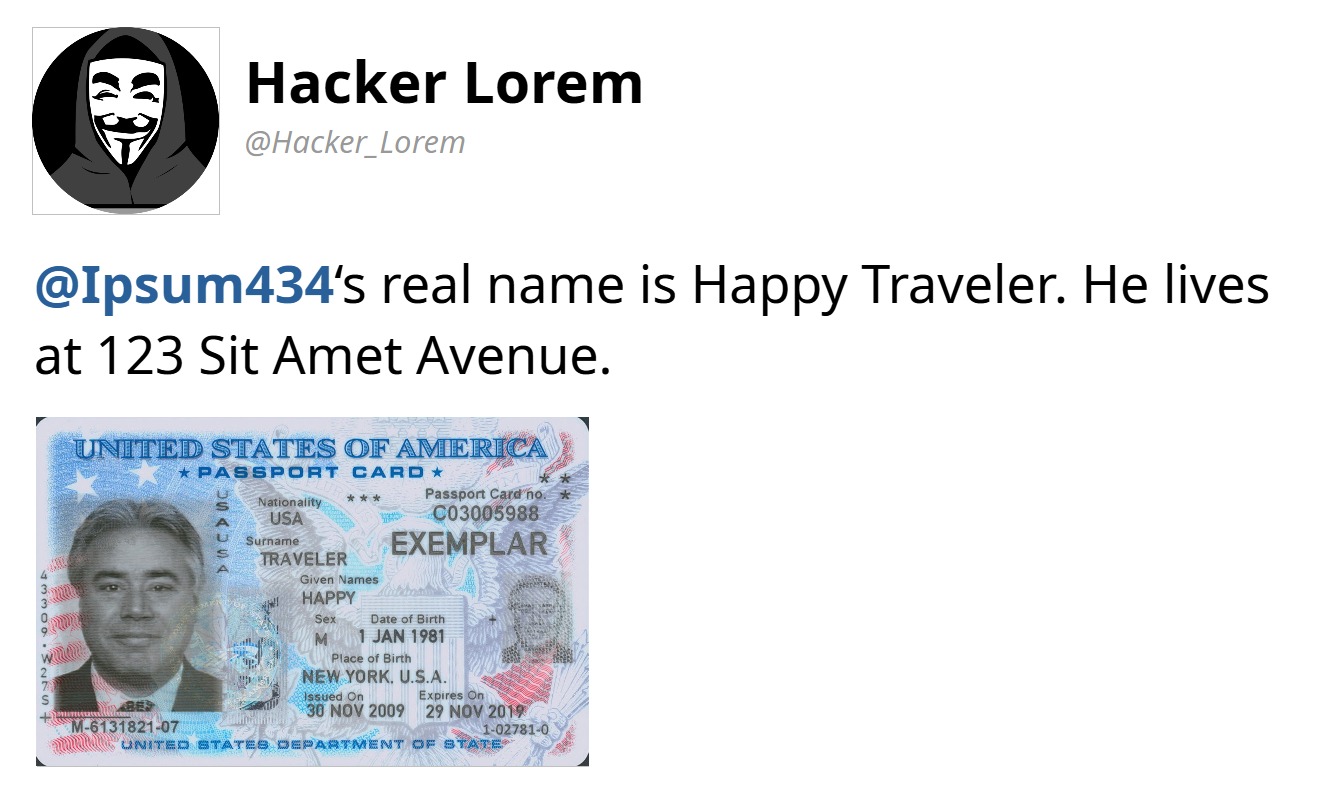
At its core, doxing (often spelled doxxing) is the act of publicly revealing private or identifying information about an individual without their consent. This information can range from home addresses and phone numbers to social security numbers, private photographs, and employer details. While the term may sound like modern slang, its roots are deeply embedded in the early days of internet culture, and its implications today are more technical—and dangerous—than ever before.
The Origins and Evolution of the Term “Dox”
To understand the current state of digital privacy, one must first look at the etymology of the word itself. The term “dox” did not emerge from a vacuum; it is a remnant of the early 1990s hacker subculture.
From “Dropping Docs” to Modern Cyberattacks
The word “dox” is an abbreviation of “docs,” which stands for “documents.” In the early days of online forums and Usenet groups, hackers would engage in rivalries. When a hacker managed to uncover the true identity of a competitor who was previously anonymous, they would “drop” the “documents” (legal records, contact info, or physical addresses) onto a public board. Over time, the phrase “dropping docs” morphed into the verb “doxing.”
In that era, doxing was largely a tool for gatekeeping or settling scores within niche technical communities. However, as the internet transitioned from a specialized tool to a central pillar of human society, the target of doxing shifted from rival coders to journalists, activists, celebrities, and even private citizens involved in social media disputes.
The Transition from Hacker Subculture to Mainstream Awareness
The transition of doxing from a technical prank to a mainstream security concern coincided with the rise of social media. As platforms like Facebook, Twitter (now X), and Reddit became the town squares of the 21st century, the ability to harvest data became a weapon. Today, doxing is recognized not just as a breach of etiquette, but as a sophisticated method of digital intimidation that leverages the vast amount of data we unknowingly leave behind in our digital wake.
How Doxing Occurs: The Technical Mechanics of Data Exposure
Many people believe they are safe because they use pseudonyms or maintain private social media profiles. However, doxing is rarely the result of a single catastrophic hack; rather, it is usually a process of “data stitching,” where a malicious actor collects fragments of information from various sources to build a complete profile.
Social Engineering and Human Error
Social engineering remains one of the most effective methods for gather private data. This involves manipulating individuals into divulging confidential information. A doxer might pose as a customer service representative or a long-lost acquaintance to gain a victim’s trust. In other cases, doxers simply mine the victim’s own post history. A photo of a new car might inadvertently show a license plate, or a post about a favorite local coffee shop can narrow down a person’s geographic location.
Exploiting Public Records and WHOIS Data
The technical side of doxing often involves accessing databases that are technically public but not easily searchable by the average person. For instance, WHOIS data—a protocol used for querying databases that store the registered users or assignees of an Internet resource—can reveal the name, address, and phone number of anyone who owns a website domain, unless they have paid for privacy protection. Similarly, property tax records, voter registration databases, and marriage licenses are often accessible online, providing a goldmine for those looking to “drop docs.”
IP Tracking and Metadata Analysis
Advanced doxers use more technical methods to pin down a victim’s location. By using “IP loggers”—links that, when clicked, record the visitor’s IP address—an attacker can determine a user’s approximate physical location and Service Provider (ISP).
Furthermore, digital files often contain metadata known as EXIF data. When you take a photo with a smartphone, the file often stores the exact GPS coordinates of where the photo was taken. If that photo is uploaded to a platform that doesn’t automatically strip metadata, a doxer can download the image and see exactly where the victim lives or works.
The Far-Reaching Impact of Doxing in the Digital Age
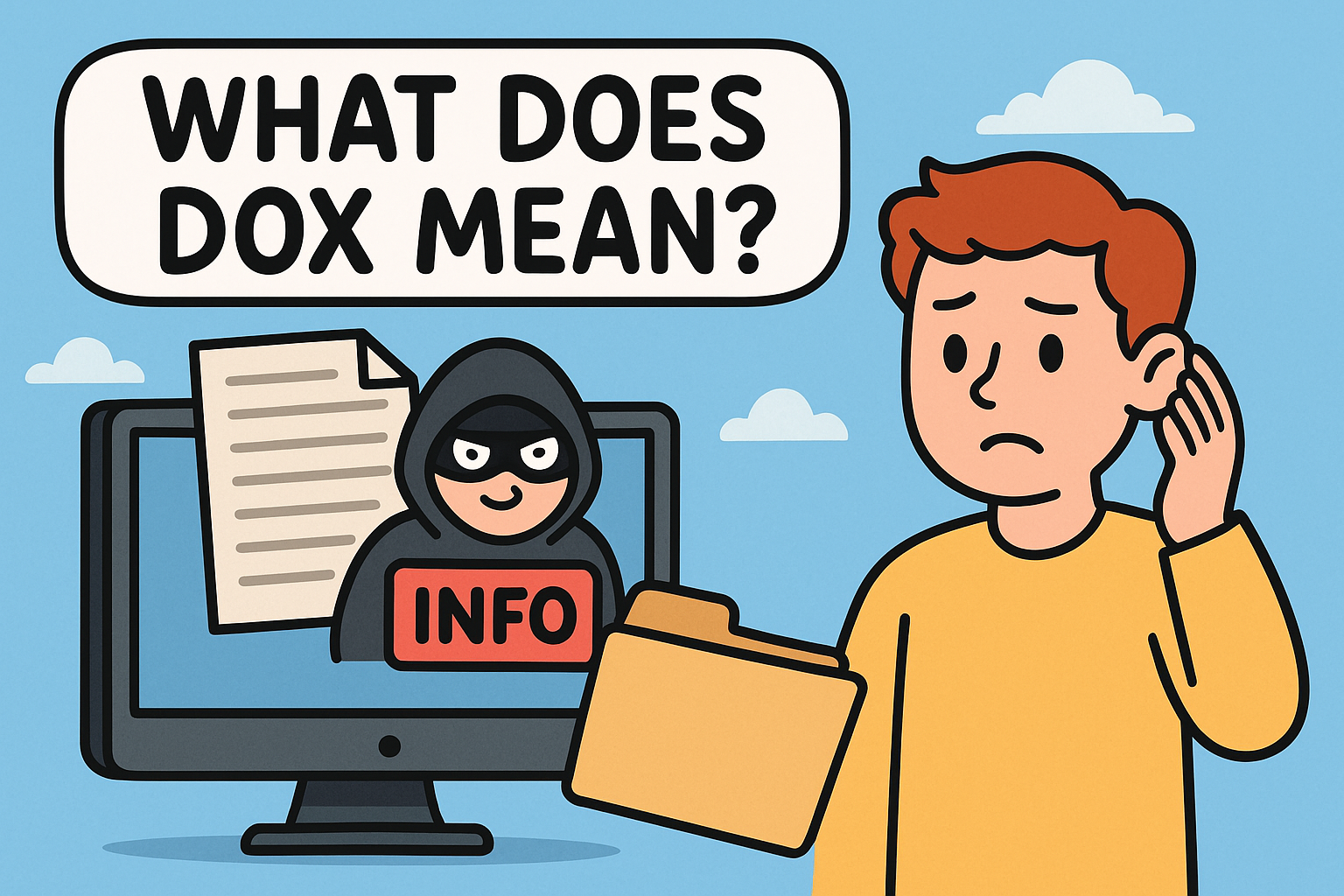
The consequences of having one’s private information broadcast to the world are rarely limited to the digital realm. Because the internet is global and permanent, a single doxing event can have life-altering repercussions.
Physical Safety and Real-World Harassment
The most immediate threat posed by doxing is physical harm. Once a home address is public, victims often face “swatting”—a highly dangerous hoax where an attacker calls emergency services to report a fake violent crime at the victim’s house, resulting in a heavily armed police response. Additionally, victims may face stalking, harassment via mail, or unwanted visitors at their place of residence.
Reputation Management and Professional Consequences
Doxing is frequently used to “cancel” or silence individuals by contacting their employers. By sharing out-of-context screenshots or private communications alongside an individual’s professional contact information, doxers can orchestrate mass-reporting campaigns. This often leads to the victim being placed on administrative leave or fired, as corporations frequently prioritize PR management over investigating the nuances of an online dispute. For many, the “docs” dropped by a harasser become a permanent stain on their Google search results, making future employment difficult.
How to Protect Your Digital Footprint: Proactive Security Measures
While it is nearly impossible to be “invisible” on the modern internet, there are several technical steps you can take to harden your digital security and minimize the risk of being doxed.
Minimizing Your Public Data Presence
The first step in digital hygiene is a thorough audit of your online presence. Search for your own name in various search engines and see what comes up. Use “People Search” sites (data brokers) to see if your home address is listed. In many regions, you can legally request that these sites remove your information. Additionally, ensure that your social media accounts are set to the highest privacy levels and avoid using your real name on forums or gaming platforms.
Utilizing Advanced Security Tools: VPNs and MFA
To protect your technical data, such as your IP address, use a Virtual Private Network (VPN). A VPN masks your actual IP by routing your connection through a secure server, making it much harder for attackers to track your physical location.
Furthermore, Multi-Factor Authentication (MFA) is essential. Even if a doxer manages to find your email or password through a data breach, MFA acts as a secondary barrier, requiring a physical device or biometric scan to grant access. This prevents attackers from “taking over” your accounts to find more sensitive “docs” like bank statements or private messages.
Monitoring for Data Breaches and Leaks
Often, the information used in a doxing attack comes from third-party data breaches rather than the victim’s own actions. Use services like “Have I Been Pwned” to check if your email address or phone number has been compromised in a corporate leak. If a site you use is breached, change your password immediately and ensure you aren’t reusing that password across other sensitive platforms.

The Future of Digital Identity and Anti-Doxing Legislation
As the technical methods for doxing evolve, so too must our legal and platform-level responses. For years, doxing fell into a legal gray area because much of the information shared (like a home address) is technically public record. However, this is changing.
Many jurisdictions are now introducing specific anti-doxing laws that focus on the intent of the disclosure. If information is shared with the intent to harass, threaten, or incite violence, it is increasingly being treated as a criminal offense. Furthermore, social media platforms are implementing more robust AI-driven tools to automatically detect and remove posts that contain PII (Personally Identifiable Information).
The battle for digital privacy is an ongoing arms race. As long as we continue to live our lives online, the risk of “dropping docs” will remain. However, by understanding what dox stands for—and the technical mechanisms behind it—users can better equip themselves with the tools and knowledge necessary to navigate the digital world safely. In an age where information is power, protecting your personal data is not just a technical preference; it is a fundamental necessity for personal security.
aViewFromTheCave is a participant in the Amazon Services LLC Associates Program, an affiliate advertising program designed to provide a means for sites to earn advertising fees by advertising and linking to Amazon.com. Amazon, the Amazon logo, AmazonSupply, and the AmazonSupply logo are trademarks of Amazon.com, Inc. or its affiliates. As an Amazon Associate we earn affiliate commissions from qualifying purchases.