
Choosing an auto insurance provider is one of the most significant recurring financial decisions a consumer can make. While many view insurance as a mere monthly bill or a legal necessity, it is, in reality, a critical component of a comprehensive personal finance strategy. The “best” company isn’t simply the one with the catchiest jingle or the lowest teaser rate; it is the institution that offers the strongest financial protection, the most reliable claims processing, and the best long-term value for your specific economic profile.
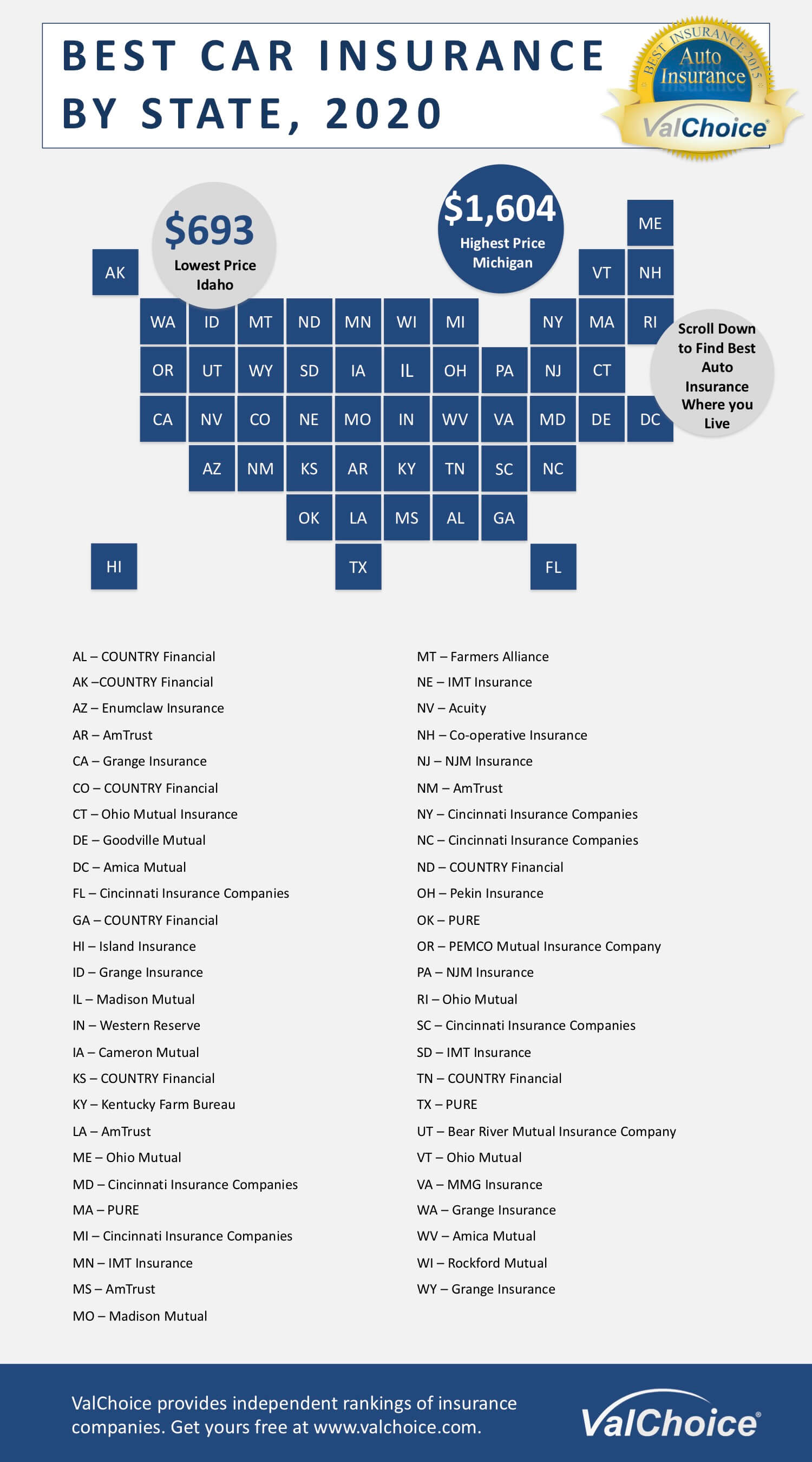
In the realm of personal finance, auto insurance serves as a hedge against catastrophic loss. A single collision can result in tens of thousands of dollars in property damage and hundreds of thousands in medical liabilities. Without the right provider, your savings, investments, and future earnings could be at risk. This guide explores the landscape of the insurance market through a financial lens, helping you identify which company aligns with your monetary goals.
1. Evaluating the Financial Strength and Reliability of Insurance Providers
When searching for the best auto insurance company, the first metric should always be financial stability. If an insurer lacks the capital to pay out claims during a widespread disaster or a period of economic downturn, your policy is effectively a hollow promise.
AM Best Ratings and Solvency
Financial analysts use ratings from agencies like AM Best to determine the “creditworthiness” of insurance companies. A rating of A++ (Superior) or A+ (Excellent) indicates that the company has a robust balance sheet and is highly likely to meet its ongoing insurance obligations. For a policyholder, this means peace of mind knowing that even if the economy fluctuates, the company remains solvent.
Claims Satisfaction and JD Power Rankings
Money management isn’t just about saving on premiums; it’s about the “loss ratio” and the efficiency of the payout. A company that offers a $50 monthly premium but fights every claim is a poor financial choice. Referring to JD Power’s annual U.S. Auto Insurance Study provides insight into which companies actually deliver value when a claim is filed. High scores in claims satisfaction suggest a streamlined process that saves you time and reduces the out-of-pocket stress associated with accidents.
Complaint Ratios and Transparency
The National Association of Insurance Commissioners (NAIC) tracks the “complaint index” for insurers. A company with a ratio significantly higher than 1.0 receives more complaints than average for its size. For a savvy consumer, avoiding companies with high complaint ratios is a form of risk management. You want a financial partner that prioritizes transparency and fair dealings.
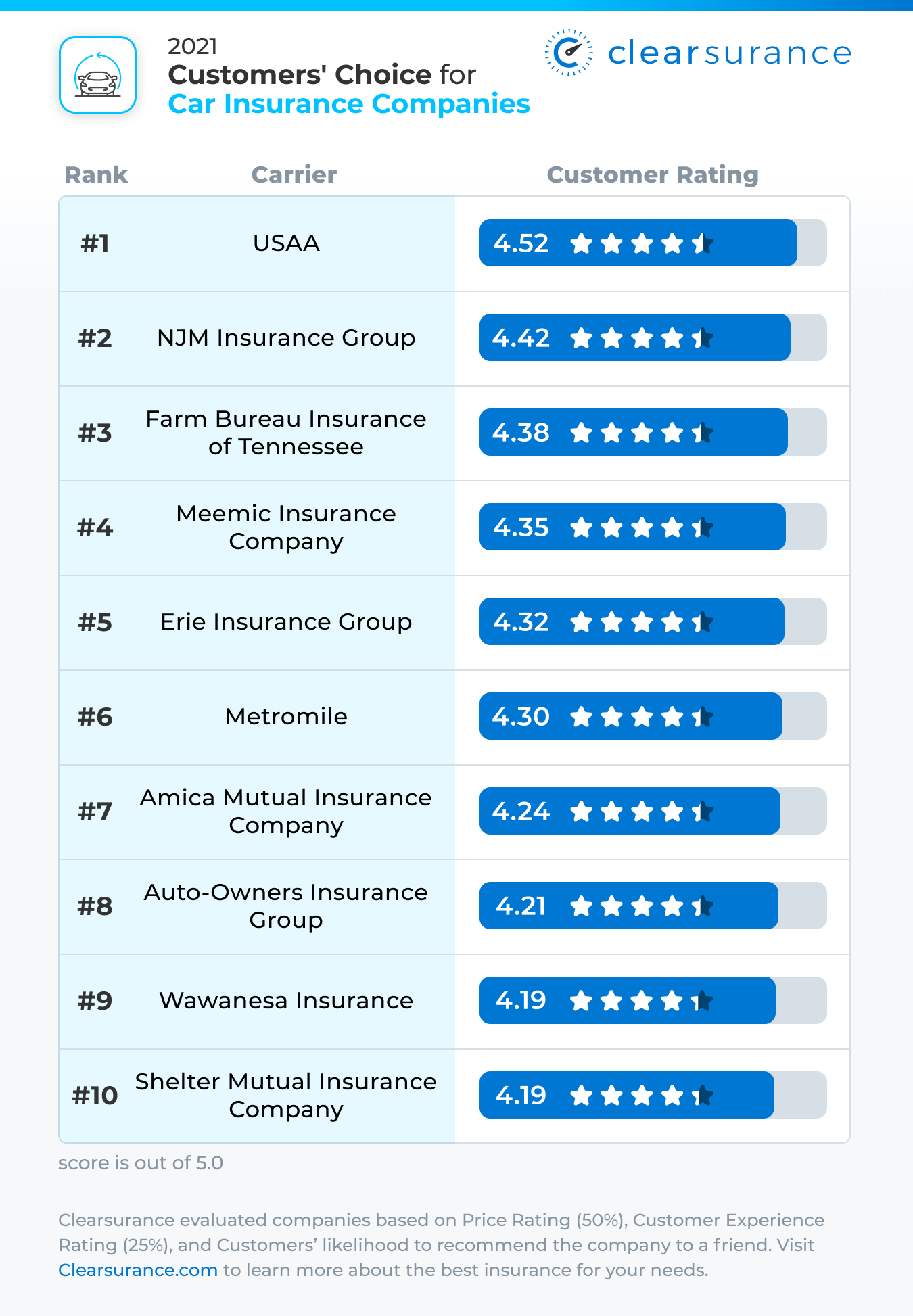
2. Top-Tier Contenders: Which Companies Offer the Best Financial Value?
While “the best” varies by state and individual driving history, several companies consistently lead the market in terms of value, coverage options, and financial reliability.
USAA: Unrivaled Value for the Military Community
For those who qualify (active military, veterans, and their families), USAA is frequently cited by financial experts as the gold standard. From a money perspective, USAA often offers the lowest premiums alongside the highest customer service ratings. Their business model is built on serving a specific risk pool, which allows them to return value to members in ways that publicly traded companies cannot.
Geico and Progressive: The Leaders in Competitive Pricing
For budget-conscious drivers, Geico and Progressive utilize advanced actuarial algorithms to offer highly competitive rates. Geico is often the leader for those with clean driving records looking to minimize fixed monthly expenses. Progressive, on the other hand, excels with its “Name Your Price” tool and “Snapshot” program, which uses telematics to reward safe drivers with lower rates. For an individual looking to optimize their cash flow, these companies offer the most flexibility.
State Farm and Allstate: The Value of Personalized Risk Management
If your financial situation is complex—perhaps you own multiple properties or have significant assets—the “best” company might be one that offers personalized service through a dedicated agent. State Farm, the largest auto insurer in the U.S., provides a massive network of agents who can help tailor a policy that integrates with your overall financial plan. While the premiums may be slightly higher than “direct-to-consumer” models, the professional advice on liability limits can prevent financial ruin in the event of a lawsuit.
3. Strategic Ways to Lower Premiums Without Sacrificing Coverage
In personal finance, the goal is to maximize the utility of every dollar spent. Reducing your insurance premium shouldn’t mean reducing your protection; rather, it should involve optimizing your policy structure.
Leveraging the Power of Bundling
One of the most effective financial moves is “bundling” or “multi-line” discounting. By placing your homeowners, renters, or life insurance with the same carrier as your auto insurance, you can often save 10% to 25% across all policies. This is a simple way to increase your net monthly cash flow without changing your lifestyle or coverage levels.
The Impact of Credit-Based Insurance Scores
In most states, your credit score is a primary factor in determining your insurance premium. Actuarial data shows a strong correlation between financial responsibility and driving safety. By maintaining a high credit score, you signal to the insurer that you are a low-risk client, which can result in significantly lower rates. Improving your credit is not just good for your loan interest rates; it is a direct way to lower your insurance overhead.
Strategic Deductible Adjustments
A common mistake in personal finance is carrying a low deductible (e.g., $250) when one has a healthy emergency fund. By increasing your deductible to $1,000 or $2,000, you can drastically reduce your monthly premium. From an investment perspective, the “saved” premium dollars can be redirected into a high-yield savings account or an index fund. You essentially become “self-insured” for minor fender-benders while the insurance company handles the catastrophic risks.
4. Understanding Coverage Types as Investment in Asset Protection
To determine the best company, you must understand the financial products they sell. Insurance is not a monolithic product; it is a suite of protections designed to safeguard your wealth.
Liability Coverage: Protecting Your Net Worth
Bodily injury and property damage liability are the most important parts of your policy. If you are at fault in an accident, your assets—home, savings, and future wages—are on the line. The “best” company for a high-net-worth individual is one that offers high liability limits (e.g., 250/500/100) and the option for an Umbrella Policy. Skimping on liability to save $10 a month is a poor financial trade-off.
Collision and Comprehensive: Managing Depreciating Assets
Vehicles are depreciating assets. Comprehensive and Collision coverage protect the capital you have tied up in your car. However, from a financial standpoint, there comes a time when the cost of the coverage exceeds the potential payout (the “book value” of the car minus the deductible). A good insurer provides tools to help you assess when it is mathematically sound to drop these coverages on an older vehicle.
Uninsured/Underinsured Motorist Coverage
This is an often-overlooked financial safety net. If you are hit by someone with no insurance, your own “best” company should step in to cover your medical bills and lost wages. This coverage ensures that another person’s poor financial planning doesn’t become your financial crisis.

5. Conclusion: Making an Informed Financial Decision
The quest for the “best” auto insurance company is ultimately a personal one, rooted in your unique financial circumstances. For a young professional with a high credit score, Geico might offer the best ROI. For a military family, USAA is almost certainly the winner. For a business owner with multiple assets to protect, State Farm’s agent-led model may provide the best long-term security.
When making your choice, remember that insurance is an integral part of your budget and your defensive financial strategy. Don’t simply look for the lowest price; look for the best combination of financial strength, customer service, and coverage options. By auditing your policy annually, maintaining your credit score, and choosing a carrier with a proven track record of solvency, you ensure that your auto insurance serves its true purpose: protecting your journey toward financial independence.
aViewFromTheCave is a participant in the Amazon Services LLC Associates Program, an affiliate advertising program designed to provide a means for sites to earn advertising fees by advertising and linking to Amazon.com. Amazon, the Amazon logo, AmazonSupply, and the AmazonSupply logo are trademarks of Amazon.com, Inc. or its affiliates. As an Amazon Associate we earn affiliate commissions from qualifying purchases.